

Lesson 126: The Physiological Mechanism of Panic Attacks
Duration:70 minutes
Topic Introduction:
Panic attacks may seem like a "sudden outburst," but they are actually caused by the triggering of a highly complex physiological system within a very short period of time.
Rapid heartbeat, chest tightness, numbness in hands and feet, dizziness, hyperventilation...
These are not things "thought out of the mind," but rather the body entering an acute survival mode.
This lesson will guide you to understand the neurological logic behind panic attacks, turning the "unknown" into something explainable.
Why are panic attacks so intense? (Core Knowledge)
- Almond kernel one-click alarm trigger:The amygdala is responsible for "threat detection," and once it becomes overly vigilant, it can instantly trigger a systemic response.
- The sympathetic nervous system is fully activated:Heartbeat, breathing, muscle tension, blood redistribution—all of these are like "emergency buttons" being pressed simultaneously.
- Breathing imbalance brings intense physical sensations:Hyperventilation causes a rapid drop in carbon dioxide, leading to severe discomfort such as dizziness, numbness, and chest tightness.
Lesson 126: The Physiological Mechanism of Panic Attacks (Click to listen to the reading and view the content)
Understanding the physiological mechanisms of panic attacks is a crucial step in breaking free from the cycle of fear. Many people, during an attack, firmly believe their body is malfunctioning, but in reality, panic attacks are not caused by organ damage; rather, they are caused by the overactivation of the nervous system's stress response. The human body is naturally equipped with a rapid-response survival mechanism. When the brain detects a threat, it immediately activates the sympathetic nervous system, releasing adrenaline to cope with the danger. In real danger, this response can protect life, but in a panic attack, the threat may not exist or may only be an internal sensation that the brain misinterprets as a danger signal. The amygdala, as the emotional alarm center, reacts prioritizing rational thought; it doesn't wait for you to analyze the situation but directly issues warning commands. Thus, a rapid heartbeat is to deliver blood to the muscles more quickly; shallow, rapid breathing is to increase oxygen supply; sweating, dizziness, and chest tightness are all results of blood flow redistribution and neural excitation. These reactions themselves are not dangerous and will not push the body to the brink of collapse. The real problem is that when you notice these changes and begin to worry about them, the brain reaffirms that the danger still exists, thus maintaining or even intensifying the stress response, creating a self-reinforcing cycle. Another key mechanism is the change in carbon dioxide tolerance. Under stress, breathing rhythms are easily disrupted, leading to a drop in carbon dioxide levels, which can trigger dizziness, tingling, and a sense of unreality. These sensations are often misinterpreted as loss of control or impending death, further stimulating fear. It's important to understand that panic attacks have a definite upper limit; the nervous system cannot maintain a maximum alert level indefinitely. Even if you do nothing, it will naturally subside after a period of time. Understanding this helps you reduce resistance during an attack. When you know it's a physiological mis-trigger rather than a bodily malfunction, you're more likely to face the symptoms through observation rather than panic. Each time you maintain basic understanding and acceptance during an attack, the nervous system records a new experience, demonstrating that these reactions are tolerable. As experience accumulates, the alarm system gradually becomes less sensitive. Understanding the physiological mechanisms is not about controlling the body, but about preventing the body from being misunderstood as an enemy.
▲ AI Interaction: What physical reaction are you most afraid of?
Is it a rapid heartbeat? Tightness in the chest? Or a feeling of being unable to breathe?
The body reacts quickly to fear, but it does not cause harm.
We can work together to break down the neurological implications they represent.
After the physiological mechanisms are strongly activated, what the body needs most is "resynchronization of rhythm".
Low-frequency, slow, and rhythmic music can help the brain enter a more stable breathing rhythm.
○ Eastern Healing Tea: Tangerine Peel, Ginger, and Jujube Tea
Recommended reasons:It warms the circulation, stabilizes the stomach, and can balance the breathing disorder and chest tightness after panic.
practice:Simmer dried tangerine peel slices, ginger, and red dates over low heat for 10 minutes, allowing the warmth to linger in the abdomen and reducing sympathetic nerve activation.
○ Tranquilizing and Nourishing Taro and Coconut Porridge (ID126)
During the stage of learning and understanding the physiological mechanisms of panic attacks, the body needs a gentle and slowly releasing energy. The soft texture of taro helps the nervous system gradually calm down from a state of heightened excitement, while the mild aroma of coconut milk provides a sense of stability and familiarity. This calming porridge is suitable for consumption after learning or experiencing a physiological reaction, helping the body transform understanding into a real experience of relaxation. It symbolizes that when the mechanism is clearly understood, the body naturally lets go of excessive defenses.
Soothe the nervous system
Mild decline
Open Recipe
◉ Stable Dietary Therapy - Taro and Coconut Flavored Stable Porridge (ID 126)
Taro and Coconut Soothing Congee is a bowl of soft, sweet, and smooth congee that soothes the body and mind. The taro is mashed into a smooth paste and incorporated into the congee, making it rich yet not heavy. A touch of coconut milk adds a gentle creamy aroma and a southern flavor, making the entire bowl feel like a warm cloud enveloping the stomach upon first bite. It's perfect for those under stress, experiencing anxiety, having weak digestion, or simply wanting to calm down at night.
Stabilize emotions Soft and smooth Lightly sweet and not cloying
I. Recommended Dietary Therapy and Reasons
Recommended dishes:Taro and Coconut Porridge (ID 56)
Recommended reasons: Taro contains mucopolysaccharides and dietary fiber, which can gently soothe the stomach; its fluffy and soft texture is also easy to digest. The aroma of coconut milk is a "soothing flavor," and a small amount can make the porridge more rounded and mellow. The whole bowl presents a soft and comforting flavor, making it perfect as a light evening snack, a small nourishment when you are physically and mentally exhausted, or a "calming dish" to calm your body when you are anxious or tense.
2. Recipe and Method
Recipe (1–2 servings):
- 120–150 g of small taro or taro chunks (steamed until cooked and ready to use)
- 40–50 g of rice
- 550–650 ml of clean water
- 40–60 ml of coconut milk (adjust amount according to your preference for aroma)
- A pinch of salt (optional, to balance the sweetness).
- Add a small amount of rock sugar or honey (optional, but not recommended to make it too sweet).
- A few pieces of coconut (optional, as a garnish)
practice:
- Cut the taro into chunks, steam until completely soft, then mash into a smooth taro paste with a fork and set aside.
- After rinsing the rice, put it in a pot with water, bring it to a boil over high heat, then reduce to low heat and cook for 18–25 minutes, until the rice is soft and sticky and the grains are slightly open.
- Add the taro paste to the porridge pot and continue to simmer over low heat for 5–8 minutes, stirring constantly, until the taro paste is fully incorporated into the porridge.
- Turn the heat to the lowest setting, add the coconut milk and stir slowly to make the porridge smoother and sweeter.
- Add a very small amount of salt to balance the flavor. If you prefer it sweeter, you can add honey or a small amount of rock sugar after it has cooled slightly.
- After serving, sprinkle with a little coconut flakes to enhance the aroma and add depth to the flavor.
- Enjoy it while it's still warm and slowly, allowing your body and mind to settle down.
3. Small rituals for body and mind
When mashing taro, you can imagine gradually dissolving the tension of the day and restoring your body's suppleness.
While cooking porridge, pay attention to the gentle ripples in the pot, just like the rhythm of breathing gradually becoming steady.
When you take the first sip, you can tell yourself, "I'm calming my body down." Let this bowl of porridge be a signal that your emotions have settled down.
4. Dietary Therapy Experience Record
- Record your physical and mental state when drinking it, such as fatigue, anxiety, stomach discomfort, etc.
- Observe the effects of the porridge on mood and body temperature, such as whether you feel more stable and relaxed.
- If you eat this as a light evening snack for several consecutive days, you can record changes in sleep quality, abdominal comfort, and other factors.
V. Instructional Videos (approximately 3–5 minutes)
◉ Video Title:Taro and Coconut Soothing Porridge: A gentle bowl to calm your body.
6. Precautions
- The coconut milk has a rich flavor, so it should not be used in excess, lest it mask the natural aroma of the taro.
- Those who wish to make the porridge thinner can reduce the digestive burden.
- If you are not tolerant of coconut milk, you can substitute oat milk or omit the coconut milk and thicken it with taro puree.
hint:This recipe is for calming the mind and body and for dietary therapy purposes only, and is not a substitute for medical advice. If you experience persistent stomach discomfort or emotional distress, please consult a professional.
○ Suggestions for Modern Calligraphy Writing Practice
The topic of this lesson:The adrenaline rush – Learn to “surf” rather than “build dams”
In-depth analysis:
Physiologically, a panic attack is essentially a "flood of adrenaline." It comes on quickly and goes off just as fast. Most of the suffering stems from our attempts to "build dams" to hold back the flood (by tensing our muscles to combat trembling), which ironically leads to an explosion of stress. The continuous script in modern art calligraphy is the best "channel". The body's chemicals need to be metabolized, and physical activity is the best way to do so. The continuous lines when writing simulate the flow of energy. We practice not blocking this energy, but like surfers, riding the crest of an adrenaline wave and writing with its momentum.
Writing Techniques (Physiological Adjustment Version):
- Riding the Wave:When you feel a surge of energy within you, increase your pen speed and draw large, sweeping wavy lines (Drills). Don't try to write small; instead, amplify your movements and use the swing of your upper arm to dissipate the excess "fighting energy." Tell your body, "I know you have excess energy, and I'm using it."“
- Tremor Texture:If your hand trembles due to palpitations, don't stop, and don't grip the pen too tightly. Try letting the pen tip lightly touch the paper, creating lines with natural jagged edges. In art, this is called "texture." Embrace the tremor in your body, transforming it into unique marks on the paper, rather than a shameful thing to hide.
- Ink Flow Visualization:Panic is often accompanied by a dry mouth or a feeling of blood clotting. Stare at the flowing ink on the pen tip and imagine that it is actually your blood and body fluids resuming their flow. If the ink doesn't clog, your breath won't be blocked. This visual suggestion induces a "thawing" response in the parasympathetic nervous system.
- Expanded Spacing:During a panic attack, there is a strong feeling of tightness and pressure in the chest. When writing, consciously lengthen the connectors between letters to allow each letter to "breathe" fresh air. This physical "expansion" helps to relieve the "contraction" in the chest cavity.
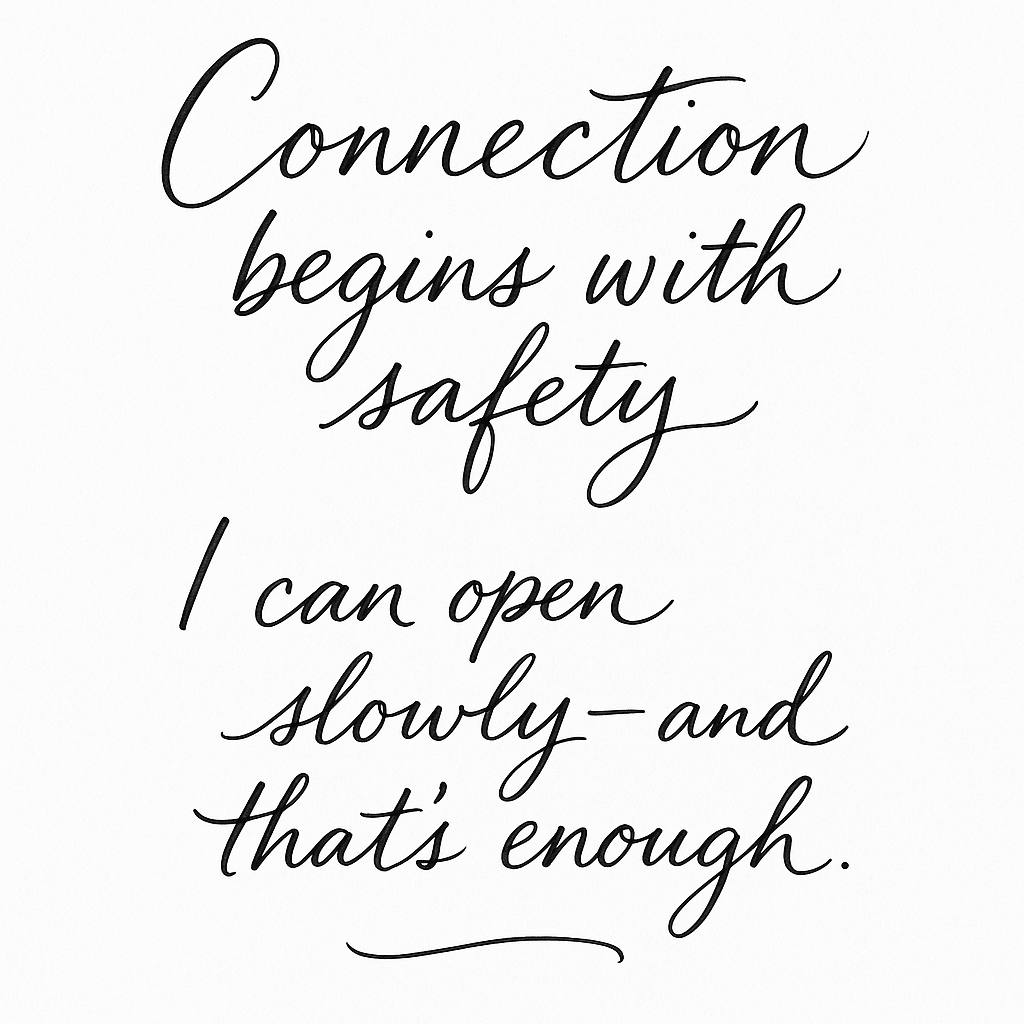
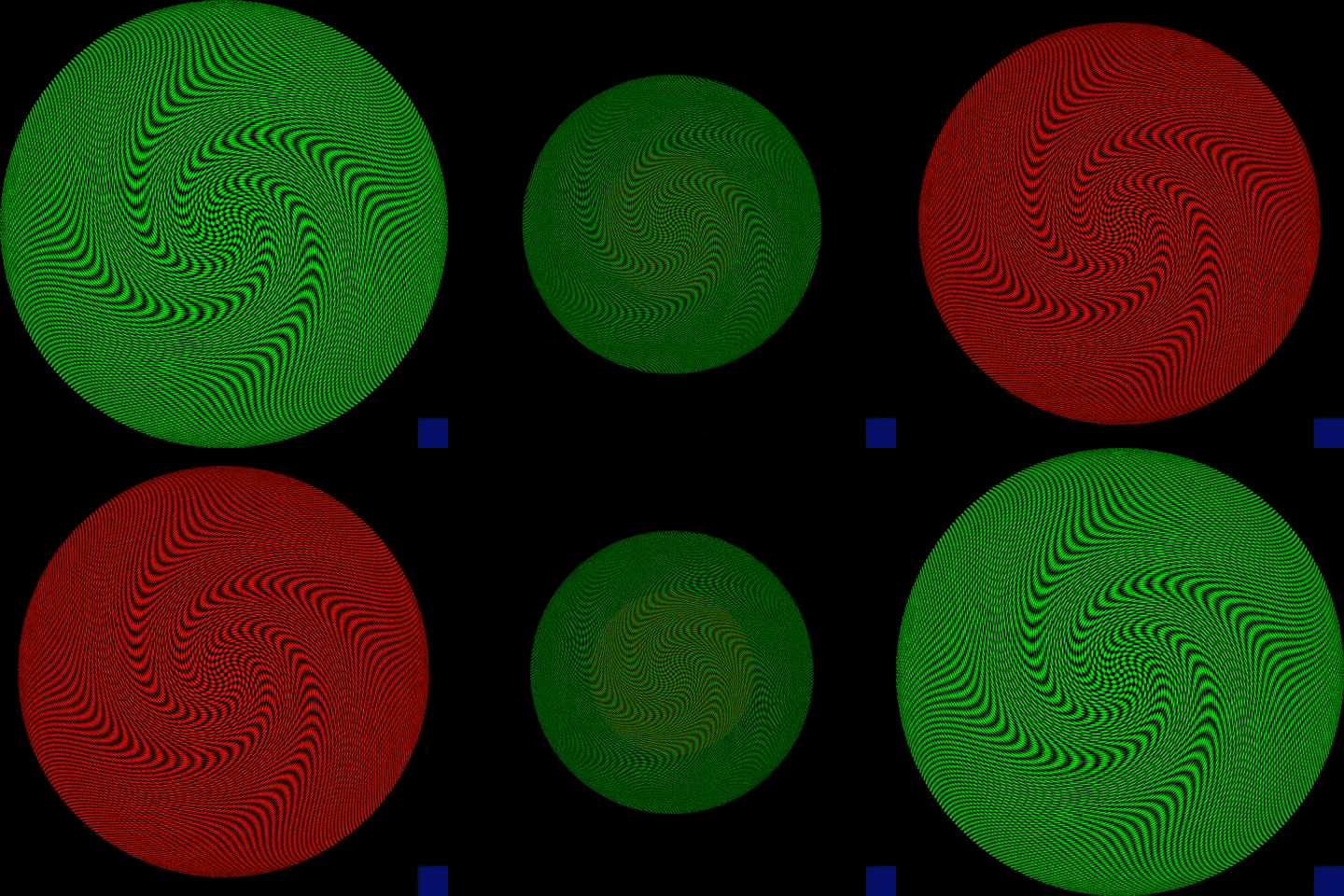
Image Healing: Mandala Stability Guidance 126
Imagine your nervous system as this complex mandala network. During a panic attack, it's like an electrical overload, sparks flying everywhere. But look, the mandala's structure is so precise; it can hold not only trickles but also torrents. There's no need to cut off the power; simply allow those chaotic currents to flow along the mandala's geometric patterns. Watch them transform from a chaotic tangle into orderly, luminous lines. The energy itself is not wrong; it simply needs to be guided back through this perfect order.
Traditional mandalas typically feature a harmonious and intricately varied circular structure, symbolizing the wholeness of the universe and the cycle of life. By viewing mandala images, individuals can perceive inner peace and strength, achieving psychological balance.
◉ Gaze at the mandala twice, while taking deep breaths.
Lesson 126: The Physiological Cycle of Panic - Guided Drawing
① Action guidance:Draw a slowly expanding circle to symbolize that breathing is once again under control.
② Action guidance:Draw a sharp or rapid line around the outside of the circle to represent an acute reaction to fear.
③ Action guidance:Then, a soft line extends from the center, symbolizing "I can still find a path back to stability even in chaos".
Please log in before submitting your drawings and feelings.
○ 126. Physiological Mechanisms of Panic: Journal-Based Guidance Suggestions
① What scientific knowledge did you learn today that "panic is not danger"?
② Which physical reaction is most likely to trigger my fear? Why?
③ Can I distinguish between "severe symptoms" and "not dangerous"?
④ Next time I experience panic, which stable movement or breathing rhythm would I be willing to try?
Please log in to use.
Panic attacks are not a sign of physical breakdown, but rather an overactive survival system. Once you understand it, you can regain control.
 EN
EN  ZH
ZH  ES
ES  FR
FR  JA
JA