

Lesson 12: Stop 24/7 Self-Monitoring”
Duration:85 minutes
Topic Introduction:Persistent anxiety not only depletes mental energy but also leads to chronic physical fatigue. This lesson will guide you through understanding the mechanism of "post-anxiety burnout"—when the sympathetic nervous system is overloaded and energy is depleted, the body enters a "pseudo-dormant" state, leaving you feeling lethargic. We will use gentle rhythms, diet, and art therapy to recharge your mind and body.
Four Forms of Anxiety-Induced Fatigue
- 1. Physical fatigue:Muscle soreness, dizziness, and weakness.
- 2. Cognitive fatigue:Memory decline and difficulty concentrating.
- 3. Emotional fatigue:Easily moved to tears, easily angered, and indifferent to happiness.
- 4. Existential fatigue:They feel that "living is so tiring" and "life has no meaning".
Lesson 12: Stop 24/7 Self-Monitoring (Stop Measuring Your Fears) 🎧 Click to watch/listen to the reading
Many anxious individuals aren't defeated by a single instance of fear, but rather slowly drained by a constant cycle of self-monitoring. You might constantly check your own condition: Am I tense now? Is my heart racing again? Does my stomach still hurt? Has that earlier unease gotten worse? This monitoring, seemingly self-care, is actually like taking your temperature 24/7, keeping your body in a constant state of "potential problems." The essence of 24/7 self-monitoring is fixing your attention on fear for an extended period. Once attention is locked, the brain continuously amplifies the monitored object. What were originally minor, negligible physical or emotional fluctuations become abnormally clear due to repeated checks. The more you try to confirm "am I okay?", the more you often get the response "it seems not so good," leading to even more frequent monitoring. This pattern is stubborn because it provides a brief sense of "security." Each check makes you feel like you're in control. But this security is very short-lived, quickly replaced by new questions: "What about now?" Over time, the brain learns one thing: as long as you keep focusing on the fear, it seems like you can avoid the worst-case scenario. In reality, you're simply fueling your fear. The first step in recognizing self-monitoring is to notice if you're frequently "scaled" your feelings. For example, mentally rating your anxiety: How anxious am I right now? It was a 3 just now, is it a 4 now? This behavior doesn't provide real information, but it constantly reminds the brain: "Fear is the most important thing here." Next, practice **intentionally reducing the number of checks**. This isn't about forcing yourself to completely ignore it, but about setting boundaries for monitoring. For example, when you find yourself wanting to confirm your feelings again, delay for a minute and focus your attention on the specific action at hand. Often, just that one minute is enough to break the automatic monitoring cycle. Another important exercise is shifting your attention from "internal scanning" to "external engagement." Describe what you're seeing, hearing, and touching, rather than describing your own state. This isn't escapism, but telling your brain: there's more important information in the world right now than fear. As you practice, you'll notice a change: fear doesn't get out of control because you stop monitoring; instead, it begins to fluctuate and subside on its own. You're no longer a recorder, analyst, or guard of fear, but simply a person living their life. Stopping 24/7 self-monitoring doesn't mean abandoning self-care, but rather shifting care from "focusing on problems" to "trusting the system." When you stop repeatedly measuring fear, fear loses its stage for continuous amplification, and your inner space begins to slowly become more relaxed and quiet.
○ Audio - Gentle Restoration Meditation
Play the audio track and follow the instructions to complete one "energy recovery" exercise: Imagine fatigue leaving your body as you exhale; imagine light and energy returning to your heart as you inhale.
○ Eastern Tea Therapy: Rose and Goji Berry Soothing Tea
Recommended reasons:Roses soothe the liver and regulate qi, while goji berries replenish qi and nourish blood, making them suitable for people experiencing low mood and fatigue after anxiety.
practice:Steep 5 dried rosebuds and 5 goji berries in 90℃ hot water to restore a gentle energy through their fragrance.
○ Stable Dietary Therapy - Green Tea Porridge (ID12)
During periods of heightened excitement or decreased appetite, a bowl of soft green tea porridge can provide gentle, non-irritating support to the body. The porridge itself has a soothing effect on the stomach, while the slightly bitter and aromatic green tea helps stabilize thoughts and reduce distractions. This porridge is suitable for consumption when feeling emotionally agitated or mildly anxious, helping the body rebuild a sense of security through a simple and regular rhythm.
Open Recipe
◉ Japanese Food Therapy: Green Tea Porridge (ID 12)
This is an ancient dietary practice originating from the Nara region of Japan, known as "Chagayu" (tea porridge). Fragrant green tea is steeped in cooked rice porridge, utilizing the antioxidant properties of tea polyphenols and its subtle bitterness to clear away internal heat and dampness. For those experiencing "heart fire" due to excessive thinking, anxiety, irritability, or afternoon drowsiness, this porridge can provide instant coolness and clarity, like a gentle breeze soothing a restless heart.
Clear heat and calm the mind Enhance awareness Relieve anxiety
I. Recommended Dietary Therapy and Reasons
Recommended dishes:Green tea porridge (ID 12)
Recommended reasons:Traditional Chinese medicine believes that bitterness can "strengthen yin" and reduce internal heat. The theanine in green tea helps relax tense nerves, while caffeine can moderately refresh the mind and prevent mental stagnation caused by anxiety. The gelatinous substance in rice porridge can protect the gastric mucosa and neutralize the stimulating effect of tea. The combination of the two can not only remove greasiness but also allow chaotic thoughts to settle down in the aroma of tea.
2. Recipe and Method
Recipe (1 serving):
- 1 small bowl of cooked rice (or leftover cold rice; cold rice makes the porridge taste more distinct).
- 2 teaspoons of high-quality green tea (sencha or Longjing) (or 1 tea bag)
- 300–400 ml of hot water
- a pinch of salt
- Add an appropriate amount of roasted white sesame seeds (to enhance the aroma).
- 1 dried plum (salted plum) (optional; its sour taste can quench thirst and balance the tea flavor)
practice:
- Prepare the tea:Brew green tea with water at around 80°C for 1–2 minutes, then strain the tea and set aside. The tea should be slightly strong.
- Congee base:Place cooked rice in a small pot, add a small amount of water (just enough to cover the rice), bring to a boil over high heat, then reduce to low heat and cook for 3–5 minutes until the rice is soft but still retains its grainy texture.
- Pour in green tea:When the rice has softened and the moisture has almost evaporated, pour in the prepared hot tea.
- Simmering and blending:Cook for another minute at a simmer to allow the rice to absorb the aroma of the tea. Add a little salt to taste, then turn off the heat.
- Decoration:Pour into a bowl, sprinkle with white sesame seeds, and if you have dried plums, you can put one on top. The red and green colors are pleasing to the eye.
3. Small rituals for body and mind
When brewing green tea, observe how the tea leaves unfurl in the water; this is a signal that suppressed emotions are being released.
As I poured the tea into the rice porridge, watching the clear green liquid soak into the white rice grains, I silently told myself, "Let this clear spring water wash away the heat in my heart."“
When tasting it, first feel that slight bitterness, which is the "anchor point" to clear your mind, and then savor the sweetness of the rice.
4. Dietary Therapy Experience Record
- Record the time of consumption (it is recommended to use it as breakfast or an afternoon snack, and use it with caution before bed to avoid affecting sleep).
- Pay attention to whether you feel a "refreshing and clear" sensation in your mouth and chest after eating it.
- Observe whether the heartbeat and rapid breathing gradually calm down when consumed during periods of agitation, accompanied by the aroma of the tea.
V. Instructional Videos (approximately 3–5 minutes)
◉ Video Title:Green tea porridge: A bowl of tranquil, Zen-like moments.
6. Precautions
- For those sensitive to caffeine:Please choose decaffeinated green tea or hojicha, or consume it only in the morning.
- Those with a cold stomach:Green tea is cooling in nature. If you are prone to stomach pain or feeling cold, it is recommended to add two slices of ginger to your porridge, or use black tea/Pu-erh tea instead.
- Do not boil the tea for too long, otherwise it will become too bitter and destroy the vitamins.
hint:This dietary therapy aims to regulate emotional state through diet and is not a substitute for professional medical treatment. If you experience chronic insomnia or severe anxiety, please seek professional help.
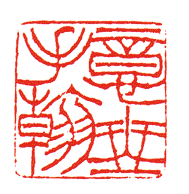
○ Seal Carving Practice Suggestions - Lesson 12: Stop Constant Self-Monitoring (Stop Measuring Your Fear)
This lesson uses seal carving training to help you shift your focus away from "continuous self-scanning" and learn to place your awareness on external, stable, and achievable tasks.
- Introduction to the characteristics of seal carving:
Seal carving requires the eyes to always follow the path of the knife, rather than repeatedly checking whether the hand is tense. This outward focus can reduce excessive introspection. - Written words:
Yiqin player Han
- Psychological Intention:
Repeatedly measuring fear only amplifies anxiety. Writing "No need to measure all the time" is an exercise in trusting your body and the process. - Knife skills:
Deliberately avoid frequent stops for inspection, and use continuous, steady cutting techniques to complete the entire line. - Emotional transformation:
The repetitive question of "Am I scared now?" should be transformed into a simple focus on "Was this cut accurate?"
🎨 Image Healing: Mandala, the Flower of Restoration
Draw a mandala with layers of petals unfolding, each layer representing a level of bodily recovery: rest → breathing → feeling → awareness. Write "I allow myself to rest" on the outer circle.
◉ Gaze at the mandala twice, feeling your body gradually relax.
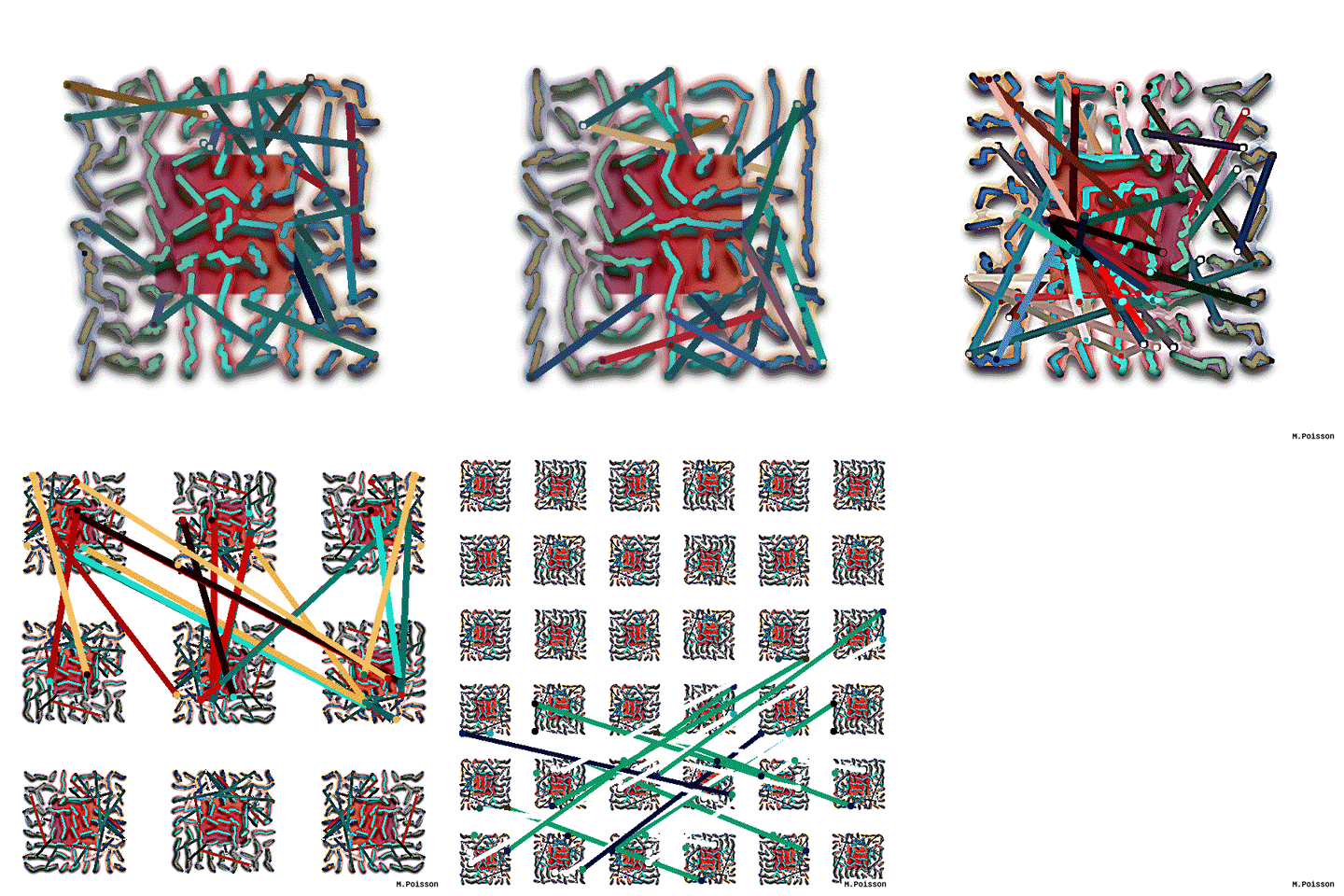
Lesson 12: Stop 24/7 Self-Monitoring
Objective: To help oneself identify the cycle of over-checking, such as "Am I nervous right now?" and shift attention from fear detection back to the present experience.
Steps: Draw a dashboard, with the pointer in the center representing your anxiety level. Depict the state you frequently check each day, then cross out part of the dashboard, symbolizing "giving up monitoring." Next, draw an open space outside the dashboard, such as the sky, a lake, or green leaves, representing returning your attention to your real-life feelings. Write down a reminder: "I don't need to constantly measure whether I'm calm."“
Please log in before submitting your drawings and feelings.
○ 12. Suggestions for Post-Anxiety Recovery Logs
① What type of fatigue have I been experiencing lately? Physical/emotional/mental/existential?
② Which signal reminds me that "it's time to rest"?
③ Am I afraid to rest because of guilt? Why?
④ Write down 3 recovery methods that I would like to have.
⑤ What is the smallest recovery exercise I can do for myself today?
⑥ Tomorrow's small steps: Soak your feet or sit quietly for 5 minutes before bed.
Please log in to use.
Recovery is not laziness, but rather a respect for the rhythm of life.
 EN
EN  ZH
ZH  ES
ES  FR
FR  JA
JA