

Lesson 72: The Body's Response Mechanisms to Social Anxiety
Duration:70 minutes
Topic Introduction:
When you're afraid of socializing, it's often not because you're "overthinking," but because your body has already activated its defenses.
Rapid heartbeat, bloating, chest tightness, sweaty palms, and a strained voice—
These are not your failures, but rather your body's perception that you are in danger.
This lesson will guide you to understand the physiological mechanisms behind social anxiety, and you will know that:
It's not that you're "not good enough," but that your body is overly alert.
Why does social anxiety manifest as a physical reaction?
- Amygdala overactivation:Misjudging "social" situations as potentially harmful triggers rapid alerts.
- Sympathetic nervous system is dominant:Heartbeat, breathing, and muscle tension are the instinctive reactions of "preparing to flee or fight".
- Past experiences are remembered by the body:Past experiences of being rejected, ignored, or embarrassed can leave a "conditioned reflex" in the body.
Lesson 72: The Body's Response Mechanism to Social Anxiety (Click to listen to the reading)
When you enter a social situation and your body starts reacting before you even have time to think, it's not a loss of control, but rather your body automatically executing an ancient and efficient protective program. Increased heart rate, shallow breathing, muscle tension, sweaty palms, and stomach contractions are not a matter of willpower, but rather the result of the autonomic nervous system rapidly activating upon sensing a potential threat. Physiologically, social anxiety activates the sympathetic nervous system, putting the body into a state of readiness to deal with potential rejection, conflict, or loss of status. The amygdala in the brain is responsible for rapidly scanning the environment; once it detects uncertain eye contact, evaluative cues, or unpredictable interpersonal interactions, it sends alarm signals to the body. At the same time, the rational judgment of the prefrontal cortex is temporarily suppressed, which is why you feel mentally blank, unable to speak, or struggle to make complex reactions. It's important to understand that the body doesn't know if you are truly in danger; it only reacts as quickly as possible based on past experiences and current cues. For some people, early experiences of humiliation, rejection, or neglect can cause the body to chronically label similar scenarios as high-risk, resulting in stronger and faster reactions. Social anxiety is not weakness, but rather the result of the nervous system overworking itself. The key to alleviating it is not fighting these reactions, but learning to cooperate with them. When you begin to notice your body's signals and send safety messages by slowing your breathing, relaxing your jaw, shoulders, and neck, or feeling your feet touching the ground, the parasympathetic nervous system has a chance to intervene and gradually slow down the system. Understanding your body's reaction mechanisms can help you stop blaming yourself because you are not failing, but being taken over by an old program. What you can do is gently update this program, allowing your body to slowly learn that the current social environment is not the same as the dangers of the past. Only when the body is no longer seen as an enemy or a source of fear will it gradually lose control.
▲ AI Interaction: How does your body usually signal "I'm afraid of socializing"?
Some people experience uncontrolled heartbeats, some have stomach discomfort, and some experience shallow breathing.
These reactions don't mean you're "weak," but rather that your body is trying too hard to protect you.
Tell the AI: What are the most frequent bodily signals you experience?
Let's find the most suitable stable strategy for you together.
When the body is bound by fear, music can gradually loosen these "unconscious grips".
Low-frequency melodies can slow your heart rate, allowing you to rediscover your own rhythm instead of being led by your body.
○ Eastern Healing Tea: Peppermint Chrysanthemum Tea
Recommended drinks:Peppermint Chrysanthemum Tea
Recommended reasons:Peppermint relaxes the respiratory tract, while chrysanthemum soothes tension in the head and face, which are the most common sources of discomfort in "body-related social anxiety".
practice:Brew mint and chrysanthemum in a 1:1 ratio, and it's ready to drink in 3 minutes. The refreshing taste helps relieve upper body stress.
○ Stable Dietary Therapy: Tremella and Red Date Heart-Nourishing Soup (ID72)
After social anxiety is triggered, the body often experiences internal heat, palpitations, and a feeling of exhaustion. The nourishing properties of white fungus can alleviate dryness and tension in the nervous system. Red dates gently nourish the heart and spleen, helping to stabilize emotions and rhythms. This heart-nourishing soup is suitable for consumption after highly stimulating social interactions, allowing the body to gradually return to a soft and safe state. It doesn't provide rapid calming but rather gentle repair, reminding the body to slowly lower its guard.
Nourish nerves
Restore rhythm
Open Recipe
◉ Stable Dietary Therapy: Tremella and Red Date Heart-Nourishing Soup (ID 72)
White fungus and red date heart-nourishing soup is a warm and soothing soup with a soft, gelatinous texture and a subtle sweet aroma. The white fungus releases a delicate viscosity after slow simmering, making the soup slightly thick but not heavy; the red dates gradually soften over low heat, their sweetness infusing the soup, resulting in a gentle and mellow flavor. It's perfect for days when you're emotionally fatigued, experiencing sleep disturbances, or feeling "a little weak but not wanting to eat anything greasy"—a warm, gentle, and slightly sweet soup can slowly calm your mind and body.
Nourishing Soup Soft sweetness Physical and mental health care
I. Recommended Dietary Therapy and Reasons
Recommended dishes:White fungus and red date heart-nourishing soup (ID 72)
Recommended reasons: The gelatinous texture developed by the long simmering of white fungus gives the soup a gentle, "enveloping" quality, while red dates provide aroma and a subtle sweetness, making the soup more palatable for those experiencing low mood or loss of appetite. Compared to heavily sweetened desserts, the sweetness of this soup is more like a comforting "just enough," neither irritating the taste buds nor burdening the body. It's suitable as an evening snack, a slow-cooked drink on a day off, or a daily soup during a recovery period that offers both psychological comfort and gentle nourishment.
2. Recipe and Method
Recipe (1–2 servings):
- 5–8 g of dried white fungus (soaked and root removed)
- 6–8 red dates (pitted or slit in).
- 800–1000 ml of clean water
- A few goji berries (optional)
- Rock sugar or a small amount of honey (optional, added later)
practice:
- Soak dried white fungus in water until it fully expands, cut off the hard core at the base, and tear it into small pieces for later use.
- Wash the red dates, remove the pits or make a small slit in each date to release their sweetness during stewing.
- Place the white fungus, red dates, and water into a pot, bring to a boil over high heat, then reduce to low heat and simmer gently.
- Simmer over low heat for about 40–60 minutes, allowing the white fungus to gradually release its gelatinous substance, and the soup to become slightly thicker and smoother.
- Add goji berries in the last 5–10 minutes and continue to simmer over low heat until the goji berries puff up slightly and turn a bright color.
- Add a small amount of rock sugar according to taste and stir until completely dissolved; if using honey, add it after the soup has cooled slightly.
- After turning off the heat, let it sit for a few minutes to allow the temperature to drop to a comfortable level before slowly drinking it to enjoy the smooth texture of the white fungus and the sweetness of the red dates.
3. Small rituals for body and mind
When soaking white fungus and washing red dates, you can deliberately slow down and treat it as a small ritual of "preparing a gentle meal for yourself" rather than a step in a rush to complete the task.
During the slow cooking process, there's no need to check your phone frequently. Just glance at the bubbling soup and the gradually softening white fungus in the pot occasionally, as if watching your day transition from tension to stability.
When you take your first sip of the white fungus and red date heart-nourishing soup, you can quietly say to yourself, "I am practicing taking good care of myself." Let this bowl of soup become a quiet and concrete connection between you and yourself.
4. Dietary Therapy Experience Record
- Record the time of drinking (afternoon, evening, before bed, etc.) and your current mood and physical state.
- Observe changes in comfort in the chest, throat, and stomach, as well as overall relaxation, within 20–40 minutes after drinking.
- When drinking it regularly for several consecutive days or during a specific conditioning period, you can record whether there are any subtle changes in your subjective feelings about sleep quality and mood fluctuations.
5. Tutorial Video (approximately 4–6 minutes)
◉ Video Title:White fungus and red date heart-nourishing soup – a bowl of soft, gelatinous soup that hides a sense of tranquility.
6. Precautions
- White fungus must be fully cooked before consumption to avoid gastrointestinal discomfort caused by undercooked food.
- For those who want to control their sugar intake, they can reduce or omit the addition of rock sugar and honey, retaining only the natural sweetness of the red dates.
- If you have special dietary restrictions or chronic diseases, it is recommended to adjust the frequency and amount of drinking under the guidance of a professional.
hint:This soup recipe is for daily dietary guidance and mental well-being, and does not replace any medical diagnosis or treatment. If you experience severe discomfort, please seek medical attention promptly and follow professional advice.
○ Modern Calligraphy · Lesson 72 Writing Exercises
In-depth analysis:
When faced with social anxiety, the body activates a "fight or flight" mechanism.
It can cause a rapid heartbeat, hand tremors, or muscle stiffness.
Attempting to forcibly suppress these physiological responses will only lead to more severe resistance and stagnation.
Modern calligraphy emphasizes the "rhythm" and "breathing" of lines.
It guides you to stop viewing bodily tremors as an enemy, and instead transform them into a unique texture on the pen tip.
Physical agitation is not a sign of being out of control, but rather undirected energy.
Writing Skills (Advanced Version):
- Exhale and descend:Take a deep breath while moving the pen downwards to relieve palpitations.
- Loosen your grip on the pen:It combats muscle tension as lightly as holding a feather.
- To tremble:If your hand shakes, draw a wavy line as you go; consider that a style.
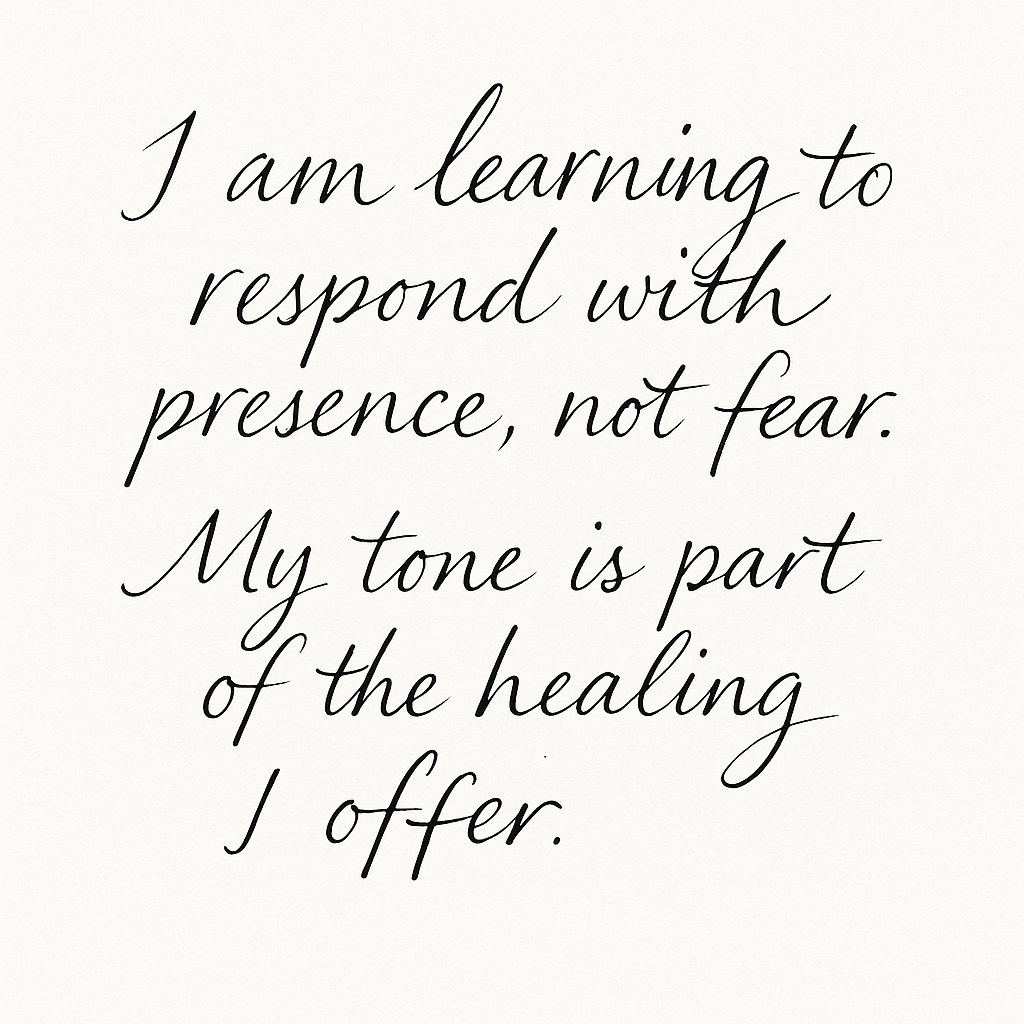
Image Healing: Mandala Stability Guidance 72
When social anxiety strikes, the body often feels like an overloaded machine: your heart pounds, your palms sweat, and your muscles tense. Don't fight this tremor. Look at the intricate, flowing lines inside the mandala, and imagine the discomfort as a high-voltage current. Allow this current to flow and release along the mandala's lines, rather than getting stuck inside your body. You are a large enough container to hold this physiological storm until it runs out of energy and naturally returns to calm.
Traditional mandalas typically feature a harmonious and intricately varied circular structure, symbolizing the wholeness of the universe and the cycle of life. By viewing mandala images, individuals can perceive inner peace and strength, achieving psychological balance.
◉ Gaze at the mandala twice, while taking deep breaths.

Lesson 72: "A Breathing Map to Soothe the Body"“
① Guiding drawing actions:The soft curves extend from the center of the image outwards, symbolizing "breathing and diffusion," allowing the body to gradually relax from a feeling of contraction.
② Guiding drawing actions:Choose two colors: dark color symbolizes tension, and light color symbolizes relaxation. Gradually cover the dark color with the light color to represent the body's process of going from tense to relaxed.
Please log in before submitting your drawings and feelings.
○ 72. "Body-related social anxiety" - Journaling guidance suggestions
① Where is the most noticeable tension in your body today? (Chest/Stomach/Shoulders and neck/Breathing)
② What happened at that time? Was it related to social events?
③ How long does the physical reaction last? Does it pass faster than expected?
④ What "body-soothing" actions did I do today?
⑤ Use a scale of 0–10 to assess your body's tension level today.
Please log in to use.
Your body isn't the enemy. It's just overreacting, and you're learning to bring it home.
 EN
EN  ZH
ZH  ES
ES  FR
FR  JA
JA