

Lesson 85: Continuous Exposure + Behavioral Reinforcement
Duration:70 minutes
Topic Introduction:
A single exposure can lead to a breakthrough, but what truly changes brain circuitry is "continuous exposure + behavioral reinforcement".
Every small approach leaves evidence in the nervous system that "this is not actually that dangerous";
The reinforcement after each success makes the brain more willing to repeat the choice of "approaching rather than avoiding".
This course will guide you in establishing a sustainable exposure training process, so that change is no longer accidental, but a force that can be accumulated.
○ Key mechanisms of sustained exposure
- Repetition = Relearning by the nervous system:Not just once, but multiple times, to make the brain truly believe in safety.
- Behavioral reinforcement makes it easier to solidify "progress":Give yourself a positive feedback every time you get close.
- Small, steady accumulations are the most effective:Smaller amplitude and higher frequency make it easier to sustain a breakout than a sharp, aggressive one.
Lesson 85: Continuous Exposure and Behavioral Reinforcement (Click to listen to the reading and view the content)
The real change only begins after you complete your first exposure exercise. Continuous exposure and behavioral reinforcement don't require you to constantly endure pain; rather, they allow your body to build new safe memories through repetition. Many people wonder why the fear returns after one or two exercises, wondering if the exercise was ineffective. It's important to understand that the nervous system's learning is gradual; old response patterns aren't erased by a single experience. They need repeated confirmation of new outcomes at different times and in different states. The significance of continuous exposure lies in providing the body with enough non-catastrophic experiences so that fear gradually loses its sole explanatory power. Psychologically, if exposure isn't accompanied by behavioral reinforcement, fear easily regains dominance during the intervals between exposures. Behavioral reinforcement isn't simply self-reward; it explicitly tells the brain which behaviors are worth retaining. When you choose to stay when fear arises instead of fleeing, and when you give yourself affirmation, rest, or gentle care after completing the exercise, the brain gradually connects approaching fear with a sense of security. Conversely, if you immediately negate yourself or over-reflect after exercise, the nervous system will remember tension instead of success. Continuous exposure doesn't pursue intensity but rather frequency and consistency. Even if you only progress a little each time, as long as the direction is stable, the body will gradually adapt. You can view each exercise as a data collection rather than an exam result. A higher level of fear today doesn't signify regression; it merely reflects the current state of resources. What truly matters is whether you maintain action and reinforce it afterward. As the body repeatedly experiences the positive feeling that "I did it, and it was okay," its dependence on fear gradually decreases. Sustained exposure combined with behavioral reinforcement creates a long-term collaborative relationship. You're not forcing yourself, but accompanying your body as it learns new possibilities. This process requires patience, not perfection.
▲ AI Interaction: Which "small approach" would you like to practice today?
Tell the AI the tiny exposure points you want to practice recently, and we'll break them down into 1% steps together.
You can also describe yesterday's practice to the AI and let the system help you find ways to improve.
Consistent practice combined with timely reinforcement will change your reaction pattern to fear.
During continuous exposure, the body will repeatedly tense up, relax, and tense up again.
Music can help you "self-regulate" before and after each practice session, preventing fatigue buildup.
Let the melody become a "reinforcement ritual" after each exposure.
○ Oriental Healing Tea - Osmanthus Oolong
Recommended drinks:Osmanthus Oolong
Recommended reasons:The fragrance of osmanthus helps to soothe nervous tension, while the mildness of oolong tea can alleviate mild fatigue after exposure.
practice:Quickly steep in 90℃ hot water for 20 seconds, then savor the second infusion as a reward after practice.
○ Stable Dietary Therapy: Sesame and Mushroom Warm Porridge (ID85)
During periods of continuous practice and repeated adjustments, the body needs nourishing and stable support. The gentle warmth of sesame helps replenish the energy depleted over a long period, while the soft texture of mushrooms provides a sense of stability and comfort. This warm porridge is suitable for consumption after practice or when feeling fatigued, helping the body transform effort into repair. It symbolizes the continuous nourishment given to oneself throughout the long process, rather than a one-time sprint.
Repair consumption
Mild support
Open Recipe
◉ Stable Dietary Therapy: Sesame and Mushroom Warming Porridge (ID 85)
Sesame and mushroom congee is a comforting everyday dish that leans towards a "quiet" approach. The soft rice grains, simmered over low heat, become slightly mushy, offering a delicate, enveloping texture. The subtle mushroom aroma of shiitake mushrooms intertwines with the nutty fragrance of sesame seeds in the steam, giving this congee both a comforting, homely feel and a gentle, caring warmth. It's especially suitable for times of poor appetite, stomach fatigue, cooler weather, or a slightly vulnerable mood, allowing a warm, soft, and non-irritating bowl of congee to slowly soothe the body, starting from the stomach.
Warm stomach porridge Light and comforting Shiitake mushroom and sesame flavor
I. Recommended Dietary Therapy and Reasons
Recommended dishes:Sesame and Mushroom Warming Porridge (ID 85)
Recommended reasons: Rice porridge is an easily digestible and gently comforting base, perfect for when your digestive system needs a rest. Shiitake mushrooms, with their subtle umami flavor, add a tranquil aroma to the porridge, while sesame seeds bring a delicate nutty fragrance and a touch of oil, making the porridge feel nourishing on top of its lightness. For those who are chronically stressed, have irregular meals, or are prone to stomach upset, this porridge can both lighten the load and provide gentle energy, making it an ideal dish for a "recovery day" or a "slower-down day."
2. Recipe and Method
Recipe (1–2 servings):
- 60–70 g of rice
- 3–4 dried shiitake mushrooms (or 2–3 fresh shiitake mushrooms)
- 700–800 ml of water (adjust the consistency to your liking)
- 1–1.5 teaspoons of toasted white sesame seeds (some can be used as a final garnish)
- 1 teaspoon of cooking oil or sesame oil (optional, but a small amount is recommended)
- Add a small amount of salt (add more as needed later).
- A little chopped green onion (optional, for garnish)
practice:
- Soak dried shiitake mushrooms in warm water until soft, squeeze out the water and cut into small cubes; if using fresh shiitake mushrooms, wash them and cut them into cubes as well.
- After washing the rice, soak it for 15–20 minutes to make the porridge stickier and softer.
- Add water and rice to a pot, bring to a boil over high heat, then reduce to low heat and simmer gently, stirring occasionally to prevent sticking.
- When the rice grains begin to bloom and the porridge becomes slightly thick, add diced shiitake mushrooms and half of the amount of toasted white sesame seeds, and continue to simmer over low heat for 10–15 minutes to allow the aroma to fully infuse the porridge.
- Adjust the amount of hot water according to the consistency of the porridge; when the rice grains are soft and the porridge is smooth, add a small amount of salt to taste. If needed, you can add a few drops of sesame oil or cooking oil to increase the smoothness.
- Pour into a bowl, sprinkle with the remaining toasted sesame seeds and a little chopped green onion (if using), and enjoy while it's still warm.
3. Small rituals for body and mind
When washing and rinsing rice, focus on the feel of the rice grains under your fingertips and the sound of the water, turning this preparation time into a brief "offline moment".
The process of cooking porridge is itself a ritual for practicing patience: watching the porridge slowly thicken from clear water, you can silently tell yourself, "Many things can be done slowly."“
When you pick up the bowl of porridge, don't rush to drink it. First, feel the warmth from the bottom of the bowl, then gently blow on it, as if you are telling your body, "Let's slow down before we continue walking."“
4. Dietary Therapy Experience Record
- Record the time of consumption (morning, noon, or evening) and the state of your stomach at that time (hunger, acid reflux, mild discomfort, etc.).
- Observe changes in stomach comfort, body warmth, and mental stability within 30–60 minutes after consumption.
- If you repeatedly choose this porridge during a period when your digestive system is prone to stress or tension, you can record its impact on sleep quality and overall relaxation.
5. Tutorial Video (approximately 4–6 minutes)
◉ Video Title:Sesame and Mushroom Warming Porridge: A bowl of porridge that soothes the stomach from the start.
6. Precautions
- For those who are sensitive to the taste of shiitake mushrooms, the amount used can be reduced appropriately, or the shiitake mushrooms can be chopped more finely to make them blend into the porridge more gently.
- If you want to control the amount of oil, you can omit the sesame oil and only retain the aroma of the sesame itself; you should also not eat too much sesame to avoid increasing the burden on your stomach and intestines.
- If you are experiencing acute stomach discomfort (significant pain, vomiting, severe acid reflux, etc.), you should prioritize following your doctor's advice and carefully choose the texture and seasoning of your food.
hint:This recipe is for daily dietary guidance and mental well-being, and does not replace any medical diagnosis or treatment. If you have chronic gastritis or other underlying medical conditions, please follow the individualized advice of a professional physician and nutritionist.
○ Modern Calligraphy · Lesson 85 Writing Practice Suggestions
The topic of this lesson:Continuous exposure + behavioral reinforcement – turning fear into boredom
In-depth analysis:
Often, we find fear unbearable because we run away before our anxiety reaches its peak.
The goal of continuous exposure is simply to stay there until the anxiety becomes old, flat, or even boring.
Basic exercises in modern calligraphy—“"Continuous Ovals"”This is a perfect replica of that mechanism.
At first, you might feel your hands getting sore, become impatient, and want to stop.
But as long as you persist in drawing circles without lifting the pen, you'll find your wrist gradually entering an autopilot mode. That tense sense of control disappears, replaced by a mechanical flow. This is "desensitization."
Writing Skills (Advanced Version):
- Infinity Loop:Practice drawing horizontal figure eights or continuous circles. Set a goal: never lift the pen before the ink runs out. Feel how that tension of being "forced to stop" gradually transforms into a "habit".
- Endure the boredom (Boredom is Good):Write the same word 20 times. The first time is fear, the tenth time is numbness, and the twentieth time is control. When writing becomes tedious, congratulations, your amygdala (fear center) is yawning.
- Pressure Release:After prolonged periods of intense writing, learn to press down firmly on the downward strokes and completely relax on the upward strokes. Actively adjust muscle tension during writing, telling your body, "I can still breathe under this pressure."“
- The Reward Flourish:After you finish writing a line, allow yourself to draw a huge, exaggerated decorative line at the end. This is a reward for "persevering" (behavioral reinforcement). Visualize your sense of accomplishment with this beautiful period.
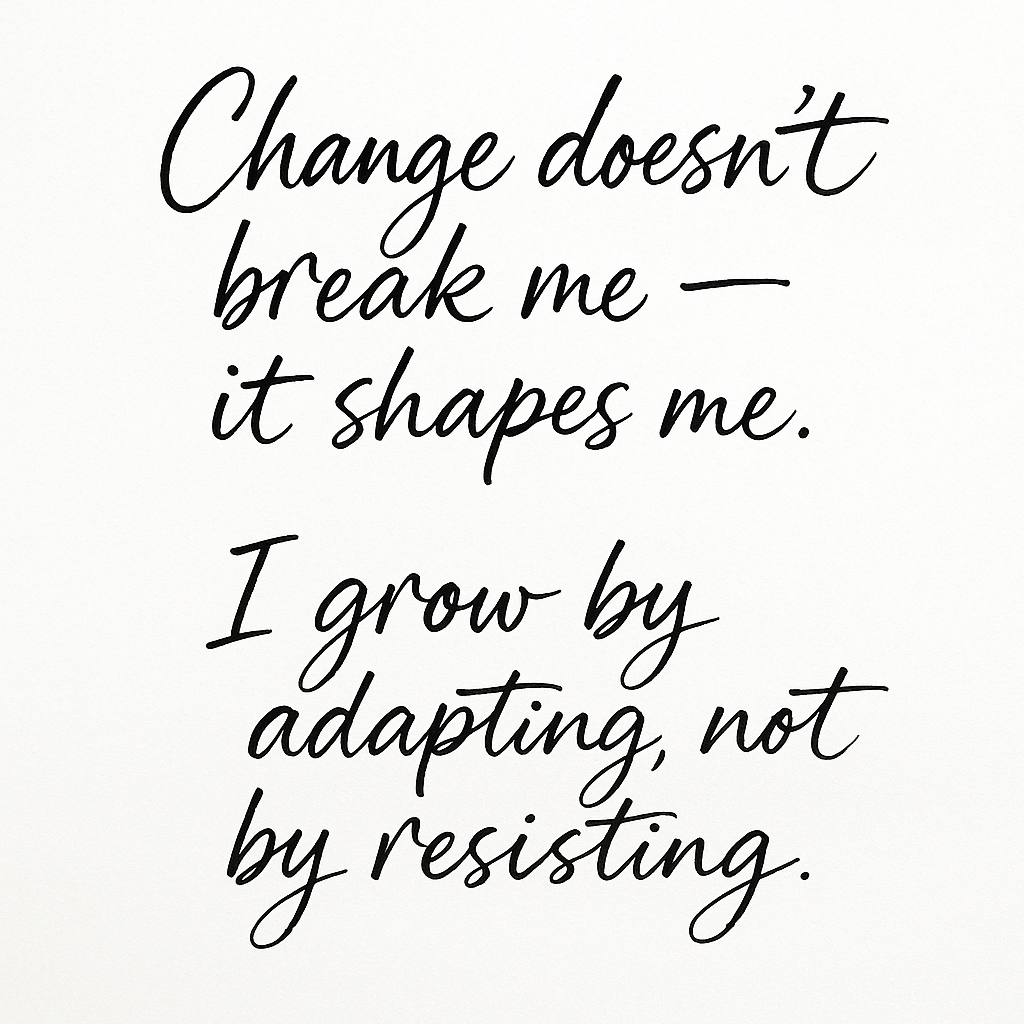
Image Healing: Mandala Stability Guidance 85
This lesson's mandala resembles ripples spreading across water, or concentric circles. Choose a line, fix your gaze on it, and circle around it. On the first circle, you might feel dizzy or anxious (an anxiety period). Don't look away; continue circling a second and a third time. You'll find that the same pattern loses its startling effect after a few repetitions, becoming rather mundane. Enjoy this "mundane" feeling, watching the waves slowly subside until you feel as calm as looking at a blank sheet of paper.
Traditional mandalas typically feature a harmonious and intricately varied circular structure, symbolizing the wholeness of the universe and the cycle of life. By viewing mandala images, individuals can perceive inner peace and strength, achieving psychological balance.
◉ Gaze at the mandala twice, while taking deep breaths.

Lesson 85: A Solid Track for Continuous Practice“
① Guiding drawing actions:Draw a repeating arc that extends outwards from the center, with each arc spaced at the same interval, symbolizing a continuous approach.
② Guiding drawing actions:Adding soft color bands next to the curves represents "positive reinforcement" with each approach, giving the image a warm, cumulative feel.
Please log in before submitting your drawings and feelings.
○ 85. Continuous Exposure & Log-Guided Recommendations
① Which "continuous exposure" activity did I complete today? What was the context? What was the difficulty level (0–10)?
② After completing the exercise, what methods do I use to reinforce myself? (Praise, rest, have tea, etc.)
③ Compared to the first time, has my level of nervousness changed? What clues has my body given me?
④ What will be the next "sustainable approach"? How far am I willing to move forward?
Please log in to use.
Change is not a sprint, but a series of small, repetitive steps.
Every step closer is worth celebrating, and every reinforcement builds a more solid path for you.