

Lesson 127: The Body's Cyclic and Breathing Feedback of Fear
Duration:70 minutes
Topic Introduction:
Fear does not begin in the "thought," but in the body.
A moment of tension, a rapid breath, a sudden acceleration of the heartbeat...
The brain can misinterpret subtle changes in the body as "danger is happening," thus amplifying fear and reinforcing the cycle.
This lesson will guide you through understanding the physiological circuitry of fear and why "breathing feedback" is the key entry point to break the cycle.
How does fear create a cycle within the body? (Core Knowledge)
- Step 1: Subtle bodily signals:A racing heart, tension, and difficulty breathing are immediately interpreted by the brain as "danger."
- Step 2: Amygdala amplification false alarms:The threat system is activated, and the sympathetic nervous system begins to output a large amount of responses.
- Step 3: Hyperventilation and ImbalanceIncreased breathing rate and decreased carbon dioxide levels can cause dizziness, numbness, and a feeling of suffocation.
- Step 4: Physical symptoms, in turn, exacerbate the fear:This is the core of the fear cycle—"feeling → misunderstanding → stronger feeling".
Lesson 127: Fear's Bodily Cycle and Breathing Feedback (Click to listen to the reading and view the content)
Fear isn't just a mental experience; it quickly forms a self-reinforcing cycle in the body, and breathing is one of the most crucial feedback channels in this cycle. When the brain perceives a threat, whether real danger or internal discomfort, it activates the sympathetic nervous system, causing breathing to become rapid and shallow, and the chest to tighten. This breathing pattern alters the body's carbon dioxide and oxygen balance, triggering dizziness, palpitations, tingling sensations, and a sense of unreality. These sensations are then interpreted by the brain as escalating danger, further intensifying the fear, pushing breathing back to a faster and shallower pattern, forming a typical fear-induced cycle. Many people unconsciously inhale forcefully during an attack, trying to get more air, but this often worsens the discomfort because the problem isn't oxygen deficiency but rather the disruption of the breathing rhythm. When exhalation is insufficient and the body's carbon dioxide level remains low, the nervous system enters a state of high alert. Understanding this mechanism is the first step to breaking the cycle. Breathing is not a tool for forcibly controlling fear, but a way to send safety signals to the body. When you consciously lengthen your exhalation, for example, inhaling for four counts and exhaling for six counts, you can directly stimulate the parasympathetic nervous system, helping to lower the heart rate and relax the muscles. It's important that this adjustment be gentle and continuous, not rushed. The fear-driven bodily cycle is stubborn because it operates simultaneously on multiple levels: sensation triggers interpretation, interpretation amplifies sensation, and breathing amplifies the signals. To truly loosen this cycle, change needs to be introduced at any stage, and breathing is one of the most accessible entry points. Another key point is to stop over-monitoring your breathing. Many people constantly check their breathing during practice, and this monitoring itself creates tension. A more effective approach is to let breathing become a background rhythm, not the focus. When you allow your breathing to fluctuate naturally, gently guiding it only when needed, the system returns to balance more easily. It's important to understand that the fear-driven bodily cycle isn't a mistake, but rather an overprotective mechanism. When you provide it with safe feedback through your breathing, the cycle gradually slows down. Every time you're not driven out of control by your breathing during a moment of fear, your brain learns a new lesson: you can maintain connection through your body's reactions. As this experience accumulates, fear's control over the body weakens.
▲ AI Interaction: Where does your body usually start to tense up?
Was it in the chest? The throat? Or did the breathing suddenly become shallow?
Fear can begin with a small action, but it can also be stopped with a small action.
We can work together to find the "entry point" in your body.
The breakthrough in the cycle of fear is allowing the body to regain its rhythm.
Choose low-frequency, slow-paced, and gradual music to unconsciously slow down your breathing and relax your whole body.
○ Eastern Healing Tea: Monk Fruit and Osmanthus Tea
Recommended reasons:It has a sweet and mild flavor that can relieve the discomfort caused by throat constriction and shallow breathing.
practice:Lightly crush the monk fruit, add a small amount of osmanthus flowers and hot water, let it sit for 3 minutes, and let the sweet aroma help make breathing smoother.
○ Stable Dietary Therapy - Ginger, Jujube, and Brown Sugar Soothing Drink (ID127)
During the phase of understanding the body's fear cycle and practicing breath feedback, the body needs nourishment that can quickly bring warmth and a sense of security. The warmth of ginger helps dispel the internal chill caused by tension, while the sweetness of dates and brown sugar provides soothing and energizing support to the nervous system. This soothing drink is suitable to drink after breathing exercises or when the body feels cold and empty, allowing warmth to slowly spread from within and help the body confirm that the danger has passed. It symbolizes that when breathing slows down, the body can also return to a state of being cared for.
Alleviating body fear
Warm soothing
Open Recipe
◉ Warming and Soothing Drink: Ginger, Jujube, and Brown Sugar (ID 127)
Ginger, jujube, and brown sugar soothing drink is a warming beverage with a noticeable warming effect, suitable as a comforting drink when you're feeling relaxed or physically and mentally exhausted. The pungent warmth of ginger can promote blood circulation, the natural sweetness of jujubes brings a mellow flavor, and brown sugar makes the overall taste richer and more reassuring. Unlike stimulating hot drinks, this soothing drink is a "slow-warming" type, perfect as a small ritual to start the day, relax at night, or when you're tired or your mind is wandering.
Warm the body and dispel cold Soothe emotions Light sweet and gentle
I. Recommended Dietary Therapy and Reasons
Recommended dishes:Ginger, Jujube, and Brown Sugar Soothing Drink (ID 57)
Recommended reasons: The warming properties of ginger help the body warm up faster, improving coldness and poor circulation; red dates are rich in sweetness and moisturizing properties, while brown sugar has a gentle caramel aroma, giving the whole drink a "coated" feel. It's suitable for those with cold hands and feet, feeling chilled, experiencing mental tension, or looking for a brief respite from the day. It's also a very soothing drink for those experiencing mood swings before and after menstruation.
2. Recipe and Method
Recipe (1 serving):
- 6–10 g of ginger (about 3–5 slices, adjust according to spiciness tolerance)
- 3-4 red dates (pitted for better taste)
- Brown sugar 8–12 g (adjust according to sweetness)
- 300–350 ml of clean water
practice:
- Wash and slice the ginger; wash the red dates and cut them open with scissors or remove the pits to help release their flavor.
- Add water, ginger slices, and red dates to a small pot and bring to a boil over high heat.
- Simmer over medium-low heat for 8–12 minutes to allow the flavors of ginger and red dates to fully meld.
- After turning off the heat, add brown sugar and stir gently until completely dissolved.
- Strain (if necessary), then pour into a glass and drink.
- If you want it warmer, you can cover the cup and let it steep for 2–3 minutes before drinking.
3. Small rituals for body and mind
When brewing ginger and jujube drink, you can pay attention to the steam in the pot and imagine your body gradually being enveloped in warmth.
The moment you pick up the cup, feel the warmth of the cup's surface and silently say, "I'm willing to let my emotions slowly relax."“
When you take your first bite, focus your attention on the coldest or tightest part of your body and imagine a warm current gently flowing towards it.
4. Dietary Therapy Experience Record
- Record the time of drinking (morning, afternoon, night, etc.) and your physical and mental state at the time.
- Observe the speed at which the body warms up after drinking, the degree of mental relaxation, and changes in mood.
- If consumed regularly, the effects on sleep, circulation, and cold hands and feet can be recorded.
5. Tutorial Video (approximately 2–4 minutes)
◉ Video Title:Ginger, Jujube, and Brown Sugar Soothing Drink: Warmly Resets the Day
6. Precautions
- Ginger is pungent and warm. Those who cannot tolerate spiciness can reduce the amount used or extend the cooking time to make the spiciness milder.
- While brown sugar has a calming effect, it should not be consumed in excess, especially by people managing their blood sugar.
- People with gastritis or sensitive stomach acid should assess their tolerance before drinking on an empty stomach.
hint:This soothing drink is for daily conditioning purposes and does not replace professional medical advice.
○ Suggestions for Modern Calligraphy Writing Practice
The topic of this lesson:Breathing as Ink – Breaking the Cycle of Suffocation and Panic
In-depth analysis:
The physiological cycle of fear begins with breathing: when we are afraid, we unconsciously hold our breath or take shallow chest breaths, which leads to changes in blood oxygen levels and exacerbates anxiety. While the brain has limited direct control over the heartbeat, it can control breathing. Modern calligraphy is the only art form that "visualizes breathing." If your ink is broken or intermittent, it means your breath is interrupted. We use downstrokes to force a long exhale. Physiologically, prolonged exhalation activates the parasympathetic nervous system. We turn writing into a "visual respiration machine," watching the ink flow out is like watching waste gas expel.
Writing Techniques (Physiological Adjustment Version):
- Exhale to Land:Fear makes you feel suspended in mid-air. Practice writing long, downward lines (like the tails of the letters j, g, and y). Throughout the entire process of the pen tip touching the paper and dragging it downwards, slightly open your mouth and make a soft "whoosh" sound. Only stop exhaling when the pen tip leaves the paper. Let each stroke be a complete physiological release.
- Inhale the Loop:The upward-pointing thin circular lines (such as the tops of l, h, k) are the windows for inhalation. The hand movements should be light, lifting the pen upwards as if inhaling air. Don't rush; give your lungs time to fill. If you rush here, it means you are experiencing oxygen deficiency.
- The Summit Pause:At the very moment a stroke reaches its highest point and prepares to turn downwards (e.g., the arched top of the character 'n'), deliberately pause for 0.5 seconds. Physiologically, this is a "breathing point." During a panic attack, people tend to rush through the rhythm, and this tiny pause can break the vicious cycle of "hyperventilation."
- Check the color:Observe the edges of your line. If the edges are rough and jittery, don't blame your hand; check if your diaphragm is spasming. Stop, take a deep breath, and then redraw the line. When the line becomes smooth, your body is back to normal. This is the most intuitive biofeedback.
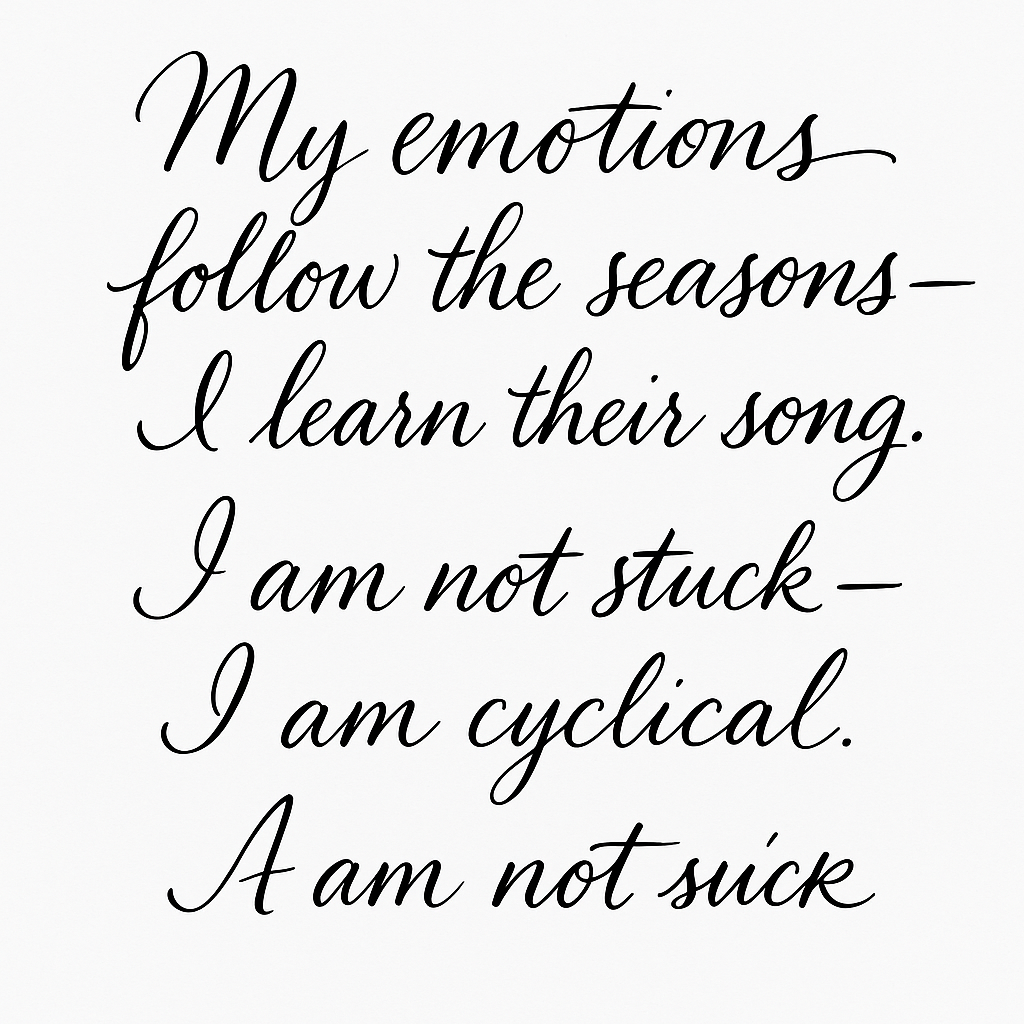
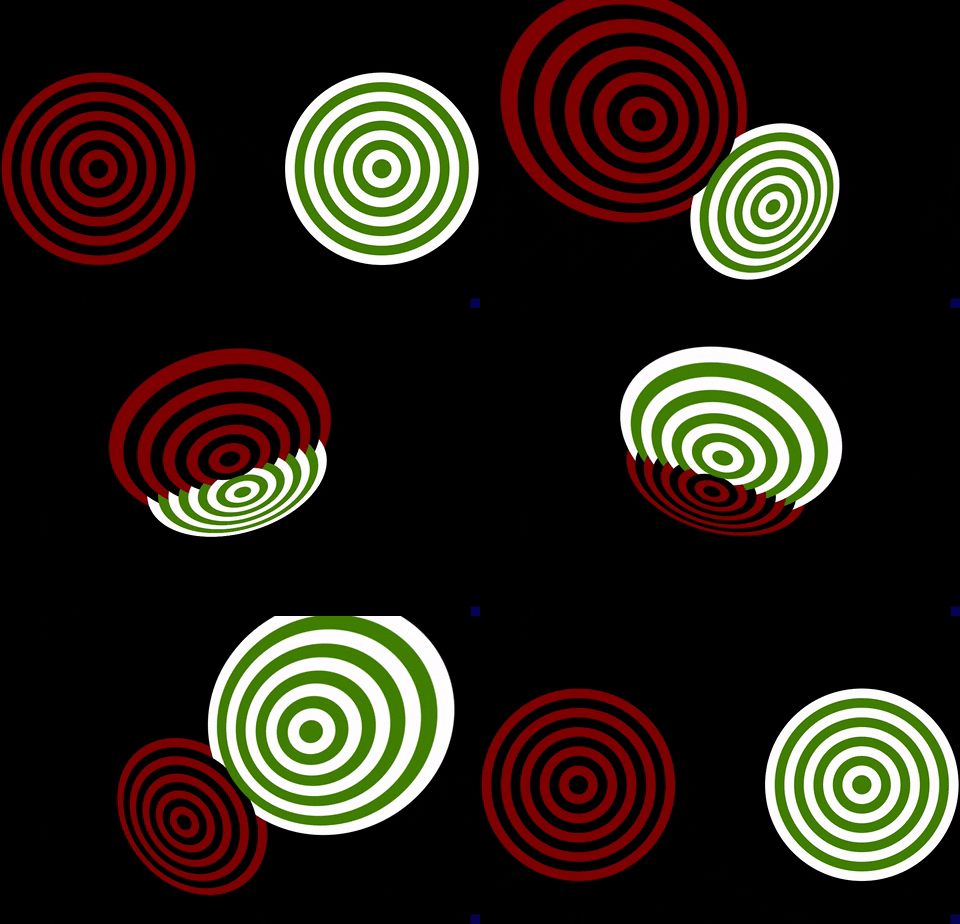
Image Healing: Mandala Stability Guidance 127
Looking at this mandala, doesn't it resemble a breathing lung, or a bellows opening and closing? The center is the source of air; each outward expansion is a deep inhalation, and each inward contraction is a complete exhalation. When you feel chest tightness or shortness of breath, don't struggle; align your breathing rhythm with the visual rhythm of this pattern. As the patterns unfold layer by layer, imagine your chest gently opening as well, air flowing freely in and out without any obstruction. Fear cannot condense in the flowing air.
Traditional mandalas typically feature a harmonious and intricately varied circular structure, symbolizing the wholeness of the universe and the cycle of life. By viewing mandala images, individuals can perceive inner peace and strength, achieving psychological balance.
◉ Gaze at the mandala twice, while taking deep breaths.
Lesson 127: The Fear Cycle and Breathing Feedback - Guided Drawing
① Action guidance:Draw a curve from tension to relaxation, symbolizing the transition of breathing from rapid to gentle.
② Action guidance:Add subtle ripples next to the curves to represent the fluctuations in bodily reactions without them getting out of control.
③ Action guidance:Add a solid bottom line at the bottom of the image to represent "I can find a stable point in my body".
Please log in before submitting your drawings and feelings.
○ 127. Breathing Feedback & Log Guidance Suggestions
① Which physical sensation today is most likely to make me mistakenly think "danger is coming"?
② Can I distinguish between "strong physical reaction" and "not dangerous"?
③ Which breathing rhythm helps me regain my balance the most? Why?
④ When fear arises again, from which physical point of contact am I willing to begin making adjustments?
Please log in to use.
Fear originates in the body, but recovery can also begin in the body. Breathing is not about fighting fear, but rather the key to breaking the cycle.