

Lesson 160: Review and Prevention Planning
Duration:90 minutes
Topic Introduction:Healing is not a linear process, but a cycle. Anxiety may recur, but this does not mean you have failed. This course helps you review the results of previous practice sessions, identify signs of relapse, and develop your own "prevention and coping plan" to make the healing process more stable and lasting.
○ Common patterns of anxiety relapse
- 1. Physical level:Insufficient sleep, disordered eating, or overwork can reduce the tolerance of the nervous system.
- 2. Emotional level:Suppressing or ignoring unpleasant emotions for a long time can easily cause anxiety to resurface.
- 3. Cognitive level:Falling back into the old mindset of "I can't do it again" will amplify the impact of anxiety.
○ Five key points for developing a personal prevention plan
- 1. Identify early warning signs:Symptoms include shallow sleep, rapid breathing, and difficulty concentrating.
- 2. Daily stress reduction:Set aside at least two relaxation periods per week (music, walks, art).
- 3. Supporting Resources:List three friends or professionals you can turn to or confide in.
- 4. Body regulation:Static breathing exercises or stretching can help the body return to a homeostatic state.
- 5. Self-soothing phrases:Prepare a short phrase that can quickly stabilize your emotions, such as "I've done it before, and I can do it again."“
Lesson 160: Review and Prevention Planning, Click to listen to the reading, View content
When you reach the later stages of recovery, the truly crucial step is to stop and review the path you've taken, and develop a sustainable prevention plan for the future. Reviewing isn't about repeatedly checking if you'll get sick again, but about organizing your experiences and identifying which factors truly supported your stability. Many people overlook this stage, mistakenly believing that as long as symptoms subside, it can be "naturally maintained." However, recovery without a clear structure often becomes vulnerable when life's pressures accumulate. The first layer of review is recognizing your personal warning signs. Everyone experiences subtle changes before their condition declines, such as sleep disturbances, faster thinking, physical tension, or decreased tolerance to external stimuli. These signals aren't danger itself, but rather reminders that you need to adjust your pace. The second layer of review is identifying truly effective coping mechanisms. Which practices helped you stay stable? Which attempts were merely temporary distractions without providing long-term help? Distinguishing these experiences can prevent blindly adding to the stress. The core of a prevention plan isn't adding more tasks, but rather clearly defining "when to stop, reduce, and shift towards support." You need to set several key milestones for yourself, such as what actions to take when experiencing continuous sleep impairment, a combination of stressful events, or significant emotional contraction. These actions could include reducing stimulation, restoring a basic routine, reusing familiar psychological tools, or proactively seeking support. A prevention plan also needs a sense of reality; it's not a perfect checklist, but an adjustable path. Allowing the plan to be modified is itself part of stability. People who have experienced panic disorder often possess strong self-awareness; what they truly need is to transform this awareness into structure, not anxiety. When you know how to review, how to adjust in advance, and how to pull back on track when things go astray, recovery no longer depends on luck. Prevention isn't about preventing all fluctuations, but about ensuring that when fluctuations occur, you still have a way forward.
▲ AI Interaction: Review and Prevention Planning
Try to recall: what was the last time you felt particularly uneasy or out of control, and what were the circumstances?
What changes did your body undergo at that time? What was the first thought that flashed through your mind? And how did you manage to get through it?
These experiences are not "proof of failure," but rather the most important clues when developing a prevention plan.
You can tell me about those key experiences, and we can organize them together: What are the early warning signs? What are some effective little tricks you've already used? Then, we can gradually turn them into your "personal prevention checklist".
○ Audio - Steady-state regression exercise
Play the audio track and practice shifting your attention from anxieties about the future back to the present moment:
- Close your eyes and feel the soles of your feet making contact with the ground.
- Say "I am here" when you inhale, and say "I am safe" when you exhale.
- Imagine your body as a tree, with roots deep in the ground, so that it won't fall when the wind blows.
○ Eastern Tea Therapy: Tangerine Peel and Poria Cocos Qi-Regulating Tea
Recommended reasons:Dried tangerine peel regulates qi and harmonizes the middle jiao, while poria cocos strengthens the spleen and calms the mind, which can relieve anxiety, chest tightness, and excessive thinking during the relapse period.
practice:Steep 2 grams of dried tangerine peel, 3 grams of poria cocos, and 5 goji berries in hot water for 10 minutes, then sip slowly to let the temperature remind your body to relax.
○ Soothing and Nourishing Oatmeal Bowl (ID160)
During the review and prevention planning phase, the body needs stable, consistent, and non-burdensome nourishment. Soft-cooked oatmeal provides gentle and sustained energy, helping the nervous system maintain a steady rhythm. This comfort bowl is suitable for consumption during routine maintenance, symbolizing long-term care rather than short-term emergency care.
Open Recipe
◉ Mediterranean Diet Therapy: Gently Cooked Oatmeal Bowl
The Slow-Cooked Oatmeal Bowl is a light meal that combines a smooth texture, slow-release energy, and gentle nourishment. Oatmeal is rich in soluble dietary fiber, which helps stabilize blood sugar and slows down energy release. Slow-cooked with warm water, milk, or soy milk, it becomes soft and easily absorbed, making it perfect for mornings, getting ready before work, or when appetite is low or digestion is slow due to stress. This bowl is gentle and non-irritating, a small, nourishing meal that is easy for both body and mind to enjoy.
Slow-release energy Regulate the spleen and stomach Stabilize blood sugar
I. Recommended Dietary Therapy and Reasons
Recommended dishes:Soft-cooked oatmeal bowl (ID 22)
Recommended reasons:The beta-glucan in oats helps maintain stable blood sugar levels, reducing mood swings and fatigue caused by rapid blood sugar fluctuations. The gentle cooking method makes it easier to absorb, making it suitable for consumption in the morning, before studying or working, or during recovery. It is also especially beneficial for those with weak digestive systems.
2. Recipe and Method
Recipe (1–2 servings):
- Plain oatmeal, 40–50 g (can be eaten immediately or compressed into tablets).
- 250–300 ml of water or milk/soy milk
- A small amount of honey or chopped red dates (optional, depending on taste)
- A small amount of banana chips, blueberries, or nuts (optional toppings)
- A pinch of cinnamon powder or a few goji berries (optional)
practice:
- Add water or milk to a pot and heat over medium-low heat.
- After adding the oatmeal, stir gently to prevent it from sticking to the bottom.
- Simmer over low heat for 5–8 minutes, or until the oats are soft and the broth has thickened.
- After turning off the heat, you can add a small amount of honey for flavor, or sprinkle with cinnamon powder to enhance the aroma.
- If you prefer a smoother texture, continue cooking until it is partially melted; if you prefer a grainy texture, you can shorten the cooking time accordingly.
- Served in a bowl, it can be garnished with bananas, blueberries, or nuts for added nutrition.
3. Small rituals for body and mind
When cooking oatmeal, keep the heat at a steady low simmer. The gentle sloshing of the water has a calming effect. Use these few minutes to draw your attention back to your body.
When tasting, take each bite at the most natural pace and observe the temperature changes from your mouth to your stomach, reminding yourself: "The energy is slowly entering my body, there's no need to rush."“
After finishing your meal, give yourself 45–60 seconds to sit quietly and feel the feeling of fullness steadily rising. This is a small ritual to help your brain enter a more stable state.
4. Dietary Therapy Experience Record
- Record the time of consumption (morning/afternoon) and your current energy level.
- Observe the level of focus and energy duration 1–2 hours after consumption.
- If you use a soft-cooked oat bowl for breakfast for several consecutive days, you can record changes in mood fluctuations, stomach comfort, and sleep patterns.
V. Instructional Videos (approximately 3–5 minutes)
◉ Video Title:Gentle Oatmeal Bowl: A Warm and Energetic Way to Start Your Morning
6. Precautions
- If you need to control your blood sugar, please reduce the amount of honey and fruit added, or choose unsweetened soy milk as the cooking liquid.
- Those who are lactose intolerant can use soy milk or boiled water instead.
- For those with weak stomachs, cook the food as soft and easy to digest as possible.
hint:This recipe is for daily health maintenance reference. If you experience persistent stomach discomfort, significant fatigue, or abnormal blood sugar, please consult your doctor before adjusting your diet.
○ Chinese Calligraphy: Suggestions for Practicing Running Script - Lesson 160
Written words:
Qing'an Shun Tunnel
In-depth analysis:
“"Qing An Shun Sui" emphasizes the smooth flow of the road itself and its inherent clarity. The fluidity of the running script symbolizes that the prevention plan is not a rigid rule, but a structure that moves with the flow. When there is inner peace and tranquility, the path forward naturally becomes apparent.
Writing Skills (Advanced Version):
- Start with a calm and composed hand:Avoid haste; it symbolizes clear judgment.
- Qi circulation:Maintain overall coherence.
- Balanced letter spacing:It's neither crowded nor loose.
- A smooth conclusion:Do not deliberately pursue strength.
- Periodic writing practice:As a ritual of review and confirmation.
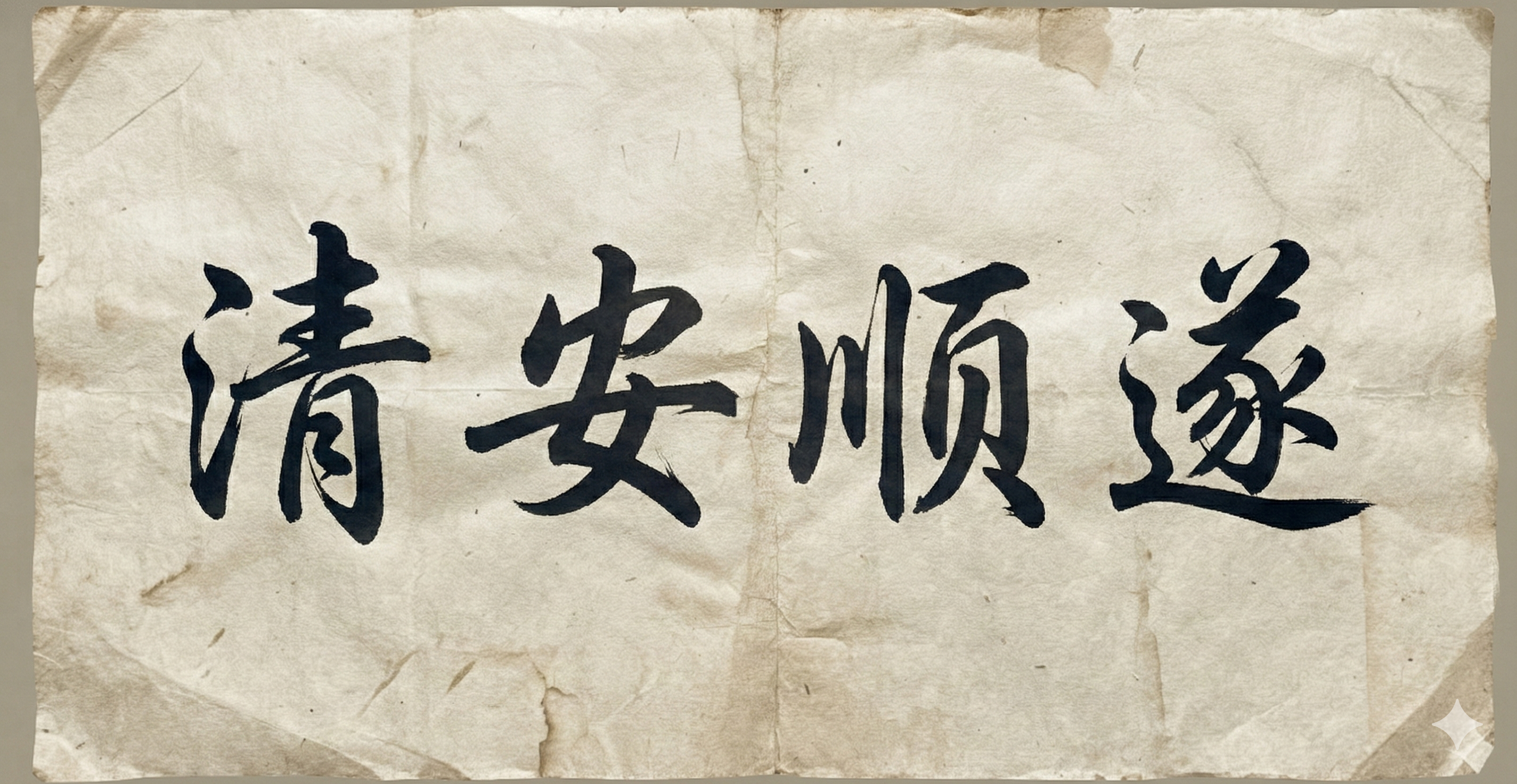
Image Healing: Guided Mandala Viewing - Lesson 160
Please select a mandala with a clear structure and obvious path.
First, observe the whole picture to get a feel for its order and flow.
Then slowly move your gaze along the lines of the graphic.
A mandala is not about drawing something, but about observing. When you see the path, your inner self will naturally know how to proceed.
The theme of this mandala is "Clear Path," symbolizing the integration of review and prevention.
◉ One gaze is sufficient; no need to repeat.

Lesson 24: Review and Prevention Planning
Objective: To summarize the growth during the healing phase through drawing and to visualize the "prevention plan" as a stable image.
Steps: Draw a circle on a piece of paper, dividing it into four quadrants: Body, Emotions, Cognition, and Relationships. Write down one action in each quadrant that helps you maintain balance, such as "Go to bed early," "Breathe," "Reflect," or "Talk it out." Finally, write in the center: "I can remain stable amidst fluctuations."“
Please log in before submitting your drawings and feelings.
○ 24. Review and Prevention Log Guidance Suggestions
① Which exercise was the most effective in the past?
② What are the early signs of anxiety relapse that I can identify?
③ What resources do I have that can help me restore balance?
④ How do I hope I will respond when anxiety recurs?
⑤ Write down three sentences that can comfort yourself.
⑥ Tomorrow's small steps: Start implementing my first "self-care" plan.
Please log in to use.
The key to healing is not to never waver, but to gently return to the center after each wavering.