

Lesson 243: Establishing a "Psychological Safety Barrier Before Speaking"
Duration:70 minutes
Topic Introduction:Some people don't want to speak, but rather experience strong internal judgment, shame, or fear before even opening their mouths. This lesson will guide you in designing your own "psychological safety belt" to stabilize your emotions, build a sense of security, and make your expression controlled and gentle.
○ The psychological process of "speaking anxiety"
- Anticipatory fear:Before speaking, quickly simulate scenarios of failure, embarrassment, and rejection in your mind.
- Physiological freezing:Physiological reactions include increased heartbeat, tightness in the throat, and hot face.
- Psychological detachment:My mind went blank, as if I had been "kicked out of the scene" by myself.
Lesson 243: Establishing a Psychological Safety Barrier Before Speaking; Click to listen to the reading; View the content.
Before they even need to speak, many anxious individuals experience a sudden, hijacking effect on their bodies: their throat tightens, their thoughts go blank, and their heart races. Fear precedes the words. Establishing a psychological safety net before speaking isn't about perfect speech, but about ensuring the nervous system is comfortable with the moment before expression begins. The first step is identifying trigger points, noticing the earliest signs of bodily changes, such as raised shoulders, shallow breathing, or shifting gaze. The second key is setting a consistent initiation ritual: performing a short, steady action before speaking, such as pressing your feet to the ground, exhaling slowly, or lightly touching a table to establish a sense of boundaries. The third stage is lowering the expression goal; don't demand complete fluency, allow only a single word or short phrase, shifting the standard of success from performance to initiation. The fourth point is internal permission: tell yourself, "I can go slower, I can pause; this isn't failure, it's adjustment." The fifth stage is situational grading: practice first in safe environments with low-assessment settings, then gradually expand to more challenging situations. The sixth key is reviewing successful experiences: record and reinforce each successful initiation. Learning to speak doesn't equate to danger. It's crucial to understand that a psychological safety net isn't about avoidance, but about support, allowing expression to shift from being forced to a choice. When your body is soothed before you speak, your language will gradually regain its flexibility, and you will feel more control and respect in your expression.
▲ AI interaction: Do you need a “protective layer before opening”?
A "psychological safety belt" is an inner preparation.
Before you speak, say an encouraging word to yourself or take a deep breath.
You can imagine a guardian voice around you: "It's okay, you are safe."
This sense of security will help you slowly loosen the shackles of tension.
Click the button below to design your "psychological buffer structure" with AI and gradually establish a stable ritual before expressing yourself.
○ Establish a “psychological safety belt before speaking” · Music guidance
Starting sequence: sit still—breathe in four beats—sing a ten-second safety song—a word of encouragement, and then try to speak.
Write the sentences you want to say on cards and read them softly along with the beat, just like practicing rhythm.
If you get stuck, press the "pause button": continue after you hear the chorus, without forcing yourself.
The purpose of seat belts is to make starting gentler and more controllable.
○ Herbal Tea· Licorice Ginger Tea
Recommended drinks:Licorice Ginger Tea
Recommended reasons:It warms the stomach, relieves urgency, soothes anxiety, and helps alleviate the cold and tight feeling before speaking.
practice:Boil 3g of licorice and 3 slices of ginger in water for 10 minutes and drink it warm.
○ Stable Dietary Therapy - Carrot Peas Spiced Rice (ID243)
During the initial stages of practicing expression and establishing a psychological safety net, the body needs gentle and rhythmic nourishment. The carrot, green bean, and spiced rice, with its distinct yet not overly stimulating flavors, symbolizes the structure and buffering within expression. It's suitable to eat after an expression practice session to help the mind and body return to stability.
Psychological safety
Rhythm support
Open Recipe
◉ Indian Ayurvedic Dietary Therapy: Carrot, Pea, and Spiced Rice (ID 243)
This dish, known as "Gajar Matar Pulao," is a common sight on Indian family tables. Ayurveda believes that carrots, with their sweet and warming properties, can strengthen the digestive system and nourish the blood; peas provide plant-based protein. Combined with warming spices such as cinnamon and cloves, it not only promotes nutrient absorption but also enhances the body's agni (energy fire), allowing the body to quickly warm up when cold or tired.
Replenishing Qi and nourishing blood Strengthen the spleen and warm the stomach Color Therapy
I. Recommended Dietary Therapy and Reasons
Recommended dishes:Carrot & Peas Pulao: A Heartwarming Treat
Recommended reasons:
1. The stabilizing power of the root system:Carrots are root vegetables that grow underground and absorb energy from the earth. For people who are prone to palpitations, anxiety, or feeling "ungrounded," eating root vegetables can have an excellent "grounding" effect.
2. Gentle blood replenishment:Carrots are rich in beta-carotene, and both Traditional Chinese Medicine and Ayurveda believe they have blood-nourishing and vision-improving effects. When combined with ghee, they can maximize the absorption of fat-soluble vitamins and improve a sallow complexion.
3. Fragrance and aroma awaken the senses:The added cinnamon and cardamom have an aromatic and appetite-stimulating effect, which can dispel coldness in the stomach and revitalize a sluggish appetite.
2. Recipe and Method
Recipe (Serves 2):
- 1 cup Basmati rice (washed and drained)
- 1 carrot (diced)
- 1/2 cup sweet peas (fresh or frozen)
- 1 tablespoon of ghee
- Whole spices:1 small piece of cinnamon, 2-3 cloves, 2 cardamom pods (crushed), 1 teaspoon of cumin seeds
- 1.5–2 cups of water
- sea salt (appropriate amount)
- (Optional) A few cashews (to increase energy and flavor)
practice:
- Sautéed spices:Heat the ghee in a pot. Add cinnamon, cloves, cardamom, cumin seeds (and cashews). Sauté over medium heat until you smell a strong aroma of spices and the cashews turn slightly yellow.
- Stir-fried vegetables:Add diced carrots and peas, and stir-fry for 1–2 minutes. The high temperature of the ghee helps to lock in the sweetness of the vegetables.
- Rice grains coated in oil:Add the drained long-grain rice and continue to stir-fry gently for 1 minute until each grain of rice becomes translucent. This step ensures that the cooked rice grains are distinct and separate.
- Simmering:Pour in water and add sea salt to taste. Bring to a boil over high heat.
- Waiting patiently:Cover the pot and simmer on the lowest heat for 15–20 minutes. Do not lift the lid frequently during this time.
- Wake up:Turn off the heat and let it simmer for another 5–10 minutes. Then gently loosen the rice with a rice paddle. At this point, the aroma is irresistible, and the red, green, and white rice looks incredibly tempting.
3. Small rituals for body and mind
Color Healing:As you serve yourself rice, appreciate the combination of orange (carrots), green (peas), and white (rice) in your bowl. These are the colors of life. Tell yourself, "I am consuming rainbow-like vitality."“
Aroma guidance:The warm scent of cinnamon and cloves can bring a strong sense of security. Take a deep breath, let this warmth fill your chest, and dispel the coldness and anxiety in your heart.
4. Dietary Therapy Experience Record
- Record whether your body feels warmer than after eating regular white rice, and whether your hands and feet are no longer cold.
- Observe your energy levels in the afternoon; this kind of meal, which is rich in dietary fiber and healthy fats, can usually provide more sustained energy and make you less likely to feel sleepy.
- Pay attention to your mood; sweet vegetables (carrots and peas) and warm spices can often make people feel happy and satisfied.
V. Instructional Videos (approximately 3–5 minutes)
◉ Video Title:It's delicious even without side dishes! One-pot Indian spiced rice
6. Precautions
- About ghee:Use ghee instead of vegetable oil whenever possible. Ghee not only has a unique flavor but also lubricates the intestines and promotes tissue regeneration. If you are a vegan, you can use coconut oil instead.
- Do not remove the spices:When eating, you can pick out the whole spices (cinnamon, cloves) and place them on the side of the plate, but do not omit them before cooking, because they are the soul of this "medicinal rice".
- Tips for those with weak digestion:If you are prone to bloating, peas may produce gas. It is recommended to add more minced ginger when cooking, or reduce the amount of peas used.
hint:This dish is perfect as a lunchbox; it tastes great both hot and cold, and in India it is often served with yogurt (Raita).
○ Suggestions for Practicing Clerical Script in Chinese Calligraphy - Lesson 243
Written words:
Good luck and happiness
In-depth analysis:
The sense of security before speaking comes from the body, not from the language itself.
The horizontal strokes of the clerical script are expansive and the structure is stable, providing a solid foundation for expression.
When you allow each horizontal stroke to unfold gracefully and end clearly in your writing, you gain a sense of stability and permission before you begin to write.
Good fortune and auspiciousness remind you that expressing yourself is not a dangerous event, but a process that can be blessed and supported.
Writing Tips (Safe Version):
- Horizontal strokes slow down:Extending the horizontal strokes reduces startup anxiety.
- Structural stability:The downward center of gravity of the characters enhances the sense of grounding.
- The start and end dates are clearly defined:Establish predictability for every clear boundary.
- Breathing synchronization:The act of writing should be coordinated with breathing to create a safe rhythm.
- Repeat the writing:Let your body remember that it can be soothed before it speaks.
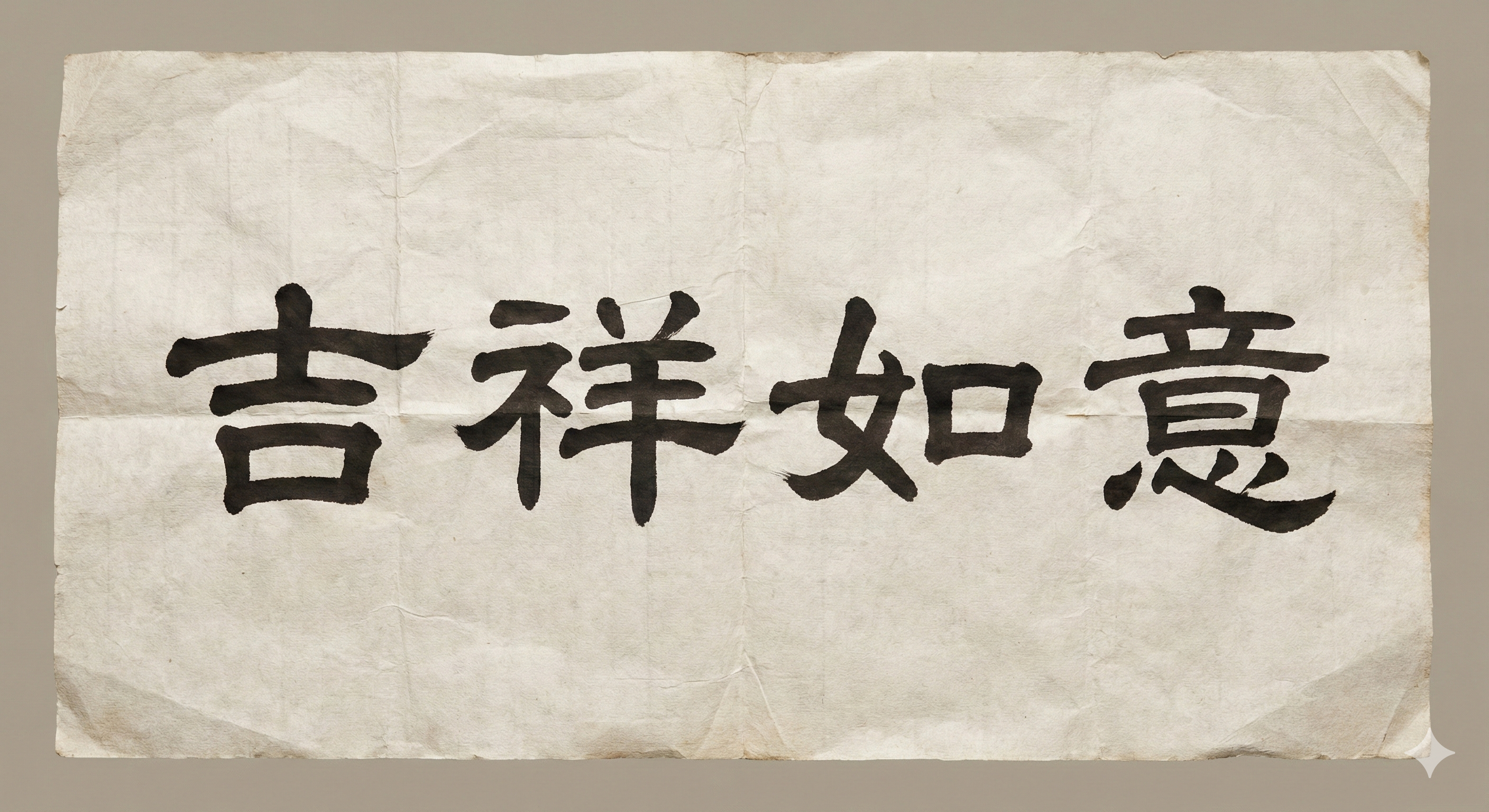
Image Healing: Guided Mandala Viewing - Lesson 243
Choose a mandala with a stable structure and a clear center.
Let your gaze linger on the center for a moment before slowly expanding it.
Feelings and expressions require safety support before they can be initiated.
A mandala is not about drawing something, but about observing what you are doing. It's about practicing tranquility and permission before speaking.
The theme of this lesson's mandala is the Ring of Initiation, symbolizing the safe initiation of expression.
◉ One gaze is sufficient; no repetition is required.

Lesson 243: Establishing a "Psychological Safety Barrier Before Speaking"“
Objective: To create inner safety for oneself before speaking, and reduce the fear of "sudden exposure".
Steps: Draw a seatbelt and write three anchor points on it: "Breathing," "A Trusted Person," and "A Prepared Statement." At the end of the seatbelt, write: "I can choose when to speak."
Please log in before submitting your drawings and feelings.
○ 243. Suggestions for establishing a "psychological safety belt before speaking" log.
① My initiation ritual: Pause for three breaths → Relax your jaw → Focus on the soles of your feet for 10 seconds. Write down your current level of tension (0–10).
② Self-statement card: Prepare three gentle sentences (such as "I can take my time", "I only need to say one word", "Silence is also allowed") and choose one of the pocket sentences of the day.
③ Rehearse the script: Write a line of prompt words for what you are about to say, practice it in a low voice in front of a mirror or to a doll/pet, and then repeat it with your mouth.
④ The right to quit and pause: When discomfort mounts, I can raise my hand, make the “pause” sign, or write “I need a break.” Having boundaries strengthens courage.
⑤ Success criteria: Today, just one word, one syllable, or a whispered response followed by a nod. Small goals = achievable safety belts.
⑥ Closing Care: After completing the exercise, drink warm water, stretch your neck and shoulders, and write a self-congratulatory statement. Record your success story in your "My Seatbelt Handbook."
Please log in to use.
Every time you speak, you are affirming yourself. The more prepared you are, the more powerful your voice will be.