

Lesson 603: When Addiction Enters the Brain—The Two-Way Manipulation of Substances and Emotions
Duration:70 minutes
Topic Introduction:When you become accustomed to relying on a substance (such as alcohol, sugar, or drugs) to relieve your emotions, the reward system in your brain may be hijacked. This course will help you understand the reverse manipulation mechanism of addictive behaviors on the emotional system and explore how to restore a sense of autonomy and regulation.
How does addiction manipulate emotions and behavior?
- Reward Hijacking: The dopamine system is strongly stimulated, and other natural sources of pleasure are ineffective.
- Emotional dependence: Start leaving "emotional relief" to material things.
- Tolerance and loss of control: Long-term use leads to ineffectiveness, and the brain enters a "sluggish response" and "craving cycle."
▲ AI interaction: Do you rely on a certain diet, behavior or medication to regulate your emotions?
Addiction is like a song that plays over and over again, bringing a brief high followed by depression.
Please write down the three triggers you use most often: places, people, or moods.
Try delaying the urge for two minutes and replacing it with music or a walk.
Write down the differences you feel and allow yourself to see the possibility of change.
Conclusion: I am gradually taking back control of my own rhythm.
Click the button below to work with AI to identify your possible "material emotional manipulation paths" and try to develop a "counter-regulation plan."
○ Musical Guide to Substance Addiction and Emotional Circuits
Addiction is like a high-loop refrain: a brief uplift followed by a deeper descent. Only by seeing the cycle can we break it.
First, use music for two minutes to give the brain an alternative "pleasure entrance" and observe whether the impulse decreases.
Write down the three major triggering situations and corresponding songs: starting song, transition song, and closing song, and create a personal music therapy script.
Set an achievable micro-goal for this week: delay 10 minutes/reduce once/contact a partner once.
When melody becomes a guardrail, you are gradually taking back the right to choose.
○ Herbal Healing Tea· Chamomile Tea
Recommended drinks:chamomile tea
Recommended reasons:Relieves anxiety, slows down nervous excitement, and helps provide stable support during withdrawal and mood swings.
usage:3g chamomile, brew 300ml of hot water, drink before bed to help you fall asleep.
○ Pear Oatmeal
Cook oats until soft, then add diced pears and a little honey. This soothing, sweet, and fiber-rich oatmeal is perfect for morning wakeups and the changing seasons.
Healing Recipes
/home2/lzxwhemy/public_html/arttao_org/wp-content/uploads/cookbook/li-zi-yan-mai-zhou.html(Please confirm that the following has been uploaded: li-zi-yan-mai-zhou.html)Mental Healing: Mental Mandala Imagery 40
Finally, let all the colors slowly merge within the circle, symbolizing "completeness." Completeness is not perfection, but acceptance. Look at the merging light, and you will understand: all experiences are ultimately about fulfillment.
Perfection is the reconciliation of light and shadow.
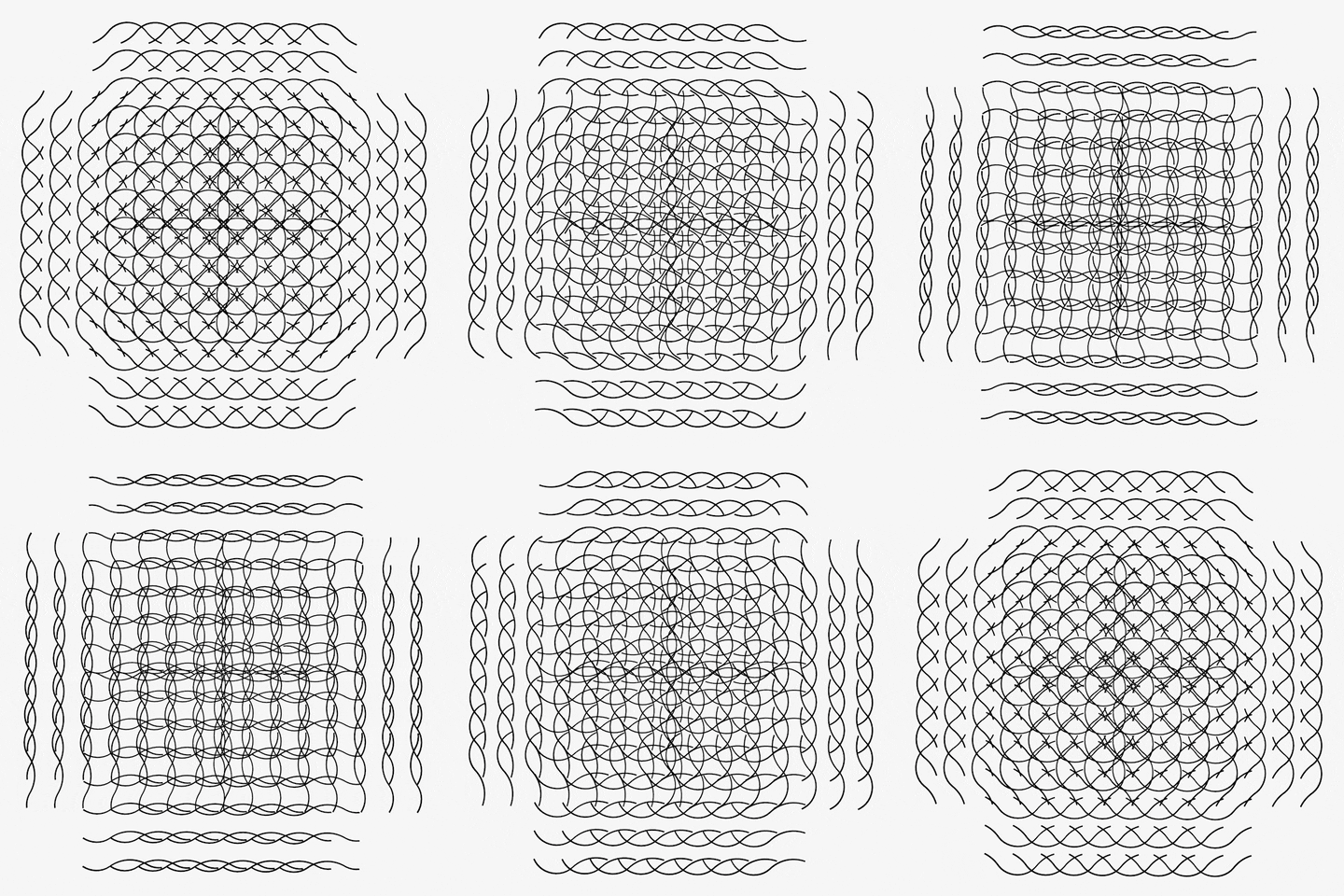
Spiritual mandalas are commonly used in religious and spiritual practices, and their patterns and shapes symbolize spiritual growth, awakening, and spiritual connection. By drawing spiritual mandalas, individuals can explore their connection with the universe, divinity, or higher beings, and achieve psychological and spiritual healing.
○ Modern art calligraphy practice
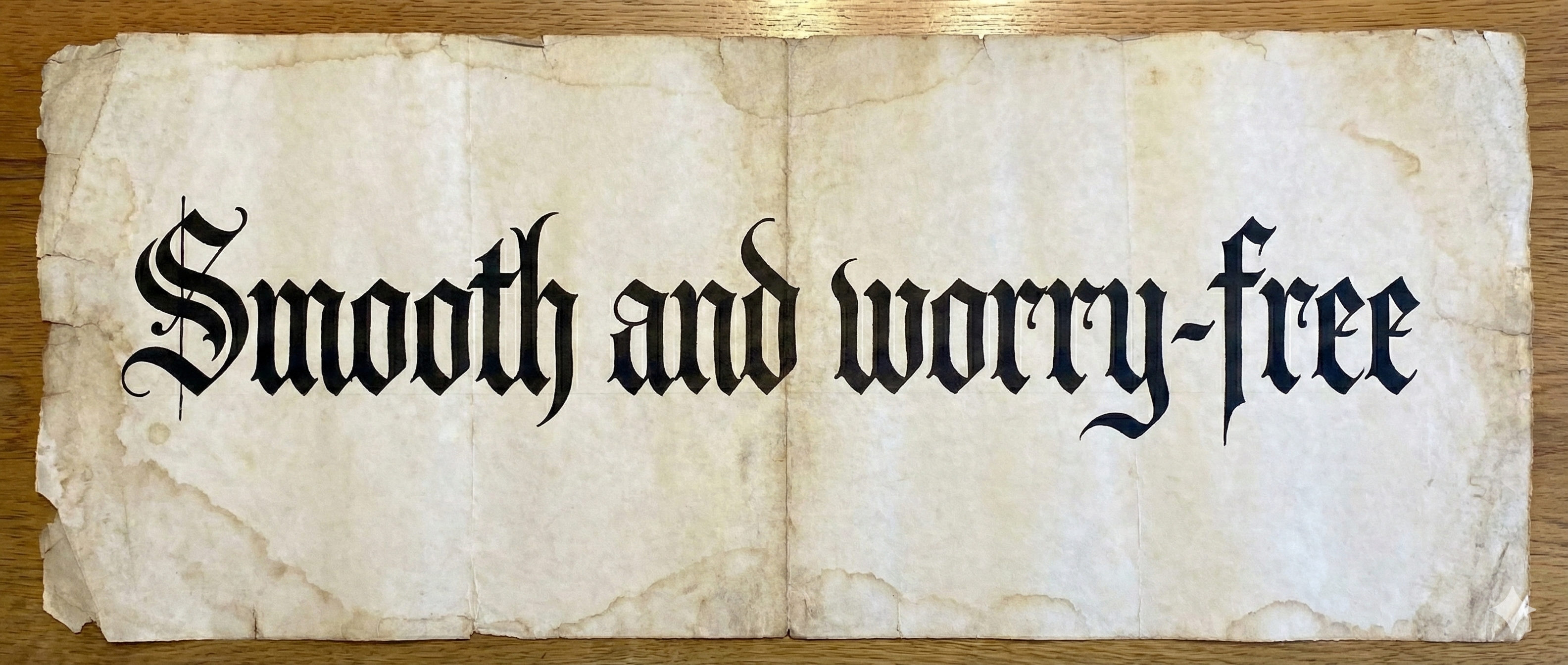
Write down a powerful sentence as your declaration of self-determination—stay calm and breathe slowly while practicing.
Suggested sentence:
“"I deserve happiness that won't destroy me"”
Write this sentence on a card and place it where you can see it when making a decision.
Lesson 603: When Addiction Enters the Brain—The Two-Way Manipulation of Substances and Emotions
Objective: To understand how substances affect the brain's reward system and interfere with natural emotions.
Steps: Draw a brain diagram, labeling the internal sections "Pleasure," "Balance," and "Loss of Control." Change the color from light to gray. Write: "I didn't lose my will; I was short-circuited by chemicals."“
Please log in before submitting your drawings and feelings.
○ 603. When Addiction Enters the Brain—The Two-Way Manipulation of Substances and Emotions: Journaling Guidance Suggestions
① Trigger map: When/where/with whom is it most likely to be used? List the top three triggers and the emotional words that triggered them.
② Two-minute window: When the urge comes, do the following for 2 minutes (drink water/walk/wash your face with cold water), and record the changes in the intensity of the urge.
③ Profit and Loss Statement: Write down three items each for the “immediate relief/subsequent costs” brought by the substance, and face up to how the loop is maintained.
④ Alliance system: List a “person who can be contacted immediately” and agree on a code for help and a reply method.
⑤ Micro-goal: Reduce use once/delay by 10 minutes/reduce dosage this week, and check in on one of these.
⑥ Conclusion: I am taking back the right to choose and letting my brain relearn the satisfaction of security.
Please log in to use.
Healing begins when you choose to be the source of your own inner peace, rather than a consumer of substitutes.