

Lesson 642: When Low Mood Meets Poor Memory
Duration:70 minutes
Topic Introduction:When experiencing persistent low moods, many people find themselves losing memory and experiencing slowed reactions. This isn't a sign of aging, but rather a reflection of depression affecting the brain's cognitive processing. This course will help you understand the dual relationship between emotion and memory, and gradually restore your mental energy through diet, writing, and image therapy.
○ Typical cognitive changes during depression
- Fuzzy memory:
Difficulty concentrating and forgetfulness of everyday tasks. - Decreased self-esteem:
I often mistakenly think, "Am I getting old?" or "Am I no longer capable?" - Information processing delay:
The brain's thinking speed slows down, and language expression becomes less or dull.
▲ AI interaction: Have you ever experienced “forgetting what you wanted to say” or “not remembering what happened just now”?
Emotions and memories are often intertwined. Depression can blur memories, while forgetfulness only heightens self-blame. Please gently remind yourself: This does not mean I am incompetent.
Today, write down three little things you forgot, and the emotions they brought up, so that you can see them clearly in your mind.
Then write down three “things I remember.” Even if they are small, they are real abilities.
Practice supporting yourself when you’re feeling down with reminder cards, sticky notes, or reminders on your phone, rather than relying on blame.
Conclusion: Forgetting is not a failure, but a reminder from my body and mind that I need more care.
Click the button below to explore with AI whether you are in a state of "emotion affecting cognition" and find a path to restore clarity.
○ When low mood meets poor memory music guide
Memory is like the tide, ebbing and flowing. It's easier to forget when you're down, and that's not your fault. Please give yourself a little grace in your music.
Play a song with a steady beat, inhale for four beats and exhale for four beats, and let the anxiety gently dissipate from your chest.
Prepare a "Mood-Memory Memo Card": three small things today + a song to accompany them; write them down and stick them in a conspicuous place.
When forgetfulness occurs, replace self-blame with melody: hum along with the chorus twice, then return to the small goal at hand.
You will find that the gaps in memory can actually accommodate tenderness and rhythm.
○ Herbal Tea · Lemongrass Tea
Recommended drinks:lemongrass tea
Recommended reasons:Lemongrass has refreshing and brain-clearing properties, which can relieve brain fog and depression.
practice:Put 3g of dried lemongrass in hot water and brew for 5 minutes. Add a little honey to enhance the taste.
○ Mung Bean and Lily Soup
Boil and crush mung beans, add lily bulbs and a small amount of lotus root powder to thicken. It clears heat and moisturizes dryness, has a smooth and slightly thick texture, and has a refreshing taste.
Healing Recipes
/home2/lzxwhemy/public_html/arttao_org/wp-content/uploads/cookbook/lv-dou-bai-he-geng.html(Please confirm that lv-dou-bai-he-geng.html has been uploaded)Mental Healing: Mental Mandala Meditation Text 45
Use a blend of golden yellow and rose red to depict "the awakening of the heart." These are the colors of a soul rekindled. Draw an inward-opening petal shape, allowing yourself to breathe again in love.
An awakened mind is a vessel of light.
Spiritual mandalas are commonly used in religious and spiritual practices, and their patterns and shapes symbolize spiritual growth, awakening, and spiritual connection. By drawing spiritual mandalas, individuals can explore their connection with the universe, divinity, or higher beings, and achieve psychological and spiritual healing.

○ Modern art calligraphy practice
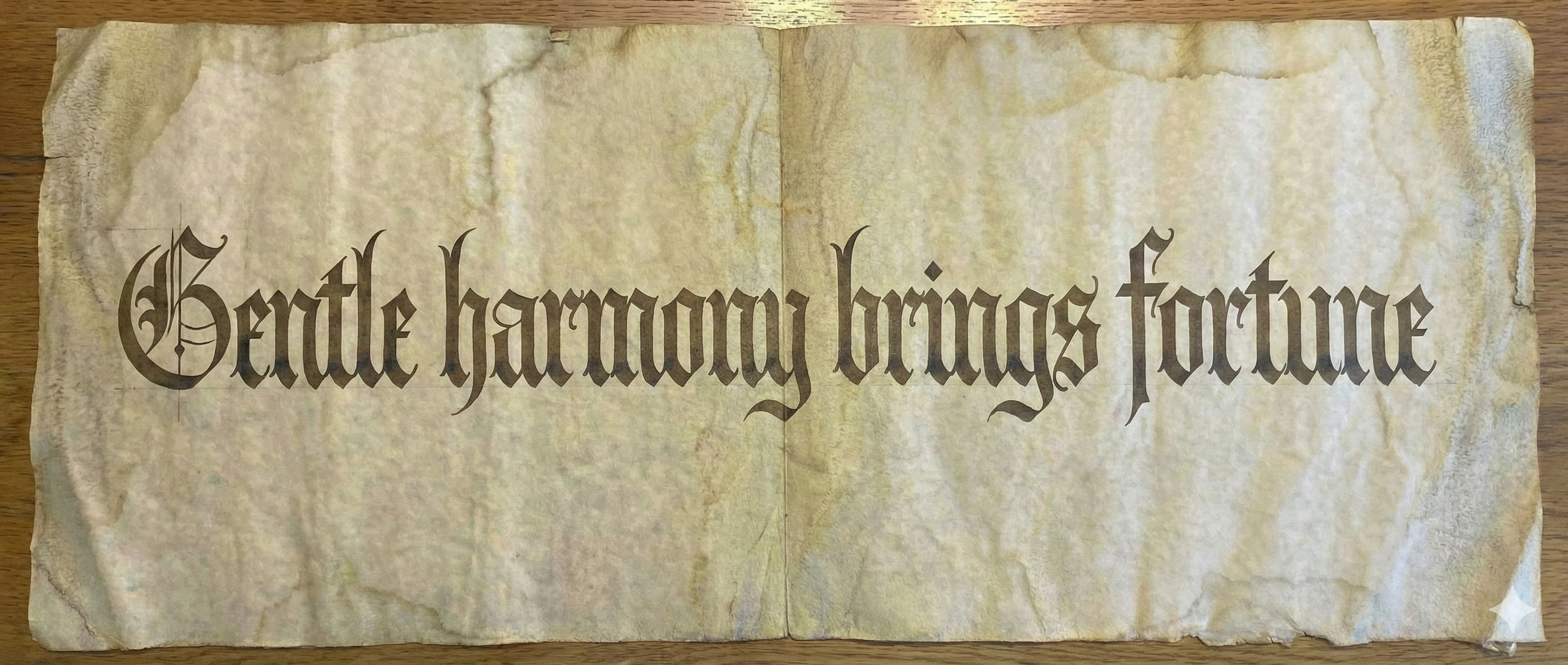
As you begin writing down supportive language, your memory will be refreshed. Let these sentences accompany you in your practice.
Suggested sentences for practice:
"My mind is clearing, gently and steadily."
"Even when I forget, I am still growing."
Write it down once a day, focusing on your breathing and pen strokes as part of your meditation.
Lesson 642: When Low Mood Meets Poor Memory
Objective: To detect emotional distress and imbalance in self-esteem during memory decline.
Steps: Draw a blurry diary, with some text illuminated by light. Write: "I've forgotten some things, but I still remember how to love."“
Please log in before submitting your drawings and feelings.
○ 642. When Low Mood Meets Deteriorating Memory: Journaling Guidance Suggestions
① Record the situation and feelings of "forgetting once" today, write down the self-blame and then cross it out, and rewrite it as "My brain needs reminders and support during a low period."
② Create a "memory anchor point card": three small tasks to do today + a music reminder at a fixed time, take a photo and save it to the phone lock screen.
③ Use external tools: alarm clock/sticky notes/medicine box, tick each item off after completing it; change “can’t do it” to “even a little bit counts”.
④ Body care: 500ml of warm water + three shoulder and neck stretches to stabilize blood oxygen and body sensation, leaving space for memory.
⑤ Evening review: Write down what you remembered today. Even if it is very small, it is repairing your self-efficacy.
⑥ Conclusion: Forgetting is a sign, not a failure; I am using tools to help myself instead of blaming myself.
Please log in to use.
The key to clear memory is not to force yourself to remember, but to create a safe enough inner space for it to emerge naturally.