

Lesson 701: Understanding the Nature of Body Dysmorphic Disorder (BDD)
Duration:70 minutes
Topic Introduction:This course will help you understand the psychological mechanisms of body dysmorphic disorder (BDD), including manifestations such as excessive focus on appearance flaws, mirror anxiety, and distorted self-evaluation, and explore the appropriate adjustment methods used in cognitive behavioral therapy.
○ Cognitive misunderstandings and behavioral characteristics of BDD
- Appearance focus magnification:Repeatedly checking or hiding "flaws" in a part of your body.
- Mirror compulsions:Frequent mirror checking, self-comparison, seeking validation from others, or avoiding social interactions.
- Self-worth connection:Equating physical defects with low self-worth, leading to shame, depression, or anxiety.
▲ AI interaction: How should I view “what I see myself”?
Sometimes we focus too much attention on a certain part of the body, magnifying its sense of flaws and even affecting our lives and self-worth.
Please gently remind yourself: This is a false alarm from the brain, not the whole truth. My existence is not defined by my appearance.
Today, try to record the parts of your body that you care about most, and write down three sentences to thank your body for its support.
From "appearance monitoring" to "function gratitude", the perspective is expanded little by little.
Conclusion: My body is the container of my life, not my whole being.
Click the button below to help AI identify whether you have BDD tendencies and try a self-perception reconstruction exercise.
○ Understanding the nature of body dysmorphic disorder (BDD) and music therapy
When you feel that some part of yourself is not perfect, play some soft music and let the melody take you beyond the reflection in the mirror.
Music reminds you: your body is not just your appearance, it is also the rhythm and energy of life.
Journal about the bodily functions that feel most supported to you today, such as breathing, walking, or hugging.
In the melody, say "thank you" to your body and let your heart accept yourself more gently.
Conclusion: Music is a comfort outside the mirror, allowing you to learn to see a more complete self.
○ Oriental healing tea
Recommended drinks:Honeysuckle tea
Recommended reasons:Clearing the mind, relieving depression, and eliminating internal heat can help alleviate the irritability and shame caused by appearance anxiety.
usage:3g of honeysuckle, brewed with hot water for 10 minutes, drinking during the day can help clear the mind and calm the heart.
Lotus Leaf Porridge
Its refreshing aroma removes greasiness, clears away heat and dampness, helping to alleviate the heaviness caused by greasy foods and humid climates. Its light texture helps maintain freshness and focus, making it ideal for summer and daily conditioning when a light meal is needed.
Clears away heat and dampness
Light meal friendly
Healing Recipes
/home2/lzxwhemy/public_html/arttao_org/wp-content/uploads/cookbook/he-ye-zhou.html(Please confirm that he-ye-zhou.html has been uploaded)
Color Therapy: Color Mandala - Part 1
Close your eyes and imagine a beam of light spreading across your chest. It's the color you need most today. Let that color slowly unfold in the circle, synchronizing your breathing with it. Whether it's soft blue or warm orange, the color will respond to your deepest inner feelings.
Color is the language of the heart; use it to express emotions you've never spoken.
[mandala_course_107_safe]
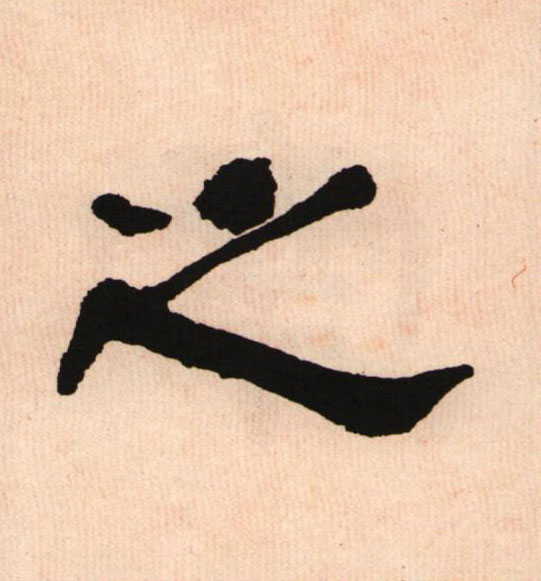
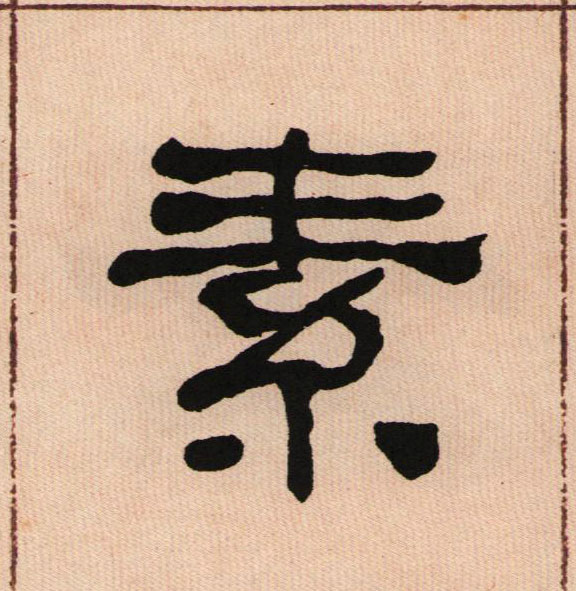
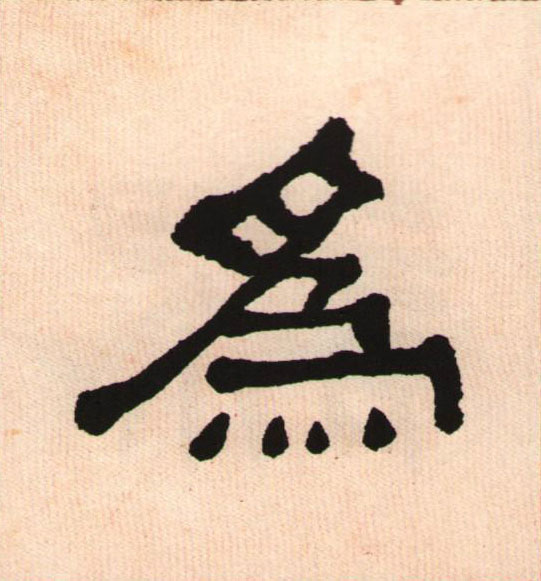
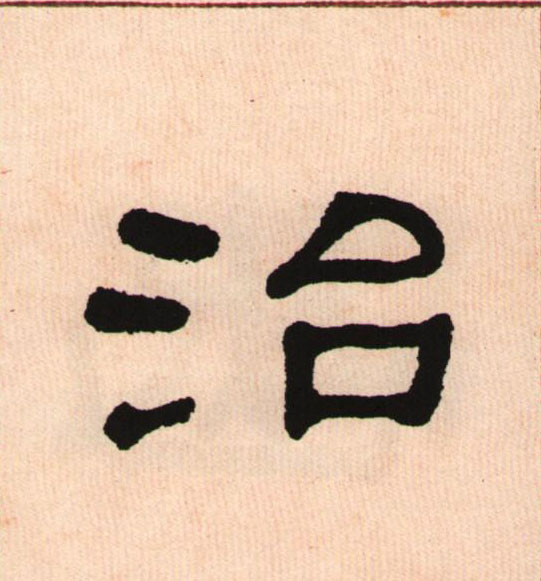
○ Lishu·Chinese calligraphy practice
Writing can help calm your mind and bring awareness. By writing down powerful words every day, you can loosen your attachment to "external judgment" and regain your inner stability and value.
Practice sentences:
“"Remain calm and composed, unperturbed by favor or disgrace"
Calm Amid Changes · Unshaken by Honor or Disgrace”
Write three times a day, write slowly and take deep breaths, and experience the accepting energy behind the words.




Lesson 701: Understanding the Nature of Body Dysmorphic Disorder (BDD)
Objective: To understand that the feeling of "physical defect" is not a fact, but a perceptual distortion.
Steps: Draw a mirror, with the reflection obscured by shadows. Then draw your true self outside the mirror, with a peaceful expression. Next to the drawing, write: "I am not the shape in the mirror." Let the brushstrokes help you distinguish between "feelings" and "reality."
Please log in before submitting your drawings and feelings.
○ 701. Understanding the Nature of Body Eccentricity Disorder (BDD) - Journal-Guided Suggestions
① Write down the parts of your appearance that you care about most and the things you are worried about most today. Just describe the facts without making any comments about whether they are good or bad.
② Record the time, scenario, and duration of this worry, mark the intensity on a scale of 0-10, and observe whether it will subside on its own.
③ Rewrite the narrative: “I am flawed” → “I am trapped by the ‘appearance alarm’, which is louder than reality.”
④ Support list: List three trusted people and two safe places to serve as a buffer zone when emotions rise.
⑤ Today’s micro-action: Shorten your mirror time by 1 minute, and use the time to take a deep breath or stretch.
⑥ Conclusion: I am separated from my symptoms - I have BDD, but I still deserve to be seen in my entirety.
Please log in to use.
When you learn to "see yourself as a whole person," you will no longer be trapped by a certain part or a certain standard. Your existence is complete.