

Lesson 841: Understanding the Characteristics and Causes of Impulse Control Disorders
Duration:70 minutes
Topic Introduction:This course focuses on understanding the mechanisms of "impulse control disorders", including neurophysiological factors, emotional triggering pathways and reinforced behavior models, to help you shift from "I can't control it" to "I can understand and adjust it."
○ Three major mechanisms of impulse control disorders
- Nervous impulse system hypersensitivity:The prefrontal regulatory system is weak, and behavior is initiated without emotional response.
- Deficit in emotion regulation pathways:Use "impulse actions" to soothe anxiety, anger, or emptiness.
- Behavioral reinforcement loop:“Feeling good after doing it” makes the brain assume that this is an “effective strategy” and becomes automatic.
▲ AI Interaction: Write down three typical situations where you are "impulsive"
Impulse control disorder is not "poor willpower", it is often closely related to the brain's regulatory mechanism and emotional stress.
Today, let's recall an impulse that occurred: in what context did it occur? What emotions were hidden behind it?
Writing this moment down reminds me that impulse is not my whole definition.
When the mechanisms are understood, blame is lessened and change becomes possible.
Conclusion: Understanding the essence is the first step towards self-healing.
Click the button below to work with AI to analyze the driving mechanisms behind your impulses and explore alternatives.
○ Understanding the characteristics and causes of impulse control disorders · Music therapy
When impulse strikes, it's like a sudden, accelerated drumbeat that disrupts the rhythm of your heart. Play a soothing melody to slow down the pace.
In music, write down the scene of your most recent impulse and use it as the beginning of a melody.
As the music progresses, observe how the emotions gradually soften, and you will find that impulses can also be soothed by the beat.
Music reminds you that even with imperfect rhythm, you can still find balance.
Conclusion: Melody is your accompaniment, helping you see the root cause behind the impulse.
○ Oriental healing tea
Recommended drinks:wolfberry flower tea
Recommended reasons:It nourishes the liver, improves eyesight, calms the mind and relieves irritability, and helps to restore emotional stability during impulsive periods.
usage:10g wolfberry and 6 chrysanthemums, brew with warm water for 5-8 minutes, drink in the morning and evening.
Hawthorn and Tangerine Peel Pork Ribs Soup
It strengthens the spleen and stomach, helps digestion and eliminates stagnation, promotes qi and eliminates dampness, relieves bloating and fatigue after a heavy meal, and promotes smoother lipid metabolism. It provides both protein and satiety, making it a suitable balancing aid for those experiencing periods of high-fat and heavy meals.
Promotes Qi and eliminates dampness
Post-meal balance
Healing Recipes
/home2/lzxwhemy/public_html/arttao_org/wp-content/uploads/cookbook/shan-zha-chen-pi-pai-gu-tang.html(Please confirm that the following has been uploaded: shan-zha-chen-pi-pai-gu-tang.html)
🎨 Color Mandala · Impulse Cognition and Energy Transformation Diagram
Impulse is a form of energy, and the mandala can serve as a channel for you to "graphicalize, slow down, and transform" it.
- Impulse analysis diagram:Write "The moment I was impulsive" in the center of the picture and draw the layers of relationship between triggering, reinforcement and influence.
- Alternative Energy Ring:Use colors to depict the path from "impulsive energy" to "creative energy".
- Buffer layer design diagram:Set up multiple links in the mandala diagram and write a method of "delayed response" in each link.
[mandala_course_131_safe]
○ Seal Script· Chinese Calligraphy Practice
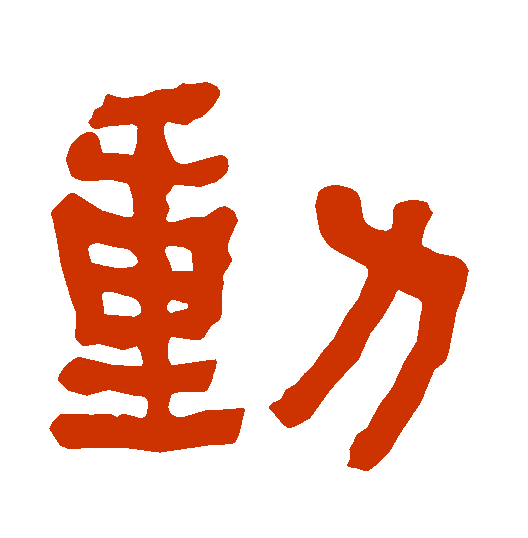
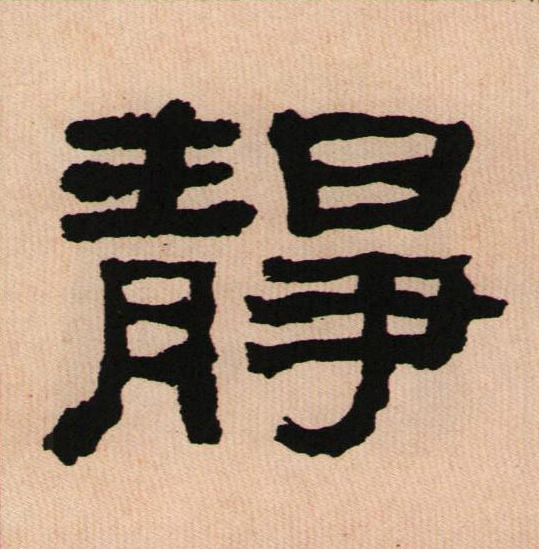
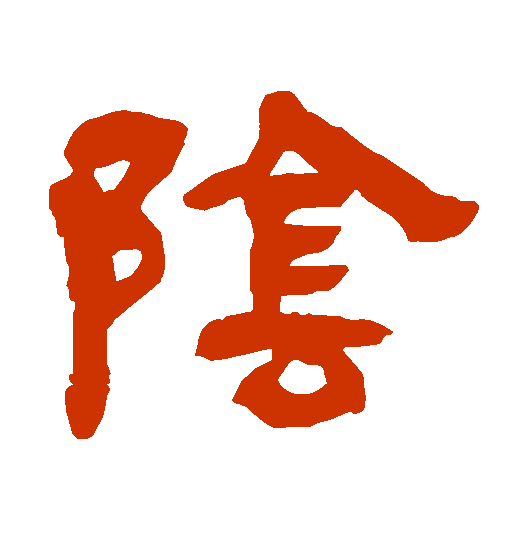
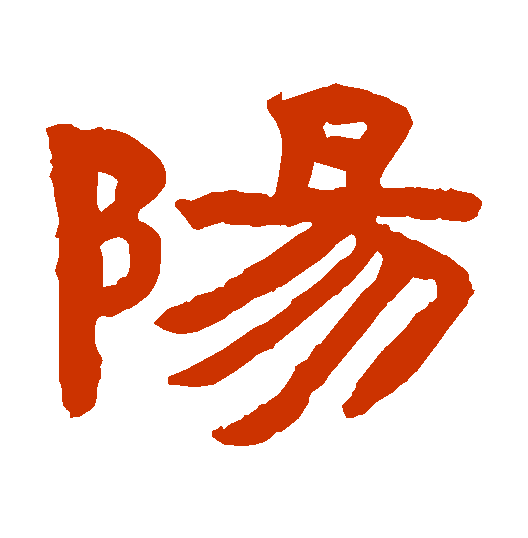
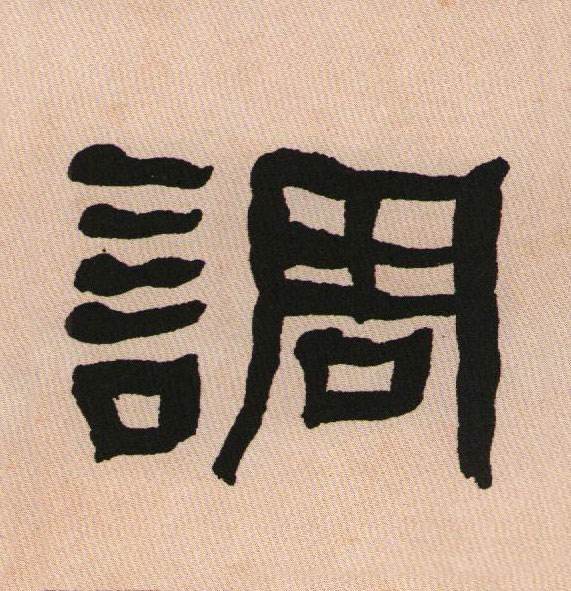
This lesson suggests writing the three words "quiet", "adjust" and "harmony" to strengthen your pre-reaction ability in the "awareness-adjustment-behavior" path.
Practice sentences:
“"A balance of movement and stillness, harmony of yin and yang"
Balance of Motion and Stillness · Harmonizing Yin and Yang”
When writing, take a deep breath with each stroke to strengthen the "gap between awareness and reaction."



Lesson 841: Understanding the Characteristics and Causes of Impulse Control Disorders
Objective: To recognize that impulsive behavior is not a result of "weak will," but rather an imbalance between neural regulation and emotional processing.
Steps: Draw a wavy curve to represent the moment of emotional rise and outburst, then draw a flat line to represent the rational trajectory. Write: "I am learning to regulate, not suppress." Let the drawing help you see the dynamic process of behavior, rather than a single "mistake."
Please log in before submitting your drawings and feelings.
○ 841. Understanding the characteristics and causes of impulse control disorders: Journal-guided suggestions
① Replay the scene: When/where/with whom did you act impulsively today? What were you thinking and feeling in the previous minute (nervous/bored/angry)?
② Body Radar: Heartbeat, breathing, muscle tension, hand movements, each with a score of 0-10; no judgment, just record, and let the data speak for you.
③ Behavioral Function: What did this impulse help me achieve/avoid? (Release, focus, escape from discomfort). Write it down truthfully.
④ Trigger chain: event → automatic thought → emotion → impulse → behavior → consequence. Circle the link that is most likely to be intervened by me.
⑤ Today’s Commitment: Choose a minimal feasible step (take a deep breath for 20 seconds/leave the scene/drink water) as a new insertion point.
⑥ Conclusion: Understanding is not indulgence, but reaching into the mechanism and finding the gentle adjustment button.
Please log in to use.
Understanding your impulses is the first step to regaining control.