

Traditional Psychological Mandala (Supplementary Course)
The Traditional Psychological Mandala is a visual healing tool that blends the traditional religious mandala form with modern psychological symbolism. Drawing on the cosmic structure of Tibetan Buddhism and Hinduism, it also incorporates the concept of "self" from Jungian psychology. Using imagery, it expresses inner order, emotional flow, and subconscious structures. Through the process of drawing and visualization, individuals can gradually understand themselves, integrate trauma, and enhance their resilience.▲ AI Interaction: Please describe your inner sense of "chaos" or "order" at this moment
Click the button below to talk to the AI and it will guide you in exploring the inner symbolism of the psychological mandala.
🎵 Lesson 257: Audio Playback
Even when you are busy, taking a moment to listen is a form of self-care.
2. The Function of the Psychological Mandala
- Symbolizes the inner structure:Use graphics to express the psychological core of the subconscious mind, such as order, center, and self.
- Improving the inbound experience:The painting process promotes meditation and focus, gradually stabilizing emotions.
- Self-integration pathways:Assist individuals to connect fragmented experiences into a meaningful whole and restore psychological continuity.
3. The healing effect of psychological mandala
In the process of psychological healing, mandala can play the following auxiliary effects:- Sort out chaotic emotions and enhance psychological boundaries
- Activate inner resources and rebuild the meaning of life
- Promote self-expression and introspection, and enhance awareness
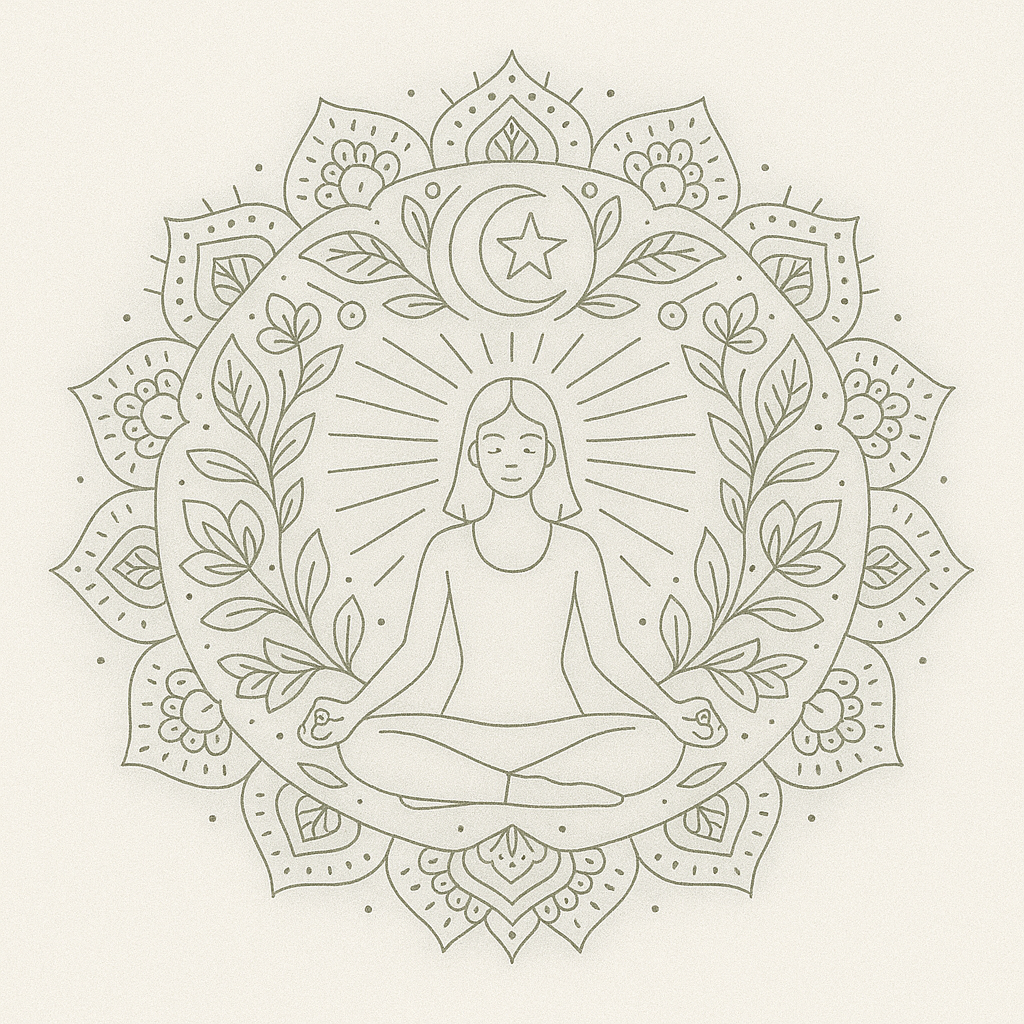
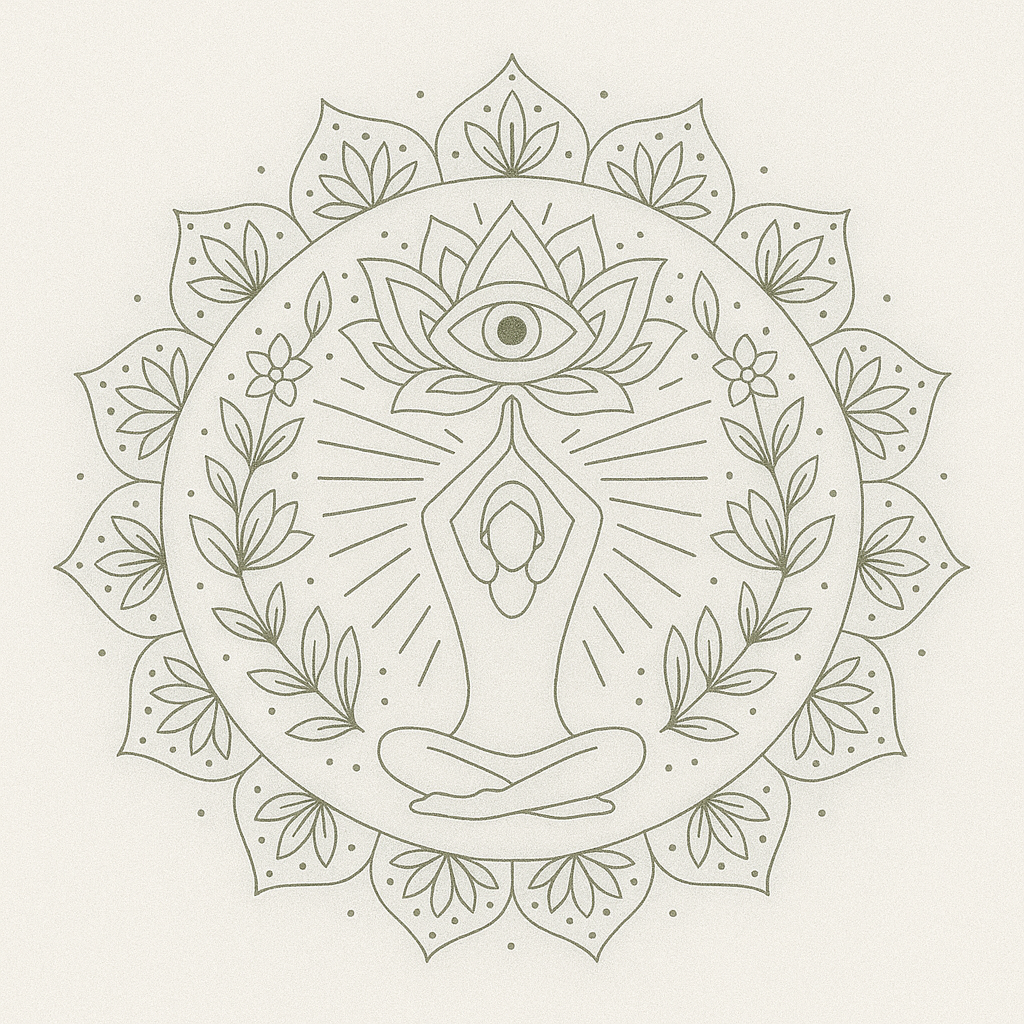
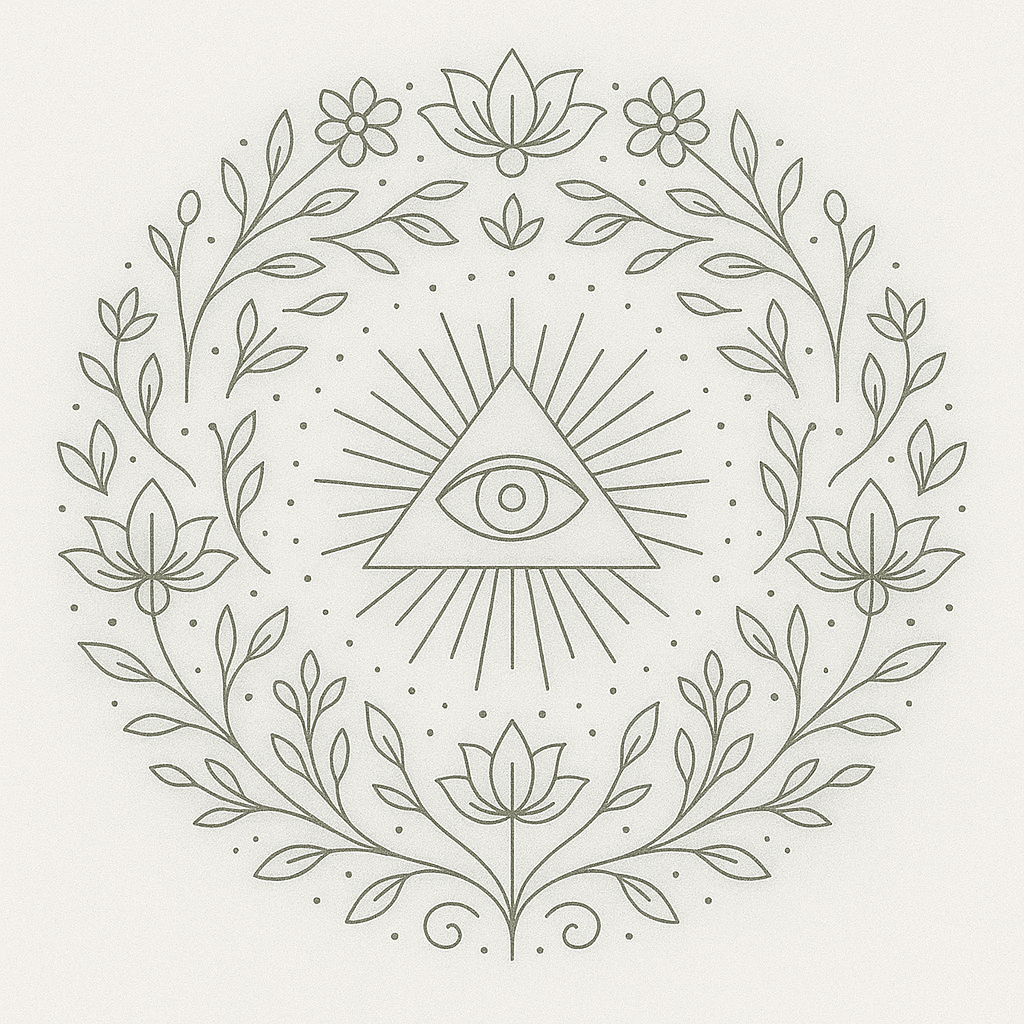
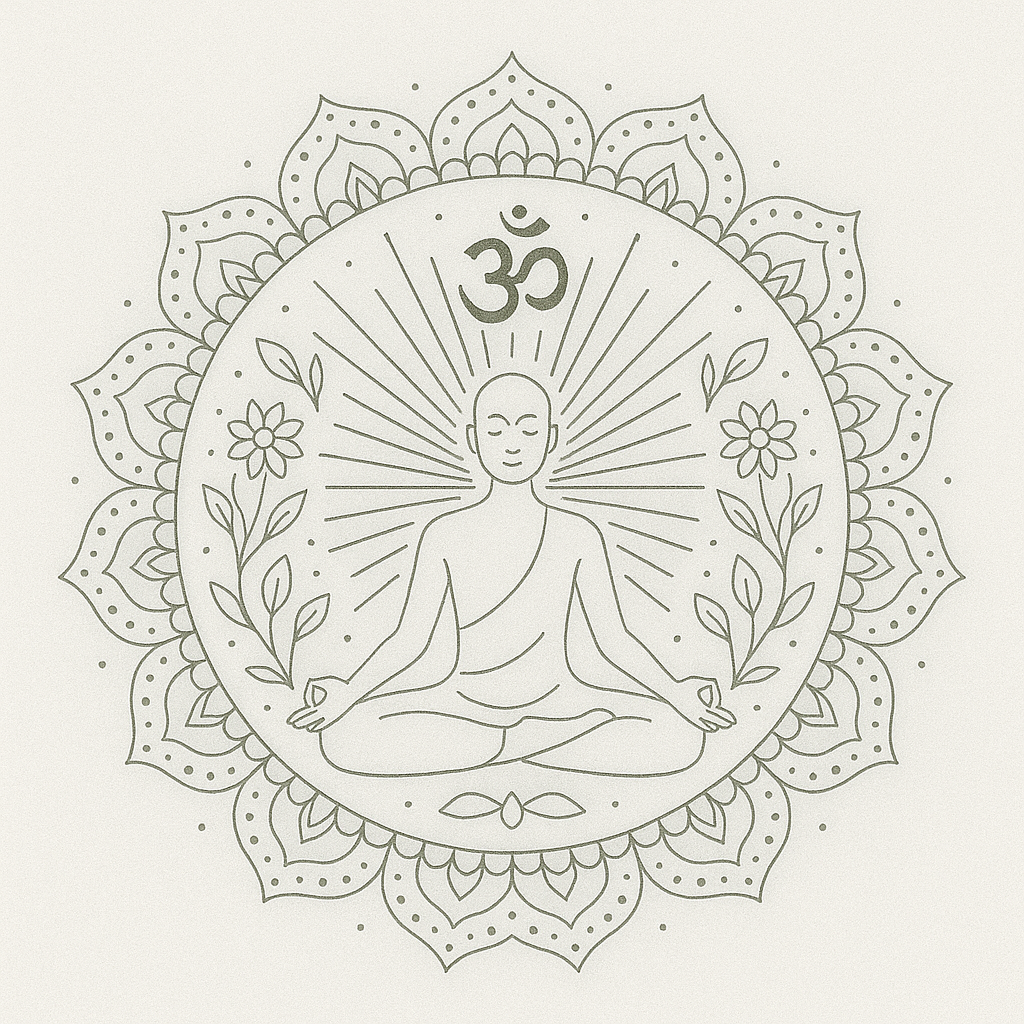
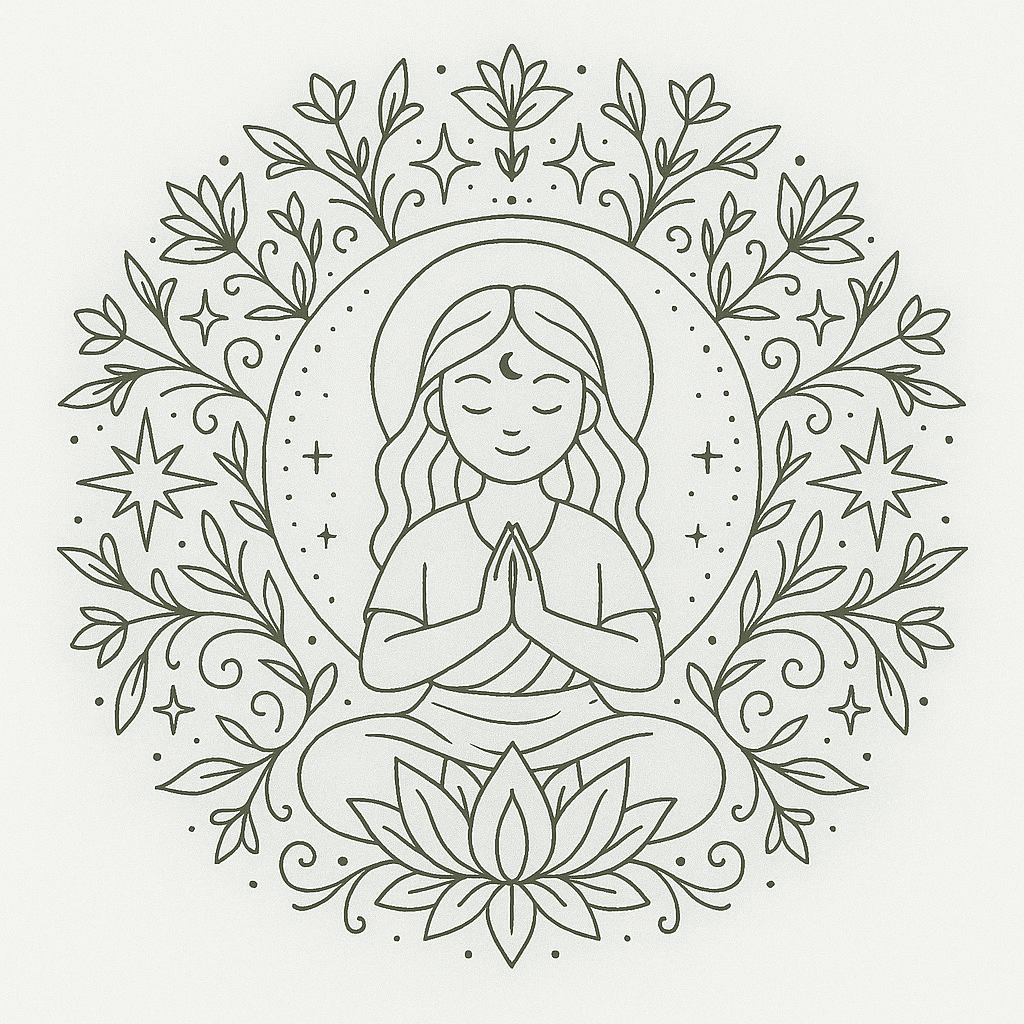
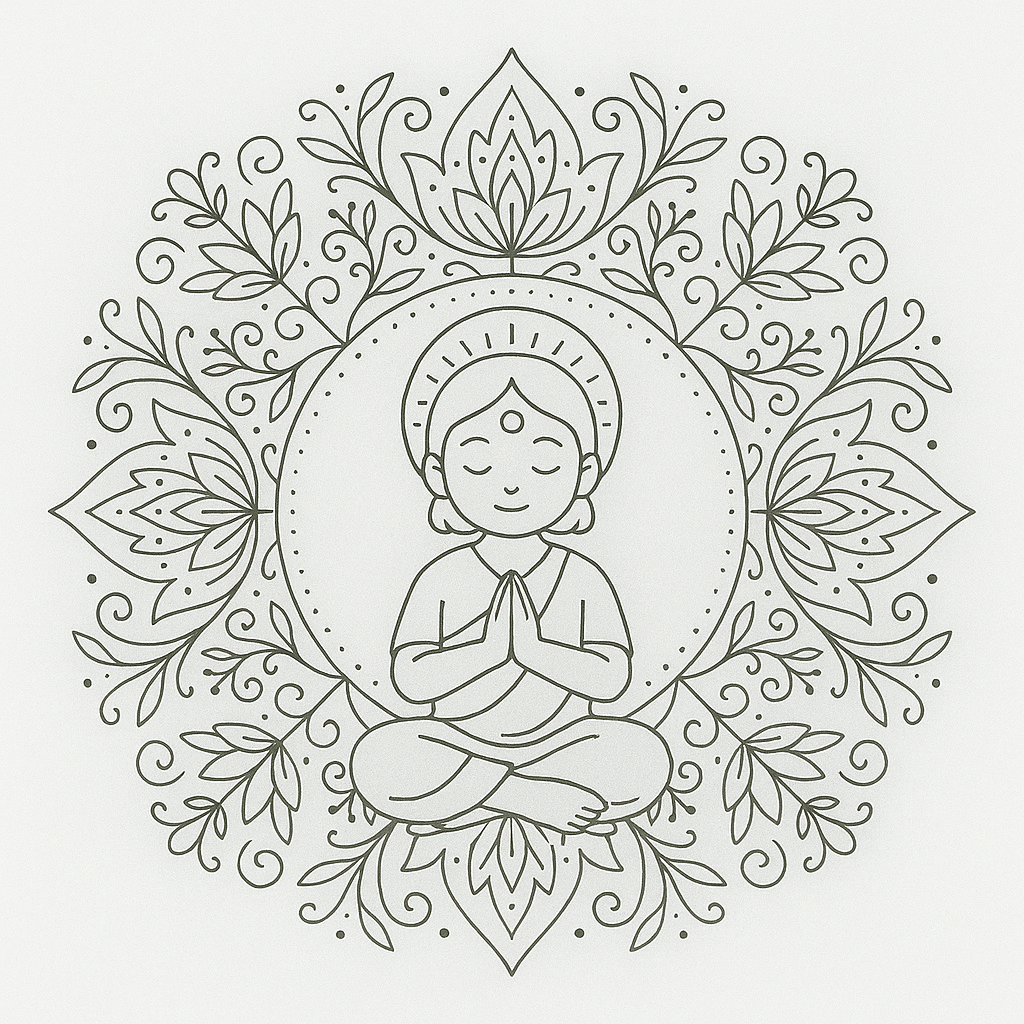
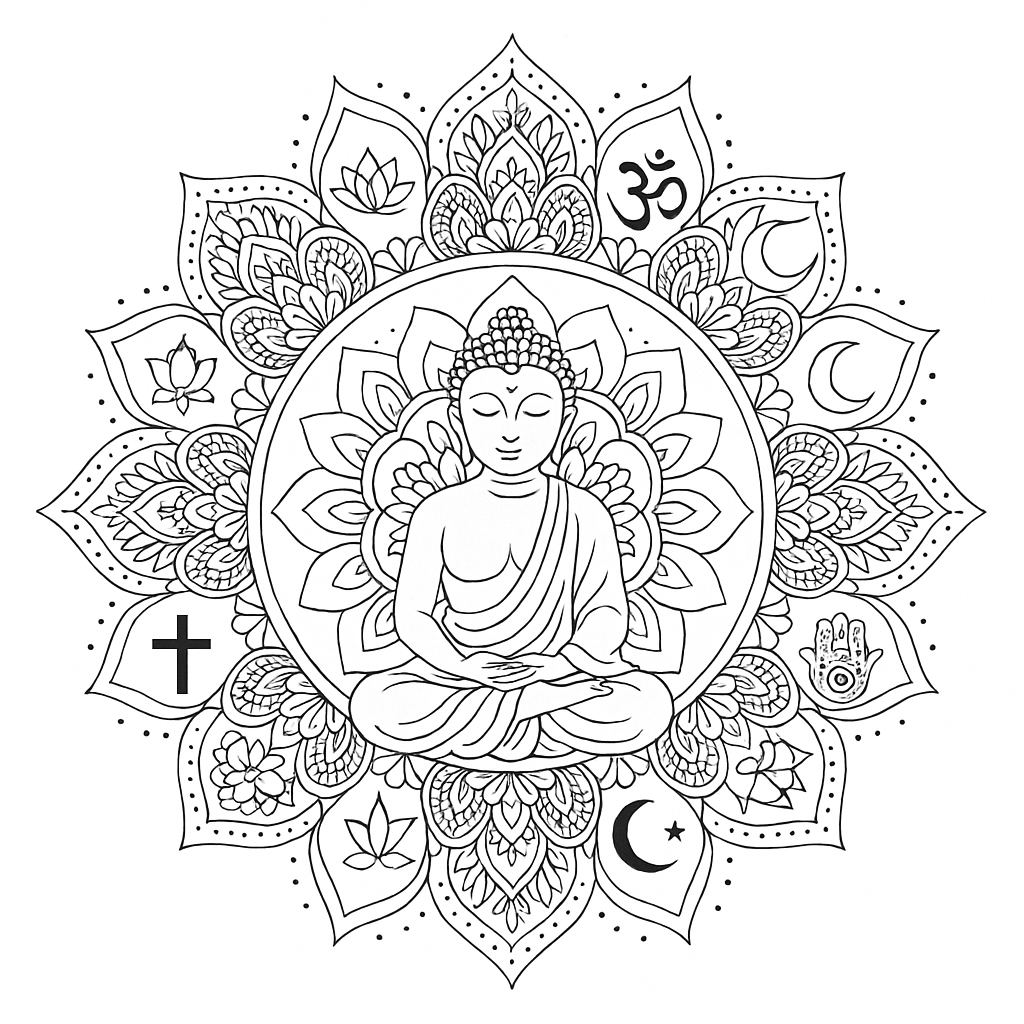

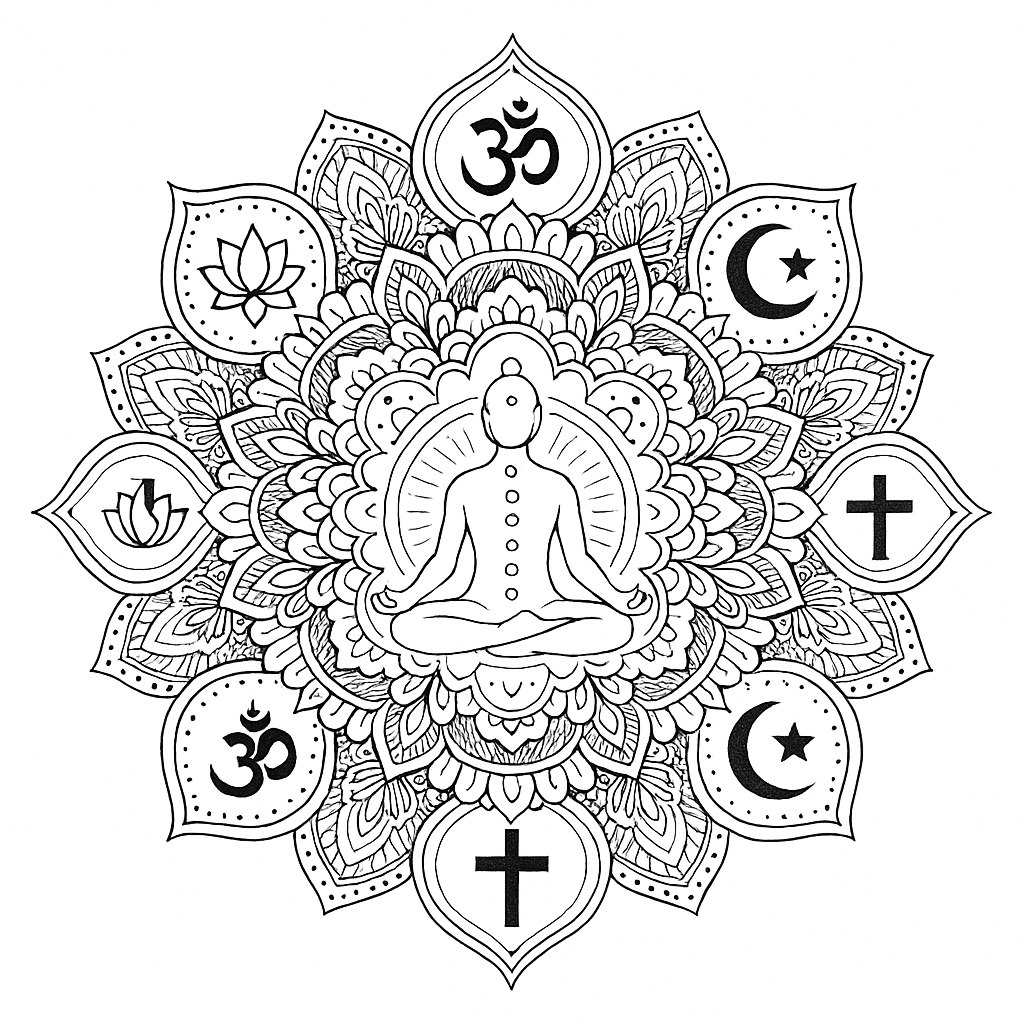
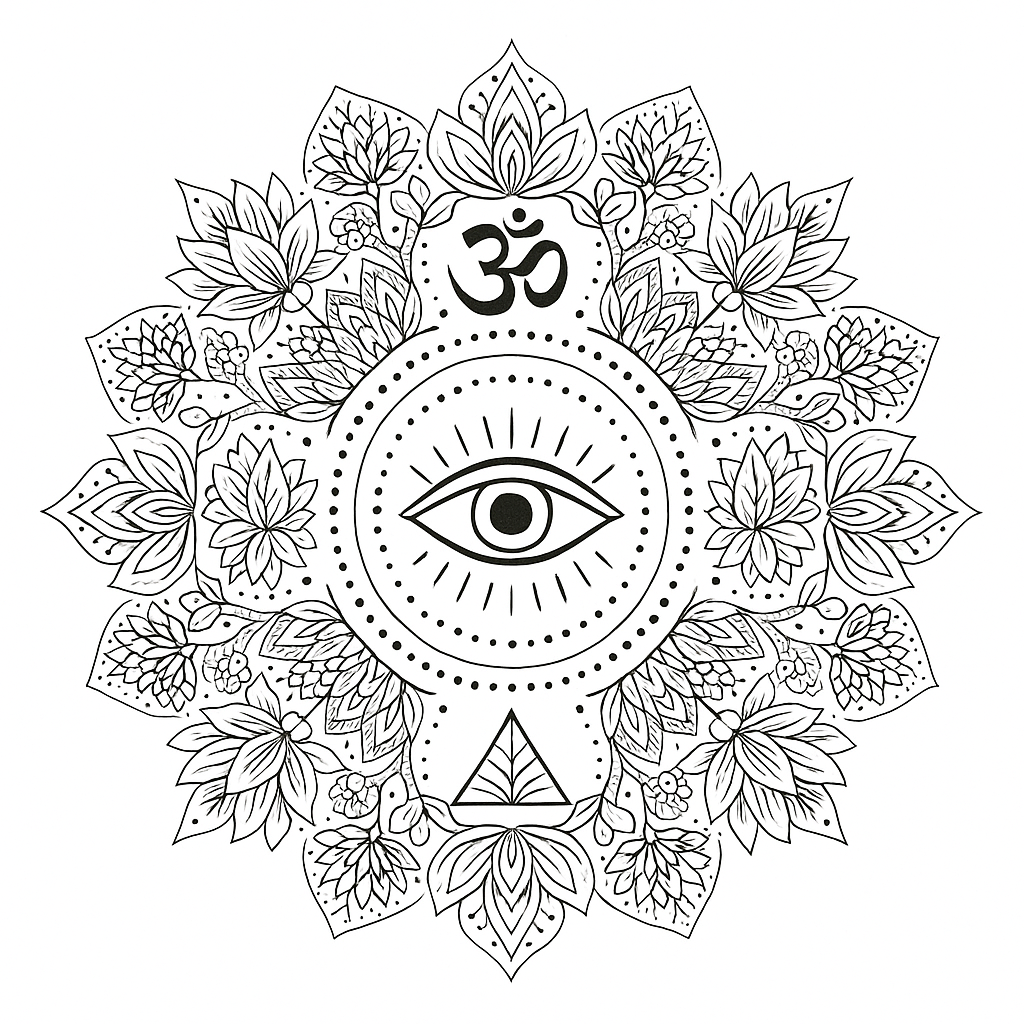
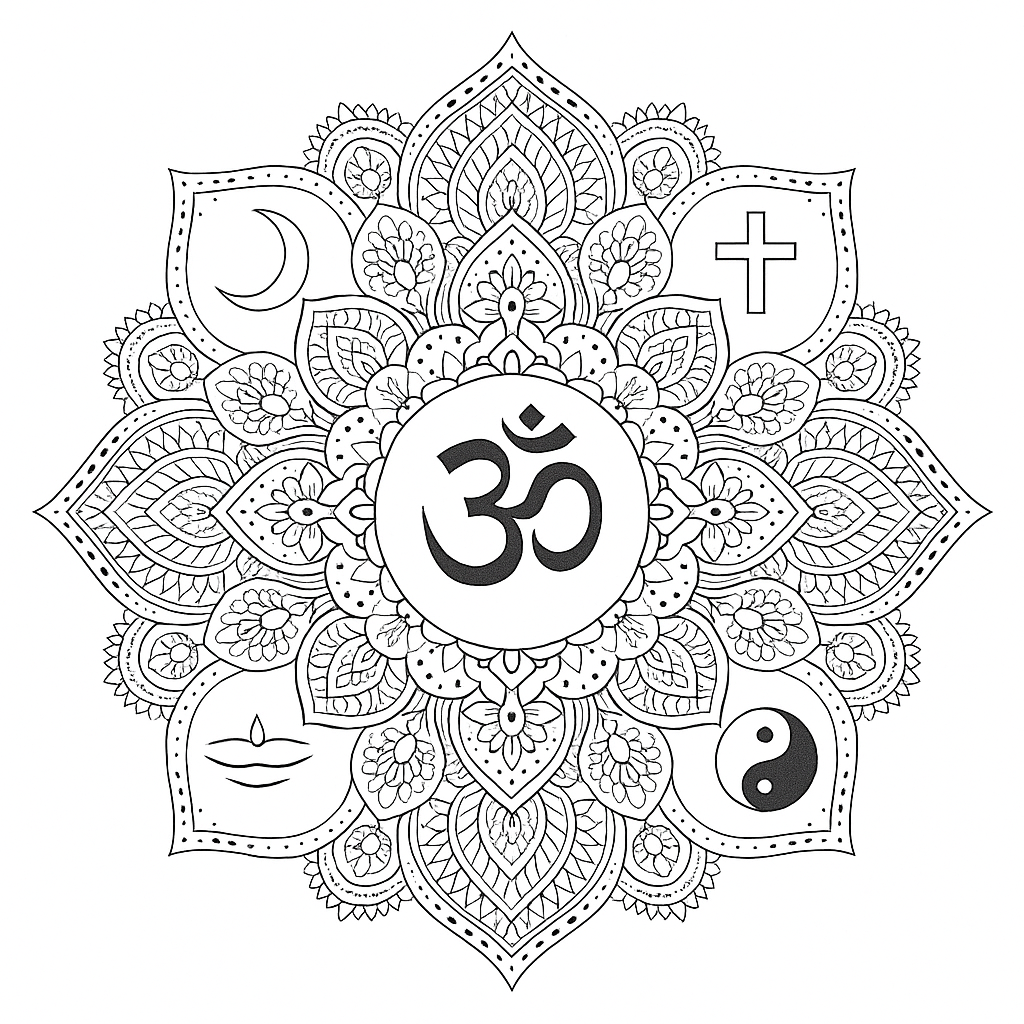
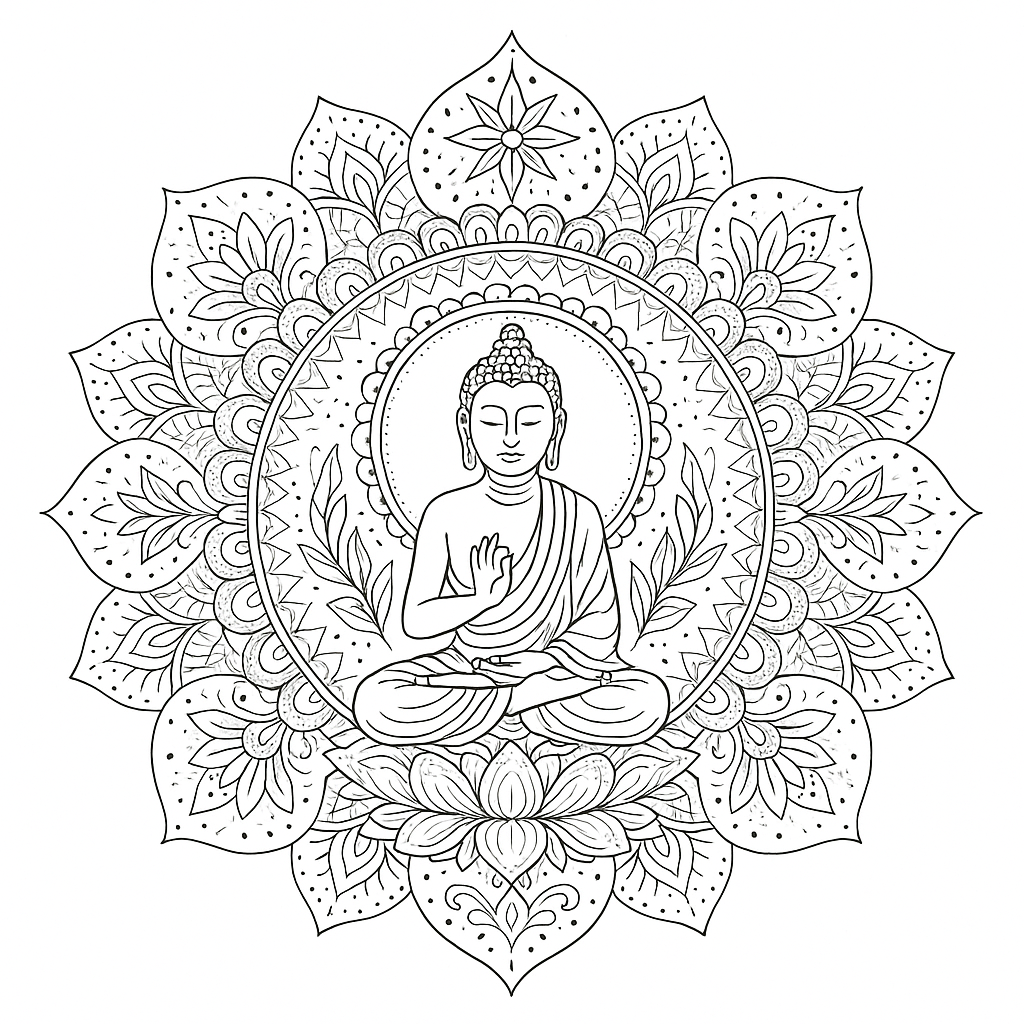
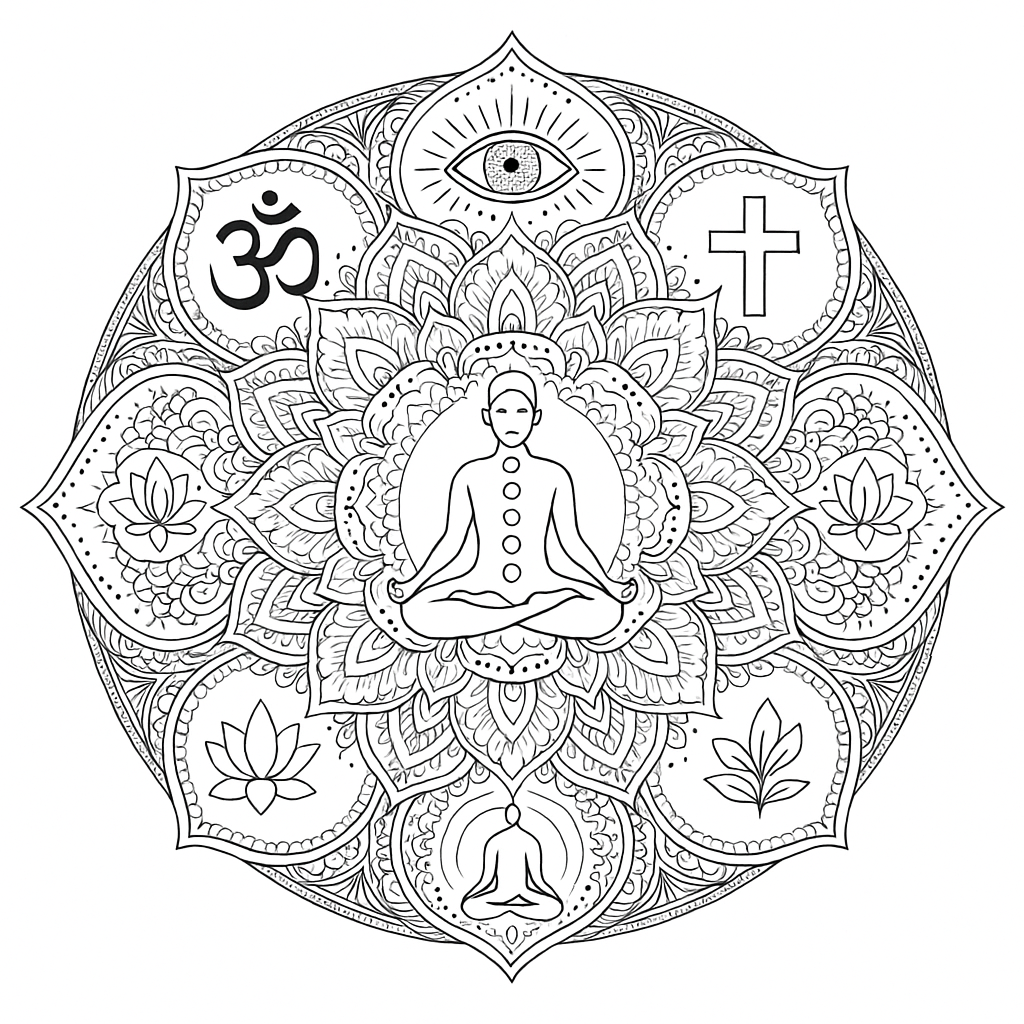
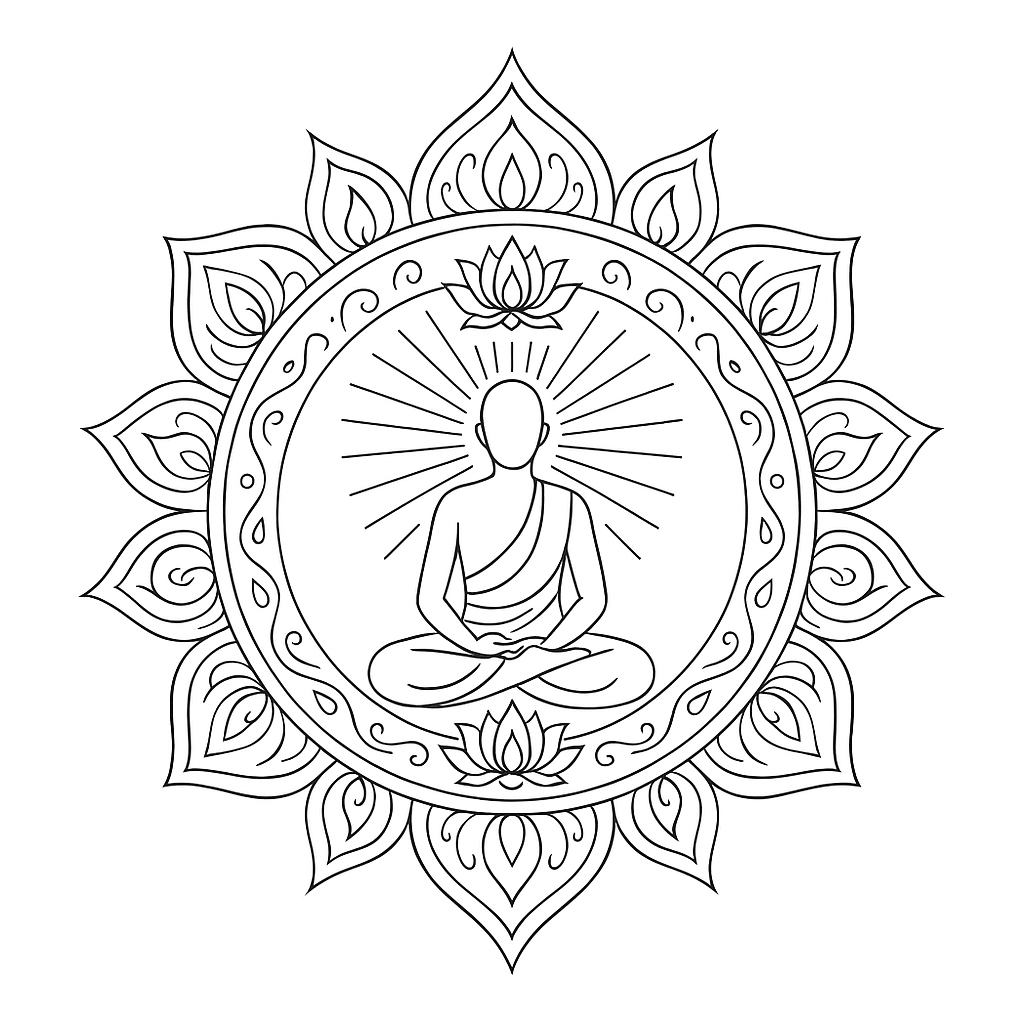
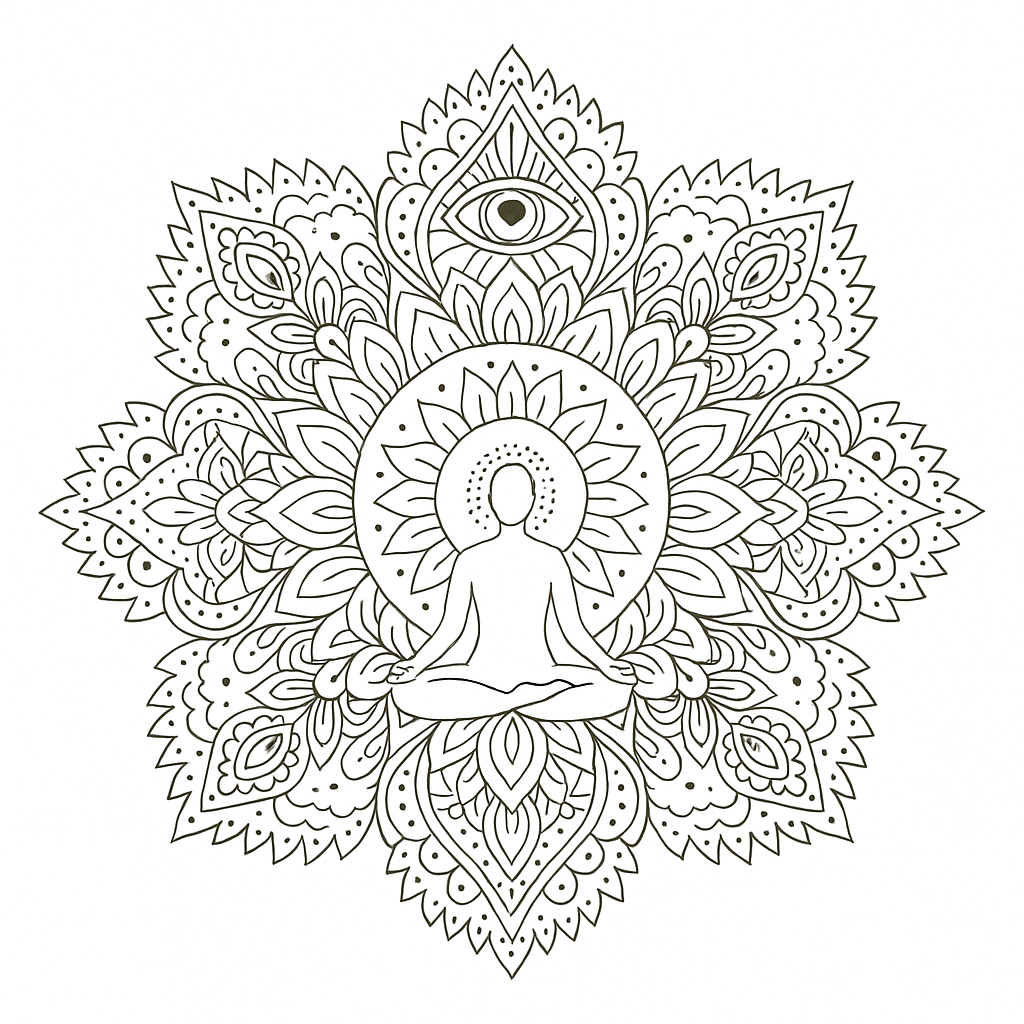
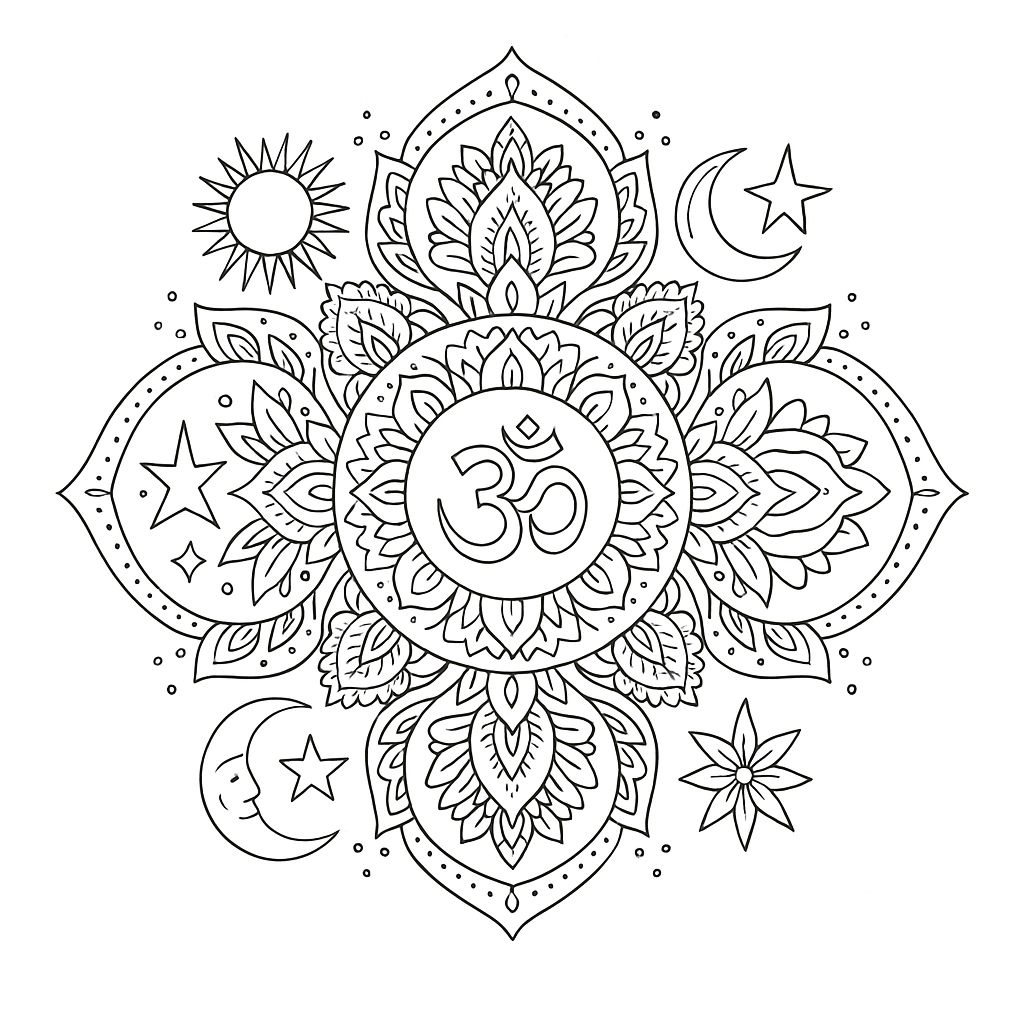
○ Traditional Psychological Mandala: Drawing Guidance Suggestions
This course helps you experience focus and peace through the repetition and symmetry of a traditional psychological mandala. The mandala's circular structure symbolizes wholeness and integration, and through the drawing process, you'll be able to gain a deeper sense of inner order and peace.
1. Stability of the center point
- Draw a small dot in the center of the drawing paper as the starting point of the mandala.
- This point symbolizes the "self" and the "core of the soul".
- As you begin to draw, gaze at this point and feel settled.
2. Concentric Circle Stacking
- Based on the center point, draw concentric circles outward.
- Each layer can represent a psychological level (inner emotions, relationship network, external world).
- Use gradient colors to express expansion and transition from the inside out.
3. Symmetrical Petals and Patterns
- Add symmetrical petals or geometric patterns between the circles.
- Repetitive lines and shapes can help the mind enter a state of meditation and focus.
- Choose your colors to express your emotional energy.
4. Adding symbolic elements
- Add symbolic symbols to different circles (such as the sun = strength, water drops = gentleness, stars = hope).
- These elements can be metaphors of personal meaning, helping to express the subconscious.
- Let the mandala become your own spiritual map.
5. Review and Summary
Write three lines of summary in the blank space of your drawing:
- My favorite layer or symbol in the mandala today: ______
- An emotion I felt while drawing: ______
- I hope the mandala symbolizes a state of mind: ______
Please log in before submitting your drawings and feelings.