

Lesson 941: Overview of the Middle Stage of Acute Disorders
Duration:75 minutes
Topic Introduction:This course will provide an overview of the intermediate-term manifestations and treatment of acute disorders, helping participants understand the transition from the initial stage of acute disorders to the recovery stage. Participants will learn how to identify the symptoms of intermediate-term acute disorders, understand how they differ from long-term disorders, and master effective intervention and coping strategies.
○ Intermediate manifestations of acute disorders
- Evolution of symptoms:Analyze the evolution of symptoms in the early and middle stages of acute disorders and understand changes in symptoms such as mood swings and anxiety.
- Challenges during the transition period:Learn how to recognize mid-acute mood swings, cognitive problems, and adaptive challenges in life.
- Social dysfunction:Explore how the mid-stage of acute disorders affects an individual's social functioning and identify difficulties in social, work, and family life.
- The key to treatment:Understand the key points of medium-term treatment of acute disorders, including psychotherapy, medication, and self-help methods.
▲ AI Interaction: How to Identify and Address Mid-Term Manifestations of Acute Disorders
In the middle stages after a stressful experience, you may still feel confused, but this doesn't mean recovery is impossible.
Please write down the emotions and physical reactions that occur most frequently in the past few days so that they can be seen instead of suppressed.
You can choose a small soothing action, such as taking a deep breath or washing your face with warm water, to help you calm down.
When you write these experiences down, they no longer have complete control over you.
Conclusion: The mid-term goal is stability, not solving all problems at once.
Click the button below to discuss with AI how to identify and respond to mid-term manifestations of acute disorders and learn how to take effective treatment measures.
○ Overview of mid-term acute disorders · Music therapy
When stress comes crashing down on you, play a soothing melody and align your breathing with the beat of the music.
Music can help you slowly calm down your chaotic emotions, just like the waves gradually returning to calm.
Write down the most prominent feelings you have recently had in the melody and let them be released with the notes.
Remind yourself during the chorus: stability is the most important task at this moment.
Conclusion: Music is an anchor for mid-term recovery, bringing you back to the present moment where you can control it.
🍵 Recommended drinks
Herbal tea therapy:The choice of drink can help relieve tension, especially in the mid-stage of an acute disorder, when the right drink can help reduce anxiety and restore emotional balance.
Recommended drinks:Licorice tea is a traditional herbal drink used to relieve stress and anxiety. Licorice has the effect of regulating hormones and reducing mental stress. It helps improve the body's stress resistance and improve mood.
Directions: Steep 1 teaspoon of licorice root in hot water for 5-10 minutes each time. Suitable for consumption when needing to restore energy, relieve anxiety or fatigue, but should not be consumed in excess.
Roasted sweet potatoes with black beans
The combination of complex carbohydrates and plant protein provides long-lasting satiety and stable energy. Dietary fiber and potassium contribute to electrolyte balance and intestinal health. It's a great staple on training days or a cost-effective light meal on the go.
High fiber and fullness
Training friendly
Healing Recipes
/home2/lzxwhemy/public_html/arttao_org/wp-content/uploads/cookbook/kao-hong-shu-pei-hei-dou.html(Please confirm that the file has been uploaded: kao-hong-shu-pei-hei-dou.html)
🎨 Dream Mandala
Dream Healing: Dream Mandala Musings 07 · The Feeling of Flying
Draw flowing lines where silver and blue intertwine. The dream of flight symbolizes freedom and escape. When drawing, feel the direction of the wind—perhaps you are ready to lay down the burdens of the ground.
Flying in dreams is the breath of the soul.

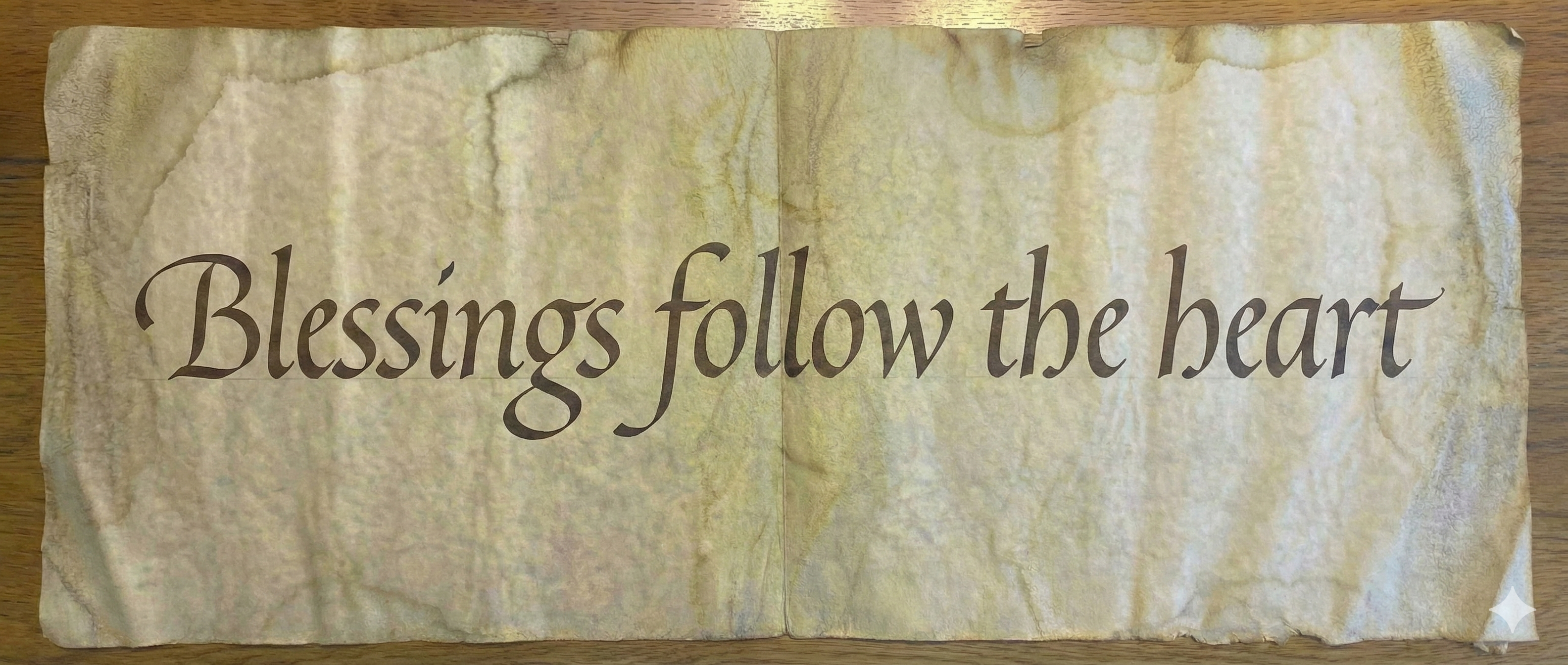
○ Humanistic calligraphy writing practice
Humanist calligraphy from the Italian Renaissance is characterized by elegant, flowing, and balanced letterforms. The intense focus and meticulousness of writing can help regulate emotions, relieve anxiety, and restore emotional stability. The rhythm and harmony between letters during writing can bring psychological relaxation and satisfaction, while also inspiring creativity and inner peace.
Tips and suggestions:
- Written words:
I trust the self-healing power of my body and mind. - Writing Tips:
When writing this sentence, it's recommended to use gentle, steady, and trusting strokes, maintaining a steady breathing and a natural, relaxed rhythm. Think of the writing process as a process of connecting with your body and mind, becoming aware of your current physical state and experiencing a sense of mental stability. Each stroke conveys trust and support, helping you build confidence in your inner self-healing power. - Daily recommendations:
Recite this phrase daily in Humanist Script as a practice to strengthen your confidence in self-healing. You can practice writing as part of your self-care routine when you need to recover, feel tired, or feel anxious. While writing, be aware of your body's reactions, relax areas of tension, and actively send messages of trust and support to your body and mind. With consistent practice, this will help strengthen your connection to your inner healing power and enhance your self-healing abilities.
Lesson 941: Overview of the Middle Stage of Acute Disorders
Objective: To understand the formation process and psychological reactions of acute stress disorder and to develop awareness of symptoms.
Steps: Draw a curve from peak to trough, marking the different stages with colors: shock, confusion, relief, and rebuilding. Let drawing help you understand that psychological fluctuations are part of the process, not a failure.
Please log in before submitting your drawings and feelings.
○ 941. Mid-stage overview of acute disorder • Journal-guided suggestions
① Take three slow breaths. Write down your three most obvious reactions (emotional/physical/mental) at the moment, naming them without commenting.
② Event Axis: Write down the key fragments of the past 72 hours as a timeline, and mark the two fragments that are still affecting you at the moment.
③ Safety Scan: List three people you can contact and the safest place as a "way station" when your emotions rise.
④ Stabilization Toolbox: Breathe 4 times, Clench and relax your fists 3 times, or press your feet on the ground for 30 seconds. Choose one of these as your first choice for today.
⑤ Self-permission: Allow yourself to complete only the necessary tasks today. Add unfinished tasks to tomorrow's to-do list to reduce internal friction.
⑥ Conclusion: The mid-term goal is stability, not solving all problems; stand firm first, then move forward.
Please log in to use.
Through this course, you will be able to better understand the mid-term overview of acute disorders and learn how to regulate and restore physical and mental balance through painting, diet therapy, and herbal teas.