

Lesson 942: Symptoms of the Pre-Acute Disorder
Duration:75 minutes
Topic Introduction:This course will introduce the early symptoms of acute disorders and help students understand the early warning signs that may appear before an acute disorder occurs. Students will learn how to identify these symptoms and take timely measures to prevent the disorder from developing into more serious emotional or psychological problems.
○ Symptoms in the early stages of acute disorder
- Mood changes:Participants will learn how to recognize mood swings, including early signs of anxiety, anger, depression, and feelings of powerlessness.
- Cognitive response:Understand the cognitive impairments that may occur in the early stages of acute disorders, such as inattention and difficulty making decisions.
- Physical symptoms:Discuss the physical symptoms of the early stages of acute disorders, such as fatigue, insomnia, and changes in appetite, to help students identify physical signals.
- Social avoidance:Analyze how individuals may exhibit social withdrawal and avoidant behaviors in the early stages of the acute disorder.
- Early intervention:Describe how to conduct early intervention after identifying these symptoms to prevent them from getting worse.
▲ AI Interaction: How to identify early symptoms of acute disorders and intervene
Early symptoms often come on suddenly and may include insomnia, a rapid heartbeat, or hypervigilance.
Try writing down your three most noticeable symptoms today and rate their intensity (0–10).
After journaling, choose a symptom and try to relieve it with breathing or music.
You will find that when you focus on your body, the discomfort will be alleviated.
Conclusion: Symptoms are your body's signals, not your fault.
Click the button below to discuss with AI how to identify early symptoms of acute disorders and learn how to take effective response and intervention measures.
○ Symptoms of early stages of acute disorders · Music therapy
Early symptoms can often feel confusing and helpless. Play some soft piano music and allow your body to slow down.
As you listen, write down three symptoms you experienced today: for example, waking up with a start, a racing heart, or numbness.
As the melody flows, bring your attention back to your breath and your feet, and find a sense of stable presence.
Music is like a gentle light that helps you see and carry these experiences.
Conclusion: Symptoms are not failures, but the body’s request for care.
🍵 Recommended drinks
Recommended reasons:The right drink can help relieve anxiety and stress in the early stages of an acute disorder and improve emotional stability. Today's recommended drink:
Recommended drinks:Chrysanthemum tea helps to clear the liver and improve eyesight, relieving eye fatigue and headaches. In addition, chrysanthemum tea can calm the nerves and help alleviate mood swings and sleep problems caused by anxiety.
Instructions: Place 2-3 chrysanthemum flowers in hot water and steep for 5-10 minutes each time. This can be drunk in the afternoon to help refresh the mind, enhance relaxation, and reduce anxiety caused by work stress.
Whole Grain Quinoa Salad
Quinoa's complete protein, combined with colorful fruits and vegetables and healthy fats, boosts satiety and micronutrient density. Its high fiber content helps maintain intestinal health and blood sugar levels. Its refreshing flavor makes it ideal for light meals and midday snacks.
High fiber and refreshing
Light lunch
Healing Recipes
/home2/lzxwhemy/public_html/arttao_org/wp-content/uploads/cookbook/quan-gu-li-mai-sha-la.html(Please confirm that the following has been uploaded: quan-gu-li-mai-sha-la.html)
🎨 Dream Mandala
Dream Healing: Dream Mandala Musings 08 · The Scene of Chase
Use deep red and gray-blue to create a spiral. The dream that is being chased often hides repressed fear. Slow down the lines, allowing the energy of "escape" to transform into the courage to "face" it.
The pursuit of dreams is a reflection of fear.

○ Humanistic calligraphy writing practice
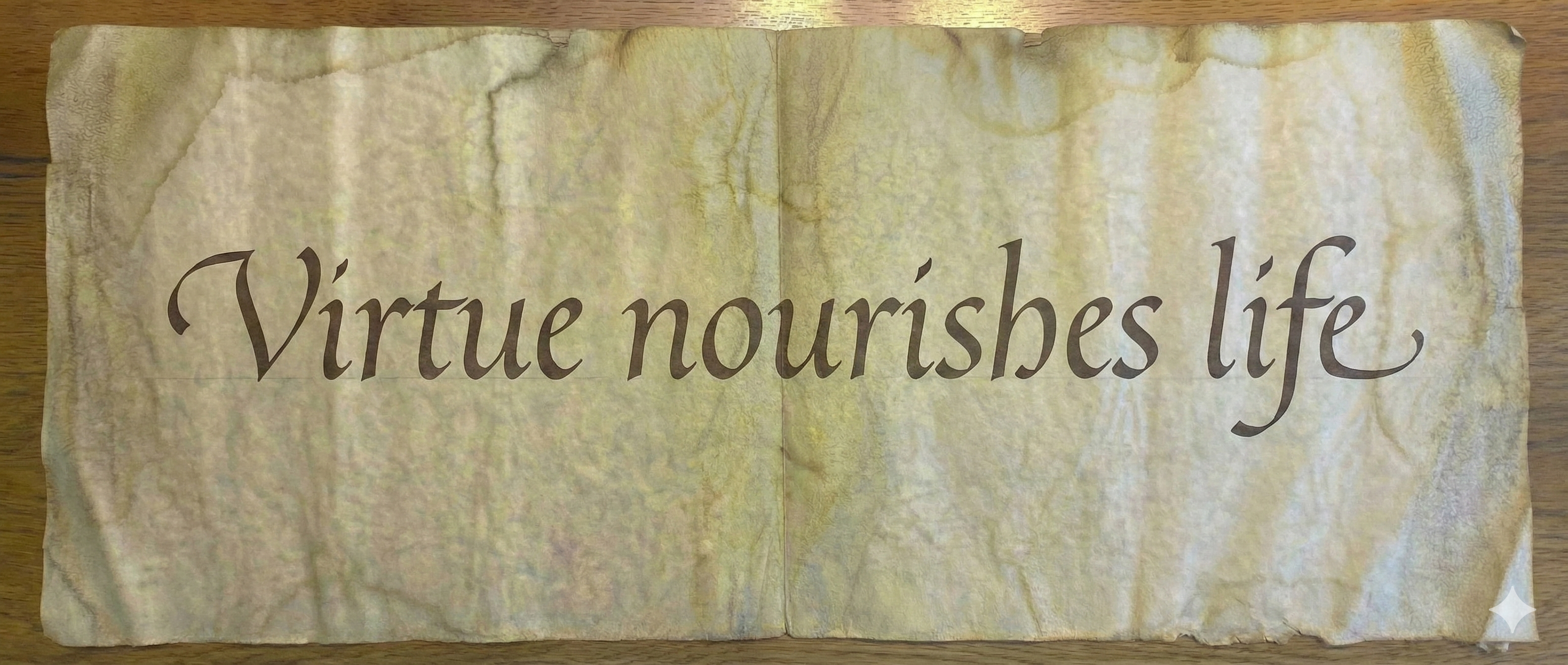
Humanist calligraphy from the Italian Renaissance is characterized by elegant, flowing, and balanced letterforms. The intense focus and meticulousness of writing can help regulate emotions, relieve anxiety, and restore emotional stability. The rhythm and harmony between letters during writing can bring psychological relaxation and satisfaction, while also inspiring creativity and inner peace.
Tips and suggestions:
- Written words:
I am making small progress every day. - Writing Tips:
When writing this phrase, it's recommended to maintain a delicate, steady rhythm, focusing on the integrity and balance of each stroke, symbolizing the daily accumulation of small steps. There's no need to strive for speed or perfection; the process itself is a manifestation of progress. While writing, you can silently recite "Every step is worth affirming" to reinforce the idea that "the process is more important than the result." Let writing become a spiritual companion, encouraging you to keep moving forward. - Daily recommendations:
Recite this sentence daily in Humanist Script as a practice to strengthen your awareness of small steps forward. Doing this at the end of each day or as part of your morning ritual will help you reflect on your progress and strengthen your patience and confidence. Long-term practice will help you develop an inner "accumulation consciousness," reduce impatience and self-denial, and strengthen your ability to take steady, sustained action.
Lesson 942: Symptoms of the Pre-Acute Disorder
Objective: To identify early signs of acute stress disorder and help people adjust and seek help in a timely manner.
Steps: Draw a human silhouette, and use color to mark different parts of the body to represent sensations such as tension, trembling, rapid heartbeat, or numbness. Observe their distribution and surround them with soft lines to symbolize acceptance and comfort.
Please log in before submitting your drawings and feelings.
○ 942. Symptoms of the Pre-Acute Disorder: Journaling Guidance Suggestions
① Symptom Checklist: awakening/flashback/irritability/numbness/hypervigilance, each with a score of 0–10, with items above 6 points recorded.
② Situation matching: For each high-scoring symptom, write down the time and place where it most often occurs and identify the fixed trigger points.
③ Body comfort: cold/warm compress for 30 seconds + four beats of inhalation and six beats of exhalation × 4 rounds, and immediately review the score changes.
④ Attention anchor: List 5 visible objects and 4 tangible objects to bring yourself back to the “here and now”.
⑤ Today’s boundary: Reduce information intake and disputes, leaving space for the nervous system.
⑥ Conclusion: Seeing the symptoms is the first step to keeping distance from them.
Please log in to use.
Through this course, you will be able to better understand the symptoms of pre-acute disorders and learn how to regulate and restore physical and mental balance through painting, diet therapy, and herbal teas.