

Lesson 982: Types of Psychological Adjustment Disorders
Duration:75 minutes
Topic Introduction:This course will provide a detailed introduction to the different types of psychological adjustment disorders, including acute stress disorder, adjustment disorder, and depression, helping students identify the symptoms and characteristics of each type. Students will learn the causes, symptoms, and treatments of each type, and learn how to effectively cope with and manage these disorders.
○ Types of psychological adjustment disorders
- Acute stress disorder:This disorder typically develops after a traumatic event, and symptoms may include flashbacks, nightmares, and intense anxiety, typically appearing days to weeks after the event.
- Adjustment Disorders:Adjustment disorder refers to the inability of an individual to effectively adapt after experiencing major life changes (such as unemployment, divorce, loss of loved ones, etc.), resulting in symptoms such as emotional instability and behavioral changes.
- depression:Depression is common in individuals with psychological adjustment disorders, and is manifested as persistent sadness, loss of interest, low energy, etc., which seriously affect daily functions.
- Anxiety disorders:Anxiety disorder is another common type, which is manifested as persistent tension, uneasiness, fear and other emotions. In severe cases, it may lead to social avoidance and physical symptoms.
- Post-traumatic stress disorder (PTSD):This disorder usually occurs after experiencing major trauma (such as natural disasters, war, violent incidents, etc.), and manifests as traumatic memories, avoidance symptoms, emotional numbness, etc.
▲ AI Interaction: How to Identify and Manage Different Types of Psychological Adjustment Disorders
Adjustment disorders may manifest as anxiety, depression, or disorganized behavior.
Please write down the most outstanding performance of your day and describe what it looks like in your life.
Think again about how you can mitigate this behavior a little.
Conclusion: When the type is clearly identified, care can be more targeted.
Click the button below to discuss with AI how to identify and manage different types of psychological adjustment disorders and learn effective emotional regulation and recovery techniques.
○ Types of psychological adjustment disorders · Music therapy
Different melodies represent different emotions. Light, lyrical, or somber, which one is more like your mood?
Play the corresponding music style and write down your main reaction pattern while listening.
Match a "song for the symptoms" to this emotion to comfort and remind you.
Conclusion: Distinguishing types is to find the right beat for your heart.
🍵 Aromatherapy Drinks
Recommended reasons:The natural plant extracts in aromatherapy can help regulate mood, relieve anxiety, and restore emotional balance. It is suitable for use during emotional fluctuations to help students soothe their mood.
Recommended drinks:Neroli lemonade. Neroli is known to soothe nerves and elevate mood. Combined with the refreshing taste of lemon, it can help alleviate mood swings caused by anxiety and stress. Neroli, rich in natural aromatic molecules, relaxes the body and detoxifies, while the tartness of lemon has a refreshing effect.
usage:Soak 1 tablespoon of dried orange blossoms in warm water for 5 minutes, then add lemon juice and stir well. This is a great morning or afternoon drink to refresh your mind, relieve tension, and boost overall energy.
Maple Walnut Pancakes
Complex carbohydrates and unsaturated fats from nuts work together to provide stable energy and enhanced satiety. Vitamin E and trace minerals support skin and nerve function. Perfect for breakfast or a snack during a high-focus workday.
Nut Benefits
Dedicated support
Healing Recipes
/home2/lzxwhemy/public_html/arttao_org/wp-content/uploads/cookbook/feng-tang-he-tao-jian-bing.html(Please confirm that the following has been uploaded: feng-tang-he-tao-jian-bing.html)🎨 Dream Mandala
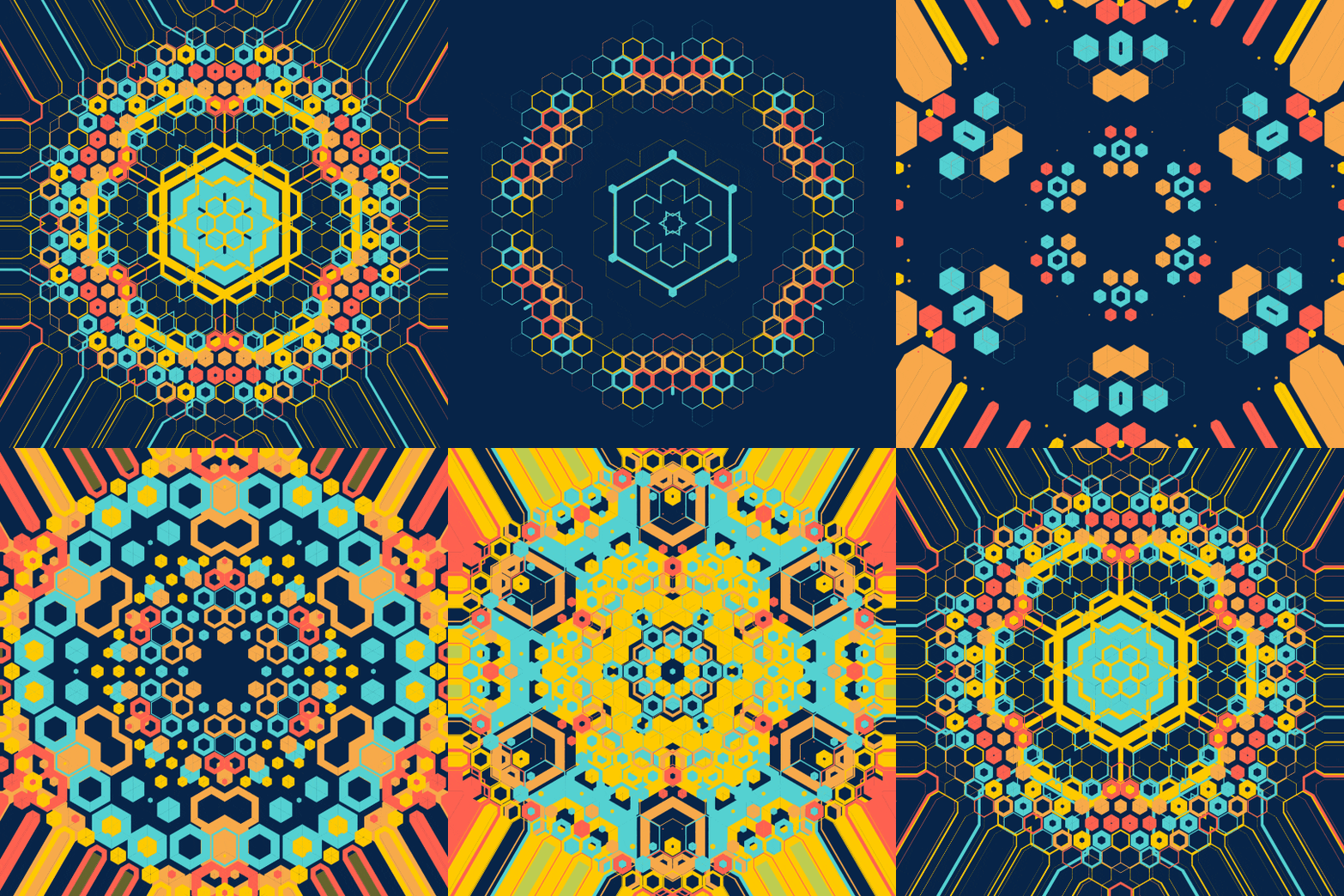
Dream Healing: Dream Mandala Imagery 14 - Underwater Breathing
Draw concentric circles that gradually fade from deep blue. The underwater world in the dream symbolizes repressed emotions. Please breathe slowly as you draw, and learn to exist peacefully even in the depths of your emotions.
Water in dreams is a mirror of emotions.
○ Humanistic calligraphy writing practice
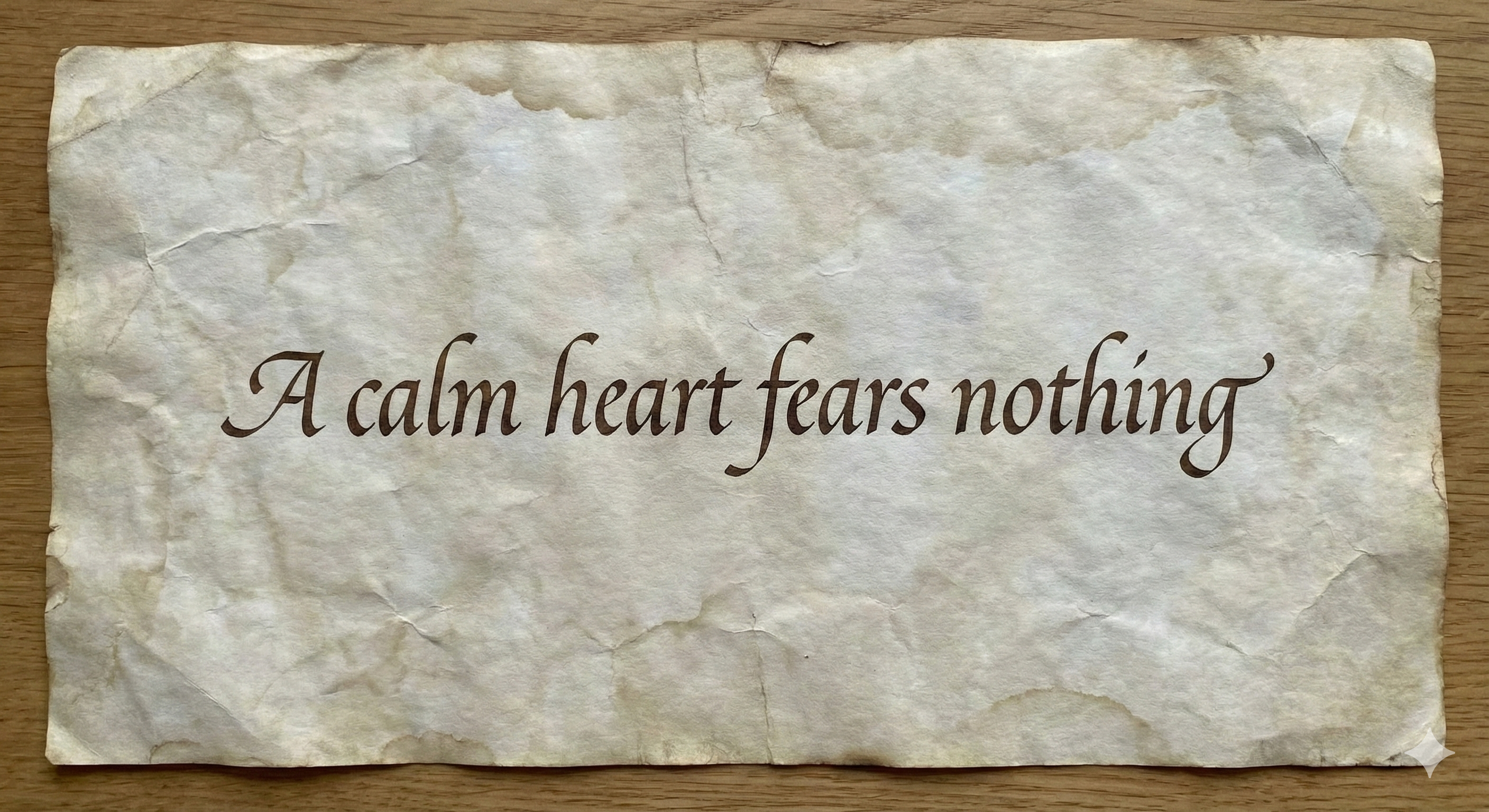
Humanist calligraphy from the Italian Renaissance is characterized by elegant, flowing, and balanced letterforms. The intense focus and meticulousness of writing can help regulate emotions, relieve anxiety, and restore emotional stability. The rhythm and harmony between letters during writing can bring psychological relaxation and satisfaction, while also inspiring creativity and inner peace.
Tips and suggestions:
- Written words:
My existence is valuable just as it is. - Writing Tips:
When writing this sentence, it's recommended to use steady, gentle, and affirmative strokes. Be aware of any inner voices urging you to write well or perfectly. If so, gently remind yourself, "I am inherently valuable; writing alone doesn't need to prove anything." Each stroke is an affirmation of your own existence. Maintain a steady breathing and a natural, relaxed writing rhythm, allowing your brushstrokes to convey acceptance and appreciation of your own existence. - Daily recommendations:
Recite this sentence daily using Humanist Script as a practice for internalizing your sense of self-worth. This practice is particularly recommended during times of low self-esteem, self-denial, and fatigue to help stabilize your sense of intrinsic worth. You can also combine this practice with mirror practice or inner dialogue to reinforce the belief that "I am inherently worthy of being cherished." Long-term practice can help reduce self-criticism, foster self-acceptance, and foster a stable sense of self-identity.
Lesson 982: Types of Psychological Adjustment Disorders
Objective: To understand different manifestations of psychological adjustment disorders, such as anxiety-type, depression-type, and mixed-type, through drawing.
Steps: Draw circles in three colors: blue for depression, red for anxiety, and purple for a mixed state. Observe their proportions in the picture and become aware of your current mental energy state.
Please log in before submitting your drawings and feelings.
○ 982. Types of Psychological Adjustment Disorders • Journaling Guidance Suggestions
① Identify your dominant type: Anxious/Depressed/Behavioral Disorder/Mixed, and write down the one that best describes you.
② Evidence record: The three manifestations that best represent this type today, specific to the situation.
③ Corresponding strategies: assign a corresponding strategy to each behavior (e.g., anxiety → breathing + walking; depression → cutting tasks into smaller pieces).
④ Inventory of resources: Who/what supports you? List them and plan how to use them better.
⑤ A reminder: Write your strategy on a card and put it in your pocket or on your phone.
⑥ Conclusion: Matching is not a label, but a matching tool.
Please log in to use.
Through this course, you will be able to better understand the types of psychological adjustment disorders and learn how to regulate and restore the balance of body and mind through methods such as aromatherapy, diet therapy and calligraphy.