

Lesson 983: Causes of Psychological Adjustment Disorders
Duration:75 minutes
Topic Introduction:This course will delve into the causes of psychological adjustment disorders and help students understand how they arise in response to different stressors and life events. Students will learn how multiple factors, including emotions, cognition, environment, and biology, jointly influence an individual's psychological adjustment and understand how these factors interact to lead to adjustment disorders.
○ Causes of psychological adjustment disorders
- Environmental factors:Major changes in life (such as unemployment, loss of a loved one, divorce, etc.) or ongoing life stress may cause individuals to feel unable to cope, leading to psychological adjustment disorders.
- Individual factors:Differences in individual personality traits, coping strategies, and emotional regulation abilities when coping with stress may make some people more susceptible to developing psychological adjustment disorders.
- Social support:The absence or weakening of social support networks, especially when facing stress, may make it more difficult for individuals to adapt to environmental changes and increase the risk of adjustment disorders.
- Genetic and biological factors:Some individuals may be more susceptible to stress and prone to adjustment disorders due to genetic or biological factors (such as an imbalance of neurotransmitters).
- Psychological factors:An individual's emotional response, cognitive style, and past traumatic experiences may affect their perception and response to stressors, thereby affecting their ability to adapt.
- Cognitive distortions:An individual's cognitive style, such as excessive pessimism, catastrophic thinking, or overgeneralization, may make the individual more likely to feel helpless and anxious when facing stress, thereby causing adjustment disorders.
▲ AI Interaction: How to Identify and Manage the Causes of Psychological Adjustment Disorders
Causes are often the result of a combination of events, personal traits, and circumstances.
Please write down a specific event that triggered you and your immediate reaction to it.
Write down another resource that might help you regulate, such as friends, music, or exercise.
Conclusion: When both the causes and resources are visible, you will be more powerful.
Click the button below to discuss with AI how to identify and understand the causes of psychological adjustment disorders, and learn how to manage these factors and reduce the occurrence of adjustment disorders.
○ Causes of psychological adjustment disorders · Music therapy
Use drum beats to perceive the source of stress: the strong beats of external events, the weak beats of internal beliefs, and the chords of resource support.
Find the missing voice in the ensemble: perhaps for rest, perhaps for companionship.
Write a gentle refrain to it, such as a daily ten-minute walk or phone call.
Conclusion: When the arrangement is more complete, the heart will be more supported.
🍵 Aromatherapy Drinks
Recommended reasons:Aromatherapy drinks can help relieve anxiety and balance emotions, especially when facing stress, helping students to soothe their emotions.
Recommended drinks:Neroli lemonade. Neroli is known to soothe nerves and elevate mood. Combined with the refreshing taste of lemon, it can help alleviate mood swings caused by anxiety and stress. Neroli, rich in natural aromatic molecules, relaxes the body and detoxifies, while the tartness of lemon has a refreshing effect.
usage:Soak 1 tablespoon of dried orange blossoms in warm water for 5 minutes, then add lemon juice and stir well. This is a great morning or afternoon drink to refresh your mind, relieve tension, and boost overall energy.
Maple syrup roasted pumpkin
Pumpkin is rich in beta-carotene and dietary fiber, and paired with the gentle sweetness of maple syrup, it offers both eye-protecting and antioxidant benefits while also providing satiety and energy. It's perfect for those times of oil control and a light-hearted alternative to staples, and a welcome relief from the stress of eating.
High fiber and fullness
Light burden
Healing Recipes
/home2/lzxwhemy/public_html/arttao_org/wp-content/uploads/cookbook/feng-tang-kao-nan-gua.html(Please confirm that the file feng-tang-kao-nan-gua.html has been uploaded)🎨 Dream Mandala
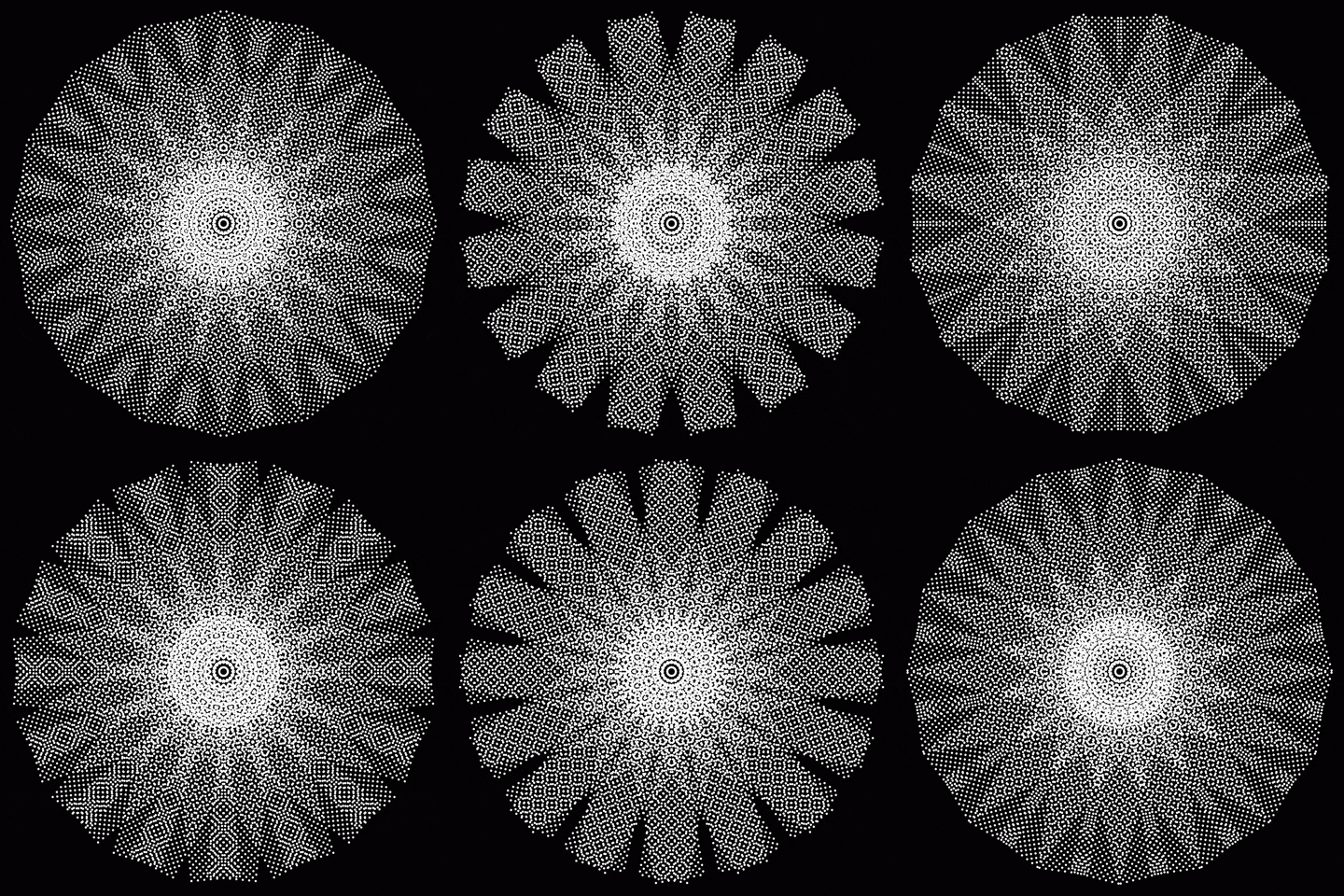
Dream Healing: Dream Mandala Mnemonic Thoughts 15 · Shattered Mirror
Outline the cracked shape with silver thread. The mirror in the dream reflects the fissures in your self-awareness. When drawing, don't rush to repair it; let the brokenness allow light to enter your heart in a new way.
A crack is the entrance for light.
○ Humanistic calligraphy writing practice
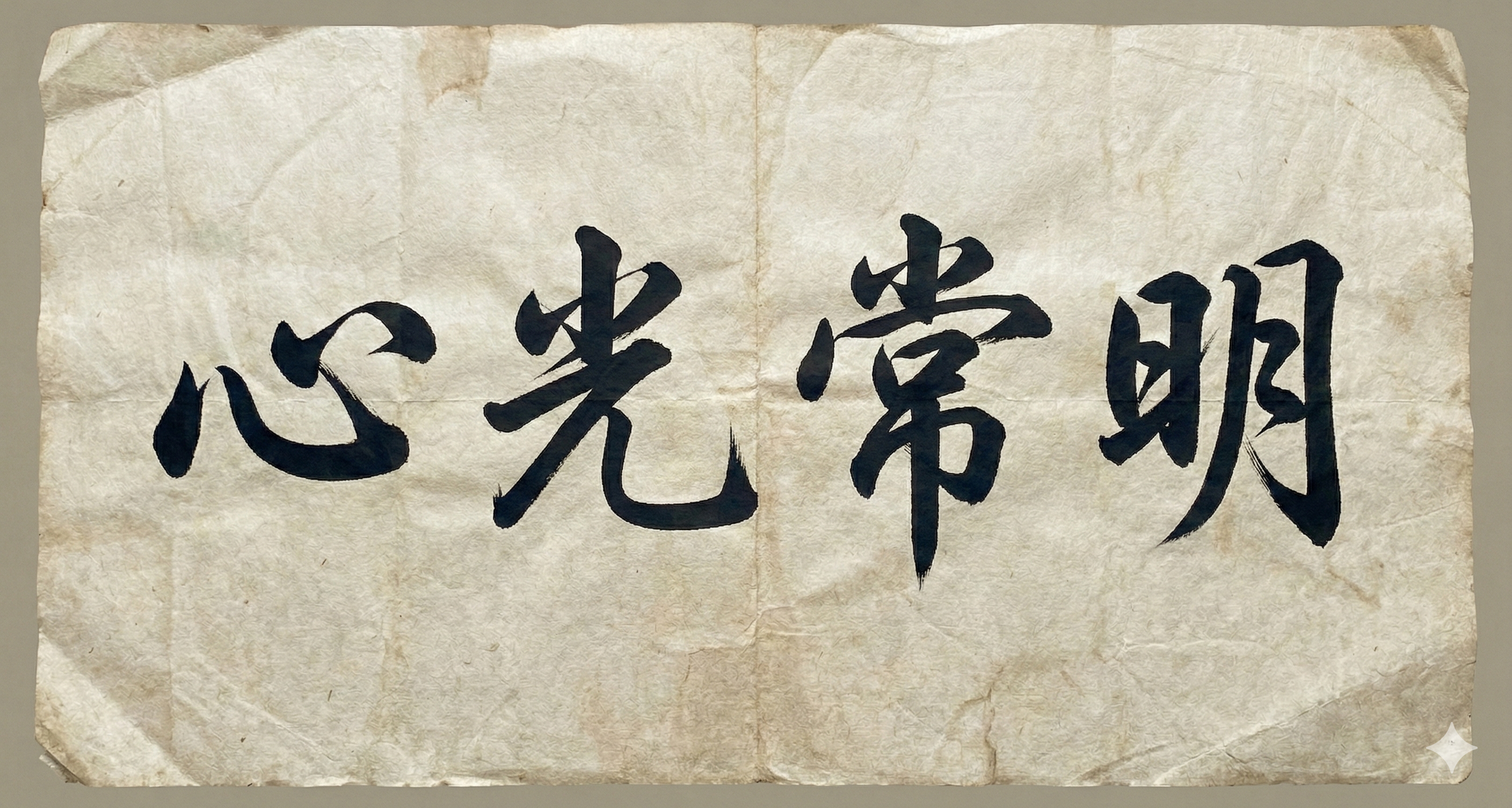
Humanist calligraphy from the Italian Renaissance is characterized by elegant, flowing, and balanced letterforms. The intense focus and meticulousness of writing can help regulate emotions, relieve anxiety, and restore emotional stability. The rhythm and harmony between letters during writing can bring psychological relaxation and satisfaction, while also inspiring creativity and inner peace.
Tips and suggestions:
- Written words:
I am worthy of love and to be loved. - Writing Tips:
When writing this phrase, it's recommended to use gentle, cherishing strokes, focusing on the flow and ease of each stroke, symbolizing an openness to love and being loved. During the process, be aware of any thoughts like "I'm not good enough" or "What do I need to do to deserve love?" If so, gently remind yourself, "I already am worthy of love." Consider the writing process an exercise in communicating your belief in love to yourself. - Daily recommendations:
Recite this phrase daily using the Humanist Script as an exercise to strengthen your sense of the value of love and self-esteem. It's recommended to proactively practice it during times of low mood or relationship distress to help restore your openness to love. Pair it with a spiritual self-talk, silently repeating, "I am worthy of love, no conditions required." Long-term practice can help reduce inner self-denial, strengthen self-respect and trust in interpersonal relationships, and promote healthier intimate experiences.
Lesson 983: Causes of Psychological Adjustment Disorders
Objective: To understand the relationship between external events and internal resources through visual means.
Steps: Draw a circle. Write "External Events" (such as work, relationships, illness) on the left half and "Internal Resources" (such as support, beliefs, resilience) on the right half. Observe which side takes up more space and think about how to balance it.
Please log in before submitting your drawings and feelings.
○ 983. Causes of Psychological Adjustment Disorders: Journaling Guidance Suggestions
① Ecological perspective: event itself × individual characteristics × resource support, write down the key points of each in three lines.
② Susceptible periods: The two most vulnerable periods of the day and typical thoughts, arrange buffer measures in advance.
③ Controllable and uncontrollable: Sort your worries into two columns, and prioritize taking action on the small things in the "controllable" column.
④ Body coordination: The minimum standards of sleep/eating/hydration, achieve the second one today.
⑤ Self-compassion exercise: Express your understanding of “Why am I still not adapting?”
⑥ Conclusion: Once you see the cause clearly, your sense of power will return.
Please log in to use.
Through this course, you will be able to better understand the causes of psychological adjustment disorders and learn how to regulate and restore the balance of body and mind through methods such as aromatherapy, diet therapy and calligraphy.