

Lesson 986: Strategies for Preventing Mental Adjustment Disorders and Self-Care
Duration:75 minutes
Topic Introduction:This course will introduce strategies for preventing psychological adjustment disorders and help participants understand how to enhance their resilience to stress and reduce the risk of developing psychological adjustment disorders through self-care and healthy lifestyle habits. Participants will learn how to manage emotions, develop effective coping mechanisms, and maintain mental health through daily practices.
○ Strategies to prevent psychological adjustment disorders and self-care
- Emotion Regulation Skills:Learn how to use emotion regulation techniques such as meditation, deep breathing exercises, and mindfulness training to help yourself maintain mental balance and reduce stress.
- Healthy Lifestyle:Maintaining a regular schedule, a balanced diet, moderate exercise, and adequate rest can help enhance the body's adaptability and effectively prevent psychological adjustment disorders.
- Build a support system:Cultivating healthy relationships and social networks and building a solid social support system can help you cope with the stresses and challenges in life.
- Positive self-talk:Through positive self-talk, we can help change negative thinking patterns, enhance self-confidence and self-efficacy, and reduce the accumulation of anxiety and stress.
- Relax and rest regularly:Learn to make time for relaxation in your daily life and avoid chronic overwork or excessive stress. Regular rest and relaxation activities can help you restore your energy and maintain your mental health.
▲ AI Interaction: How to implement prevention strategies and self-care
Prevention is about establishing a steady rhythm and a self-support system.
List three small things that bring you peace of mind and schedule them at a certain time each day.
These habits will be your safety net when change comes.
Conclusion: The essence of prevention is to sow safety and stability in daily life.
Click the button below to discuss with AI how to implement prevention strategies for psychological adjustment disorders and learn how to improve your quality of life through self-care.
○ Strategies to prevent psychological adjustment disorders and self-care · Music therapy
Prevention is a daily background music that lasts forever. Prepare three playlists: stability, motivation, and relaxation.
Incorporate them into your mornings, afternoons, and bedtimes, and make the melodies a ritual.
When you're under pressure, press play first and make decisions later.
Conclusion: Music makes self-care more rhythmic and sustainable.
🍵 Aromatherapy Drinks
Recommended reasons:Aromatherapy drinks use scent and subtle taste to help regulate mood, relieve anxiety and stress, and support students in self-care.
Recommended drinks:rose herbal tea
Introduction: Rose tea has a calming and mood-boosting effect and is often used to relieve negative emotions caused by depression and anxiety. The natural essential oils in roses can reduce physical stress, promote blood circulation, improve mood, and help restore mental health.
Instructions: Steep 2-3 dried rosebuds in hot water for 5-10 minutes. Drink 1-2 cups daily to help relieve anxiety, alleviate low mood, and boost the body's immunity.
○ Roast chicken with potatoes
High-quality protein and complex carbohydrates combined with a meal provide a more stable satiety and endurance. Potassium and B vitamins support nerve relaxation and muscle recovery. Perfect for post-workout or a busy weekday dinner.
Endurance
Restore friendship
Healing Recipes
/home2/lzxwhemy/public_html/arttao_org/wp-content/uploads/cookbook/roast-chicken-potato.html(Please confirm that roast-chicken-potato.html has been uploaded)
🎨 Dream Mandala
Dream Healing: Dream Mandala Imagery 18 - The Symbolism of the Ladder
Draw intersecting straight lines. The ladder in the dream symbolizes a shift in the level of consciousness. When drawing, please draw from bottom to top, allowing the awakening to gradually extend towards the light.
Climbing is the growth of the soul.
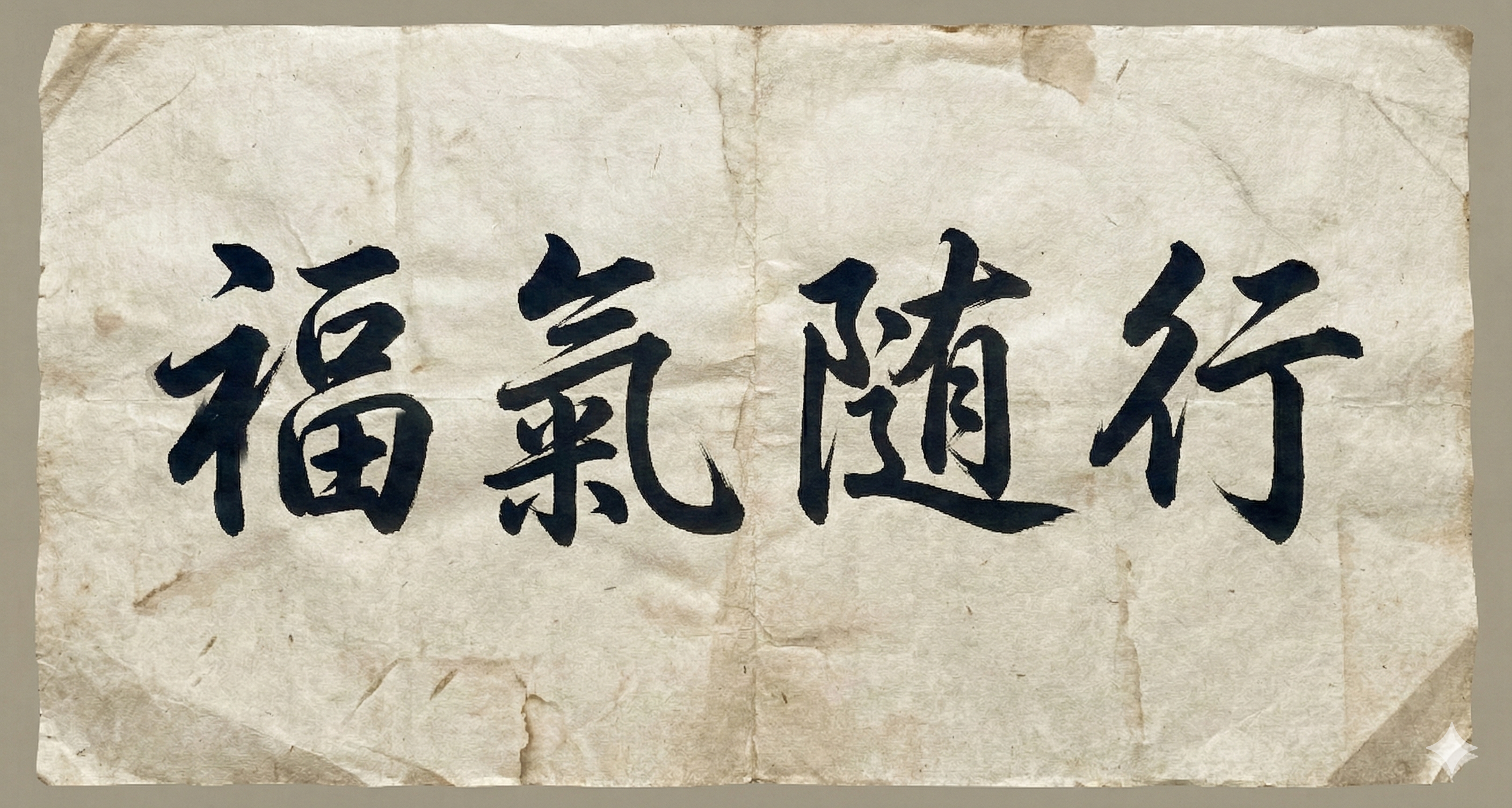
○ Humanistic calligraphy writing practice
Humanist calligraphy from the Italian Renaissance is characterized by elegant, flowing, and balanced letterforms. The intense focus and meticulousness of writing can help regulate emotions, relieve anxiety, and restore emotional stability. The rhythm and harmony between letters during writing can bring psychological relaxation and satisfaction, while also inspiring creativity and inner peace.
Tips and suggestions:
- Written words:
Each smile reflects the strength within me. - Writing Tips:
When writing this phrase, it's recommended to use light, open, and flowing strokes to embody the warmth and strength a smile carries. Keep your breathing natural, and hold the image of a smile in your mind, allowing the writing process to channel positive energy. If you notice your mood faltering or becoming rigid, gently bring your attention back to the connection between "smile" and "strength," expressing your inner warmth and resilience with every stroke. - Daily recommendations:
Recite this sentence daily using Humanist Script as a practice to enhance your expression of positive emotions and inner strength. This practice is recommended for times of stress or lows, helping you reconnect with your inner resilience and confidence. Smiling while writing can help strengthen your mind-body alignment. Long-term practice can help enhance your experience of positive emotions, strengthen your inner resilience, and enhance your ability to express positive emotions in challenging situations.
Lesson 986: Strategies for Preventing Mental Adjustment Disorders and Self-Care
Objective: To enhance psychological resilience by planning self-care strategies through drawing.
Steps: Draw a "flower of self-care," writing elements such as rest, exercise, confiding, boundaries, and hobbies on the petals. Let the flower become a symbol of your daily mental protection.
Please log in before submitting your drawings and feelings.
○ 986. Strategies for Preventing Adjustment Disorders and Self-Care: Journaling Guidance Suggestions
① Change Outpost: List three upcoming changes and possible risks, and arrange support in advance.
② Rhythm protection: the "minimum viable standards" of sleep/diet/exercise/connection. Let's complete the second one today.
③ Emotional buffer: Organize your emotions (writing/meditation/music) for 10 minutes every day and make it a regular ritual.
④ Threshold for seeking help: Write down three situations and people you are willing to seek help from, and prepare the opening words.
⑤ Self-reward: Give yourself a non-material reward (a walk/sunlight/a song) when you complete your micro-goals.
⑥ Conclusion: The essence of prevention is to put yourself in a supported position.
Please log in to use.
Through this course, you will be able to better understand strategies and self-care methods to prevent psychological adjustment disorders, and learn how to regulate and restore physical and mental balance through methods such as aromatherapy, diet therapy, and calligraphy.