

Lesson 1021: An Overview of Childhood Psychological Trauma
Duration:75 minutes
Topic Introduction:This course will introduce the concept, impact, and consequences of childhood trauma, helping students understand the long-term psychological and physiological impacts of childhood experiences. Students will also learn how to identify the signs of childhood trauma and master coping and treatment methods.
○ The impact of childhood psychological trauma
- Definition and performance:Understand what childhood trauma is and how it affects an individual's emotions, behavior, and cognitive patterns.
- Type of trauma:Analyze the impact of different types of childhood trauma, including physical abuse, emotional neglect, and breakdown of intimate relationships, on children's psychology.
- Long-term consequences:Explore the impact of childhood psychological trauma on adulthood, such as anxiety, depression, and mood disorders.
- Traumatic memories and emotional expression:Analyze how traumatic memories are stored in the brain and how these unprocessed emotions affect daily life.
- The impact of self-identity:Discusses how childhood trauma affects an individual's self-identity and relationships with others, particularly the trust issues that arise in adulthood.
▲ AI Interaction: How to Identify and Understand the Impact of Childhood Trauma
Childhood trauma is often hidden deep in the heart, like an undercurrent affecting current emotions and behaviors.
Please write down the most profound experience in your memory. No details are needed, just write down the feeling it brought.
Allow yourself to acknowledge that these experiences existed and affected you.
Conclusion: When you can look back gently, the door to healing will slowly open.
Click the button below to join AI in exploring how to identify the impact of childhood psychological trauma and learn how to recover and heal from it.
○ Overview of Childhood Trauma· Music Therapy
Please play a gentle and slow melody to calm your mind. Music is like a soft hand, caressing the waves deep in your memory.
Accompanied by the melody, write down the three words that most intuitively come to you about "trauma" and let them be released with the notes.
During the chorus, whisper to yourself, “I tried my best then, and now I am healing.”
Music reminds you that your trauma is not you, and you are learning to let it go.
🍵 Aromatherapy Drinks
Recommended reasons:In the aromatherapy system, some natural plant extracts are also mixed with warm water for drinking, such as adding a few drops of lemon balm, rose water, or orange blossom water, as a small drink for emotional balance.
It is mainly used in small amounts, emphasizing the dual psychological effect of aroma and subtle taste.
Lemongrass Honey Tea:Lemongrass has a refreshing and soothing effect, helping to relieve physical discomfort caused by anxiety and stress. Combining honey and lemongrass can help soothe stomach upset, while also boosting mood and immunity. This drink is especially suitable for when feeling anxious or stressed.
Instructions: Take 2-3 fresh lemongrass stalks, boil them in hot water for 5-7 minutes, add honey and stir well. Drink 1-2 cups daily to help relax the body, relieve anxiety, promote digestion and mood recovery.
○ Jewish fish balls
High-quality fish protein and omega-3 support cardiovascular and inflammatory balance. Its mild texture makes it easily digestible and absorbable. Perfect for family meals and recovery time, it helps maintain focus and mood.
Easy to digest
Protecting Heart Balance
Healing Recipes
/home2/lzxwhemy/public_html/arttao_org/wp-content/uploads/cookbook/gefilte-fish.html(Please confirm that gefilte-fish.html has been uploaded)
🎨 Dream Mandala
Dream Healing: Dream Mandala (Image of a Dream Mandala) - Article 19
The strangers who appear in your dreams are the embodiment of your forgotten emotions. Whether they are kind or indifferent, they all convey a message: integration is not about banishing different aspects, but about learning to let them coexist.
Strangers are the forgotten self.

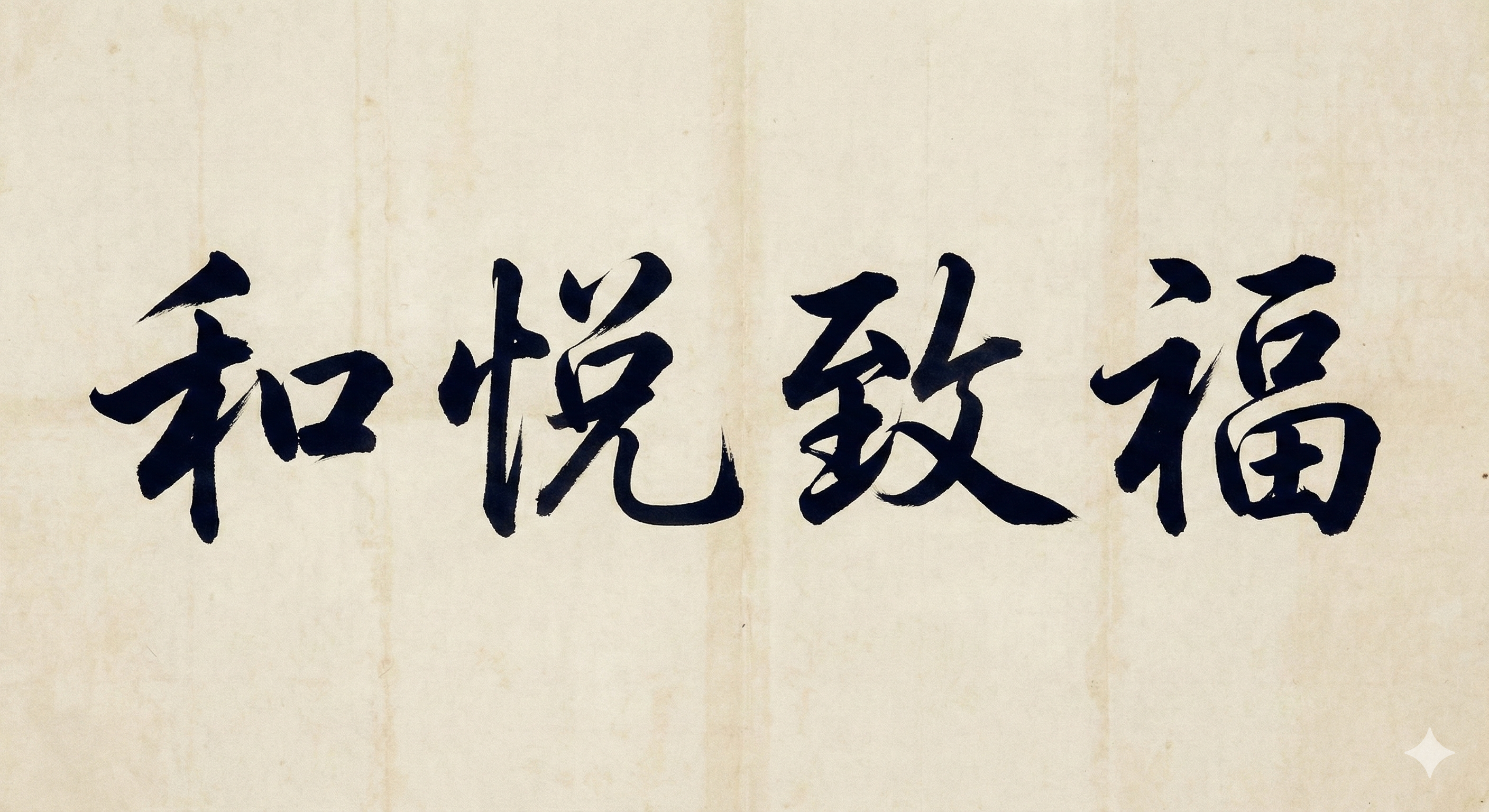
○ Humanistic calligraphy writing practice
Humanist calligraphy from the Italian Renaissance is characterized by elegant, flowing, and balanced letterforms. The intense focus and meticulousness of writing can help regulate emotions, relieve anxiety, and restore emotional stability. The rhythm and harmony between letters during writing can bring psychological relaxation and satisfaction, while also inspiring creativity and inner peace.
Tips and suggestions:
- Written words:
I am grateful for my efforts to become better. - Writing Tips:
When writing this sentence, it's recommended to use warm, flowing, and affirming strokes, feeling that each stroke is an expression of gratitude for your own efforts. Maintain a steady breathing pattern, and while writing, consciously reflect on your recent efforts and growth, writing with an attitude of appreciation and acceptance. If you notice the thought, "I'm not good enough," gently remind yourself, "I'm working hard, and that in itself is worth appreciating." - Daily recommendations:
Recite this sentence daily using Humanist Script as a practice to cultivate self-gratitude and a sense of growth. It's recommended to proactively use it during times of self-doubt, denial, or slow progress to reaffirm the value of the process. Pair it with a daily reflection exercise to strengthen your appreciation for yourself as you progress. Long-term practice will help you develop a more robust growth mindset, reduce self-criticism, and strengthen your inner motivation.
Lesson 1021: An Overview of Childhood Psychological Trauma
Objective: To understand the pervasiveness and profound impact of childhood trauma, and to gently reflect upon and become aware of it through drawing.
Steps: Draw a growing tree. Write "past" at the roots, "present" on the trunk, and "future" on the branches and leaves. Observe the shape of the tree, symbolizing how you continue to grow and reshape yourself through experiences.
Please log in before submitting your drawings and feelings.
○ 1021. Overview of Childhood Psychological Trauma • Journaling Guidance Suggestions
① Take three slow breaths and write down three intuitive words about your experience with trauma (e.g. fear, blank, strong).
② Write the event and its impact separately: what happened (facts) and how it affected me (feelings/behavior).
③ Identify current safety: Where am I at this moment? What safe, tangible objects are around me?
④ Write a self-compassionate sentence: “I did the best I could then, and now I’m learning to take care of myself.”
⑤ List two people and two channels you can seek help from to reduce the burden you have to bear alone.
⑥ Conclusion: Understanding is not about digging up the past, but a light that paves the way for repair.
Please log in to use.
Through this course, you will be able to better understand the impact of childhood trauma and learn how to restore physical and mental balance through painting, diet therapy, and herbal teas.