

Lesson 1101: Causes of Trauma from Sudden Events
Duration:75 minutes
Topic Introduction:This course will explore the causes of trauma caused by emergencies and help students understand how emergencies affect an individual's mental health. Students will learn about the physiological, psychological, social, and environmental factors that contribute to these traumas and master how to identify these factors, helping individuals to effectively intervene and recover from emergencies.
○ Causes of trauma caused by sudden incidents
- Individual differences:Learn about biological differences in individuals when facing unexpected events, such as genetic factors, personality traits, neurobiological differences, etc., and how these factors affect the occurrence and severity of trauma.
- Social environment:Analyze how an individual's social environment and social support system influence the development of trauma. For example, an isolated and helpless environment can exacerbate traumatic reactions.
- Nature of the trauma:Explore the nature of the emergency itself, such as the suddenness, violence, and threat of the event, and how these factors determine the intensity of the trauma.
- Family Background:Discuss how the early family environment influences how individuals respond to unexpected events, particularly in contexts of dysfunctional or traumatic families.
- Cultural factors:Analyze the impact of cultural differences on responses and handling of traumatic events, and how to help individuals alleviate trauma through cultural understanding.
- Coping mechanisms:Introducing individual coping strategies when facing emergencies and how to use effective coping mechanisms to mitigate the impact of trauma.
▲ AI Interaction: How to Identify and Understand the Causes of Trauma in Emergency Events
Unexpected events often feel unprepared, like a sudden storm that disrupts the rhythm of life.
Please write down the three most striking aspects of this experience without going into detail.
Try to observe how these factors relate to your current life and identify their impact.
Remind yourself: these are not all your personal responsibilities, and circumstances and conditions are often beyond your control.
Conclusion: Understanding the causes is the first step to healing, not a reason to blame.
Click the button below to join AI in exploring the causes of sudden incident trauma and how these causes affect an individual's mental health.
○ Causes of trauma caused by sudden incidents · Music therapy
Sudden events often bring huge shocks, like a sudden drumbeat that disrupts the rhythm.
Please play a slow and relaxing piece of music and recall the factors that cause your anxiety while listening to the melody.
Allow yourself to write only the “clues” rather than the details, and use notes to accompany the release of emotions.
Conclusion: Music allows the cause to be seen gently without causing further pain.
🍵 Cocoa Healing
Recommended reasons:In the original American tradition, cocoa beans were not only food but also used for spiritual healing. Many Western mind-body-spirit activities now include a "cocoa ritual," where high-purity cocoa is brewed and consumed in conjunction with meditation or group therapy.
Effects: Opens the mind, increases happiness, and boosts energy.
Recommended drinks:Vanilla Cocoa Drink
Introduction: The combination of vanilla and cocoa is a classic therapeutic drink. The warm aroma of vanilla enhances the soothing effects of cocoa. Vanilla contains natural calming components that help relieve anxiety and improve mood. This drink, enjoyed during meditation or relaxation, helps open the mind and restore inner peace.
Directions: Mix 2 tablespoons of raw cocoa powder with 250ml of hot water, add 1/2 tablespoon of vanilla extract and 1 tablespoon of honey, and stir well. Drink every evening or during meditation to help relax the nerves and soothe emotions.
Coconut Chia Seed Pudding
Chia seeds and soluble fiber form a satiating gel, while the coconut flavor provides steady energy and a gut-friendly boost. Perfect for breakfast or a healthy evening dessert, this treat helps control cravings, regulate sugar levels, and improve focus and endurance.
Omega-3 fiber
Gut-friendly
Healing Recipes
/home2/lzxwhemy/public_html/arttao_org/wp-content/uploads/cookbook/ye-zi-qi-ya-zi-bu-ding.html) (Please confirm that it has been uploaded: ye-zi-qi-ya-zi-bu-ding.html)
🎨 Dream Mandala
Dream Healing: Dream Mandala Imagery 31
The songs in dreams are the whispers of the soul. The melody may not be beautiful, but it can touch the most tender emotions. Listen to it, and you will hear your own desires and find the notes to reconcile with the world.
Singing is the language of emotion.

○ Humanistic calligraphy writing practice
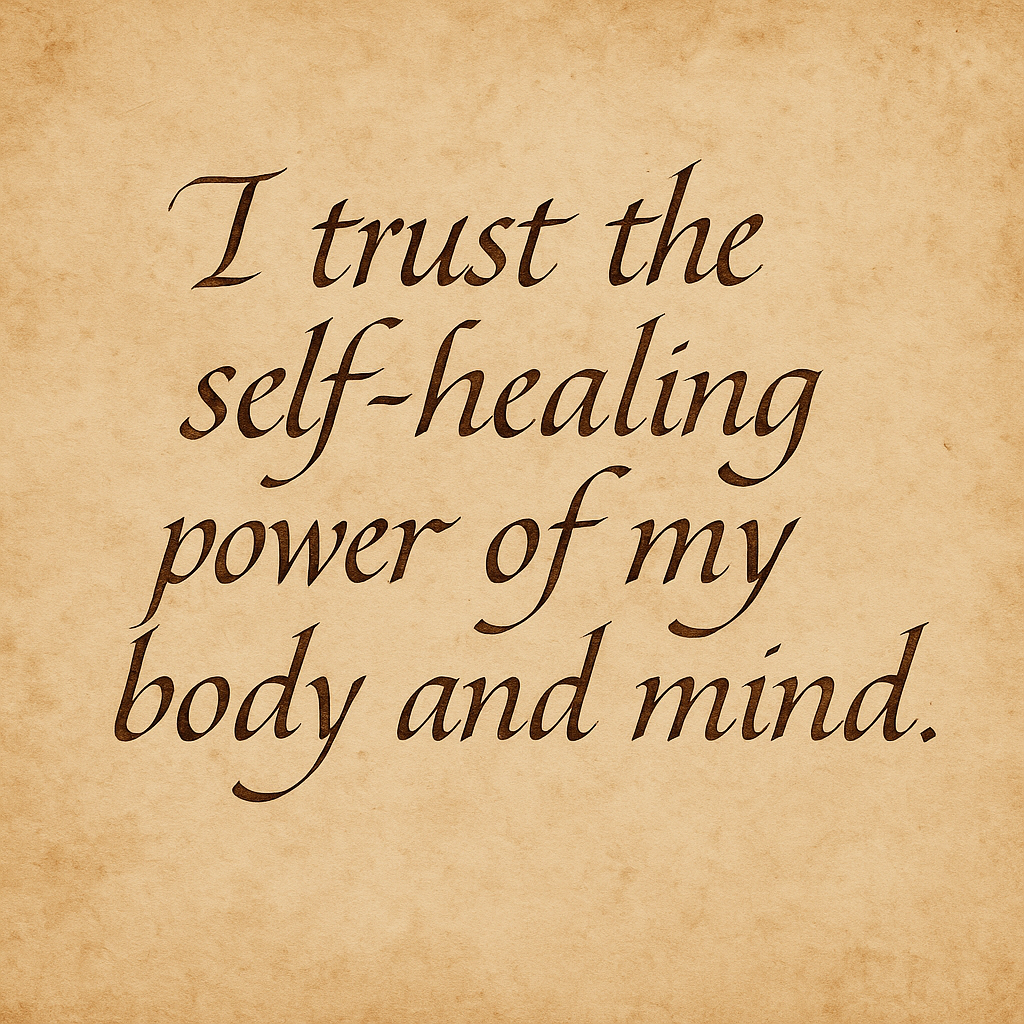
Humanist calligraphy from the Italian Renaissance is characterized by elegant, flowing, and balanced letterforms. The intense focus and meticulousness of writing can help regulate emotions, relieve anxiety, and restore emotional stability. The rhythm and harmony between letters during writing can bring psychological relaxation and satisfaction, while also inspiring creativity and inner peace.
Tips and suggestions:
- Written words:
I choose mindfulness and focus on the present moment. - Writing Tips:
When writing this sentence, it's recommended to use slow, mindful, smooth, and steady strokes to experience the imagery of "present-moment awareness." Sync your breathing with your hand movements and the sensation of the pen tip touching the paper, focusing your full attention on the act of writing. If you notice your thoughts wander, gently acknowledge them and bring yourself back to the present moment, reminding yourself, "I choose mindfulness, focusing on this moment." Writing itself is a mindfulness practice. - Daily recommendations:
Recite this sentence daily using Humanist Script as a practice to cultivate mindfulness and focus. It's recommended to proactively practice it when experiencing confusion, emotional fluctuations, or stress. This practice will help you return to the present moment and enhance your mental stability. Long-term practice will help improve mindfulness, reduce automatic reactions, and enhance your sense of well-being and self-regulation.
Lesson 1101: Causes of Trauma from Sudden Events
Objective: To understand the psychological sources of trauma from sudden events, such as the impact of loss of control, threats, and sudden changes.
Steps: Draw a suddenly collapsed ground or a broken bridge, using lines to represent "imbalance". Then draw a path for reconstruction, symbolizing the possibility of "reconnection and restoration".
Please log in before submitting your drawings and feelings.
○ 1101. Causes of Trauma from Sudden Events: Log-Guided Suggestions
① After three slow breaths, write down the “three facts” of the incident. Just state them without making any comments, to protect yourself from being overwhelmed by the details.
② Trigger chain: event → thought → emotion → body → behavior. Draw the most typical one for today and circle the link you most want to intervene in.
③ Ecological perspective: write one for each of personal vulnerability/external resources/social support to understand the multi-dimensional causes.
④ Rewrite “It’s all my fault” to “I did my best with the resources available at the time.” Read it three times and observe the changes in your body.
⑤ Write down two immediately available stabilizing factors (safe place/trusted person).
⑥ Conclusion: The cause is not the object of blame, but an actionable entry point.
Please log in to use.
Through this course, you will be able to better understand the causes of sudden trauma and learn how to regulate and restore the balance of body and mind through painting, diet therapy and herbal tea.