

Lesson 1102: Symptoms of Sudden Psychological Trauma
Duration:75 minutes
Topic Introduction:This course will explore the common symptoms of sudden psychological trauma and help participants identify the psychological and physiological impacts of sudden trauma on individuals. Participants will learn how to identify common symptoms after a sudden event, such as mood swings, physical reactions, and cognitive changes, and understand the impact of these symptoms on an individual's quality of life and social functioning.
○ Symptoms of sudden psychological trauma
- Mood swings:Learn how to recognize emotional fluctuations caused by unexpected events, including fluctuations in emotions such as fear, anger, guilt, helplessness, and sadness.
- Anxiety and hypervigilance:Analyze how individuals may become hypervigilant, often feel anxious or tense, and especially overly sensitive to potential threats after an acute trauma.
- Avoidance behavior:Understand the common manifestations of post-traumatic avoidance of trauma-related scenes, situations, and topics, and help participants identify avoidance symptoms and their impact on their lives.
- Cognitive and memory impairment:Explore the impact of sudden trauma on an individual's cognitive abilities, including how it can lead to memory difficulties, poor concentration, or the replay of traumatic memories.
- Emotional numbness and isolation:Analyzing the manifestations of emotional numbness, individuals may feel isolated from others, have diminished emotional responses, and even develop a sense of alienation from themselves and others.
- Sleep problems:Discuss sleep problems that often accompany sudden trauma, such as insomnia and nightmares, and their impact on daily functioning.
- Physical symptoms:Study the impact of sudden trauma on the body, including common symptoms such as headaches, stomach pain, chest pain, etc., and physical discomfort caused by psychological stress.
- Decreased self-esteem:Identify the low self-esteem and feelings of worthlessness that may arise from a person's decreased self-esteem due to post-traumatic emotional and psychological reactions.
▲ AI Interaction: How to Identify and Respond to Symptoms of Sudden Psychological Trauma
Symptoms may include insomnia, startled awakenings, physical tension, or low mood.
Please record the most recent time you experienced intense discomfort and describe the physical sensations and thoughts you had at the time.
Try responding to these feelings with a deep breath or a brief stretch, rather than suppressing them.
Allow yourself to see that symptoms are simply your body's protection, not a flaw in you.
Conclusion: When symptoms are gently acknowledged, their power gradually diminishes.
Click the button below to discuss with AI how to identify the symptoms of sudden psychological trauma and learn how to effectively deal with these symptoms and reduce the psychological distress caused by trauma.
○ Symptoms of sudden psychological trauma · Music therapy
Symptoms may be a racing heart, waking up at night, or numbness, like a dissonant chord.
While listening to the soft background music, write down three obvious physical and emotional reactions.
As the melody flows, try to bring your attention back to your breathing and the present moment.
Conclusion: Music helps you understand that symptoms are signals, not failures.
🍵 Cocoa Healing
Recommended: In Native American tradition, cacao beans were used not only as a food but also for spiritual healing. Many Western spiritual practices now incorporate "cacao rituals," incorporating high-purity cacao into a drink and accompanying meditation or group healing. Benefits: Opens the mind, increases well-being, and boosts energy.
Recommended Drink: Vanilla Cocoa Drink: The combination of vanilla and cocoa is a classic therapeutic beverage. The warm aroma of vanilla enhances the soothing effects of cocoa. Vanilla contains natural calming components that help relieve anxiety and improve mood. This drink is perfect for meditation or relaxation, helping to open the mind and restore inner peace.
Directions: Mix 2 tablespoons of raw cocoa powder with 250ml of hot water, add 1/2 tablespoon of vanilla extract and 1 tablespoon of honey, and stir well. Drink every evening or during meditation to help relax the nerves and soothe emotions.
○ Quinoa Vegetable Salad
Quinoa complete protein, high in magnesium and potassium, and colorful vegetables enhance micronutrient density. This refreshing, non-greasy dish provides long-lasting satiety, making it perfect for lunch or before or after training, providing balanced energy and supporting muscle recovery.
High fiber and refreshing
Balanced Supply
Healing Recipes
/home2/lzxwhemy/public_html/arttao_org/wp-content/uploads/cookbook/li-mai-shu-cai-sha-la.html(Please confirm that the following has been uploaded: li-mai-shu-cai-sha-la.html)
🎨 Dream Mandala
Dream Healing: Dream Mandala Imagery 32
If a vast sky appears in your dream, it is the breath of your soul. It symbolizes expansion and acceptance, allowing you to move from the finite to the infinite. From the heights of your dream, you look down upon yourself and learn humility and tolerance.
The sky is the vastness of the soul.

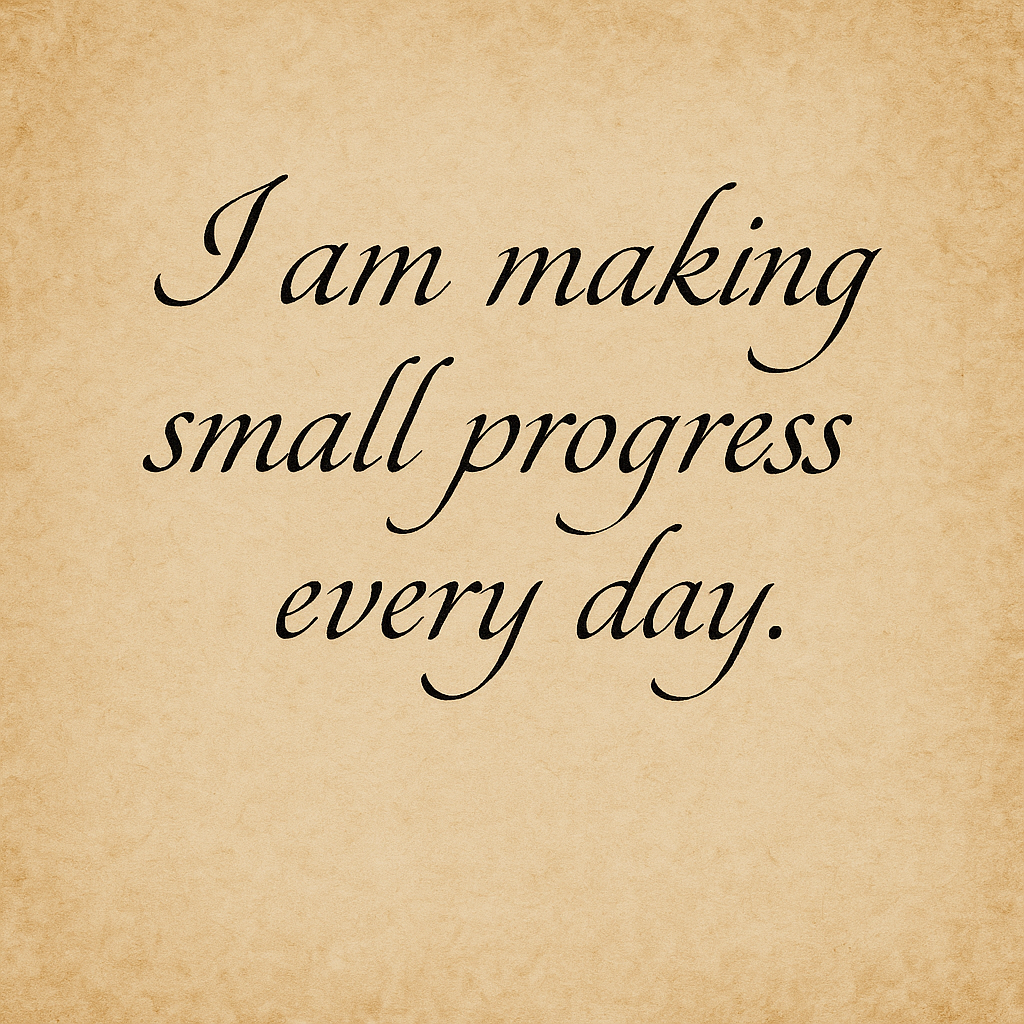
○ Humanistic calligraphy writing practice
Humanist calligraphy from the Italian Renaissance is characterized by elegant, flowing, and balanced letterforms. The intense focus and meticulousness of writing can help regulate emotions, relieve anxiety, and restore emotional stability. The rhythm and harmony between letters during writing can bring psychological relaxation and satisfaction, while also inspiring creativity and inner peace.
Tips and suggestions:
- Written words:
I find strength in silence. - Writing Tips:
When writing this sentence, it's recommended to use steady, slow, and deeply felt pen strokes to experience the inner space of silence. Combine this with deep, slow breathing, focusing your attention on the subtle sensation of the pen tip touching the paper, allowing your mind to enter a quieter, more stable state. If you notice thoughts of restlessness or distraction, gently acknowledge them, bringing your writing back to the stillness of silence, and experiencing the power of stillness. - Daily recommendations:
Recite this phrase daily in Humanist Script as a practice to cultivate a "power in stillness" mindset. It's recommended to practice this during times of restlessness, noisy surroundings, or high stress, helping you cultivate a sense of inner strength through silence. Long-term practice can help strengthen your mental resilience, enhance your ability to draw strength from stillness, and foster inner stability and a sense of self-control.
Lesson 1102: Symptoms of Sudden Psychological Trauma
Objective: To understand typical reactions after sudden trauma, such as panic, numbness, recurring memories, and insomnia.
Steps: Draw a split face, one half labeled "fear," the other "numbness." Draw soft lighting or breath lines around the image, symbolizing that you are regaining control of your emotions.
Please log in before submitting your drawings and feelings.
○ 1102. Symptoms of Sudden Psychological Trauma • Journaling Guidance Suggestions
① Symptom Radar: Arousal/Irritability/Numbness/Avoidance/Hypervigilance, each scored 0–10, mark items with a score of ≥6.
② Body scan: Heartbeat/chest tightness/stomach tightness/muscle tension, write down the strongest part and duration.
③ Anchor in the present: Find 5 visible things, 4 tangible things, 3 audible things, 2 smellable things, and 1 tasteable thing to bring your attention back to the present moment.
④ Record the comparison of “symptoms → changes after adjustment” (breathing/walking/music) to form reusable evidence.
⑤ Set up “pause words” for peak hours (let me take a break).
⑥ Conclusion: Symptoms are signals, not failures; once you see them, you can make adjustments.
Please log in to use.
Through this course, you will be able to better understand the symptoms of sudden psychological trauma and learn how to regulate and restore physical and mental balance through painting, diet therapy, and herbal tea.