

Lesson 1142: Manic Mania
Duration:75 minutes
Topic Introduction:This course will introduce the characteristics of mania, help students understand the manifestations of manic episodes in bipolar disorder, identify manic symptoms, and learn how to manage mood through intervention. Students will gain a deeper understanding of the mood swings, behavioral changes, thinking patterns, and possible social and occupational problems associated with mania.
○ Characteristics of mania
- Emotions run high:Manic episodes are characterized by unusual happiness, excitement, and irritability. People may feel very confident and even have an inflated sense of self.
- Excessive talking:The patient may talk incessantly, think rapidly, be unable to stop, and jump rapidly between topics.
- Energetic:Patients are usually energetic, require little or no sleep, and are often highly active or unable to remain still.
- Impulsive behavior:During a manic episode, people may engage in impulsive and reckless behavior, such as excessive spending, risky behavior, or sexual urges.
- Disorganized thinking:People may experience delusions or overly grandiose thoughts, lose their sense of reality, and over-idealize things.
▲ AI Interaction: How to Identify and Manage Mood Fluctuations During Mania
Manic episodes may bring high energy, decreased sleep, racing thoughts, or impulsive decision-making.
Please record the three most obvious signs of mania you experience and observe them with tenderness.
Try writing down a “reminder” that you would like to set for yourself.
Conclusion: Characteristics are not mistakes, but messages sent by the body. Learning to recognize them is the first step.
Click the button below to discuss the mood swings during mania with AI and learn how to cope with manic symptoms through emotional management and behavioral adjustments.
○ Characteristics of mania · Music therapy
Manic emotions are like the sudden acceleration of drum beats, making the heart beat rapidly and difficult to stop.
In the music, you can find a clue to slowing down.
Play a gentle melody and write down three ways you would like to use to stabilize yourself.
Music can be a soothing anchor during times of high energy.
🍵 Rose tea
Recommended reasons:Rose tea can help soothe emotions, reduce anxiety and stress, and is especially suitable for patients experiencing manic episodes. Roses can help regulate emotions, alleviate emotional instability caused by mania, and help relax the body and mind through their aromatic molecules.
Recommended drinks:Usage: Place dried rose petals in a teapot, add hot water, and steep for 5-10 minutes. Drink 1-2 times a day. This tea is especially suitable for calming manic moods during periods of mood swings or sleep deprivation.
Steamed fish with lemon juice
Lightweight, high-quality protein and marine fatty acids are easily digested and absorbed. Lemon vitamin C and polyphenols provide a refreshing sensation and antioxidant support. Perfect for a light evening snack or post-operative recovery, this refreshing drink minimizes stress.
Healing Recipes
/home2/lzxwhemy/public_html/arttao_org/wp-content/uploads/cookbook/zheng-yu-pei-ning-meng-zhi.html(Please confirm that the following has been uploaded: zheng-yu-pei-ning-meng-zhi.html)🎨 Psychological Mandala
Psychological Healing: Psychological Mandala - Thoughts 02
You always tend to put yourself last, like a faint, almost invisible edge. The mental mandala gradually thickens and clarifies this edge, as if someone has finally drawn a mark on your heart saying, "This is important too." You begin to allow yourself a little space, instead of always making room for others.
Boundaries are a gentle declaration to oneself. Please gaze at this image three times.
○ Chinese calligraphy – Running script
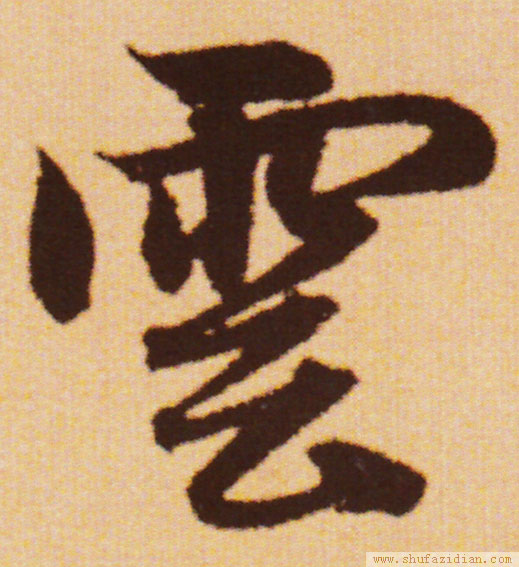
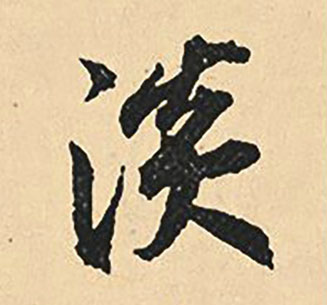
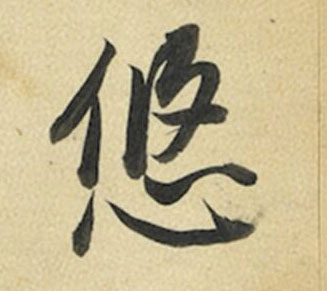
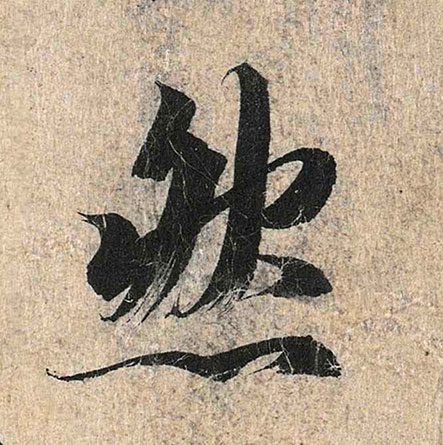
Running script lies somewhere between regular script and cursive script, boasting a fluid and dynamic structure, with continuous yet measured strokes. Its natural and unrestrained strokes, alternating between fast and slow, convey the writer's emotions and are well-suited for expressing inner thoughts. Practicing running script cultivates an inner sense of rhythm and emotional balance, helping the writer find peace of mind amidst the fluidity of the brushstrokes.
- Written words:
- The wind is light and the clouds are clear, and my heart is at ease.
- Gentle Breeze, Light Clouds, Serene Mind
- Writing Tips:
- Running script emphasizes the flow and rhythm of the brushstrokes, effectively relieving anxiety. When writing "The wind is light, the clouds are thin, and the heart is at ease," focus on the lightness of the strokes and the rhythm of the brushstrokes. Synchronizing your emotional rhythm with the writing rhythm can help alleviate inner fluctuations. It's recommended to write slowly twice, experiencing the gentle and calming process from pen to heart.




○ Characteristics of mania: Drawing guidance suggestions
This course uses drawing to help students understand the key characteristics of a manic episode. Mania is not simply a state of "elevated mood" but encompasses multiple aspects of thought, behavior, and energy. Through visualizing, students can more clearly identify the characteristics of mania and learn to observe and record them in their drawings.
1. Energy Curve
- Draw a curve with "energy" on the vertical axis and "time" on the horizontal axis.
- Mark the "hyperactive, sleep deprived, can't stop" stage on the curve.
- Draw a red reminder on top of the curve: "Excessive energy may lead to exhaustion."
2. Thinking Flight Arrow Diagram
- Draw a brain shape with arrows radiating outward from it.
- Write down typical thinking characteristics on the arrows, such as "quick association", "talkative", and "jumping".
- Write a tip next to the arrow: "Running thoughts ≠ efficient, easily distracted."
3. Behavior and Risk Comparison Table
- Draw a two-column table: left column = "Typical Behavior", right column = "Potential Risks".
- Examples: Excessive shopping → financial risk; impulsive decision-making → relationship strain; inflated ego → neglect of physical needs.
- At the bottom of the form, write: “Awareness of Risk = Protect Yourself.”
4. Review and Summary (three lines)
Please write in the blank space on your drawing:
- One feature I recognize in the “Energy Curve” is: ______
- The most common way of thinking that I see in the “Thinking Arrow Map” is: ______
- The risk I most want to remind myself of in my “Behavior Checklist” is: ______
Friendly reminder: Mania often brings a brief sense of euphoria, but it can also carry risks. Drawing exercises can help you identify signs in advance and serve as a self-observation tool. If symptoms worsen, please seek professional psychological or medical support.
Please log in before submitting your drawings and feelings.
○ 1142. Characteristics of Mania • Journaling Guidance Suggestions
① Recall a period of high emotion: Write down objective information such as sleep duration, speaking speed, spending/planning impulsivity, etc.
② Body Radar: Heart rate, appetite, and movement speed, each with a score of 0-10. Circle the two with the highest scores.
③ Risk reminder card: Overconfidence/reckless decision-making/impulsive driving, list the specific actions of "If it happens → I will".
④ Support agreement: when your peers/family members will intervene and how they will remind you to pause.
⑤ Exposure reality check: Write down “evidence-counterevidence-alternative plan” before doing anything.
⑥ Conclusion: Visualizing the high period is equivalent to installing a retarder for yourself.
Please log in to use.
Through this course, you will be able to better understand the characteristics of mania and learn how to regulate and restore physical and mental balance through methods such as aromatherapy, diet therapy, and calligraphy.