

Lesson 1182: Characteristics of Hypomanic Seizures
Duration:75 minutes
Topic Introduction:This course will introduce the characteristics and symptoms of hypomanic episodes, helping participants recognize the early signs of a hypomanic episode and understand how to differentiate it from the manic symptoms associated with bipolar disorder. Participants will learn how to recognize the mood swings, increased energy, and behavioral changes that may accompany such episodes, and understand how to manage and respond to hypomanic episodes.
○ Characteristics of a hypomanic episode
- Emotions run high:The main feature of a hypomanic episode is a markedly elevated mood, with the individual appearing overly excited or euphoric, sometimes with a feeling of being "invincible."
- Increased vitality and energy:Individuals experiencing a hypomanic episode experience increased energy, increased activity, and a decreased need for sleep (typically less than 4 hours of sleep per night) compared to their normal self.
- Distraction and impulsive behavior:Individuals experiencing hypomanic episodes often exhibit poor concentration, are easily distracted, act impulsively, and may make decisions without fully considering the consequences.
- Excessive self-confidence:Individuals display abnormal self-confidence and may even ignore real risks or difficulties.
▲ AI Interaction: How to Identify and Respond to Hypomanic Episodes
Hypomania may manifest as increased energy, excessive talking, decreased sleep, and overplanning.
Please write about an episode of hypomania you have experienced and the benefits and risks it brings.
Try establishing a "cooling-off strategy," such as delaying decision-making for 24 hours.
Conclusion: Once the features are identified, they can help you adjust the rhythm better.
Click the button below to discuss with AI how to identify the signs of hypomanic episodes and learn how to cope with and manage them.
○ Characteristics of hypomanic episodes · Music therapy
The manic rhythm is like allegro, exciting but easy to get out of control.
Play a soft piece of music and write down your most common signs of hypomania.
Write down another way you can help yourself “slow down.”
Music will be like a gentle hand, gently slowing you down.
♫ Relaxing background music (5 minutes)
🍵 Green tea jasmine tea
Recommended reasons:Green Tea Jasmine Tea combines the refreshing aroma of green tea with the fragrant aroma of jasmine flowers to help relieve the anxiety, stress, and insomnia that can occur during a hypomanic episode. Green tea is rich in antioxidants, while jasmine flowers have a calming and anxiety-reducing effect.
usage:Steep 1 teaspoon of green tea leaves and a few dried jasmine flowers in hot water for 5-7 minutes. Drink 1-2 cups daily to help relax and improve emotional stability.
○ Tomato and Spinach Salad
Lycopene works synergistically with vitamin C, folic acid, and plant-based iron to provide both antioxidant and hematopoietic support. Its low energy density and high nutrient concentration make it ideal for those experiencing oil-control and light meals, alleviating eye fatigue and maintaining a sense of refreshment and focus.
Healing Recipes
/home2/lzxwhemy/public_html/arttao_org/wp-content/uploads/cookbook/fan-qie-bo-cai-sha-la.html(Please confirm that the following has been uploaded: fan-qie-bo-cai-sha-la.html)🎨 Psychological Mandala
Psychological Healing: Psychological Mandala - Thoughts and Text 08
You often feel torn in two, one half wanting to please, the other wanting to escape. The psychological mandala places these two conflicting forces in adjacent areas, allowing them to no longer confront each other but instead care for one another. You vaguely sense that perhaps you can care for others while still retaining yourself.
The inner conflict, once acknowledged, is no longer just about tearing apart. Please gaze at this scene three times.

○ Chinese calligraphy – Running script
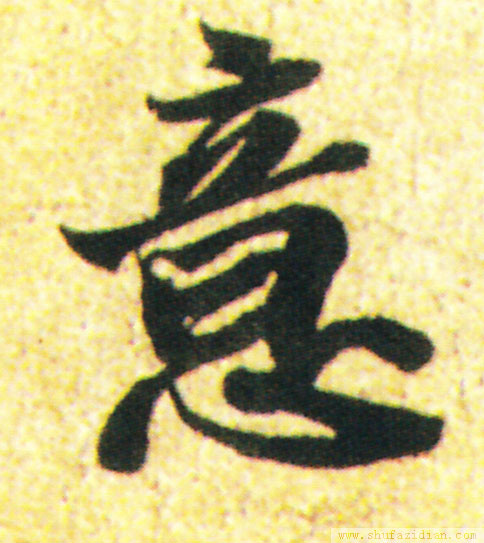
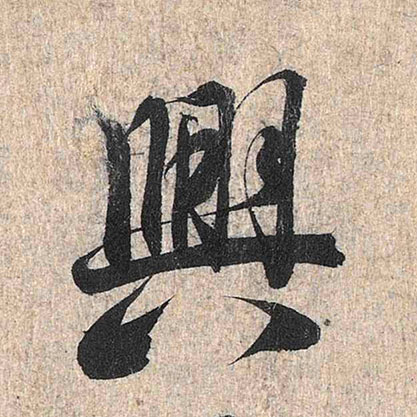
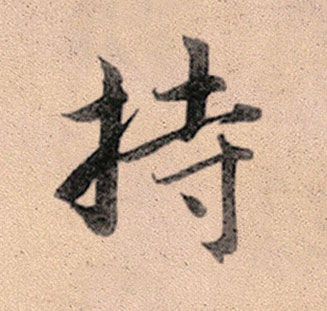
Running script lies somewhere between regular script and cursive script, boasting a fluid and dynamic structure, with continuous yet measured strokes. Its natural and unrestrained strokes, alternating between fast and slow, convey the writer's emotions and are well-suited for expressing inner thoughts. Practicing running script cultivates an inner sense of rhythm and emotional balance, helping the writer find peace of mind amidst the fluidity of the brushstrokes.
- Written words:
- High spirits, steady mind
- Let Inspiration Fly, Mind Remain Grounded
- Writing Tips:
- When emotions are high, practicing running script can help balance your mind. When writing "Excited, Steady Heart," maintain a steady rhythm and avoid rapid strokes, thereby calming your restless emotions.





○ Characteristics of hypomanic episodes: Drawing guidance suggestions
This course uses drawing to help participants identify the key features of a hypomanic episode. Hypomanic episodes differ from typical mania in that they present with milder symptoms, yet can still impact daily life. These symptoms include increased energy, elevated mood, and decreased sleep. Drawing allows these subtle features to be more intuitively observed and recorded.
1. Energy Ladder Diagram
- Draw a three-tiered staircase: bottom tier = normal energy, middle tier = slightly elevated (active/talkative), top tier = significantly elevated (still energetic despite less sleep).
- On each level, write down a performance you have recently experienced.
- Write a reminder next to the top layer: "Energy boost needs to be balanced with rest."
2. Thinking and Emotion Arrows
- Draw a diagram of a brain and draw multiple arrows from it.
- Write common experiences on the arrows: Fast thinking, Lots of ideas, Excited emotions.
- Draw a buffer next to the arrow and write "Pause 10 seconds to help organize."
3. Hypomanic Behavior Comparison Table
- Draw a two-column chart: left column = "Hypomanic Manifestations", right column = "Possible Impacts".
- Examples: Active social interaction → active relationships but potentially impulsive; increased spending → short-term pleasure but financial pressure; reduced sleep → high energy but easily fatigued.
- Write at the bottom of the table: “Awareness = Preventing Imbalance.”
Warm reminder: Hypomanic episodes can bring creativity and vitality, but if they persist or worsen, they can also become dangerous. Drawing can help with self-awareness, but it cannot replace professional diagnosis and treatment. If symptoms are severe, please seek psychological or medical support promptly.
Please log in before submitting your drawings and feelings.
○ 1182. Characteristics of Hypomanic Episodes • Journal-Guided Suggestions
① List the five indicators of a recent hypomanic episode: sleep ↓, social interaction ↑, task impulsivity, attention distraction, and increased spending.
② Decision buffer: Important decisions should be reviewed with a trusted person after a 48-hour cooling-off period.
③ Stimulus management: For caffeine/night light/staying up late, provide an "alternative reduction plan".
④ Relationship guardrails: Agreed reminders and safe words allow for gentle pull back.
⑤ Evidence record of a successful speed reduction.
⑥ Conclusion: Hypomania can also be seen, slowed down, and cared for.
Please log in to use.
By studying this course, you will be able to better understand the characteristics of hypomanic episodes and learn how to regulate your mood through methods such as tea drinking, diet therapy, and calligraphy to help manage manic symptoms.