

Lesson 1184: Causes and Risk Factors of Bipolar II Disorder
Duration:75 minutes
Topic Introduction:This course will delve into the causes and risk factors of bipolar II disorder, helping participants understand the psychological and physiological underpinnings of this mood disorder. Participants will learn how to identify the early signs of bipolar II disorder and understand the influence of genetics, environment, and psychological stress on its onset, helping them adopt effective prevention and management strategies.
Causes and risk factors for bipolar II disorder
- Genetic factors:Bipolar II disorder often runs in families, and studies have shown that people with a family history of bipolar disorder are at higher risk.
- Environmental factors:Major stressful life events, such as job loss, death of a loved one, or relationship problems, can trigger or exacerbate bipolar II disorder.
- Biological factors:Imbalances in neurotransmitters (such as serotonin and norepinephrine) and abnormalities in brain structure are also closely related to the occurrence of bipolar II disorder.
- Psychological factors:An individual's coping mechanisms, emotion regulation abilities, and early emotional experiences (such as childhood trauma) may increase the risk of developing bipolar II disorder.
▲ AI Interaction: How to Address Risk Factors for Bipolar II Disorder
The causes of bipolar II disorder may also involve genetic, environmental, and psychological factors.
Write down the three main triggers you feel.
Also record one support source you can draw upon, such as a friend or self-soothing method.
Conclusion: When risk factors can be seen, they can be better managed.
Click the button below to join AI in a discussion on how to identify the causes of bipolar II disorder and learn how to reduce risk factors through effective strategies.
○ Causes and risk factors · Music therapy
Risk factors for bipolar II disorder are like background noise, sometimes difficult to detect.
Play a light and steady melody and write down the trigger point that you are most worried about.
Write down one more way you can provide support.
Music can make these risks appear more subdued.
🍵 Goji Berry Chrysanthemum Tea
Recommended reasons:Goji berry and chrysanthemum tea helps clear the liver, improve eyesight, and relieve depression, making it particularly suitable for relieving mood swings caused by bipolar disorder. Goji berries nourish the liver and kidneys, while chrysanthemum helps detoxify, clear heat, and help restore emotional stability.
usage:Put 1 teaspoon of wolfberry and a few chrysanthemum flowers in hot water and soak for 5-10 minutes. It is suitable for drinking in the morning or afternoon to help soothe mood swings and relieve physical discomfort caused by anxiety and stress.
○ Whole Grain Oatmeal Fruit Bowl
Whole-grain oats, retaining the bran and germ, provide a comprehensive source of beta-glucans and minerals. Fruit polyphenols and vitamins enhance antioxidant and refreshing properties. This smooth-release oatmeal is ideal for breakfast or as a pre- or post-workout snack.
Healing Recipes
/home2/lzxwhemy/public_html/arttao_org/wp-content/uploads/cookbook/quan-gu-yan-mai-shui-guo-wan.html(Please confirm that the following has been uploaded: quan-gu-yan-mai-shui-guo-wan.html)🎨 Psychological Mandala
Psychological Healing: Psychological Mandala Imagery 10
You once thought growing up meant becoming hardened and less sensitive. But the Psychological Mandala shows you that sensitivity itself is a precious halo, allowing you to perceive the world more delicately. What you begin to learn is not "turning off your feelings," but "living with your feelings."
Sensitivity is a talent that has yet to be fully utilized. Please watch this 3 times.

○ Chinese calligraphy – Running script
Running script lies somewhere between regular script and cursive script, boasting a fluid and dynamic structure, with continuous yet measured strokes. Its natural and unrestrained strokes, alternating between fast and slow, convey the writer's emotions and are well-suited for expressing inner thoughts. Practicing running script cultivates an inner sense of rhythm and emotional balance, helping the writer find peace of mind amidst the fluidity of the brushstrokes.
- Written words:
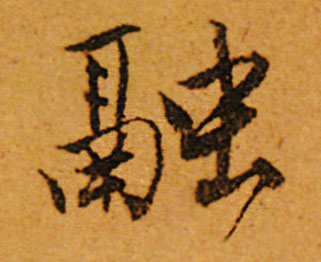
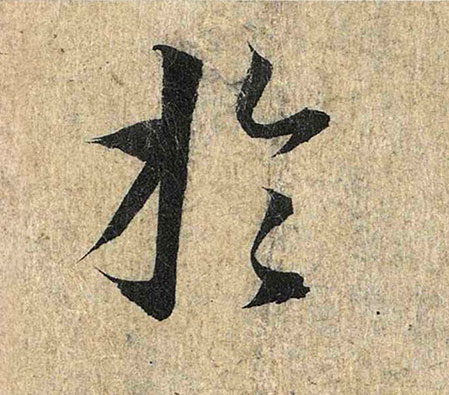
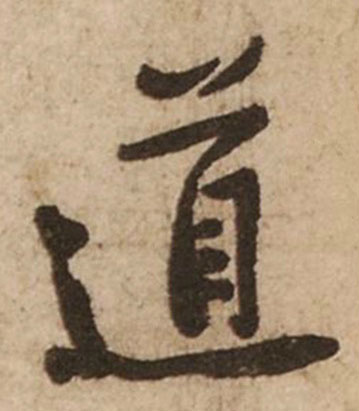
- Understand the cause and follow the trend, and integrate your heart into the Tao
- Recognize the Causes, Align the Heart with the Way
- Writing Tips:
- Understanding the causes can help integrate emotions. When writing "Understanding the Causes, Following the Flow, and Integrating the Heart with the Tao," focus on the artistic conception of "following the flow" and "integrating the heart," and experience the wisdom of adaptability and flexibility in your writing.





Causes and Risk Factors of Bipolar II Disorder: Drawing Guide
This course uses drawings to help students understand the causes and risk factors of bipolar II disorder.Genetic susceptibility, neurobiology, life events, and environmental stressDrawing exercises can help visualize abstract causes and provide a more intuitive understanding of risk points and protective factors.
1. Cause Tree Diagram
- Draw a tree: roots = genetics and neurological factors; trunk = personality and emotional regulation patterns; branches = environment/life events.
- Write down triggers that are relevant to you on the branches (e.g., “chronic stress,” “significant loss”).
- Write a reminder under the tree: "Multiple factors are intertwined, it is not the fault of any individual."
2. Balance of Risk and Protection
- Draw a scale: left plate = risk factors (lack of sleep, substance abuse, emotional sensitivity), right plate = protective factors (regular schedule, social support, psychological intervention).
- Write your true personal situation on both sides.
- Write a reminder below the scale: "Increase protection, reduce risk."
3. Trigger Chain Diagram
- Draw a chain: external event (conflict/stress) → internal reaction (mood swings, sleep disturbances) → hypomanic or depressive episode.
- Draw a "forked arrow" at the end of the chain: write "Aggravating Cycle" on one side and "Intervention Action" (such as seeking support or adjusting your schedule) on the other side.
- Write a reminder next to the fork: "Timely intervention = reduced risk."
Friendly reminder: The causes of bipolar II disorder are complex, with intertwined risk and protective factors. Drawing can aid self-reflection and communication, but it cannot replace medical or psychological treatment. If symptoms persist or worsen significantly, please seek professional support promptly.
Please log in before submitting your drawings and feelings.
○ 1184. Causes and Risk Factors • Log-Guided Suggestions
① Record your rhythms for the past four weeks: bedtime/wake-up times, weekend differences, and experiences across time zones.
② Stress-reaction diagram: event → body → emotion → behavior, choose one link to make micro-adjustments.
③ Substances and drugs: Frequency of use of caffeine, alcohol, and over-the-counter drugs, and write down a "reduction plan."
④ Support: Who can help you maintain your daily routine and seek medical treatment? Name and method.
⑤ Give yourself a responsibility boundary statement: "I am responsible for the controllable part."
⑥ Conclusion: The more specific the risk identification, the more effective the recurrence prevention.
Please log in to use.
By studying this course, you will be able to better understand the causes and risk factors of bipolar II disorder, and learn how to regulate emotions and enhance self-care abilities through methods such as tea drinking, diet therapy, and calligraphy.