

Lesson 1221: An Overview of Cyclothymic Disorder
Duration:75 minutes
Topic Introduction:This course will introduce the basic concepts, symptoms, and diagnostic criteria of cyclothymic disorder. Participants will understand the clinical manifestations of cyclothymic disorder, how to conduct an assessment, and master the basic methods of managing this disorder.
○ Overview of Cyclothymic Disorder
- Symptoms:Cyclothymic disorder is characterized by cyclical mood swings, with patients experiencing mild depressive symptoms and hypomanic symptoms that last for more than two years.
- Diagnostic criteria:According to the criteria of the Diagnostic and Statistical Manual of Mental Disorders, Fifth Edition (DSM-5), cyclothymic disorder requires prolonged mood swings.
- Evaluation Methodology:Assessment of cyclothymic disorder requires a clinical interview and the use of psychological assessment tools.
▲ AI Interaction: How to Identify Symptoms of Cyclothymic Disorder
Cyclothymic disorder often manifests as mild mood swings that aren't out of control, but can be fraught with anxiety. Allow yourself to observe them gently, without rushing to judge.
Please write down the three high points and three low points of your emotions today, and mark the time and situation in which they occurred. This way, you will see the pattern of your emotions more clearly.
When your emotions are high, your body sends you signals; when your emotions are low, you also experience signs of low energy. Please record these details; they are the key to understanding yourself.
If you feel unsteady, prepare three small things to soothe you, like taking a deep breath, drinking warm water, or taking a short walk. Let them serve as your safety anchors.
Conclusion: Seeing the fluctuations of emotions is not a failure, but the first step towards healing.
Click the button below to discuss with AI how to accurately identify cyclothymic disorder through clinical manifestations and symptom assessment, and learn how to manage and cope with the disease.
○ Overview of Cyclothymic Disorder· Music Therapy
Cyclothymic disorder is like a piece of music, lingering between slow rises and falls—not too intense, but just enough to unsettle you. Music can be like a background breath, gently supporting these ups and downs.
Please play a gentle and soothing melody, and write down your mood today on paper, just like recording notes on a staff, making the ups and downs clearer.
When accompanied by a melody, try to give the highs a name and the lows a color so that you can better recognize the figures of these emotions.
Music reminds you that fluctuation is not a mistake; it is a rhythm in which you can find your own pace.
Finally, I will write a gentle note for today, just like the soft ending of a song.
🍵 West Lake Longjing Tea
Recommended reasons:Longjing tea is one of China's most famous green teas, produced in the West Lake region of Hangzhou, Zhejiang. It is renowned for its tender green leaves and refreshing flavor, with a distinct sweet aroma and a refreshing taste. Rich in antioxidants, Longjing tea can help eliminate free radicals in the body, slow the aging process, and boost metabolism. Its unique flavor and health benefits have made it a popular beverage.
usage:Add 1 teaspoon of Longjing tea to hot water (80-85°C) and steep for 3-5 minutes. Drink 1-2 cups daily to boost your energy, detoxify, and improve your health. It's ideal for morning or afternoon drinking to relieve fatigue and enhance concentration.
○ Salmon with walnut sauce
Haiyuan EPA/DHA and walnut ALA are combined to support cardiovascular and anti-inflammatory balance, while high-quality protein aids repair and satiety. Ideal for training recovery and high-focus days, it helps maintain focus and maintain stable physical output.
Healing Recipes
/home2/lzxwhemy/public_html/arttao_org/wp-content/uploads/cookbook/san-wen-yu-he-tao-jiang.html(Please confirm that the following has been uploaded: san-wen-yu-he-tao-jiang.html)🎨 Psychological Mandala
Psychological Healing: Psychological Mandala Ideas 13
Shame, like a cold veil, tightly envelops you. You fear being seen for who you truly are, so you desperately try to present a "better" version of yourself. But in another, warmer circle, a voice gently says: You don't need to be perfect to deserve love; standing here with your imperfections is also a kind of courage.
Shame, once caught, will transform into the seed of self-respect. Please gaze at this scene three times.

○ Chinese calligraphy – Running script
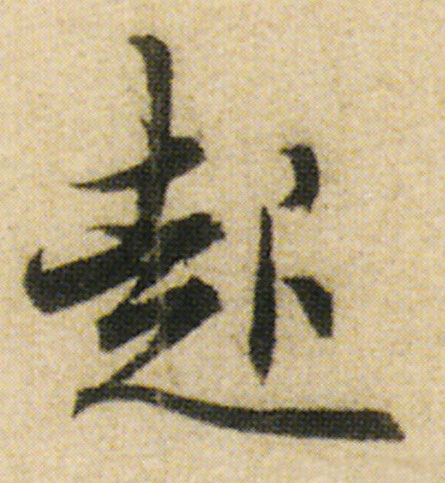
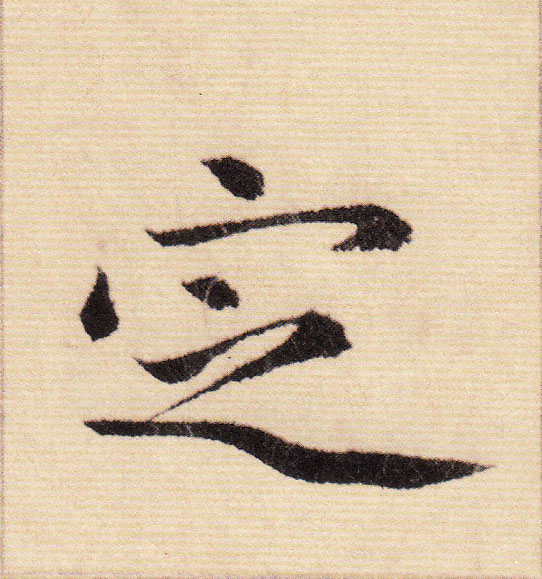
Running script lies somewhere between regular script and cursive script, boasting a fluid and dynamic structure, with continuous yet measured strokes. Its natural and unrestrained strokes, alternating between fast and slow, convey the writer's emotions and are well-suited for expressing inner thoughts. Practicing running script cultivates an inner sense of rhythm and emotional balance, helping the writer find peace of mind amidst the fluidity of the brushstrokes.
- Written words:
- Heart is in turmoil, but the mind is calm and peaceful
- Emotions May Rise and Fall, Breath and Spirit Stay Calm
- Writing Tips:
- People with cyclothymic disorder experience significant mood swings. When writing the phrase "heart rises and falls, spirit calms and mind is at peace," focus on the rhythm of the brushstrokes. Use the writing process to guide your emotions toward a more stable state and cultivate a sense of inner peace.






○ Overview of Cyclothymic Disorder: Drawing Guidance Suggestions
This course helps students understand the characteristics of cyclothymic disorder through drawing.Alternating cycles of hypomania and mild depressionAlthough it doesn't meet the full diagnostic criteria for bipolar disorder, long-term, recurring mood swings can still affect your life and interpersonal relationships. Drawing can help you more intuitively identify these "small fluctuations" patterns.
1. Mood Fluctuation Curve
- Draw a curve with horizontal axis = time and vertical axis = high and low emotions.
- The alternation between hypomania and mild depression is represented by a small rising/falling waveform.
- Mark the high and low points of the most recent fluctuation on the curve.
2. Hypomania/Hypodepression Comparison Table
- Draw a two-column chart: left column = manic behavior, right column = depressed behavior.
- Examples of hypomania: active, talkative, and sleep deprived; examples of mild depression: depressed, tired, and lack of motivation.
- Write a reminder under the table: "Although the fluctuations are slight, long-term recurrences will have a cumulative impact."
3. Life Impact Network Diagram
- Draw a circle with "life" written at the center, and then draw four branches outward: study/work, interpersonal relationships, emotional stability, and daily habits.
- Under each branch, write down the possible effects of cyclical mood swings (e.g., unstable attention, fluctuating interpersonal distance).
- Write a reminder next to the branch: "Observe the patterns and learn to adjust in advance."
Friendly reminder: Cyclothymic disorder is often overlooked as "emotional volatility," but long-term, recurring mood swings also warrant attention. Drawing can aid self-reflection and serve as a communication tool, but it cannot replace professional diagnosis and treatment. If symptoms worsen, please seek psychological or medical support promptly.
Please log in before submitting your drawings and feelings.
○ 1221. Overview of Cyclothymic Disorder • Journaling Guidance Suggestions
① Today’s Curve: Use three words to describe the ups and downs and the stable periods of your mood, and write a triggering situation for each.
② Physical clues: Record your breathing, heartbeat, and the sensations in your shoulders, neck, and stomach to identify the earliest warning signs.
③ Fine-tune your habits: Choose two items from sleep, diet, and exercise and write down small, actionable changes.
④ Social dosage: List the interactions that stretch you and those that drain you, and give each one “appropriate amount of time.”
⑤ Self-speech: Prepare two transition phrases such as “slow down when going uphill and speed up when going downhill”.
⑥ Safety margin: When the fluctuation is more than two bars above normal, activate the rest and help list.
⑦ Conclusion: Seeing the ups and downs is the beginning of reaching the shore.
Please log in to use.
By studying this course, you will be able to better understand the overview of cyclothymic disorder and learn how to regulate emotions through Eastern healing methods such as tea drinking, diet therapy, and calligraphy, helping yourself and others better manage mood swings.