

Lesson 1262: Characteristics of Emotional Instability
Duration:75 minutes
Topic Introduction:This course will introduce the characteristics of mood swings and help students understand the root causes and symptoms of mood swings, as well as how mood swings affect an individual's behavior and quality of life. By learning how to identify and assess mood swings, students will be able to develop better coping skills and management methods.
○ Characteristics of emotional instability
- Mood swings:Mood swings often manifest as fluctuating moods, with rapid shifts from extreme happiness to depression or anger.
- Poor control:When individuals face challenges or pressure, they tend to lose control of their emotions, leading to emotional overreactions.
- Interpersonal relationship problems:People with emotional instability often have problems with conflict, misunderstanding, or being ignored in interpersonal interactions.
▲ AI Interaction: How to Identify Symptoms of Emotional Instability
Mood swings may manifest as sudden bursts of joy, anger, or depression, like a sudden storm.
Please write down the three moments when your emotions changed the fastest today and record how long they lasted.
Observe your body's reactions: increased heart rate, rapid breathing, or general fatigue.
When you notice these signals, try writing down three buffering actions, such as stop, breathe, and leave the situation.
Conclusion: Unstable emotions are a signal, not proof of your failure.
Click the button below to discuss with AI how to identify the symptoms of mood swings and learn how to improve your quality of life by managing your emotions.
○ Characteristics of emotional instability · Music therapy
Emotional instability is like the sudden acceleration of drum beats, catching people off guard.
Please play a slow piece of music and write down the three moments when your emotions changed the fastest today.
Let the melody be your metronome, reminding you that you can follow the music instead of your impulses.
Note the sensations in your body and think of them as cues in the rhythm.
Music tells you: even if things are chaotic, you can slowly return to harmony.
🍵 Anji White Tea
Recommended reasons:Anji White Tea, produced in Anji, Zhejiang, boasts a delicate appearance and a green-white hue. It has a refreshing, sweet flavor and is rich in amino acids and tea polyphenols, which offer antioxidant, anti-inflammatory, and anti-aging benefits. This tea helps boost immunity, relieve stress, and restore balance.
usage:Steep 1 teaspoon of Anji White Tea in 85°C water for 3-4 minutes and drink 1-2 cups daily. It can effectively soothe mood and help balance daily stress and anxiety.
○ Eucommia bark and coix rice porridge
It strengthens muscles and bones while removing dampness and lightening the body, alleviating back fatigue and heaviness in the limbs caused by prolonged sitting. Its smooth energy release and low sense of burden make it ideal for long periods of work and recovery, helping to gradually restore posture and focus.
Healing Recipes
/home2/lzxwhemy/public_html/arttao_org/wp-content/uploads/cookbook/du-zhong-yi-mi-zhou.html(Please confirm that the file has been uploaded: du-zhong-yi-mi-zhou.html)🎨 Psychological Mandala
Psychological Healing: Psychological Mandala - Thoughts and Ideas 19
Anger is often suppressed because "getting angry is disobedient." But that surge of anger is merely a reminder: boundaries have been crossed, expectations have been ignored. Let anger have a small, safe space in your heart, neither exploding nor disappearing, but simply telling you clearly: where I felt disrespected.
Anger is a signal that boundaries have been breached. Please watch this 3 times.

○ Chinese calligraphy – Running script
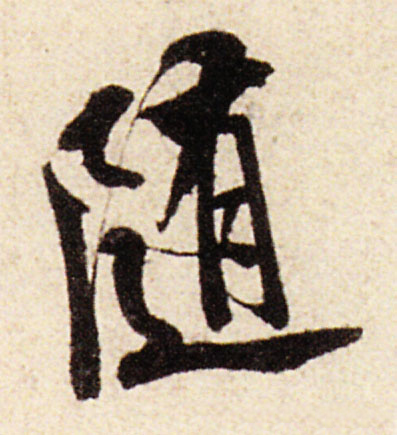
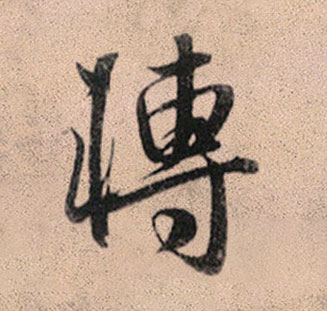
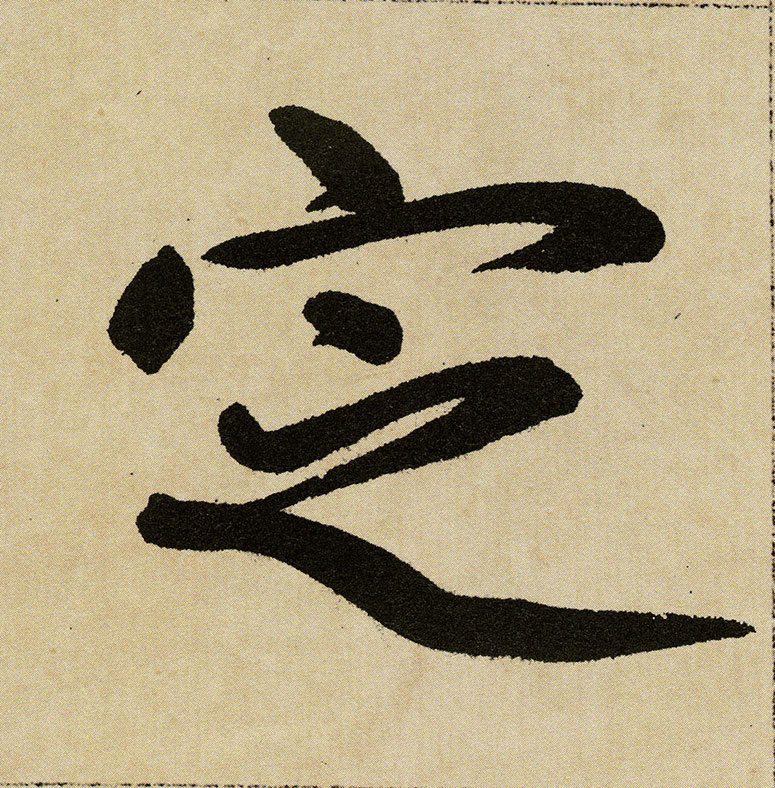
Running script lies somewhere between regular script and cursive script, boasting a fluid and dynamic structure, with continuous yet measured strokes. Its natural and unrestrained strokes, alternating between fast and slow, convey the writer's emotions and are well-suited for expressing inner thoughts. Practicing running script cultivates an inner sense of rhythm and emotional balance, helping the writer find peace of mind amidst the fluidity of the brushstrokes.
- Written words:
- Emotions follow the heart, and the mind is calm and peaceful
- Emotions Follow the Mind, Spirit Steadies and Breath Harmonizes
- Writing Tips:
- When emotions are volatile, practicing running script can help improve awareness and control. When writing "Emotions follow the heart, spirit calm and spirit peaceful," maintain a gentle and rhythmic brushstroke, allowing the artistic conception of the words to guide inner peace.





○ Characteristics of emotional instability: Suggestions for guidance in painting therapy
This course uses painting therapy to transform the common characteristics of "emotional instability" into visual images. Emotional instability is often manifested asStrong emotions, rapid changes, and trigger sensitivityThrough drawing practice, we can observe these changes more clearly and explore the possibility of self-regulation.
1. Mood Fluctuation Curve
- Draw a broken line with horizontal axis = time and vertical axis = emotional intensity.
- Use colors to distinguish: high = red, low = blue, stable = green.
- Mark the main emotional swings during the day or week.
2. Trigger and Reaction Chain
- Draw a chain: event (trigger) → emotional response (anger/sadness/anxiety) → behavior (withdrawal/arguing/crying).
- Draw a fork at the end of the chain: write "Automatic Response" on one side and "Alternative Action" on the other.
- Remind yourself: Forking points = opportunities for change.
3. Recovery Time Hourglass
- Draw an hourglass and write "emotional outburst" on the top half and "return to stability" on the bottom half.
- Mark the average time it takes for your emotions to recover from a high point (e.g. 30 minutes/several hours).
- Next to the hourglass, write down ways to shorten your recovery time (e.g., breathing exercises, leaving the environment, writing or drawing).
Friendly reminder: Emotional instability doesn't mean you're weak, but rather requires more adjustment and support. Drawing can help you observe and express yourself, but if emotional instability becomes frequent or disrupts your life, please seek professional psychological or medical help.
Please log in before submitting your drawings and feelings.
○ 1262. Characteristics of Emotional Instability • Journaling Guidance Suggestions
① Record three ups and downs in your mood today and write down their duration.
② Physical reactions: Heartbeat, breathing or muscle tension when you notice emotional fluctuations.
③ Situational triggers: Write down the scenes and characters that cause your emotions to suddenly change.
④ Self-language: The three sentences you say most often when you are emotionally intense.
⑤ Alternative Sentences: Write a gentler version of one of the critical or hopeless sentences.
⑥ Conclusion: Emotional ups and downs are signals, not failures.
Please log in to use.
Through this course, you will be able to better understand the characteristics of emotional instability and learn how to regulate your emotions through Eastern healing methods such as tea drinking, diet therapy, and calligraphy to help yourself better manage your emotional fluctuations.