

Lesson 1263: Characteristics of Impulsive Behavior
Duration:75 minutes
Topic Introduction:This course will introduce the characteristics of impulsive behavior and help students identify and understand its symptoms, causes, and impact on individuals and society. Students will also learn how to assess impulsive behavior and develop effective management and coping skills.
○ Characteristics of impulsive behavior
- Emotional response:Impulsive behavior is often accompanied by strong emotional fluctuations, and individuals may act without thinking when their emotions are out of control.
- Not considering the consequences:A notable feature of impulsive behavior is the immediacy of the behavior and the lack of foresight of consequences. Individuals often ignore the possible negative consequences when making decisions.
- Frequent outbreaks:Impulsive behaviors tend to occur frequently and may be exacerbated during times of high stress, anxiety, or low mood.
▲ AI Interaction: How to Identify Symptoms of Impulsive Behavior
Impulse is like a sudden fire, it comes quickly and disappears quickly, but it can also cause harm. Understand it, and you can gradually learn to regulate it.
Please write down your three strongest impulses today, no matter how big or small.
Then write down three delay actions you would like to try, such as taking a walk, making a phone call, or drinking water.
When the urge subsides, record the process of it passing so that you know it will pass next time.
Conclusion: Impulse is not terrible, it is a signal reminding you that you need to treat yourself more gently.
Click the button below to discuss with AI how to accurately identify impulsive behavior through clinical manifestations and symptom assessment, learn how to manage impulsive behavior, and improve quality of life.
○ Characteristics of impulsive behavior · Music therapy
Impulse is like a sudden, strong sound that pushes people forward before they are prepared.
Please play a slow song and write down the three things you want to do right now.
In the melody, give these thoughts a pause.
Write down three alternative actions you would like to try, such as taking a deep breath, drinking water, or walking around.
Music is a pause that helps you find your rhythm.
🍵 Ginseng and Red Date Tea
Recommended reasons:Ginseng and Red Date Tea combines the nourishing properties of Korean ginseng with the blood-tonifying properties of red dates. Korean ginseng boosts stamina and fatigue resistance, while red dates nourish qi and blood, strengthening immunity. This tea helps alleviate mood swings caused by anxiety and stress, while boosting stamina and self-control.
usage:Add five red dates and one slice of ginseng to hot water and boil for 10-15 minutes. Drink this once or twice daily. It's especially suitable for relieving fatigue and mood swings during mood swings.
○ Walnut and sesame porridge
Unsaturated fats and plant-based proteins provide sustained energy, moisturizing the skin and enhancing hair's shine. Soluble fiber is intestinal-friendly. Ideal for early mornings or periods of high concentration, it boosts mental stamina and emotional stability.
Healing Recipes
/home2/lzxwhemy/public_html/arttao_org/wp-content/uploads/cookbook/he-tao-zhi-ma-zhou.html(Please confirm that the following has been uploaded: he-tao-zhi-ma-zhou.html)🎨 Psychological Mandala
Psychological Healing: Psychological Mandala Imagery 20
You're always afraid of being left behind, so you desperately try to keep up with everyone else, even when you're exhausted. That part of your heart that fears being abandoned is still stuck in the past. Now, try to give it a safe place in your imagination, and tell it: Even if you walk slowly, you won't be left out anymore.
The fear of rejection will gradually transform into trust. Please gaze at this image three times.

○ Chinese calligraphy – Running script
Running script lies somewhere between regular script and cursive script, boasting a fluid and dynamic structure, with continuous yet measured strokes. Its natural and unrestrained strokes, alternating between fast and slow, convey the writer's emotions and are well-suited for expressing inner thoughts. Practicing running script cultivates an inner sense of rhythm and emotional balance, helping the writer find peace of mind amidst the fluidity of the brushstrokes.
- Written words:
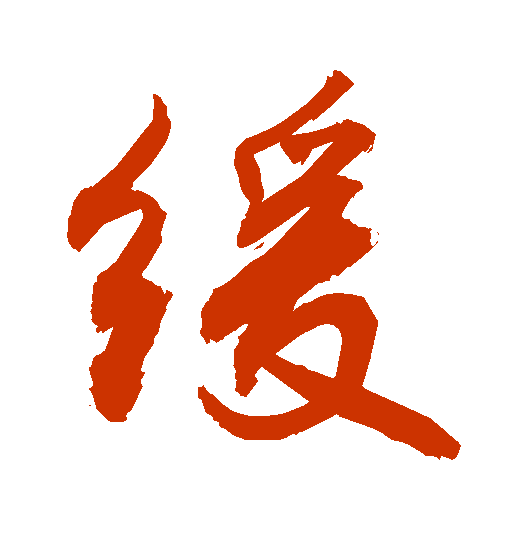
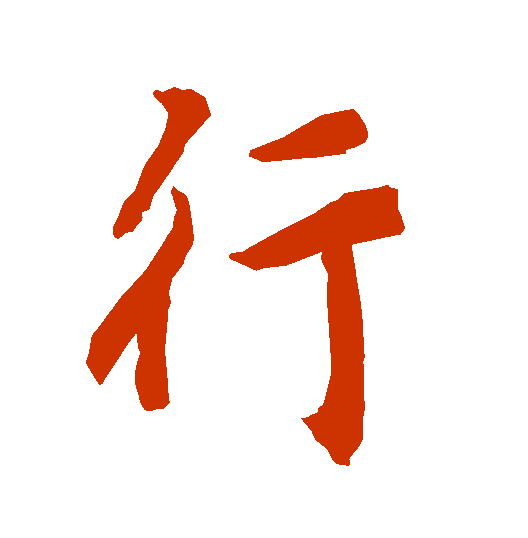
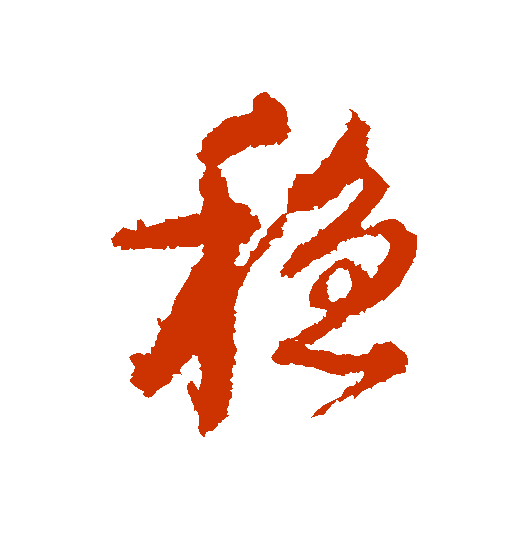
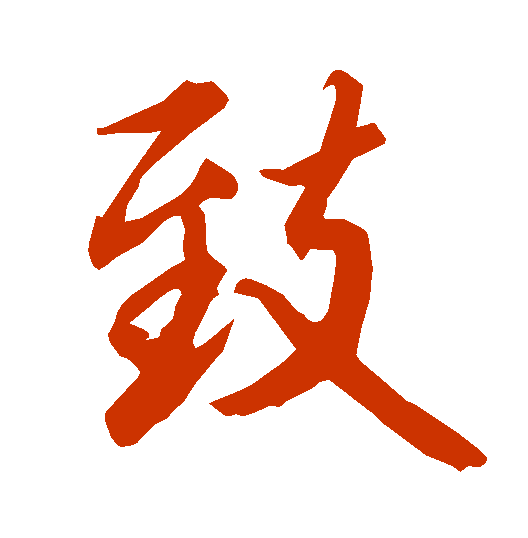
- Think slowly and act prudently, keep your mind steady and go far
- Pause and Reflect, Act with Steadiness and Clarity
- Writing Tips:
- When acting impulsively, running script can help slow down reaction times. When writing the phrase "Think slowly, act cautiously; a steady heart leads to far-reaching goals," the brushstrokes should be slow, deep, and steady, fostering a mindset and behavior of careful consideration before action.




○ Characteristics of impulsive behavior: Suggestions for guiding painting therapy
This course uses drawing therapy to transform common characteristics of impulsive behavior into visual tools. Impulsive behavior often manifests asSudden, lack of reflection, emotion-driven, regretted laterBy drawing, you can more intuitively understand the pattern of impulses and find alternative options before they appear next time.
1. Impulse Chain Diagram
- Draw a chain: triggering event → strong emotion → impulsive behavior → consequence.
- Write down common examples that you encounter in each step (e.g. quarrel → anger → throwing things → regret).
- Draw a "pause button" in the middle of the chain and write "Take a deep breath/step away for a minute."
2. Emotion-Action Comparison Table
- Draw a two-column chart: left column = emotions (anger/anxiety/impulsive excitement), right column = corresponding common impulsive behaviors.
- Add a second column next to the table called "Alternative Behaviors" to list gentler options (e.g., journaling, drawing, short exercise sessions).
- Write a reminder under the table: "Substitution does not mean suppression, but giving emotions an outlet."
3. Consequences Balance Chart
- Draw a scale: left pan = short-term pleasure, right pan = long-term consequences.
- On the left side, write "relief/pleasure after venting"; on the right side, write "damaged relationship/regret/financial loss."
- Observe which side is heavier and write "Think of both sides before choosing" under the scale.
Friendly reminder: Impulsive behavior is often an automatic reaction to emotional overload. Drawing can help identify and externalize these emotions, but if impulsive behavior becomes frequent or carries the risk of self-harm or harm to others, please seek professional psychological or medical support immediately.
Please log in before submitting your drawings and feelings.
○ 1263. Characteristics of Impulsive Behavior • Journal-Guided Suggestions
① Write down the three thoughts that you most want to “do immediately” today.
② Precursors of impulse: Record physical changes, such as rapid breathing or hot palms.
③ Review the results: Think about the impact of a past impulse.
④ Alternatives: Write down three small delaying actions you would like to try when the urge arises.
⑤ Support resources: List the people or methods you can contact when you feel impulsive.
⑥ Conclusion: Impulse is not the enemy, it reminds you to pause and breathe.
Please log in to use.
Through this course, you will be able to better understand the characteristics of impulsive behavior and learn how to regulate your emotions through Eastern healing methods such as tea drinking, diet therapy, and calligraphy to help you better manage impulsive behavior.