

Lesson 1283: Causes of Destructive Mood Disorders
Duration:75 minutes
Topic Introduction:This course will explore the causes and risk factors of Disruptive Mood Dysregulation Disorder (DMDD). Participants will learn about the clinical manifestations of this disorder, its potential biological, psychological, and environmental factors, and strategies for identifying and managing it.
○ Causes of disruptive mood disorders
- Biological factors:Research suggests that disruptive mood dysregulation disorders are associated with dysfunction in the brain's emotion regulation areas, particularly the prefrontal cortex and amygdala. Furthermore, genetic factors may play a role in the development of these disorders.
- Psychological factors:Individuals with poor emotional management skills, chronically suppressing emotions, or lacking effective coping mechanisms are more likely to develop these disorders. Difficulties expressing negative emotions and feelings can lead to a failure in emotion regulation.
- Environmental factors:Environmental factors such as family conflict, early trauma, abuse, or neglect are also considered risk factors for disruptive mood disorders. Children and adolescents who live in a dysfunctional or unsupportive family environment are more likely to develop the disorder.
▲ AI Interaction: How to Identify the Causes of Disruptive Mood Disorders
The causes may involve genetics, neurodevelopment, family atmosphere, and environmental stress, which intertwine and influence children's ability to regulate emotions.
Please write down three daily factors that you think have the greatest impact on your child, such as an unstable schedule, academic pressure, or family conflict.
At the same time, write down the common behaviors of children in these situations. By recording, you will find the logic behind the emotions.
Conclusion: The reasons are not to blame, but to help us find a more suitable support path.
Click the button below to discuss with AI how to identify the potential causes of disruptive mood disorders and learn how to manage mood swings and improve emotional regulation.
○ Causes of destructive mood disorders and music therapy
Causes may be related to a sensitive temperament, accumulated stress, and irregular sleep patterns. It's like an orchestra without a conductor, with the sounds interfering with each other. Music can act as a makeshift "metronome."
As you listen, write out three high-risk scenarios: homework, transitions, and rejection. For each, create a "preparatory song" and play it for one minute before entering.
Record your child's prelude movements: frowning, clenching teeth, clenching fists. Use these as prelude ringtones and slow down the pace as soon as they sound.
Also write down your triggers and needs. An adult who understands you can help stabilize the situation.
Conclusion: Understanding the reason is about finding the music score, not blaming someone for playing the wrong note.
🍵 Goji Berry Chrysanthemum Tea
Recommended reasons:Goji Berry and Chrysanthemum Tea is a classic Chinese herbal tea known for its liver-clearing, eye-improving, and liver-nourishing properties. Goji berries help restore energy and boost immunity, while chrysanthemum flowers help relieve eye strain, headaches, and anxiety-related tension. This tea is suitable for those who frequently use their eyes or need to reduce stress.
usage:Take 10 goji berries and a few chrysanthemum flowers, soak them in hot water for 5-10 minutes, and add a little honey to taste. Drink this once a day to help clear heat and detoxify, boost your spirits, and relieve anxiety.
○ Peanut Pork Trotter Soup
Glycolic acid and fat-soluble nutrients provide steady support for physical strength and mood, leaving you feeling full without feeling overly heavy. Suitable for recovery periods and high-intake days, small portions can help you relax and regain focus.
Healing Recipes
/home2/lzxwhemy/public_html/arttao_org/wp-content/uploads/cookbook/hua-sheng-zhu-nao-tang.html(Please confirm that the file hua-sheng-zhu-nao-tang.html has been uploaded)🎨 Psychological Mandala
Psychological Healing: Psychological Mandala - Thoughts and Reflections 26
You'll instinctively take the place of "rationality," suppressing all emotional turmoil and resolving it with a simple, "It's okay, let's reason things out." But deep inside, a soft spot still trembles gently. That soft spot reminds you: sometimes, you don't need to be analyzed, you just need to be truly felt.
Only emotions that are allowed to exist can quietly recede. Please gaze at this image three times.

○ Chinese calligraphy – Running script
Running script lies somewhere between regular script and cursive script, boasting a fluid and dynamic structure, with continuous yet measured strokes. Its natural and unrestrained strokes, alternating between fast and slow, convey the writer's emotions and are well-suited for expressing inner thoughts. Practicing running script cultivates an inner sense of rhythm and emotional balance, helping the writer find peace of mind amidst the fluidity of the brushstrokes.
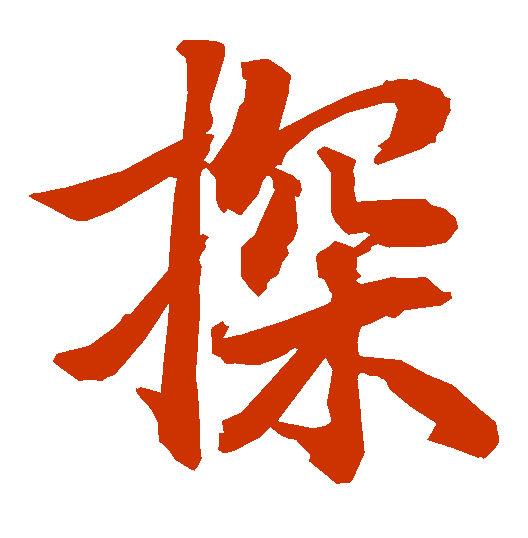
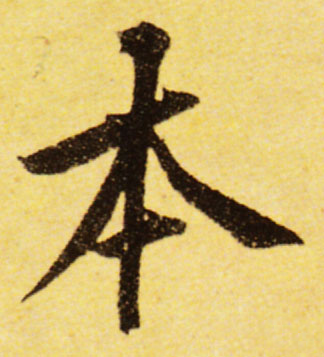
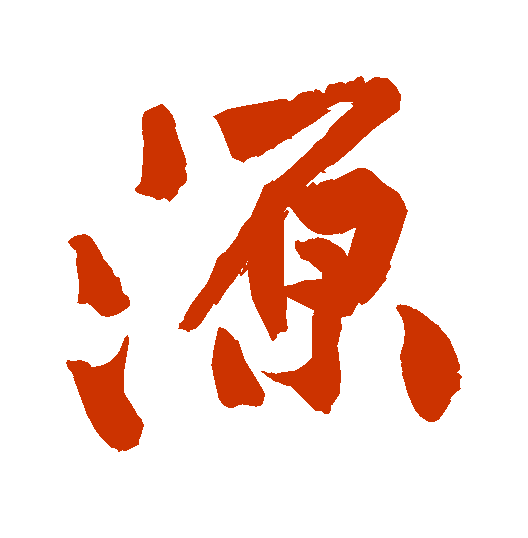
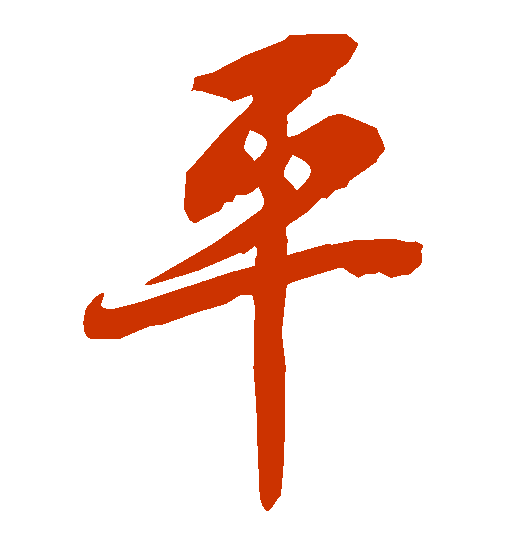
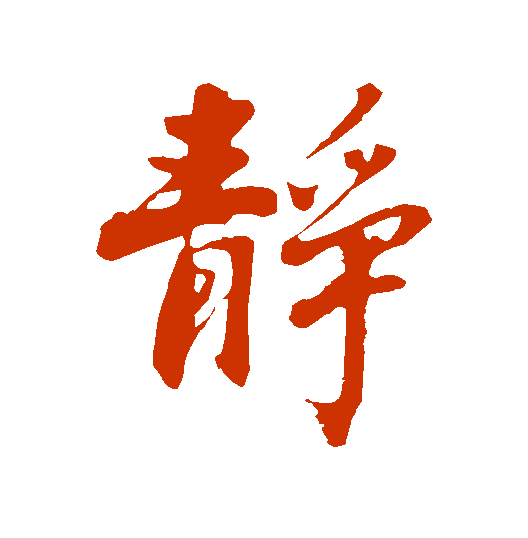
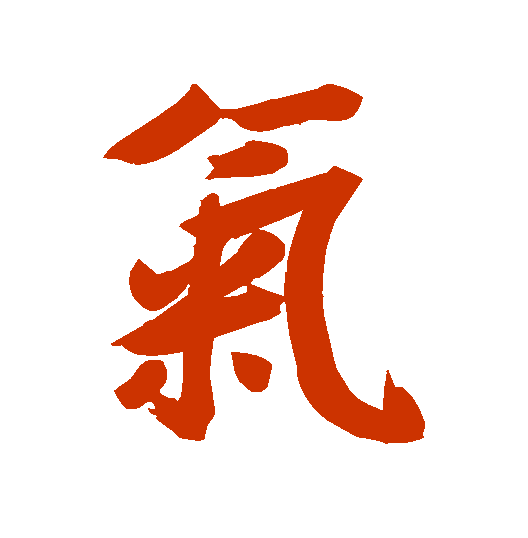
- Written words:
- Tracing the origins and keeping calm
- Trace to the Roots, Cultivate Calmness and Clarity
- Writing Tips:
- Understanding the causes of our emotions helps us develop a sense of control over them. When writing "Tracing the Origins and Maintaining a Calm Mind," the brushstrokes should be delicate, slow, and steady, reinforcing the calmness and rationality of emotional exploration.


○ Causes of destructive mood disorders: Suggestions for guidance on painting therapy
This page uses creative drawings to externalize the multiple causes of disruptive mood disorder (DMDD). DMDD is often caused byBiological susceptibility, early environmental stress, family relationship patterns, and emotional regulation difficultiesDrawing can help you see how these factors intertwine, like a jigsaw puzzle, and better understand why emotions flare up.
1. Genesis puzzle
- Draw a disk and divide it into four parts: ① Genetics/neurological sensitivity ② Early experiences (neglect/trauma) ③ Family interaction patterns ④ Environmental pressure (academic/interpersonal).
- Write down examples related to yourself in each block and use colors to distinguish "already improved" from "still bothering".
- In the center of the disc is written "Putting Together = Understanding the Whole".
2. Pressure Funnel
- Draw an inverted funnel: write "external pressure" (school/peers/rules) on the top, "internal reaction" (anxiety/impatience) in the middle, and "angry outburst" at the bottom exit.
- Draw a "small valve" on the wall of the funnel and write down the adjustment method (such as breathing/diverting attention/expressing through painting).
- Note to self: open valve = lessen outlet burst.
3. Family Interactive Network
- Draw a network: the center is "I", and the outer circle is parents, peers, and teachers.
- Connect with lines: solid lines = support, dashed lines = tension, broken lines = distance.
- Write a word on each line (e.g., understanding/conflict/ignore) to see how relationship patterns influence emotional outbursts.
Friendly reminder: DMDD is caused by multiple factors, not individual mistakes. Drawing can help sort out these factors, but it cannot replace professional diagnosis and treatment. If anger outbursts become frequent or significantly impact your life, please seek psychological or medical support promptly.
Please log in before submitting your drawings and feelings.
○ 1283. Causes of Disruptive Mood Disorders: Journaling Guidance Suggestions
① Inventory of factors: Write down one possible related clue from each of the four dimensions: physiology, temperament, stress, and parenting style. Just describe it and don’t jump to conclusions.
② High-risk situations: List the three most likely scenarios (homework, transitions, and rejections), and write a "three-minute preparatory step" for each.
③ Body-mind connection: Record the relationship between sleep, diet, exercise and the frequency of outbreaks. Observe for two weeks before deciding on the direction of adjustment.
④ Adult triggering: Writing down the caregiver’s own stress points and boundary needs, and learning to say “Let’s pause for two minutes” is an important step to stabilize the situation.
⑤ Support network: List three types of available resources and contact information: schools, relatives and friends, and professionals, so that help can be sought faster and more specific.
⑥ Repair language: Rewrite “Why is it happening again” as “What happened and what can we do?” and practice non-judgmental narration.
⑦ Conclusion: Finding the cause is not about assigning blame, but about finding a handle for change.
Please log in to use.
Through this course, you will be able to better understand the causes of destructive mood disorders and learn how to regulate emotions through Eastern healing methods such as tea drinking, diet therapy, and calligraphy to help yourself and others better manage emotional fluctuations.