

Lesson 1384: Diagnosis and Assessment of Narcolepsy
Duration:70 minutes
Topic Introduction:This course focuses on the diagnostic process and assessment methods for hypersomnia, helping students understand how the medical system distinguishes between pathological and non-pathological hypersomnia. Content includes subjective assessment scales, objective sleep monitoring techniques, and comprehensive criteria based on emotions and lifestyle habits.
○ Key methods for assessing sleepiness
- Subjective assessment:Symptoms were recorded using tools such as the Epworth Sleepiness Scale (ESS) and the Pittsburgh Sleep Quality Index (PSQI).
- Objective detection:The sleep structure was assessed using polysomnography (PSG) and the multiple sleep onset latency test (MSLT).
- Mood and neurological assessment:Exclude the correlation with mental illnesses such as depression and anxiety.
- Life behavior analysis:Observe whether your daily routine, eating habits, and amount of exercise affect your level of alertness.
▲ AI interaction: Self-assess your sleepiness status
Assessment is like tuning the night and day: turning scattered sleepiness into a clear curve. Its purpose is to match help, not to label you or deny your efforts.
Please prepare a two-week "sleep-wake" log: going to bed/falling asleep/waking up at night/getting up, nap length, daytime sleepiness score and functional impact. The more specific, the more useful.
Write down any past medical history, medication/caffeine use, snoring, and restless legs, among other clues, to help professionals rule out other sleep disorders or medical causes.
Ask three questions to bring to the meeting: What is my most likely diagnosis? What are the preferred interventions and their side effects? How will I track their effectiveness? These questions focus the conversation and give you greater peace of mind.
After the meeting, set a small, achievable goal, such as setting a consistent wake-up time or reducing nap length. Just one step will give you a sense of stability, as actionable steps can help.
Click the button below to complete a simple sleepiness assessment with AI and get suggestions on adjustment directions and coping strategies.
○ Diagnosis and assessment of narcolepsy · Music therapy
Evaluation is like tuning your life, transforming scattered sleepiness into a clear rhythm. Play a slowly flowing piano melody to calm your mind.
Write down your sleep history for the past month: time you fell asleep, number of times you woke up, and duration of daytime naps. Music will help you soften your data.
Add three impacts of these situations on your life so that they can be better seen and understood.
In the melody, I wrote a sentence of encouragement for myself who is about to seek help: "I deserve professional support."
○ Herbal tea healing drink
Recommended drinks:Citrus Blossom Tea
Recommended reasons:The gentle aroma of citrus flowers can boost spirits and relieve drowsiness, making it suitable for assisting wakefulness during the diagnosis of sleepiness.
usage:Take 2-3 grams of dried citrus flowers and brew them with 80-90°C hot water for 5-7 minutes. It is recommended to drink it during the day to avoid affecting sleep at night.
○ Spiced Potato Chicken Stew
Combined carbohydrates and high-quality protein deliver a smooth energy release and lasting satiety, while spices provide a gentle warmth and appetite restoration. Perfect for training days or busy evenings, this meal supports both physical endurance and emotional balance.
Healing Recipes
/home2/lzxwhemy/public_html/arttao_org/wp-content/uploads/cookbook/xiang-liao-tu-dou-dun-ji.html(Please confirm that the following has been uploaded: xiang-liao-tu-dou-dun-ji.html)🎨 Themed Mandala
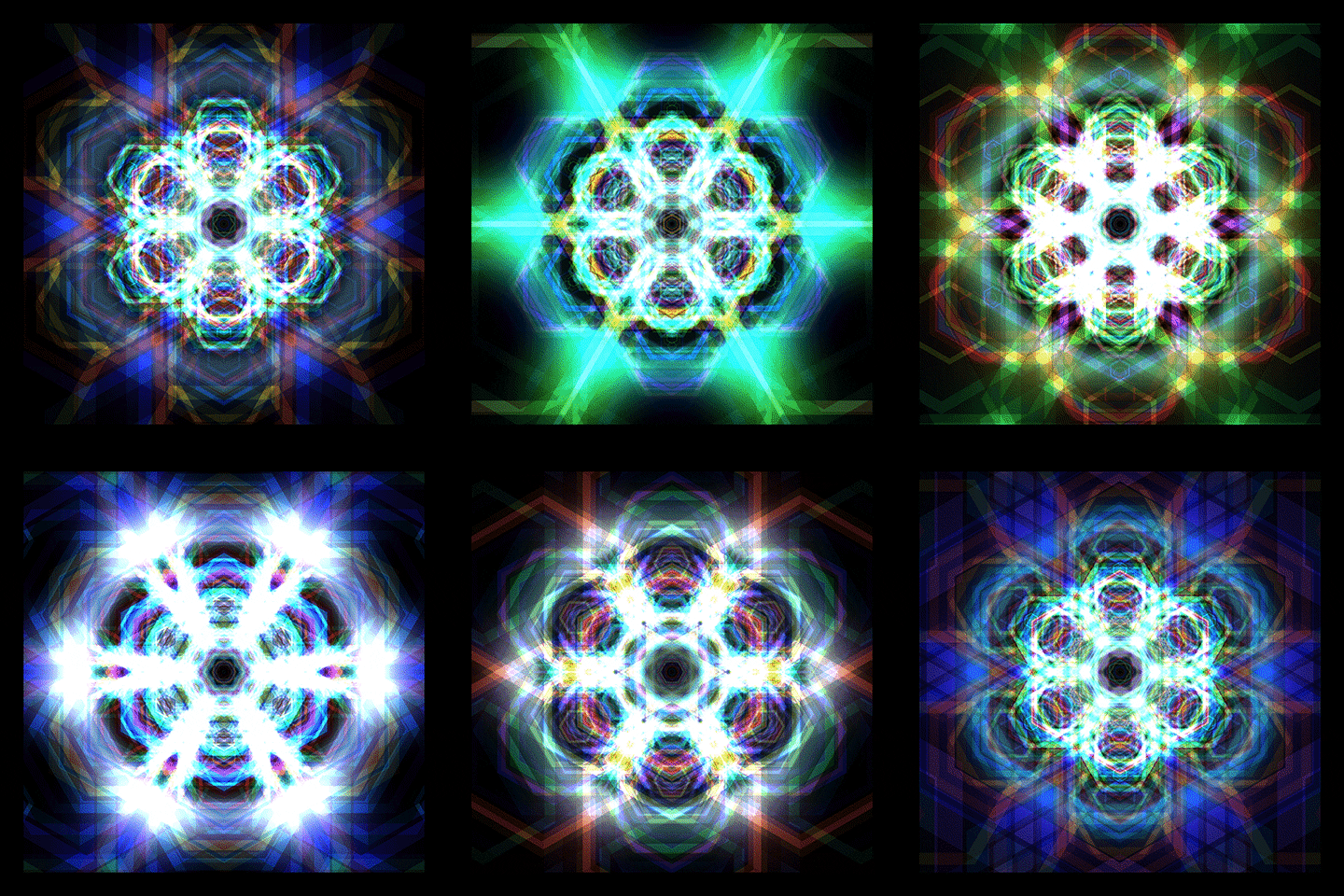
It is recommended to draw a mandala with the theme of "Awareness in Diagnosis", using fine lines and logical patterns to enhance self-awareness and record daily mental changes.
Applicable issues:Suspected narcolepsy, emotional confusion, and difficulty in judging one's own state of wakefulness.
○ Medieval Gothic calligraphy practice
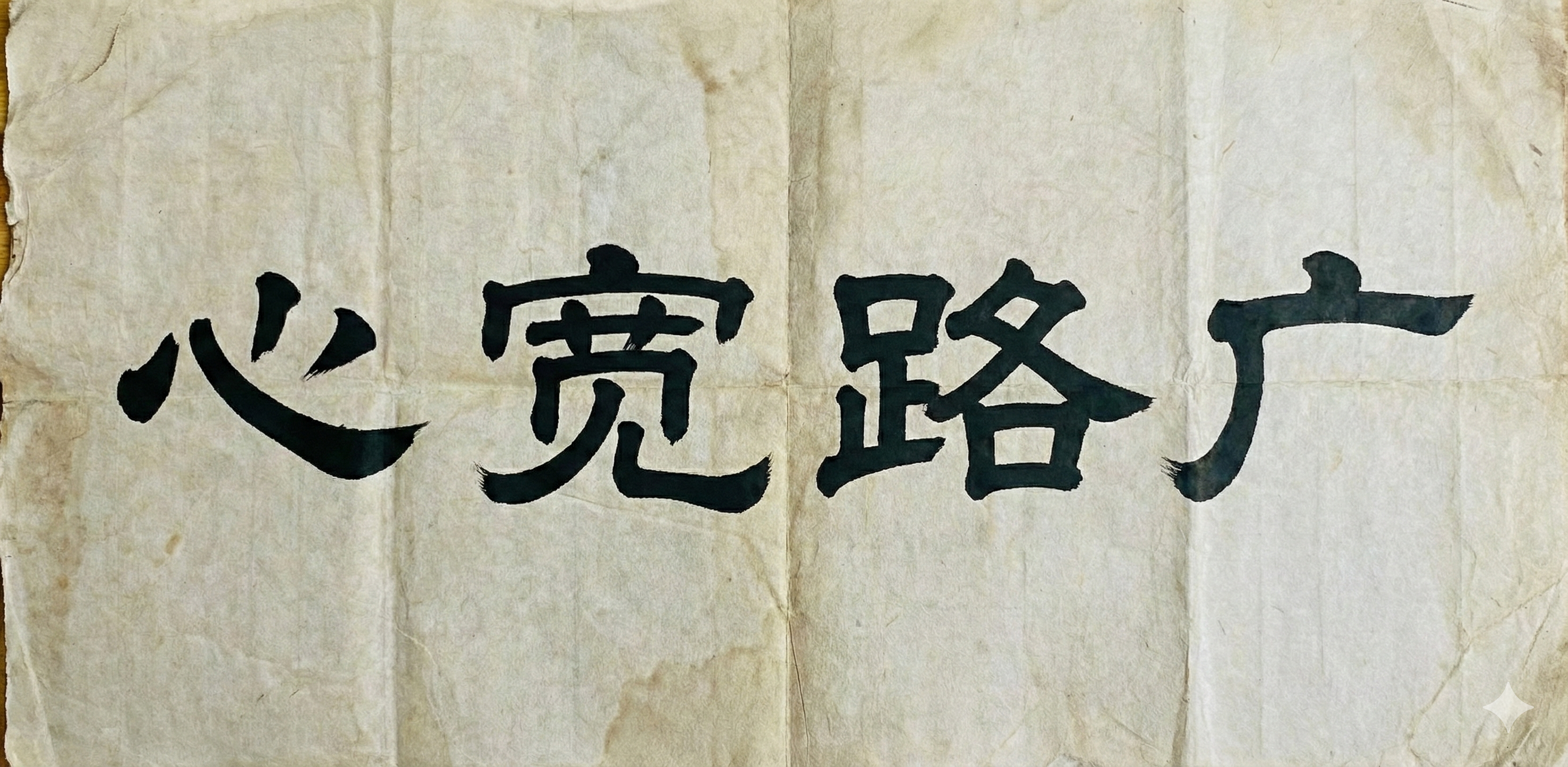
During the assessment period, calligraphy practice helps stabilize focus and enhance body awareness. This lesson suggests focusing on "taking care of the body."
Practice sentences:
“I look deeply into the body and take care of it in a gentle way.”
I deeply understand my body and care for it with gentleness.
Writing three times a day, morning and evening, in conjunction with breathing and rhythm, will help enhance physical connection and clarity of consciousness.
○ Diagnosis and assessment of narcolepsy: guidance and suggestions for painting therapy
This page makes "Sleepiness Assessment" into a drawing toolkit: present it with imagesFrequency of sleepiness, scene triggers, and the chain effect of night-morning-day, and map out the professional assessment path. The goal is to allow you to communicate your difficult-to-describe experiences rather than self-diagnose.
1. Sleepiness Ephemeris (14 days) and Slumber Sign
- Draw a 14-day calendar, dividing each day into morning/noon/evening; use stars to record daytime sleepiness: ☆ = yawning a lot, ★★ = napping, ★★★ = falling asleep.
- Add small "snooze mark" stickers next to the stars: droopy eyelids/nodding head/attention gap/memory gap (select the one that appears and stick it on).
- At the weekend, draw a "galaxy curve" on the margin, connect the total number of stars this week, and observe whether the trend is upward.
2. Situational Snooze Radar + Safety Signal Light
- Drawing a six-axis radar: sitting quietly listening to a lecture/scrolling through the screen/commuting by car/sitting after a meal/reading in a meeting/being alone in a quiet moment.
- Each axis was scored 0–10 (the higher the score, the easier it is to fall asleep), and the lines were connected to form a “sleepiness profile”. The axes with a score of ≥7 were marked with a color block and a typical scenario was written next to them.
- A red, yellow, and green signal light is drawn on the right: Green = self-management; Yellow = enhanced rest/short absence; Red = driving involved/high-risk equipment →Do not operate and seek medical attention as soon as possible.
Tips: This page is for record keeping and communication purposes only and cannot replace professional diagnosis.Drowsiness while driving, sudden muscle weakness and falls, and frequent sleep paralysisIf your sleep or learning/work is significantly affected, please seek a sleep specialist/psychiatric evaluation as soon as possible and bring this page with you.
Please log in before submitting your drawings and feelings.
○ 1384. Diagnosis and Assessment of Narcolepsy: Journal-Guided Recommendations
① Two-week diary: going to bed/falling asleep/waking up/getting up, nap duration, daytime sleepiness score, and functional impact.
② Past clues: disease/drugs/caffeine/alcohol/family history, make a list and bring it to the doctor.
③ Three questions to ask during the meeting: Most likely diagnosis? Preferred treatment options and side effects? How to track results?
④ Effective strategy library: records effective practices and applicable scenarios for professionals to optimize their combinations.
⑤ Risk Warning: If you feel sleepy while driving/working at heights/operating machinery, please write down an alternative and inform the driver.
Please log in to use.
Diagnosis is the beginning of understanding and an opportunity for healing. May this lesson help you gain a deeper understanding of yourself and gently care for the rhythms of your body and mind.