

Lesson 1402: Excessive Worry about Somatic Symptoms and Psychological Mechanisms
Duration:65 minutes
Topic Introduction:This course will delve into the psychological mechanisms of excessive worrying, a common phenomenon in somatic symptom disorder. You'll learn how to identify the relationship between anxious cognitions, catastrophic thinking, and bodily sensations, understand why worrying about physical discomfort can worsen, and learn to replace fear and control with awareness and trust.
○ Common psychological mechanisms of physical concerns
- Catastrophic thinking:Associating minor discomforts with major illnesses.
- Excessive body monitoring:Paying excessive attention to normal physiological phenomena such as heartbeat, breathing, and intestinal motility.
- Anxiety-maintaining symptoms:Worry itself becomes a source of physical tension and discomfort.
- Reinforcing the negative cycle:A vicious cycle of symptoms—worry—more symptoms.
▲ AI interaction: How to stop “over-worrying”?
The brain often quickly interprets "sensations" as "danger," forming a cycle of "attention → alertness → worry → increased sensitivity." Only by seeing the cycle can we interrupt it.
Write down three automatic thoughts that came up today and write a gentle alternative for each, such as "This might be stress/fatigue. I'll take a ten-minute break and see what happens next."
Prepare a "distraction kit" for high-alert situations: short walks, stretching, talking to someone, listening to white noise. This helps you focus on the present moment, not disaster scenarios.
Give yourself some comfort: "I can slow down first and then decide whether to seek medical attention." Take the right to choose back from anxiety.
Conclusion: You are not the one controlled by worry, you are the one learning to coexist with worry and guide it gently.
Click the button below to analyze with AI whether you have catastrophic body associations and learn the regulation mechanism.
○ Excessive worry about physical symptoms and psychological mechanisms · Music therapy
Excessive worrying often leads us into a cycle of "the more we think about it, the more afraid we become." Try playing a soothing string piece to help you relax.
Write down your three most common worrying thoughts to put them into words and reduce their power in your mind.
Write an alternative gentle thought, such as "My body needs rest, not collapse."
Finally, whisper to yourself, “I am practicing a new relationship with my body.”
Aromatherapy drinks
Recommended drinks:Jasmine Green Tea
Recommended reasons:Jasmine helps calm nerves and balance anxiety, while green tea contains theanine, which has a mild sedative effect. The combination of the two can relieve tension and reduce over-awareness of bodily details.
usage:Brew 2g green tea and 0.5g dried jasmine flowers with 85°C water for 3-5 minutes. Suitable for early morning and afternoon drinking.
○ Turmeric Shrimp and Vegetable Stir-fry
Low-fat, high-protein, and high-fiber vegetables combine to provide both satiety and sugar control. The spicy aroma of turmeric adds a warming boost, perfect for post-workout or commuting dinner. The overall refreshing experience helps you focus and feel light.
Healing Recipes
/home2/lzxwhemy/public_html/arttao_org/wp-content/uploads/cookbook/jiang-huang-xia-ren-chao-shu-cai.html(Please confirm that the following has been uploaded: jiang-huang-xia-ren-chao-shu-cai.html)🎨 Themed Mandala
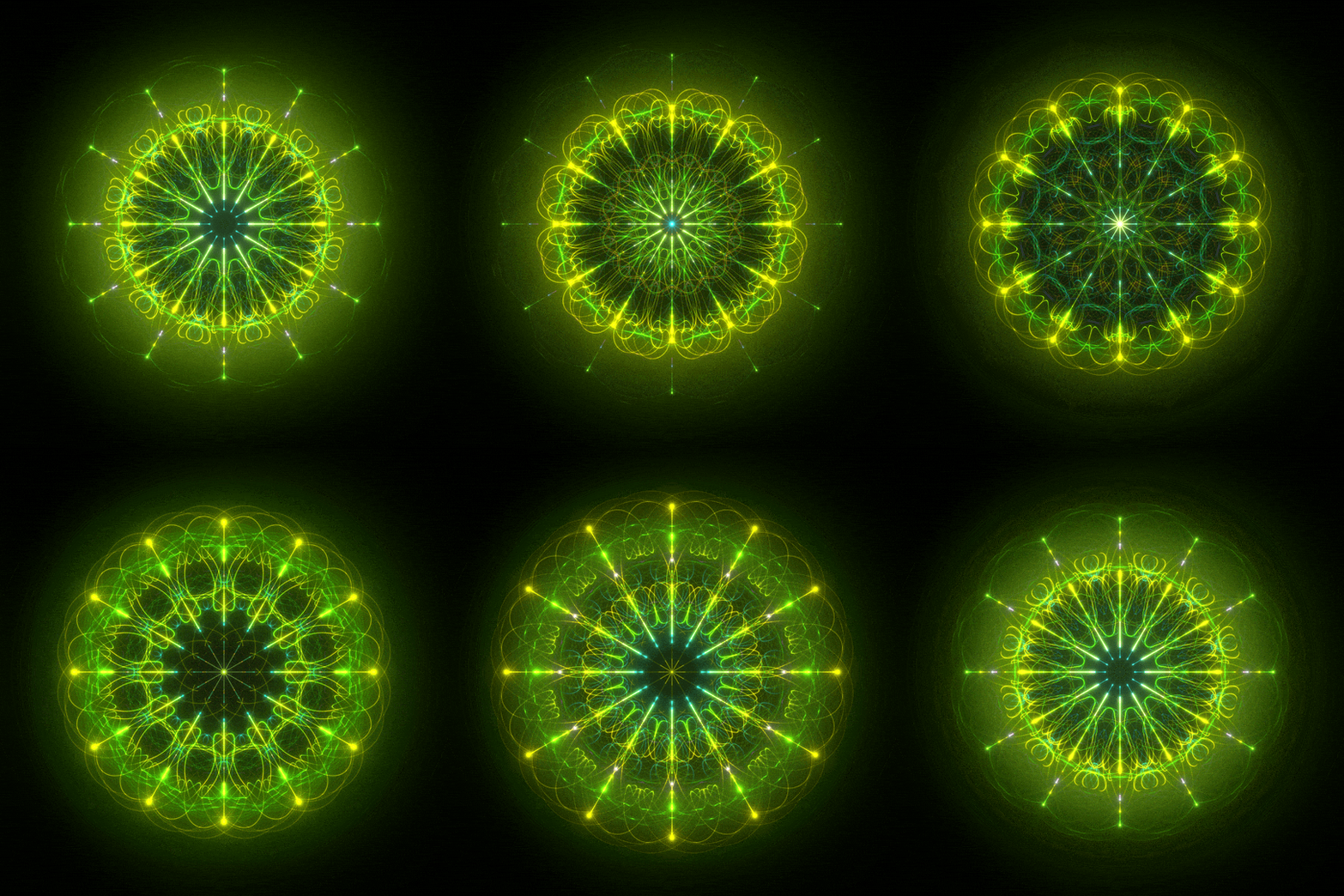
We recommend creating a mandala themed "Trust and Relaxation" to help people shift their inner anxiety away from a rigid surveillance mode and towards fluidity and acceptance. We recommend using a gradient of green, white, and blue.
Applicable issues:Overly sensitive to physical reactions, difficulty relaxing, and easily frightened.
○ Medieval Gothic calligraphy practice
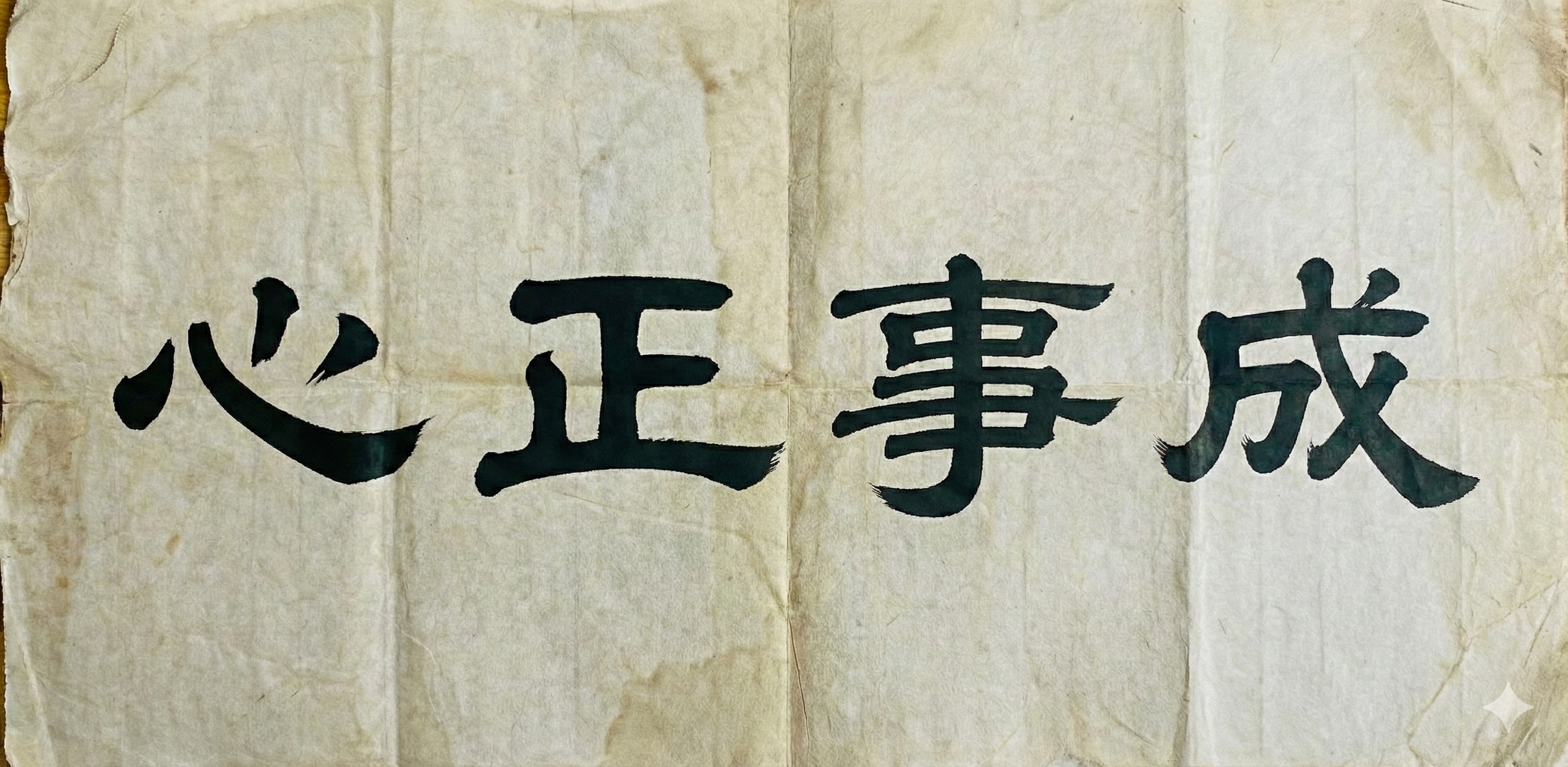
Calligraphy is a slow-paced mindfulness practice that can be used as an artistic way to loosen up feelings of control and worry.
Practice sentences:
“I no longer fear the changes in my body, but observe its rhythm with equanimity.”
I no longer fear the changes in my body, but calmly observe its rhythm.
It is recommended to practice for 5 minutes every day in a quiet corner, accompanied by deep breathing and slow strokes, so that writing becomes a ritual that soothes the body.
○ Excessive worry about physical symptoms and psychological mechanisms: Suggestions for guidance on painting therapy
This page focuses on "Why Do I Worry More Than I Really Do?" Excessive worry often results from a combination of amplifying bodily signals, overestimating threats, and underestimating coping resources. By visualizing triggers, automatic thoughts, and behavioral responses through drawing, we can identify areas that can be gently adjusted and, through small, experimental steps, restore a sense of security.
1. Trigger Chain Timeline (Cue → Thought → Emotion/Sensation)
- Draw a horizontal timeline on a piece of paper, dividing it into three sections from left to right: external cues (coffee, overtime, quarrels, weather), automatic thoughts (is it a heart attack, will it get worse), and emotions/physical sensations (tension, rapid heartbeat, chest tightness).
- Every time a clue appears, write down the specific situation and location below it; write the original sentence in the "automatic thought" section and leave an "alternative word" next to it (for example: This type of palpitations is common when you are nervous, I will first do 60 seconds of breathing and then observe for 10 minutes).
- Give each sensation an intensity score of 0-10, and record the duration and end time to help distinguish between "short-term fluctuations" and "sustained deterioration."
2. Catastrophizing (Balance of Evidence)
- Draw a pair of glasses in the center of the paper. Write "Evidence supporting the idea of disaster" on the left lens and "Disproven or more balanced evidence" on the right lens. For each piece of evidence, write only observable facts, such as "Physical examination was normal" or "Relieved after exercise."
- Draw a "probability scale" below the glasses (0%-100%), mark with a pencil my current estimate of the worst-case outcome, and then mark "doctor's or credible information source's estimate." Compare the two and write down the reasons next to them.
- Add the "list of controllable factors" on the right: sleep, diet, regular exercise, rhythm management, and medical consultation plan, to shift attention from uncontrollable results to controllable processes.
3. Body-Attention-Action Loop (BAA Loop)
- Draw a three-segment loop: Physical Signal (heartbeat, stomach bloating) → Attention Focus (repeated scanning, fixating on the negative) → Behavior (searching, checking, avoiding). The arrow returns to the Physical Signal, forming an amplification loop.
- Draw an "intervention gate" at each arrow:
Body signals: 60 seconds of rhythmic breathing and two sets of gentle stretching;
Focus: Turn your attention to your five senses and record three things you can see or hear.
Behavior: Choose one of three alternative behaviors (delay the check for 10 minutes, complete a short task first, or do light exercise). - Draw a "medical communication card" next to the loop, list three questions to ask and three objective data (time of occurrence, frequency, and triggering factors) to reduce unnecessary anxious examinations and improve communication efficiency.
Friendly reminder: Drawing is for awareness and communication, not a substitute for medical diagnosis and treatment. If acute red flags occur (sudden chest pain, unilateral limb weakness, slurred speech, persistent high fever, black stools or unexplained bleeding, difficulty breathing, etc.), please seek medical attention first. Keep this page handy to help you describe to your doctor/psychologist when symptoms are more pronounced and what methods may be helpful.
Please log in before submitting your drawings and feelings.
○ 1402. Psychological Mechanisms of Excessive Worry: Journaling Guidance Suggestions
① Cycle breakdown: attention → alertness → worry → more sensitive; write down the most typical cycle of today.
② Thought record: List three automatic thoughts and write gentle alternatives, such as "probably tension and fatigue."
③ Evidence practice: Write down two pieces of evidence to support/oppose your concerns, and practice returning to the facts.
④ Pay attention to diversion: prepare a "10-minute emergency list" - walking, stretching, talking to people, music.
⑤ Safety limit: stipulate the time and number of times to check information, and stop when the time is reached.
⑥ Self-acceptance: Tell yourself “I am learning new methods” and allow imperfection.
⑦ Conclusion: When the loop is identified, loosening begins.
Please log in to use.
You don't need to fight your body; instead, you can accompany it with gentleness and rhythm. From today on, may you no longer fear every change in your body, but instead feel its wisdom with your heart.