

Lesson 1524: Treatment and Intervention of Alcohol Use Disorder
Duration:70 minutes
Topic Introduction:This course focuses on systematic treatment and intervention approaches for alcohol use disorder, including withdrawal support, psychotherapy, building social support networks, and developing behavioral alternatives. It will help participants develop practical recovery steps, incorporating Eastern health practices to promote physical and mental recovery.
○ Common treatment and intervention methods
- Medical support:Professional withdrawal treatment and drug assistance (such as antidepressants and anti-alcohol drugs).
- Psychotherapy:Including CBT cognitive behavioral therapy, motivational interviewing, and group therapy.
- Alternative mechanism reconstruction:Find healthy ways to cope with stress (e.g., meditation, artistic expression, exercise).
- Social support system:Repair of intimate relationships, supportive communities, and self-help organizations such as AA groups.
▲ AI interaction: Are you ready to start the change?
Treatment and intervention may include psychological support, medication, support groups, and lifestyle modifications.
Write down two small things you would like to try, such as cutting back on one drink or attending a support meeting.
Create “alternative scripts” for high-risk situations: drink water, take a walk, call for help.
Record a small success today and celebrate it with music or words.
Conclusion: Change is a journey, you don’t have to be perfect, just keep going.
Click the button below to work with AI to sort out your motivations and resistance factors for recovery and develop the first three steps of transformation actions.
○ Treatment and intervention of alcohol use disorder · Music therapy
Play a bright melody in the background and remind yourself that treatment and intervention are not punishment, but care and restoration. Methods may include psychological support, medication, and support groups.
Write down one small thing you can do today: cut back on one drink, delay one, switch to a non-alcoholic beverage.
Record the subtle changes in your body and mood after completion, and let the melody amplify them into points of light worth cherishing.
Conclusion: Every melody and every small change will make the future more stable.
○ Oriental healing tea
Recommended drinks:Red Date & Longan Tea
Recommended reasons:Red dates replenish qi and blood, longan soothes the mind and benefits the spleen, and are suitable for relieving discomfort caused by weakness, insomnia, and anxiety during the period of quitting alcohol.
usage:Boil 4 red dates and 6 longans in hot water for 10 minutes and drink it warm. It is recommended to take it at night.
○ Japanese Food Therapy, Clam Miso Soup (Asari Miso Shiru)
The fermented flavor combined with shellfish trace nutrients provides both hydration and electrolyte balance. Its gentle, easily absorbed flavor soothes the stomach and body. Perfect for seasonal changes and after a late night, it helps restore focus and physical well-being.
Healing Recipes
/home2/lzxwhemy/public_html/arttao_org/wp-content/uploads/cookbook/asari-miso-shiru.html(Please confirm that asari-miso-shiru.html has been uploaded)🎨 Freedom Mandala Healing
Image Healing: Free Mandala Stability Guidance 04
When you gaze, you may feel your emotions fluctuating. Don't look away, just keep looking. The emotions that are seen will naturally and slowly subside.
The process of seeing is a form of acceptance. Acceptance itself is the starting point of healing.
Free mandalas have no fixed form, allowing the artist to express themselves freely based on their emotions. There are no rules for drawing free mandalas, encouraging individuals to express their inner world, and they are often used to help with emotional release and self-awareness.

○ Suggestions for seal carving calligraphy practice
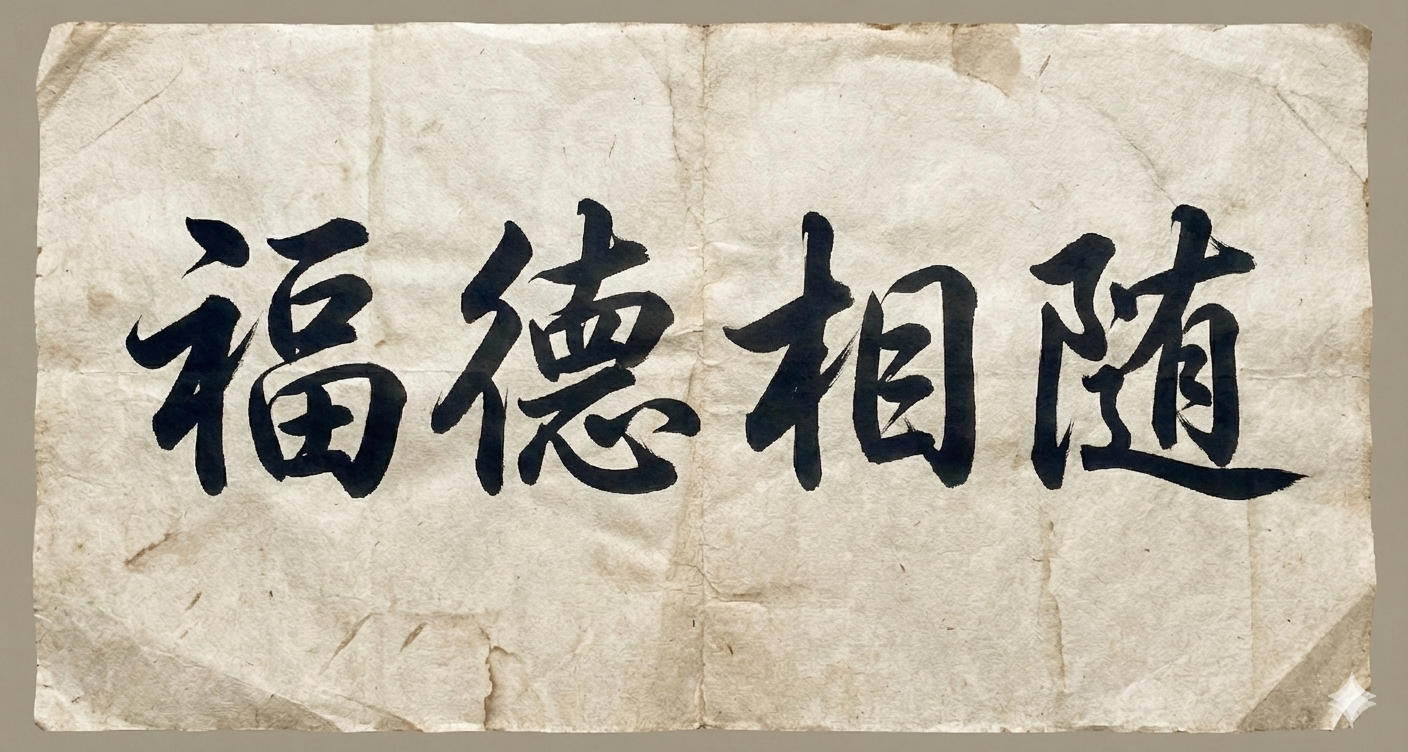
In this course, the goal of seal carving calligraphy is to help you enhance your sense of self-control and strengthen your emotional regulation through focused carving, assist in the treatment and intervention process of alcohol use disorder, and enhance self-regulation and emotional resilience. Depending on your needs, you can try the following methods:
- Introduction to the characteristics of seal carving:
Seal carving requires the engraver to complete the knife's movements in a state of calm and concentration, emphasizing balanced composition, vigorous lines, and a strong sense of rhythm. Each stroke of the knife contains the value of emotional regulation training, helping to cultivate patience, enhance self-control, and support emotional stability during the withdrawal process. - Written words:
Let everything go with the flow, that is the way to peace and happiness
Let Things Follow Their Course — The Way to Inner Peace - Psychological Intention:
Accepting external factors and emotional fluctuations that are beyond one's control is crucial in the treatment of alcohol use disorder. When writing the phrase "Let everything follow fate, and peace and happiness are the path to happiness," the experience of carving the inscription cultivates a receptive mindset, reducing the need for control and external stimuli, and enhancing inner peace. - Knife skills:
Slow down the pace when carving, pay attention to the starting and ending points and the sense of strength of each stroke, combine with steady breathing, and train patience and stable emotional response during the treatment process. - Emotional transformation:
Projecting the uneasiness and anxiety during the withdrawal period into the carving action, and through the controllability of the detailed carving experience process, it helps to rebuild a sense of security and improve the ability to cope with the uncertainty of emotions during treatment.
○ Treatment and intervention of alcohol use disorder: guidance and suggestions for painting therapy
This page visualizes "medical intervention × psychological support × behavioral adjustment × social resources" in a drawing to help you see the treatment path and self-help strategies more intuitively.Small steps, repetitive practice, and a support networkPainting is used for self-awareness and communication, and does not replace medical diagnosis and treatment.
1. Treatment Pathway (Three Parallel Paths)
- Draw three parallel roads: ①Medical intervention(drug treatment, physical examination monitoring, withdrawal management), ②Psychological support(cognitive behavioral therapy, motivational interviewing, mindfulness practice), ③Behavioral adjustments(Alternative drinks, delay techniques, regular sleep and rest schedule).
- Draw “Support Stations” at the intersections of roads and write: Family, Friends, Mutual Aid Organizations, Professionals.
- Draw road signs on each road: methods tried, effect evaluation, and next steps.
II. Intervention Toolbox (Cognition-Behavior-Relaxation)
- Draw a three-layer toolbox: the first layer = cognitive rewriting cards (rewrite "I have to drink" to "I can try other ways to relax"), the second layer = behavioral replacement cards (exercise, music, painting, alcohol-free socializing), and the third layer = relaxation adjustment cards (deep breathing, progressive muscle relaxation, meditation).
- Write "Number of uses ✓" next to the card and tick it every time you practice it to accumulate a sense of accomplishment.
- Draw a "safety reminder box" on the outside of the toolbox: When there is a high risk of withdrawal, contact a doctor first.
III. Recovery Ladder (Microsteps – Persistence – Value Alignment)
- Draw three steps: the first step is "small step experiment", such as reducing drinking once a day; the second step is "persistence and recording", maintaining it for more than two weeks and taking notes; the third step is "value alignment", connecting goals with meaning, such as "staying sober and spending time with my family."
- Draw “obstacle stones” (tempting scenes, negative emotions, loneliness) and “supporting hands” (reminders, companionship, encouragement) on both sides of the stairs.
- When you complete the first-level goal, draw a footprint as a mark of your growth.
IV. Review and Action (Three Lines)
Please write in the margin of your work:
- My first small action on the treatment roadmap is: ______; my next small action is: ______
- The tool card I would like to use today is: ______; the physical feeling score after completion (0-10): ______
- The 1% microsteps I am taking on the “ladder of recovery” are: ______; the people/resources supporting me are: ______
Tip: Treatment is a long-term process. Drawing can help organize your thoughts and boost your motivation, but it is not a substitute for professional help. If you experience severe withdrawal symptoms (such as seizures, hallucinations, or confusion), seek medical attention immediately.
Please log in before submitting your drawings and feelings.
○ 1534. Treatment and Intervention for Alcohol Use Disorder: Journal-Based Guidance Suggestions
① Path Overview: Psychotherapy, medication, mutual aid groups, motivation enhancement, harm reduction strategies; please choose one or two that match your current resources to start with.
② Goal setting: Choose one of the following: “abstain from alcohol completely/gradually reduce alcohol/only on specific occasions” and write down a quantifiable goal and reward for this week.
③ High-risk plan: Create a three-step script of “substitution-exit-help” for evenings, parties, and low moods, and post it on your phone as a memo.
④ Organize the environment: move triggers out of sight, prepare a list of non-alcoholic drinks and distractions, and reduce on-the-spot consumption.
⑤ Safety reminder: If you experience severe withdrawal or risk of self-harm, please seek medical attention or contact emergency support immediately; safety takes precedence over all plans.
⑥ Tracking and review: Record the intensity of desire, achievement of goals and experience every day, allow fluctuations, and focus on "net progress".
⑦ Conclusion: Small, steady, repeatable steps can take you the farthest.
Please log in to use.
Change won't happen overnight, but you've already started taking your own steps towards sobriety.