


Traditional Dream Mandala (Supplementary Course)
Inspired by dream imagery, traditional dream mandalas combine symbolic imagery with circular structures to explore subconscious emotions and memories. This approach not only helps understand dream metaphors but also promotes emotional integration and psychological growth.

▲ AI Interaction: What special dream have you had recently? How did it make you feel?
Click the button below to analyze the symbolic meaning in your dreams with AI and turn it into painting inspiration.
Dream Healing: Dream Mandala Imagery 36
The buildings or castles in your dreams are structures of consciousness. The towers represent reason, and the basements symbolize hidden memories. As you move through them, you are reorganizing the layers of your thoughts and feelings.
A castle is an architecture of consciousness.
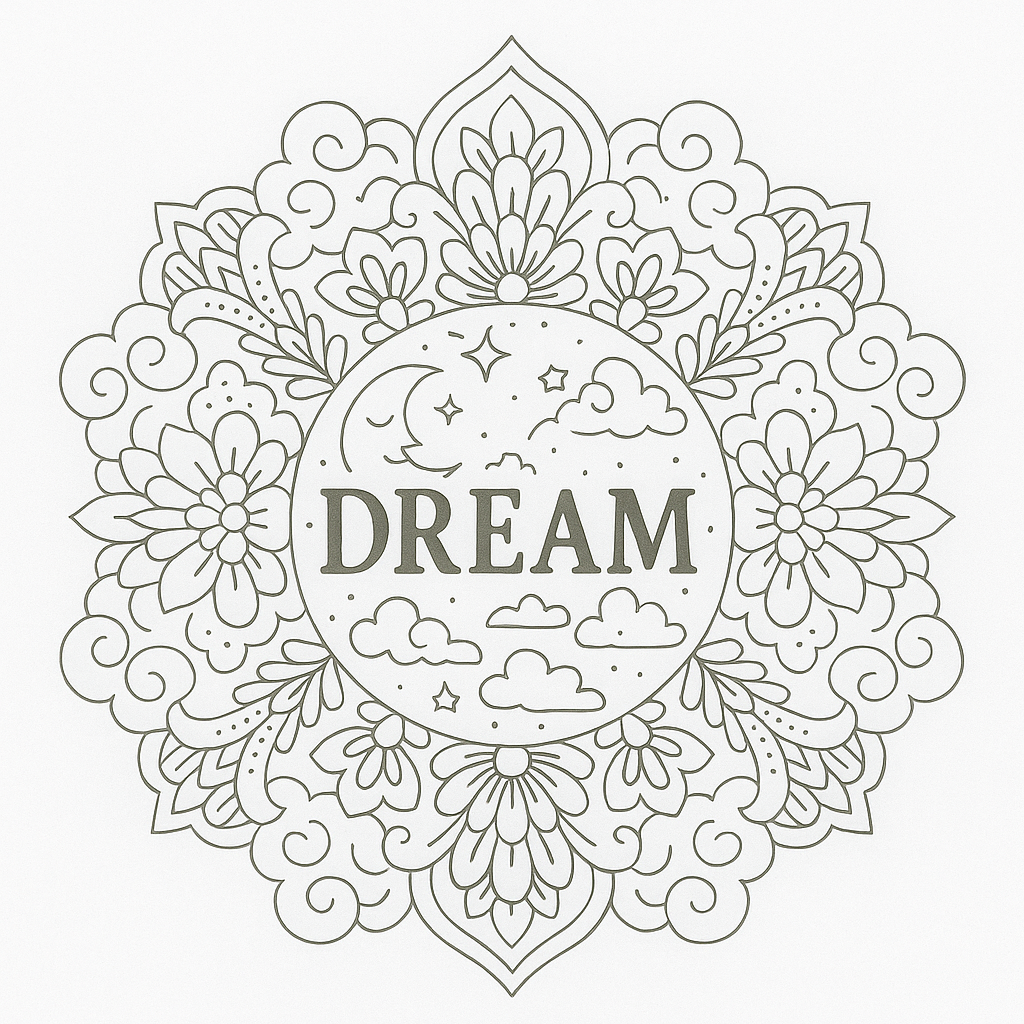


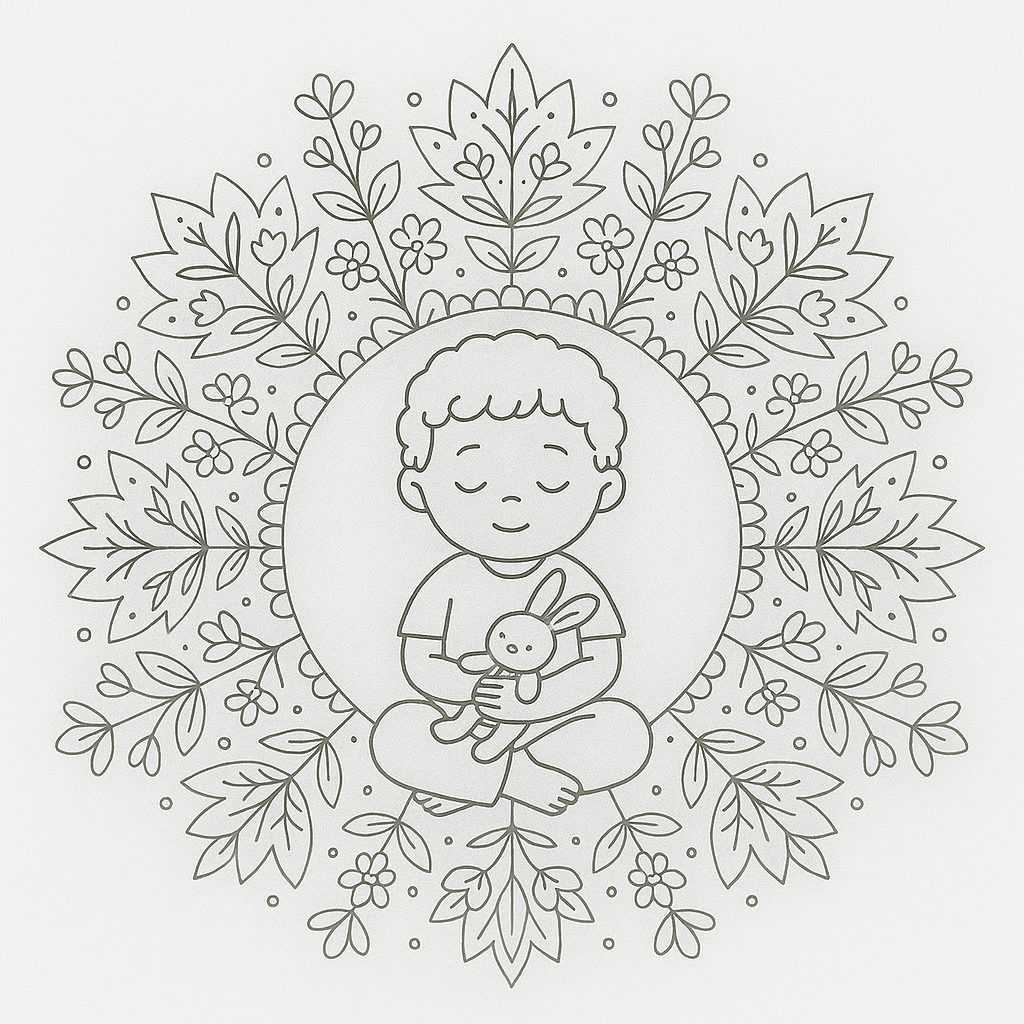
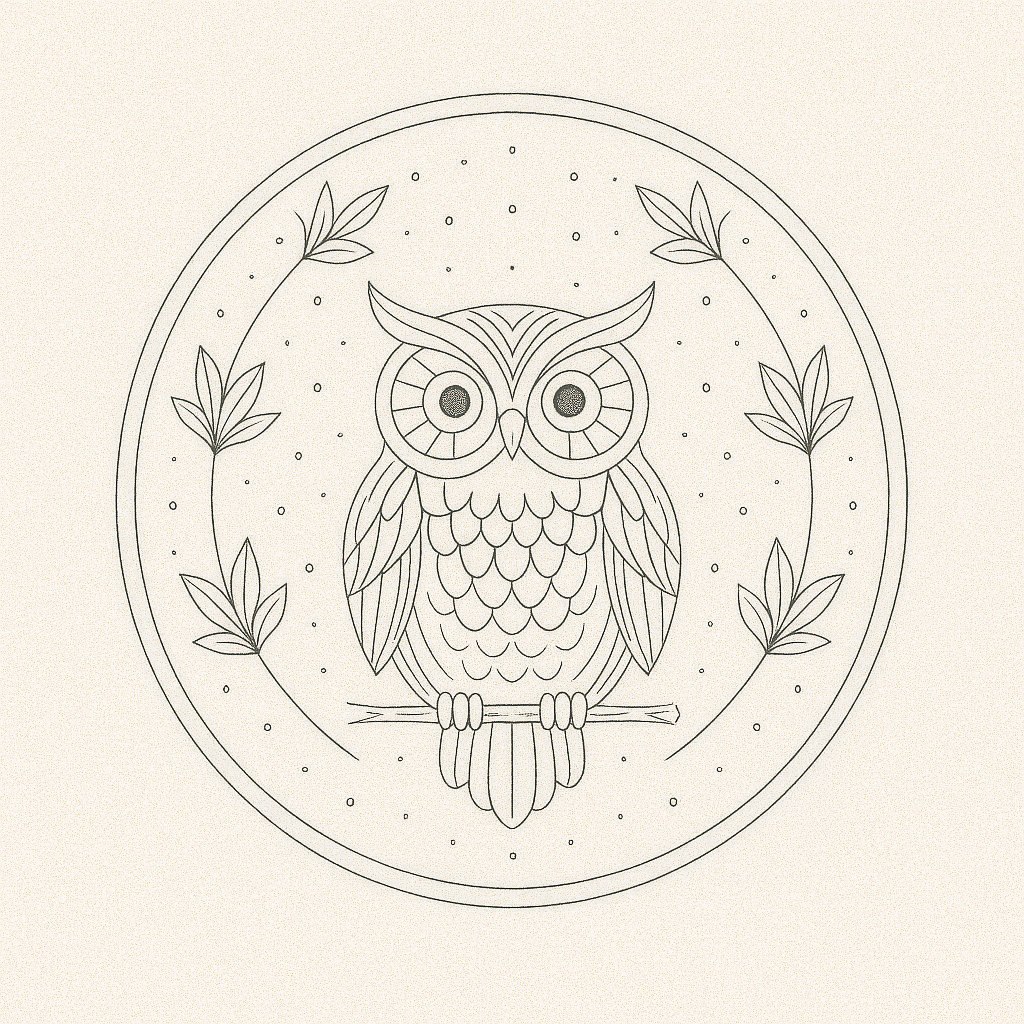
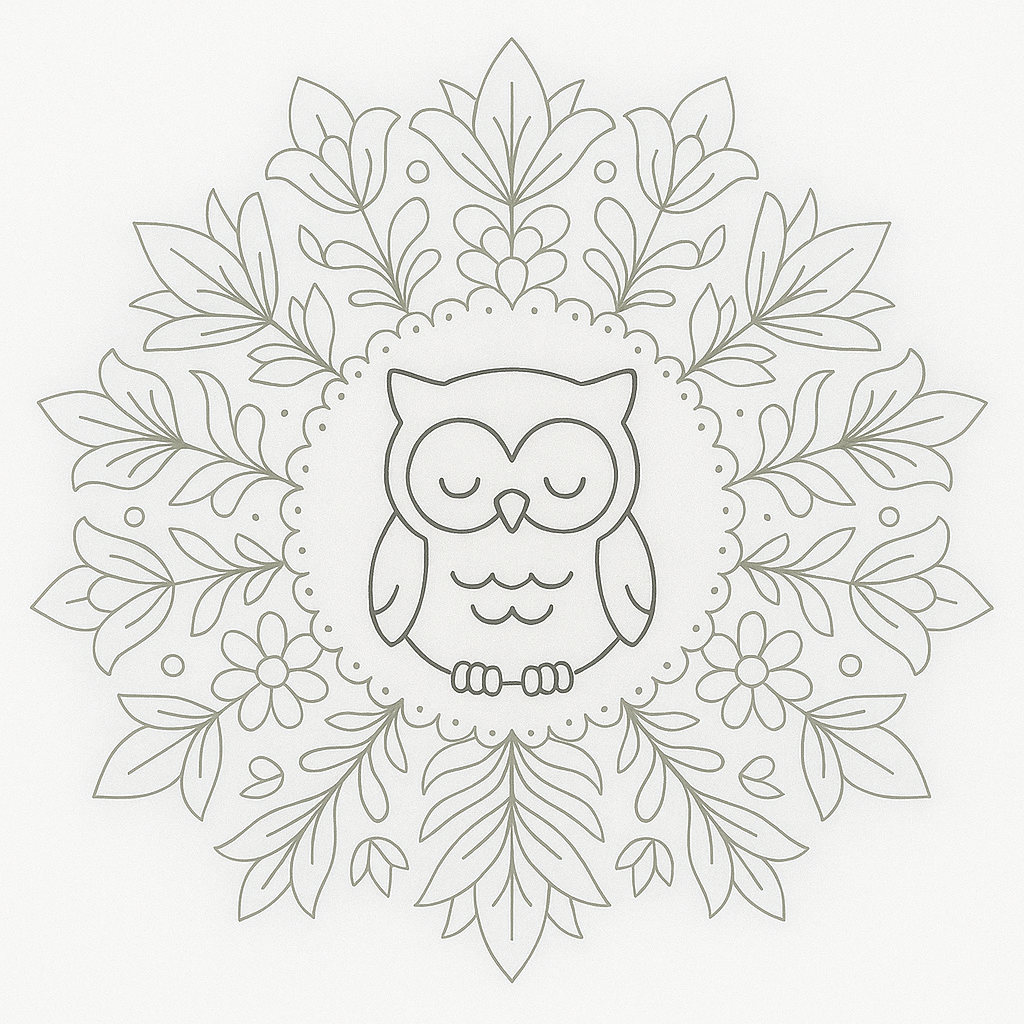

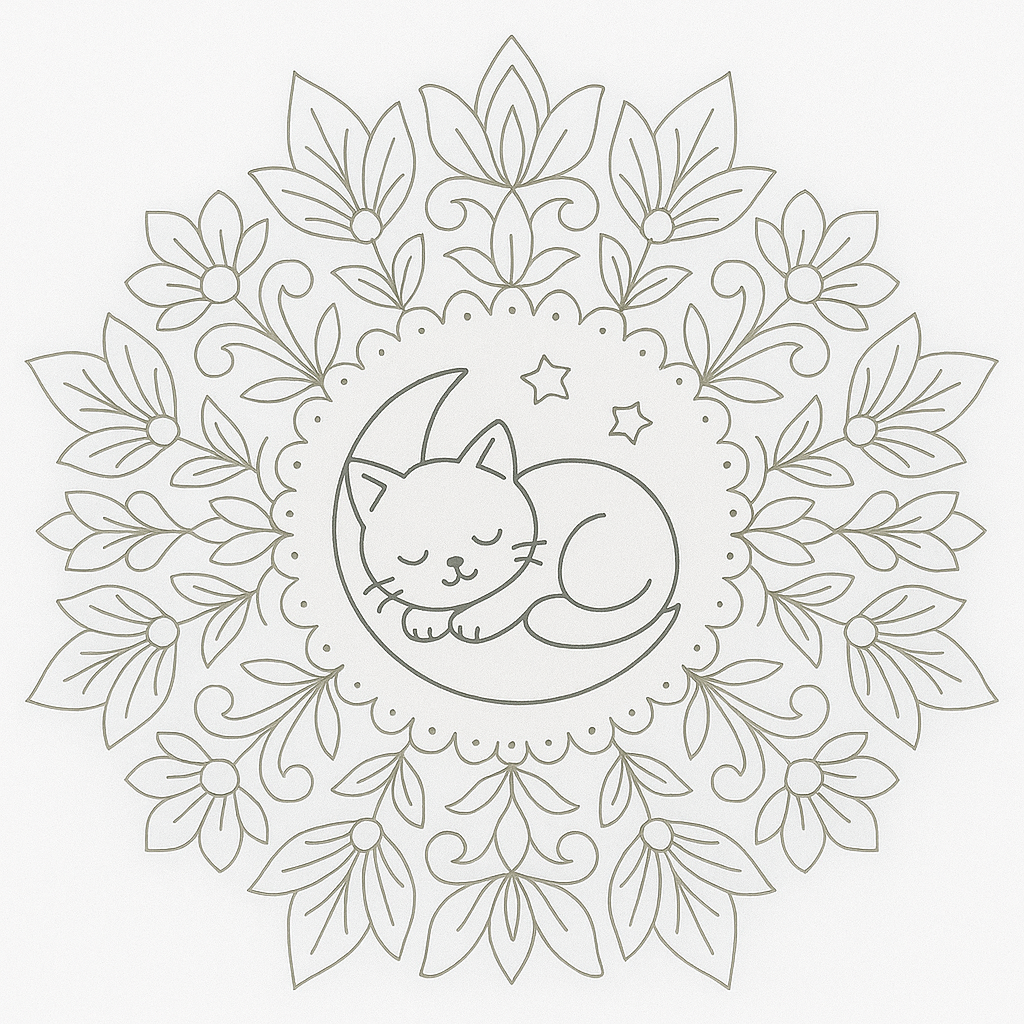
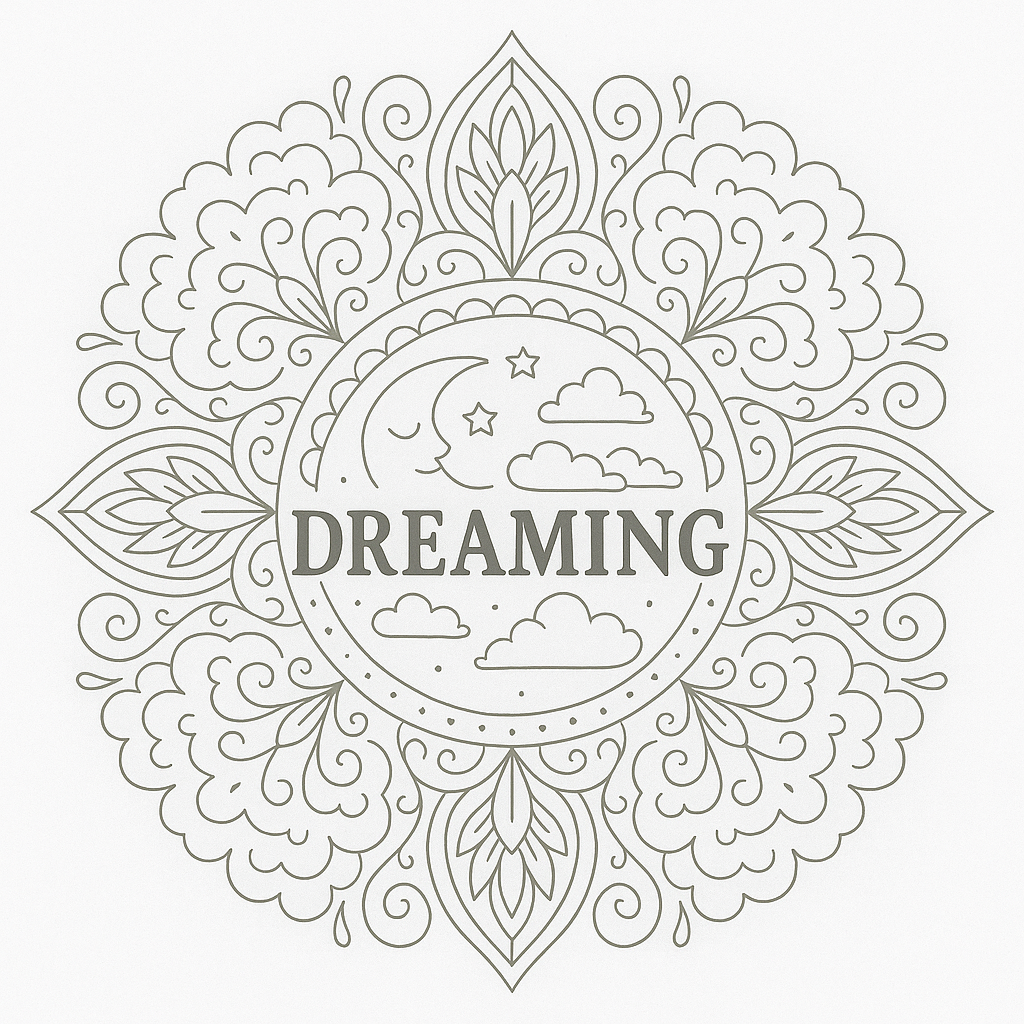
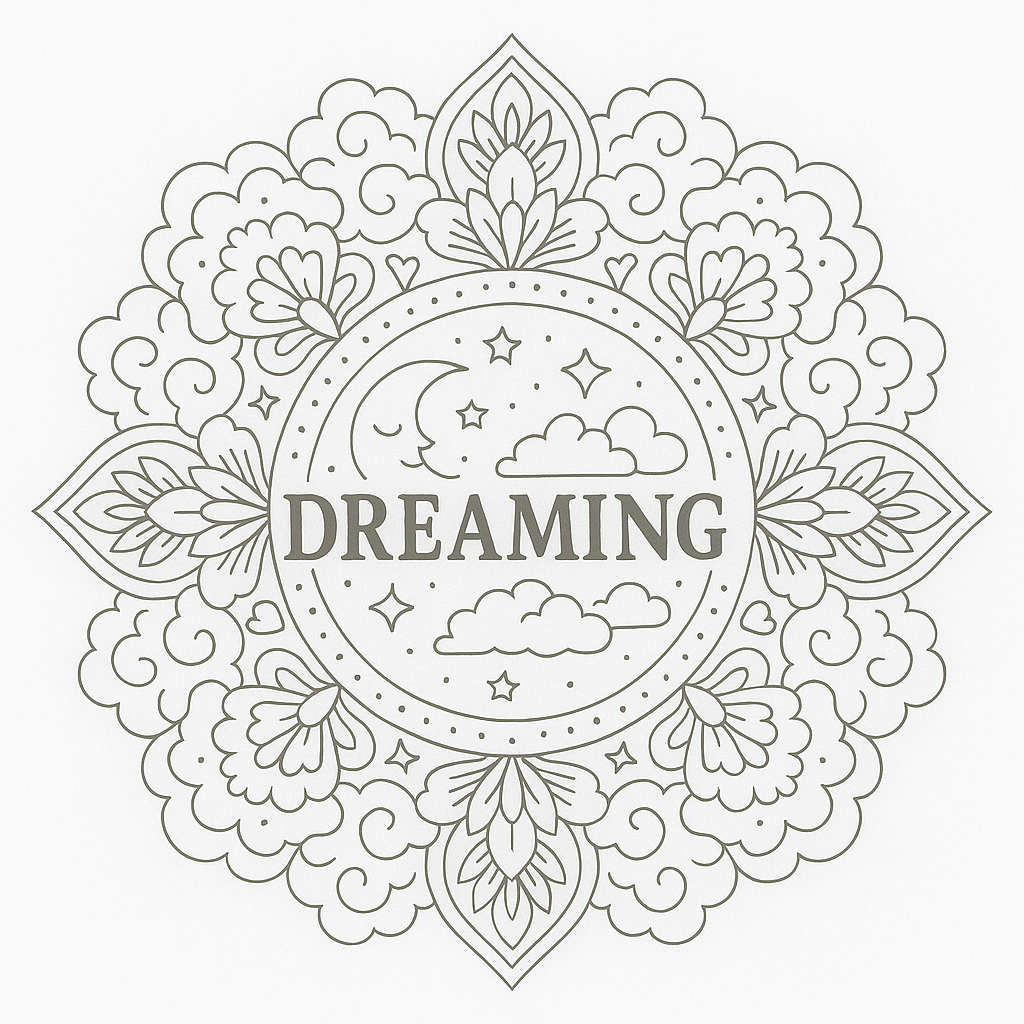
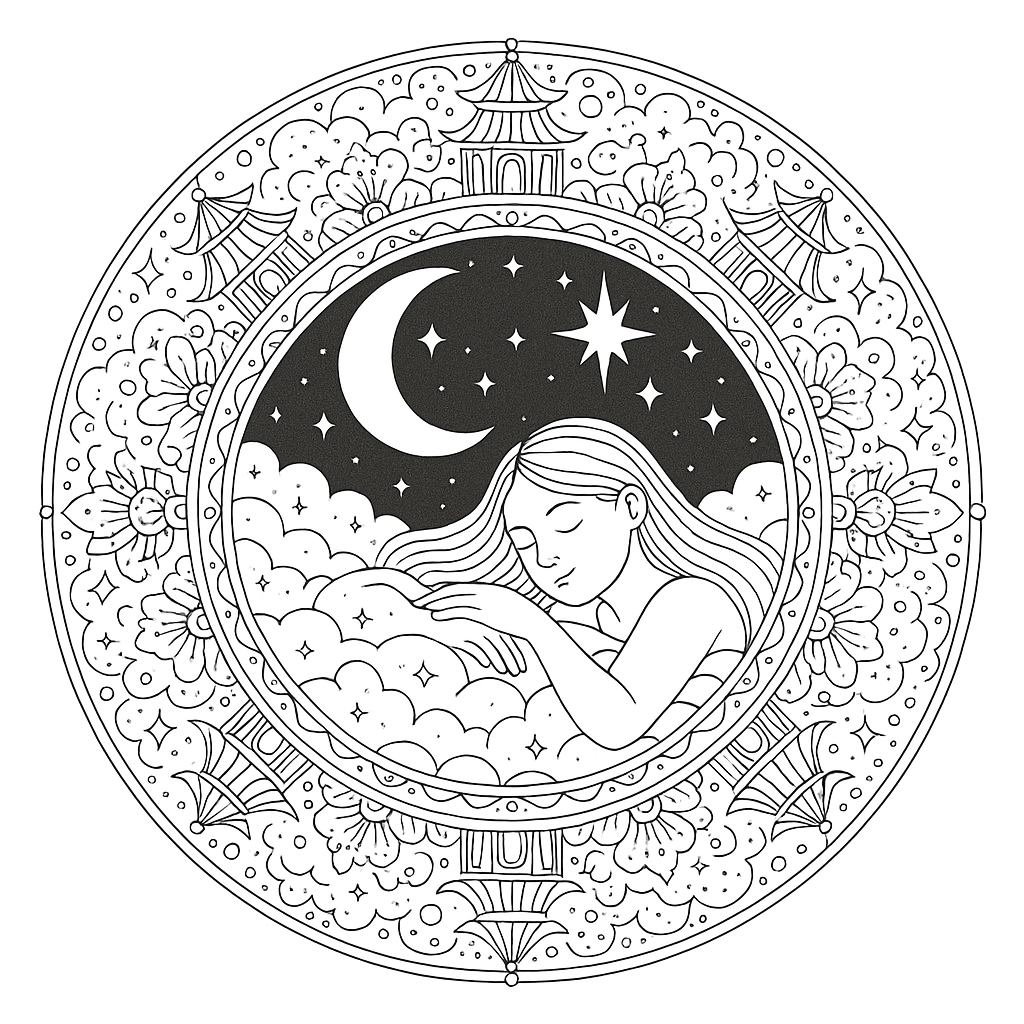
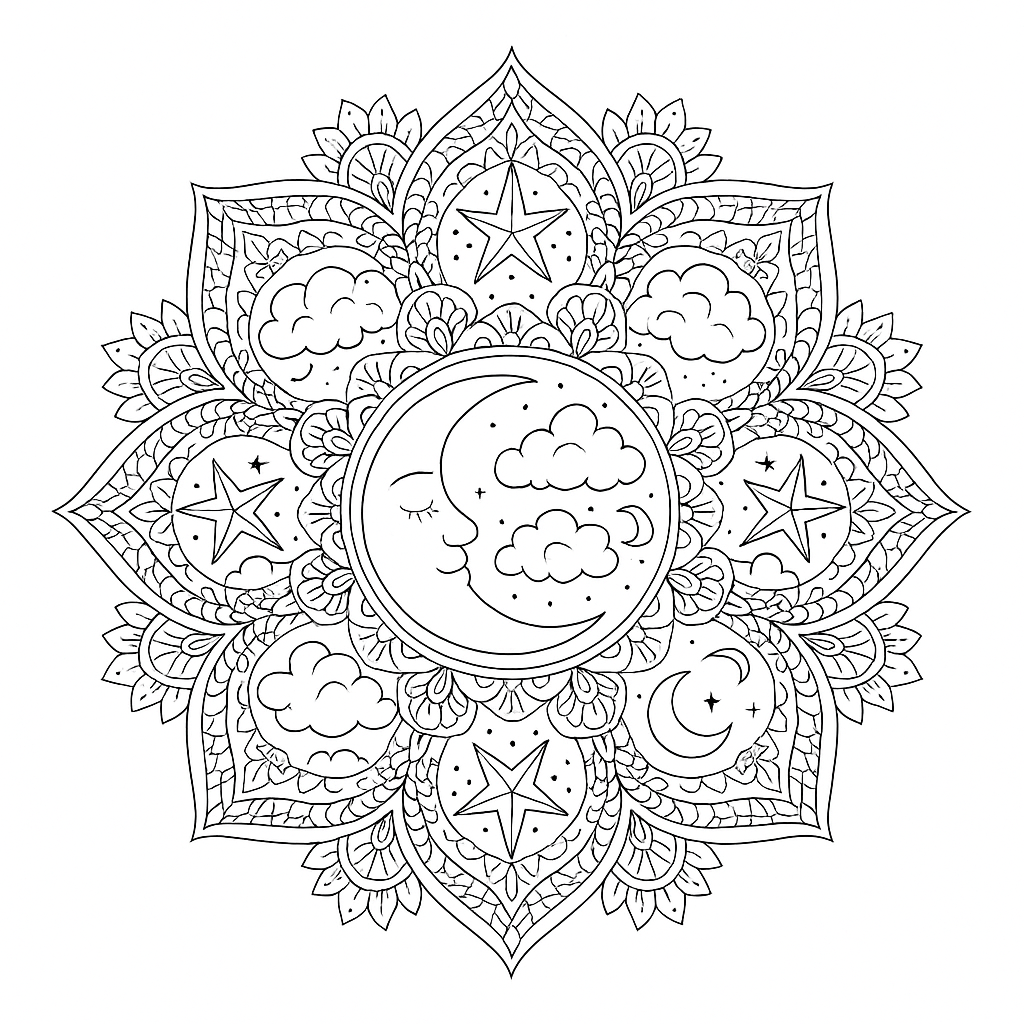
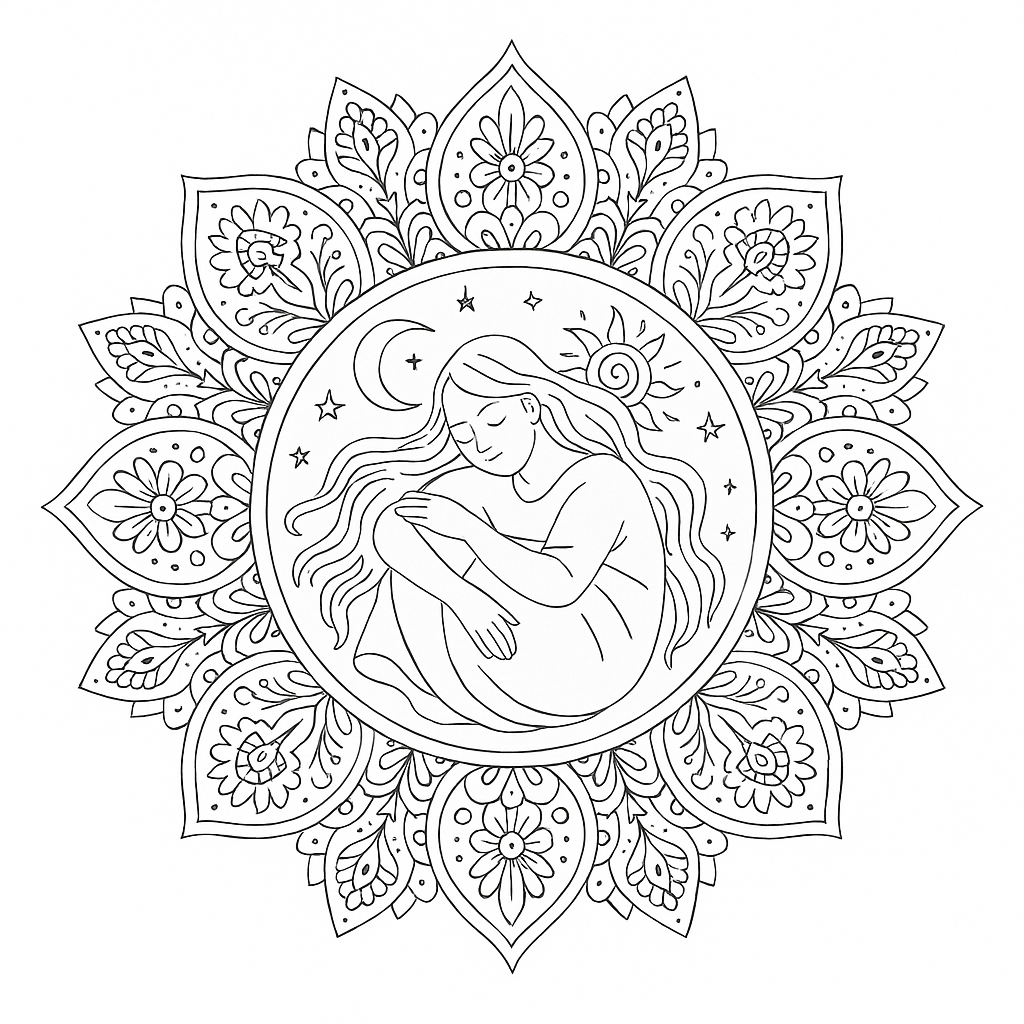
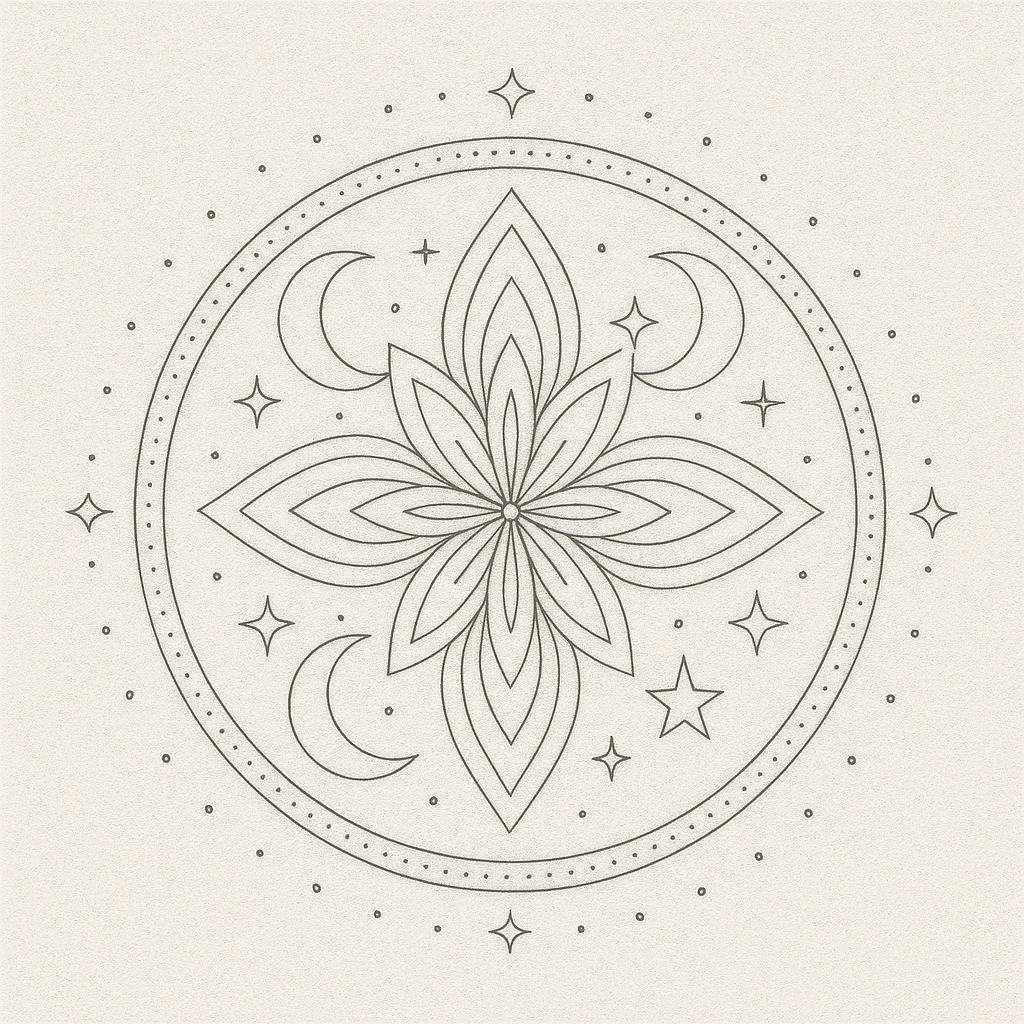
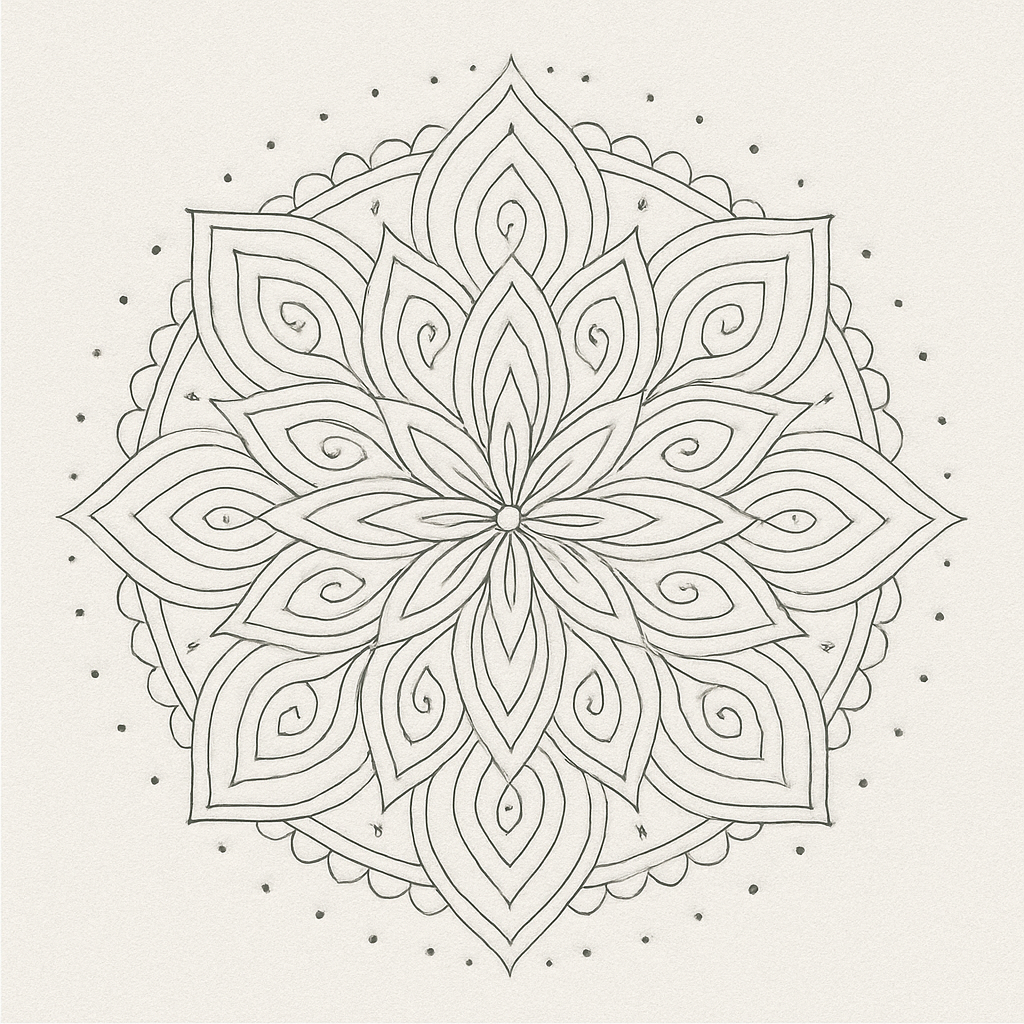
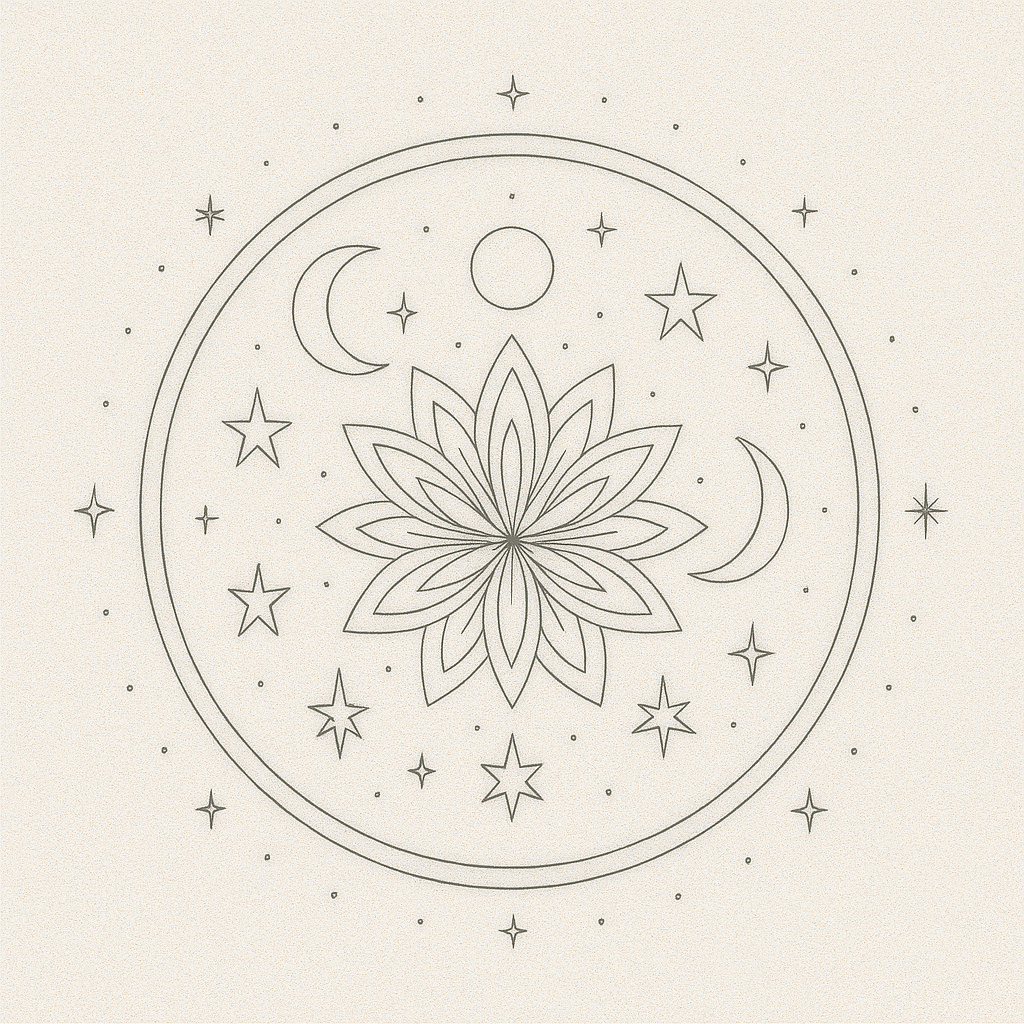
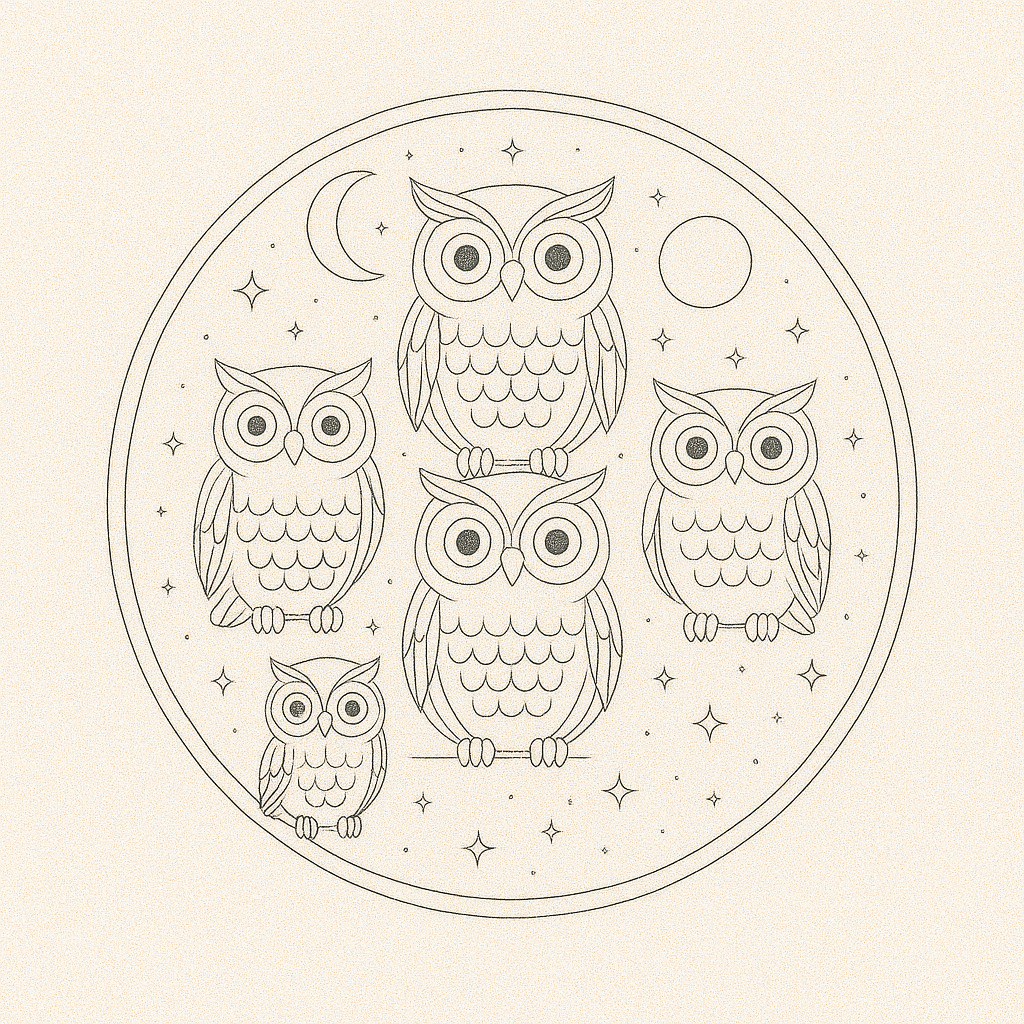
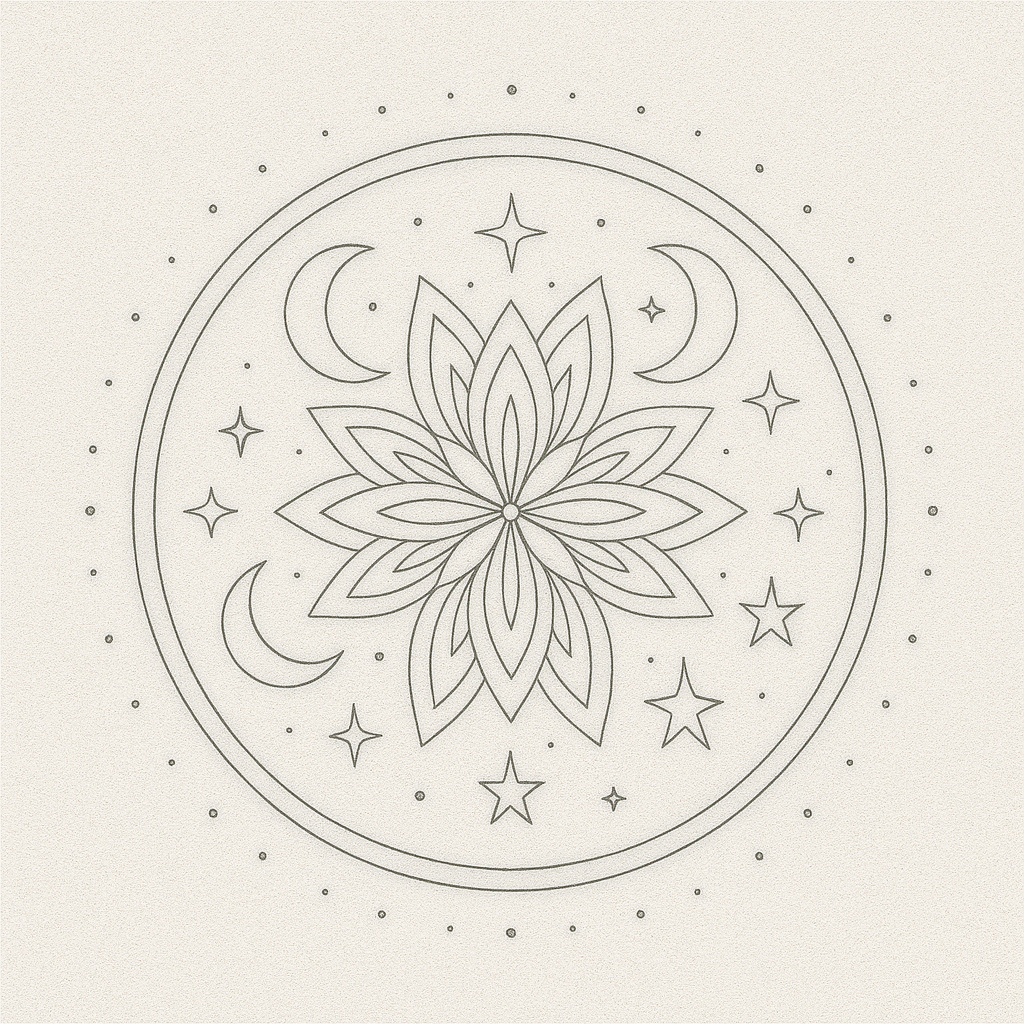
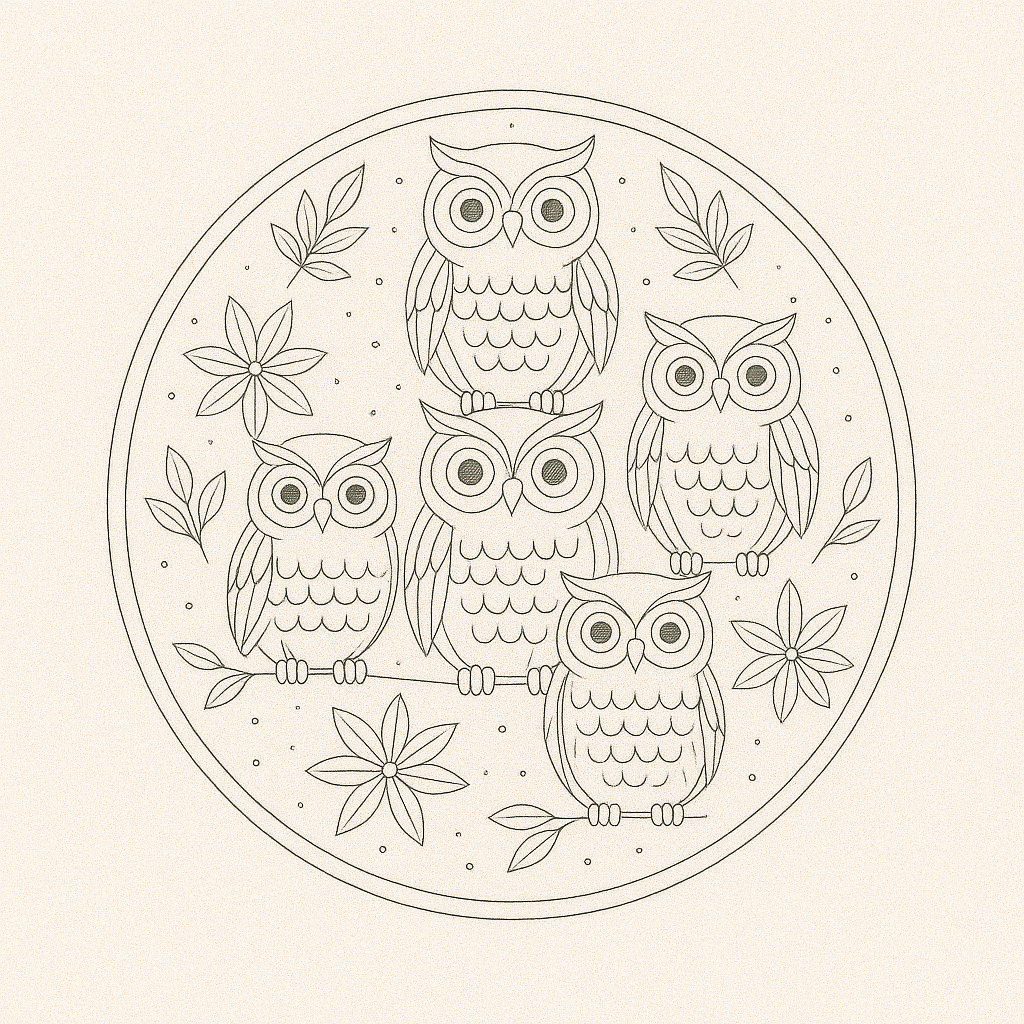
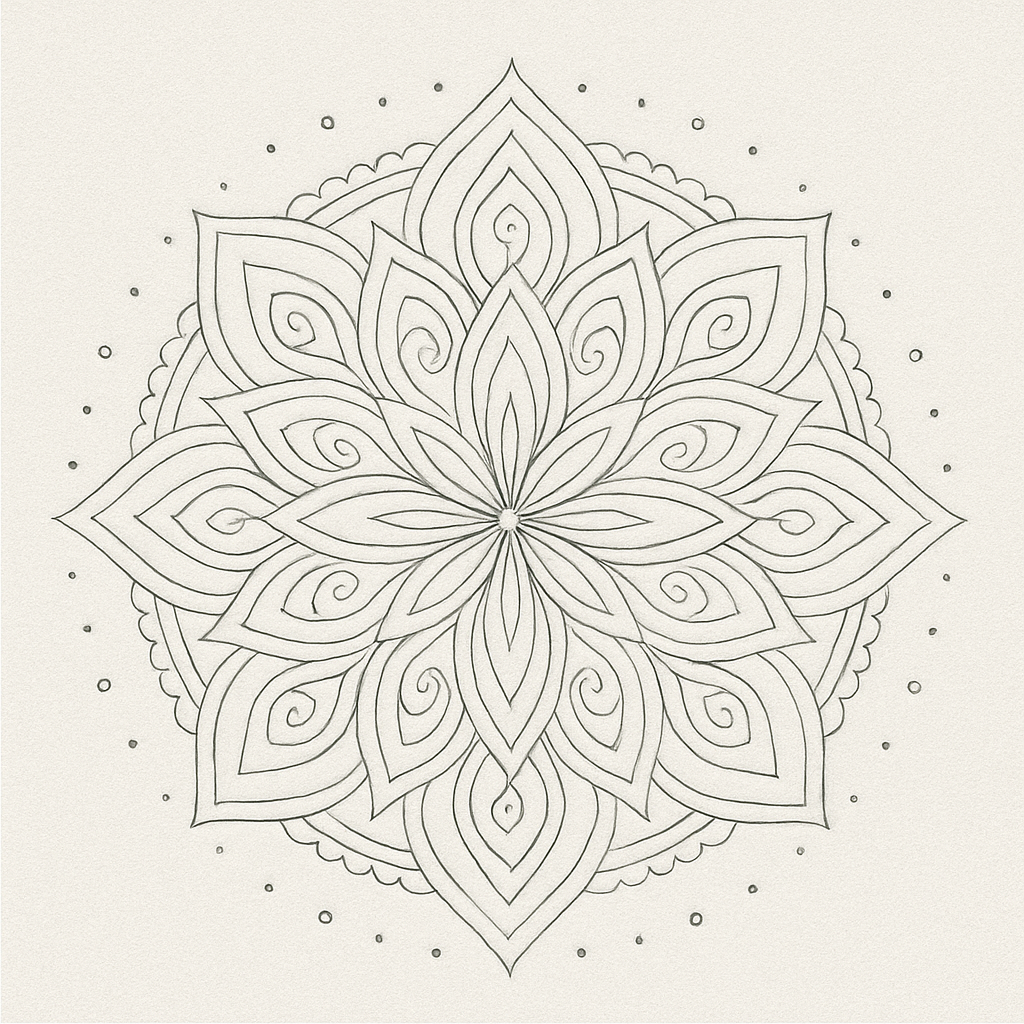
○ The functions and applications of traditional dream mandalas: drawing guidance suggestions
This course guides students through the use of drawing to understand the functions and applications of traditional dream mandalas. Mandalas, considered "mental maps" in many cultures, can both convey dream imagery and serve as tools for self-organization and soothing. Through structured drawing exercises, students will be helped to translate dream symbols into observable forms.
1. Dream Symbol Collection Ring
- Draw a large circle and write 3–5 symbols from your recent dream inside the circle (e.g., animals, colors, scenes).
- Connect these symbols with lines or patterns to form a personal "dream imprint ring".
- Mark outside the circle the first impression each symbol gives you.
2. Mandala Integration Diagram
- Draw a mandala in the center of your paper divided into four quadrants: Safety, Hope, Conflict, and Growth.
- Place the elements in your dream into the corresponding quadrants (e.g. dreaming of shelter → safety, dreaming of obstacles → conflict).
- Color each quadrant to form the overall structure of the dream energy.
3. The Bridge between Application and Transformation
- Draw a bridge and write "Dream Imagery" on the left side and "Everyday Application" on the right side.
- Write down the transition method on the steps of the bridge (e.g., “Dream about the dark night → Record fearful emotions → Practice soothing breathing during the day”).
- Write an encouraging message at the end of the bridge: "Dreams can be power."
4. Review and Summary (three lines)
Please write in the blank space on your drawing:
- One of the symbols I recorded in the "Dream Symbol Collection Ring" is: ______
- The quadrant that stands out most in my Mandala Integration Chart is: ______
- The application method I would most like to try in "Transformation Bridge" is: ______
Tip: Dream mantras can help you understand your subconscious and find transformational opportunities in your daily life. However, if dreams continue to cause you distress or fear, please suspend your practice and seek professional psychological support.
Please log in before submitting your drawings and feelings.