

Lesson 175: Analysis of the Trigger Chain of Bodily Reactions
Duration:70 minutes
Topic Introduction:
The physical response to spatial anxiety is not a sudden outburst, but follows a clear but often overlooked trigger chain: external stimulus → rapid brain assessment → physical defense → emotional escalation.
This lesson will help you identify your "trigger points" and understand why your body enters a state of high alert in milliseconds, laying the foundation for subsequent adjustments to your response and breaking the vicious cycle.
How is your body gradually "ignited"?
- ① Entry of environmental stimuli:Factors such as crowd density, enclosed spaces, changes in lighting, odors, and noise can trigger attention.
- ② Rapid brain scan:The amygdala can determine "whether there is danger" in 0.1 seconds, often faster than rational judgment.
- ③ Automatic body defense:A racing heart, rapid breathing, a taut scalp, and a burning sensation in the chest—all these are signs of "preparing to escape."
- ④ Amplification of interoceptive sensation:You start paying attention to these bodily reactions, which leads to "the more you pay attention → the more nervous you become."
- ⑤ Emotional escalation:Tension turns into fear, fear into terror, and a strong urge to feel "it's not safe here" arises.
- ⑥ Behavioral contraction:Leaving quickly, avoiding, and finding an exit—provides short-term relief but reinforces the fear circuit.
Lesson 175: Analysis of the Trigger Chain of Bodily Responses (Click to listen to the reading and view the content)
In the recovery process from panic disorder and chronic anxiety, many people focus entirely on the strongest physical reactions, such as rapid heartbeat, chest tightness, dizziness, or difficulty breathing, ignoring the fact that these reactions don't happen suddenly but unfold gradually along a clear yet often overlooked trigger chain. The core goal of Lesson 175 is to help you see the true path of your physical reactions, thereby reducing your fear of the outcome. Almost all panic-related reactions begin with a very subtle starting point—perhaps a fleeting thought, a physical sensation, or an environmental cue. When the brain misinterprets this signal as a threat, the nervous system begins to amplify the reaction step by step. The first link is usually focused attention: you begin to notice a sensation and constantly scan it for abnormality. The second link is interpretive bias: the brain quickly provides catastrophic explanations, such as "This is not normal" or "I'm going to lose control." The third link is physiological amplification: under this interpretation, the sympathetic nervous system is activated, and heart rate, breathing, and muscle tension rise in sync. The fourth link is fear confirmation: when you become aware of these changes, the fear is further reinforced, thus closing the chain and beginning a self-circulating cycle. Understanding this chain is crucial because it means that the body is not your enemy but is executing a program that has been mistakenly triggered. When you learn to observe rather than intervene in the early stages—for example, simply noting that you've noticed a change without rushing to interpret it—the chain will naturally weaken. True training isn't about eliminating reactions, but about preventing them from automatically escalating. With each identification and dismantling of the trigger chain, you'll find that bodily reactions no longer possess irreversible power, but rather become visible, understandable, and gradually subside.
AI Interaction:
Click the card below and fill in three questions: "What trigger is most likely to activate me?"“
“"What happens in the first second of my body's reaction?" "When do I usually start to lose control?"”
The system will help you draw your personal trigger chain and indicate the most suitable location to insert adjustment points.
○ Vocal rhythm exercises: Rediscover your biological rhythm
The most common point of loss of control in the body's reaction chain is breathing rhythm.
Listen to a steady-paced audio for 3 minutes before going out to allow your heart rate and breathing to return to a "tolerable range" and improve your tolerance to stimulation.
Use sound to stabilize your body first, then try to understand the stimulus.
Herbal Tea - Rosemary and Mint Tea
Recommended reasons:Rosemary clears the mind, while peppermint relieves tension, making it suitable for drinking when you need to improve focus and reduce the intensity of physiological reactions.
practice:Steep 1 teaspoon each of rosemary and mint in hot water for 5–7 minutes. You can add a little honey to adjust the taste.
○ Stable Dietary Therapy - Rapeseed and Kelp Cold Soup (ID175)
During the body response analysis and awareness training phase, the body needs light and stable nourishment. The gentle lipids of rapeseed oil provide basic support for the nervous system, while the minerality of kelp helps the body return to balance, and the refreshing form of the cold soup helps reduce over-arousal. This nourishing dish is suitable for consumption after awareness exercises to help the body break the cycle of alertness.
Neural balance
Recovery Support
Open Recipe
◉ Japanese Dietary Therapy: Rapeseed and Kelp Cold Soup (ID 45)
This is a "nibitashi" dish brimming with the essence of spring. The main ingredient is slightly bitter rapeseed flowers (Nanohana), paired with a flavorful kelp broth. Blanched, vibrant green vegetables are immersed in the clear, cold broth, allowing them to slowly absorb the flavors. When anxiety causes a tightness in the chest, or when the body feels heavy and sluggish, the soup's light and soothing qualities can act like a gentle breeze, dispelling any pent-up feelings and bringing a sense of ease and relief.
light and peaceful Diuretic and heat-clearing Relieve chest tightness
I. Recommended Dietary Therapy and Reasons
Recommended dishes:Rapeseed and kelp cold soup (ID 45)
Recommended reasons:Rapeseed flowers (or rapeseed) have the effects of "promoting blood circulation, removing blood stasis, reducing swelling and detoxifying," and can improve chest tightness and discomfort caused by qi stagnation and blood stasis. Its unique slightly bitter taste can stimulate the vagus nerve, helping the body to "reduce internal heat." Kelp is rich in potassium, which promotes diuresis and reduces swelling. This dish does not use oil, relying purely on the natural flavor of the ingredients and its cool temperature to give an overburdened body and mind a complete "burden reduction" rest.
2. Recipe and Method
Recipe (1–2 servings):
- 1 bunch of rapeseed flowers (or baby bok choy/Chinese cabbage hearts) (about 150g)
- Dried kelp (seaweed), 10cm long piece
- 400ml of clean water
- 1/2 teaspoon of salt
- 1 teaspoon of light soy sauce (only to enhance the flavor and keep the soup light in color).
- A little ginger juice (crucial, to dispel cold and warm the stomach).
- A touch of yellow mustard (Karashi) (the finishing touch)
practice:
- Cold-brewed stock:Soak the kombu in water for at least 30 minutes (or overnight), then simmer it over low heat until it is just about to boil. Remove the kombu, add salt and soy sauce to taste, and let it cool.
- Blanching:Bring water to a boil in a pot, add a little salt, and then add the bok choy. Cook the roots for 30 seconds first, then add the leaves and cook for another 20 seconds.key:Keep it crisp and tender; do not overcook.
- Too cold:After being taken out, they are quickly placed in ice water to cool and lock in their emerald green color.
- Squeeze dry:Gently squeeze out the water from the vegetables and cut them into bite-sized pieces.
- Impregnation:Soak the prepared bok choy in cooled kelp broth, then refrigerate for 20 minutes to allow it to absorb the flavors.
- Enjoy:Serve the soup and vegetables together, squeeze in a little ginger juice, and rub a little yellow mustard on the rim of the bowl before eating.
3. Small rituals for body and mind
Looking at the crystal-clear liquid and the unfurling green leaves in the soup bowl, one can experience a kind of "transparent" visual therapy.
Imagine the spiciness of mustard meeting the slight bitterness of vegetables in your mouth, as they break through the knots in your chest.
As you drink the cool soup, feel its smooth flow down your esophagus and silently tell yourself, "My breathing is free, my body and mind are light."“
4. Dietary Therapy Experience Record
- Record whether the feeling of chest tightness or shortness of breath improved after consumption.
- Observe whether this minimalist seasoning makes your normally dulled sense of taste more sensitive.
- Pay attention to whether the swelling in your body (such as a loose ring) is reduced by the second day.
V. Instructional Videos (approximately 3–5 minutes)
◉ Video Title:Rapeseed and Kelp Cold Soup: The Taste of Spring When Breathing Is Clear
6. Precautions
- Vegetable alternatives:If you can't find Japanese rapeseed (Nanohana), you can use Cantonese bok choy, spinach, or komatsuna as a substitute; the results will be similar.
- Squeezing force:When squeezing the water out of the vegetables, be gentle and retain about 201 TP 3T of moisture. If they are too dry, they will be tough; if they are too wet, they will dilute the flavor of the soup.
- Body balance:Since it is a cold soup, ginger juice is an essential balancing element. If you have a severe case of stomach cold, you can heat the soup slightly until it is warm before drinking it, which will also have a good therapeutic effect.
hint:This dietary therapy focuses on "regulating qi and removing dampness," and is suitable for consumption during the plum rain season or when feeling heavy-hearted or depressed.
○·Chinese Calligraphy·Regular Script·Lesson 175 Writing Practice
The topic of this lesson:Dismantle rhythms and rebuild order
In-depth analysis:
The core issue with the body's reaction chain lies in continuous amplification, while regular script emphasizes the separate completion of each stroke and segment. Each stroke has a beginning and an end, which is a powerful contrast to automatic reactions. When you clearly distinguish each stroke while writing, the brain simultaneously learns how to break down the overall reaction into observable parts.
Writing Instructions:
This lesson focuses on practicing the clarity of the beginning and ending strokes. After writing each stroke, pause briefly before moving on to the next stroke, mentally setting a pause point in the reaction chain.
Written words:
Good fortune
Motivational words:
Once the process is clear, the outcome will no longer control you.
Writing Tips:
When writing the character "伴" (ban), pay attention to the correspondence between the left and right structures to distribute the force evenly and experience the feeling of the body's reaction being balanced.
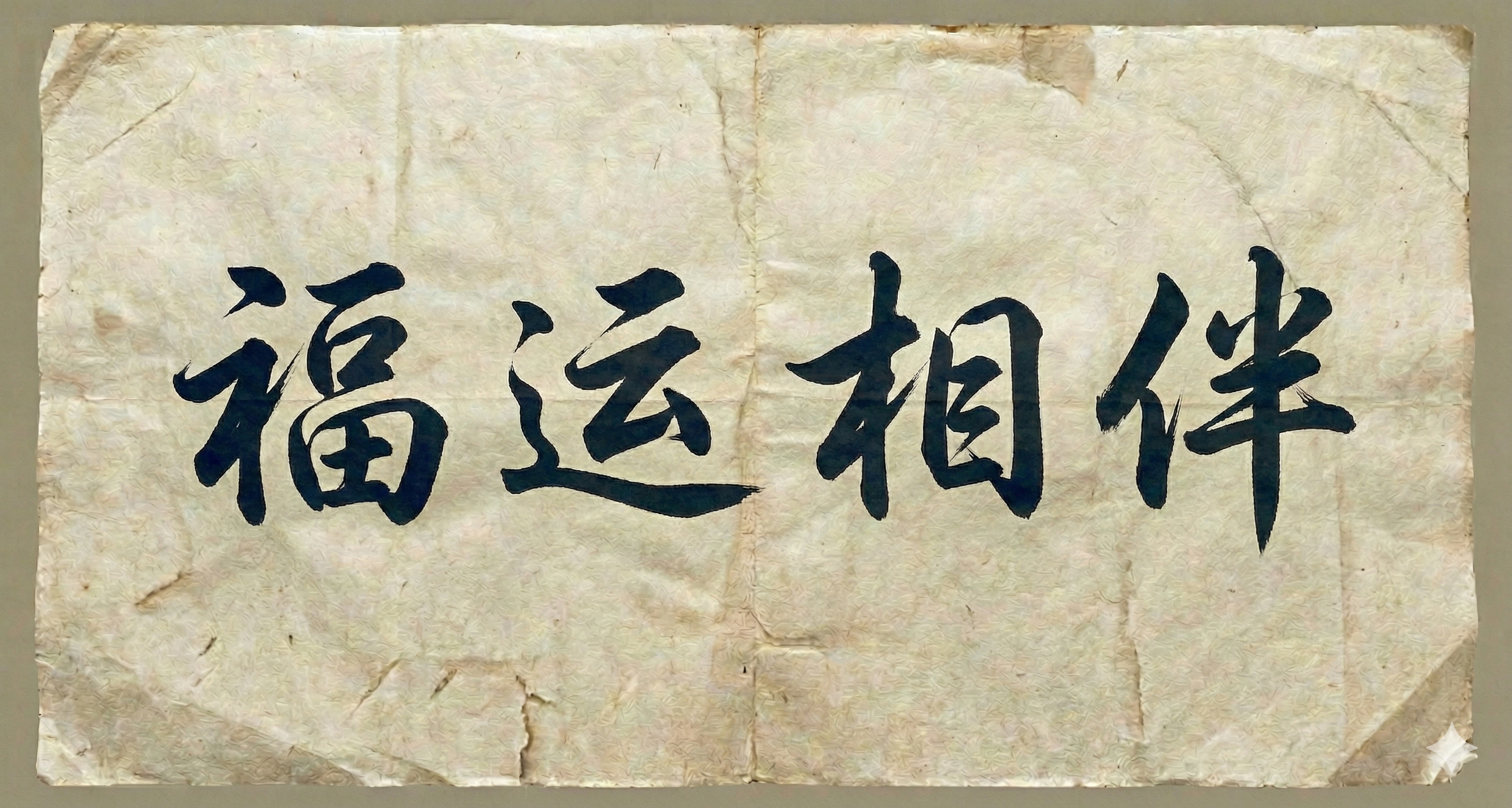
Image Healing: Guided Mandala Viewing - Lesson 175
Choose a mandala with distinct layers that unfolds from the inside out.
Let your gaze travel through each floor in sequence.
Don't rush to reach the destination; just observe the changes.
Mandala drawing is not about drawing something, but about observing. In observing, you practice the chain of awareness rather than getting caught up in reactions.
The theme of this mandala is "The Process Is Visible," symbolizing the body's reactions moving from being out of control to being understood.
◉ One gaze is sufficient; no repetition is required.

Lesson 175: Draw Your Trigger Chain Diagram
The purpose of this exercise is to allow you to "visualize" your anxiety process for the first time, thereby transforming vague fears into observable and manageable structures.
① Scene outline:Draw the spaces where you feel most stressed on paper, such as a train carriage, a shopping mall entrance, or a waiting area. Use simple lines.
② Triggering chain:Write down the first stimulus point on the left (such as noise, crowds, light). Then draw 3 to 6 response points in sequence to the right: heartbeat → shallow breathing → narrowed attention → fear of losing control → desire to escape.
③ Insert a "fine-tuning point":Choose a point in the chain where you can make the smallest movement (e.g., 1 second before changing your breathing). Draw a small symbol (asterisk or dot) there and write down the step you're willing to try, such as: "Slow down your breathing."
This image doesn't need to be perfect; it just needs to let you "see how you are activated" for the first time.
Please log in before submitting your drawings and feelings.
○ 175. Triggering Chain - Log Guidance
- Record the scene of your most recent anxiety: Where did it happen? What was the initial stimulus? (Sound, crowd, light, cramped space)
- Write down the chain reaction your body experiences in the first 5 seconds (such as heat in the chest, rapid breathing, numbness in the soles of the feet), and mark the intensity as 0-10.
- Indicate at which point you start to feel like you "can't hold on much longer." This is your key reaction point.
- Design a "pluggable small action" for that node (slow down your pace, expand your chest, lift your head, focus on the soles of your feet, etc.), and record whether you try it today.
- Finally, a restatement of stability: "I am learning to slow down my body instead of being led by my reactions."“
Please log in to use.
The body's trigger chains can be identified, slowed down, and retrained. You are not out of control, but learning a new rhythm.