

Lesson 200: Summary and Long-Term Maintenance Plan
Duration:70 minutes
Topic Introduction:
By lesson 200, you have completed the entire path from understanding fear, identifying triggers, establishing safe zones, to gradual exposure.
This course will help you organize your personal long-term maintenance framework, including rhythm, relapse management, energy care, and planning for continuous exposure.
The key is not to "never be anxious," but to master a stable self-care system that can accompany you on your long journey.
○ Four core aspects for long-term maintenance
- ① Maintain a steady rhythm:Regularly expose yourself to light exposure 1–2 times a week to prevent your body's memory from deteriorating.
- ② Energy Management:Regular sleep, light exercise, and a balanced diet can prevent excessive exposure.
- ③ Safety anchor point:Keep one or two techniques that "can help me calm down at any time".
- ④ Relapse Strategies:Instead of investigating the reasons, simply shorten the avoidance period and get the rhythm back on track.
Lesson 200: Summary and Long-Term Maintenance Plan, Click to listen to the reading, View the content
Reaching this point doesn't mean the fear has been completely eliminated, but rather that you've established a recovery system that can be used long-term. True stability isn't about never feeling anxious again, but about knowing how to respond when fluctuations occur. The core of long-term maintenance isn't about pushing harder, but about maintaining rhythm and keeping the nervous system predictable. The first layer of maintenance is continuity of action. Even when feeling well, maintain a minimum frequency of outings and practice to avoid prolonged periods of complete cessation, as cessation itself puts the brain back into a state of uncertainty. The second layer of maintenance is attitude towards fluctuations. When discomfort recurs, don't rush to analyze the cause or immediately adjust all plans; instead, return to the principle of minimal action and maintain connection with the environment. The third key is recognizing early warning signs. For example, increased avoidance, procrastination, safety behaviors, or repetitive self-checking are not failures but reminders to return to basic practice. The fourth layer of maintenance is lifestyle structure. Stable sleep, diet, and physical activity provide a continuous background for the nervous system, preventing fear from taking center stage. The fifth point is allowing for periods of rest. Long-term recovery isn't linear; sometimes it requires pausing at a certain level to allow the system to integrate, rather than constantly striving for breakthroughs. It's important to understand that maintenance isn't about preventing relapse, but about minimizing the impact of relapse. When you have a clear coping mechanism, every fluctuation can be quickly absorbed without escalating into long-term withdrawal. In summary, at this stage, you've learned to act in discomfort, complete tasks after action, return to normalcy during periods of fluctuation, and maintain stability during periods of calm. True freedom is not the absence of fear, but rather that fear no longer dictates the scope of your life. This maintenance plan is not a to-do list but a way of life; as you consistently practice it, a sense of security will gradually become internalized and become a part of you.
○ AI Interaction: Generate your "Personal Long-Term Maintenance Schedule"“
Answer three questions:
“What is my most effective way to expose myself?”
“What is my most stable recovery strategy?”
“What kind of weekly rhythm am I willing to maintain?”
The system will generate a personalized long-term maintenance table for you (rhythm + techniques + alarm signals).
○ Sound Consolidation Exercises: Make "Stability" a Body Rhythm
By using regular breathing sounds, soft music, and low-frequency ambient sounds, the nervous system can repeatedly experience a state of "settling down".
Sound is the easiest way to maintain long-term stability, helping the brain to adopt stability as its underlying daily pattern.
○ Western Herbal Healing Tea - Chrysanthemum Tea
Recommended drinks:Chrysanthemum Tea
Recommended reasons:It clears the liver and improves eyesight, relieving dry eyes, dizziness, and irritability caused by "excessive liver fire".
practice:Steep 5–8 dried chrysanthemums in 90℃ hot water for 3–5 minutes.
○ Stable Diet & Nourishment: Garlic Olive Shrimp (ID200)
During the long-term maintenance phase, the body needs a clear and powerful nourishment. Garlic and olive oil shrimp, with its simple ingredients and stable energy, symbolizes the daily support after recovery. This dish is suitable as a confirmation ritual for continued maintenance, either after a period of reflection or a period of stability.
stable rhythm
Phase completed
Open Recipe
◉ Greece – Mediterranean Diet: Garlic Shrimp with Olive Oil (Garides Skordates) (ID 200)
This dish is a "quick and easy" meal for fishermen along the Mediterranean coast. When fresh shrimp meets warm olive oil and garlic, no complicated cooking is needed; just 5 minutes is enough to bring out its most primal freshness. For those who suffer from chronic fatigue and mental sluggishness, this dish, rich in antioxidants and high-quality protein, is like a "boost" to the brain, quickly improving focus and energy.
Clear brain fog Antioxidant Fast charging
I. Recommended Dietary Therapy and Reasons
Recommended dishes:Greek Garlic Olive Oil Shrimp
Recommended reasons:
1. Red antioxidant shield:The distinctive red color of shrimp comes from astaxanthin. This is a super antioxidant that can cross the blood-brain barrier, protecting brain nerves from oxidative stress damage and improving memory.
2. B12 Energy Storage:Shrimp is rich in vitamin B12. A deficiency in B12 is a common cause of chronic fatigue and low mood. This dish can provide an immediate feeling of energy.
3. Allicin activation:Sliced garlic, slowly sautéed in olive oil at a low temperature, releases allicin, which has powerful antibacterial properties and promotes blood circulation, helping to warm up a "cold" body.
2. Recipe and Method
Recipe (1–2 servings):
- Large prawns (peeled and deveined, tails left on) 200–250g
- 4 tablespoons of extra virgin olive oil (this oil is the sauce, so use plenty).
- 3-4 cloves of garlic (cut into thick slices, do not mince, as this will cause them to burn)
- A small amount of dried chili flakes (optional, to promote endorphin secretion).
- 1 tablespoon of fresh lemon juice
- 1 tablespoon of white wine (optional, to remove fishy smell)
- A large bunch of fresh flat-leaf parsley (chopped)
- Sea salt and black pepper to taste
practice:
- Dry thoroughly:Cleaned shrimp must be thoroughly patted dry with kitchen paper. If there is water, they will splatter oil when cooked and will not produce the Maillard reaction (caramelized flavor).
- Sauté garlic in cold oil:Pour olive oil into a frying pan and add sliced garlic and chopped chili.Turn on low heatHeat slowly, watching small bubbles rise around the garlic slices, until you smell a strong garlic aroma and the garlic slices turn slightly yellow.
- Quickly pan-fry shrimp:Turn the heat to medium-high. Add the shrimp, spreading them out evenly. Pan-fry for 1–2 minutes on each side. Watch them quickly turn from gray to an enticing bright red.
- Emulsified flavoring:When the shrimp curl up and turn red, pour in white wine (if using) and lemon juice. Swirl the pan to emulsify the acidic liquid with the olive oil into a thick sauce.
- ending:Sprinkle in salt, black pepper, and plenty of chopped parsley. Turn off the heat. Use the residual heat to stir well.
3. Small rituals for body and mind
Color contemplation:Focus on observing the shrimp changing color in the pot—from a dull bluish-gray to a vibrant orange-red in an instant. Imagine this process as an energy transformation within your body: from suppression (gray) to passion (red).
Enjoy with oil:After you've finished the shrimp, the garlic-infused olive oil left at the bottom of the plate is the essence. Tear off a piece of bread, dip it in, and savor the rich oil that nourishes your parched taste buds.
4. Dietary Therapy Experience Record
- Record the instant clarity of mind that comes when the aroma of garlic and lemon fills the nostrils.
- Pay attention to whether you feel relaxed and energetic after eating high-protein, low-fat shrimp, without feeling drowsy or lethargic.
- Observe whether it is easier to wake up naturally the next morning than usual (the effect of B12).
V. Instructional Videos (approximately 3–5 minutes)
◉ Video Title:5-Minute Brain Awakening: The Secret to Keeping Greek Garlic Shrimp Young
6. Precautions
- Don't overcook it:Shrimp overcook very easily. They're done when their bodies curl into a "C" shape; if they're tightly curled into an "O" shape, they're overcooked. The entire process usually takes no more than 3-4 minutes.
- The cooking time for garlic:Garlic has a high sugar content and burns very easily, turning bitter. That's why you should start with cold oil, sauté over low heat, and use sliced garlic instead of minced garlic.
- Cholesterol Myths:Although shrimp contains cholesterol, it is extremely low in fat and rich in taurine, which protects the cardiovascular system. When eaten with olive oil, it not only doesn't raise bad cholesterol but is actually beneficial for cardiovascular health.
hint:This is a very simple dish, but its flavor depends on the quality of the oil. Use the freshest extra virgin olive oil you can find, as it serves as both the oil and the broth for this dish.
○ Suggestions for Chinese Calligraphy and Seal Carving Practice - Lesson 200
This seal carving exercise serves as a final touch to the entire restoration phase. It emphasizes long-term stability rather than short-term breakthroughs.
- Introduction to the characteristics of seal carving:
This lesson emphasizes finishing moves and balance. The sword's path, prioritizing stability over sharpness, symbolizes the enduring quality of long-term maintenance. - Writing words and seals:
Qingshun Pavilion - Psychological Intention:
The inscription of Qing Shun Ge (轻顺阁) is about training oneself to move forward with life in a light yet firm manner, making stability the backdrop. - Knife skills:
Practice steady entry and slow exit, leaving room for flexibility in each cut, which corresponds to the elasticity in long-term maintenance. - Emotional transformation:
Transform your anxieties about the future into trust in the rhythm of the present moment.
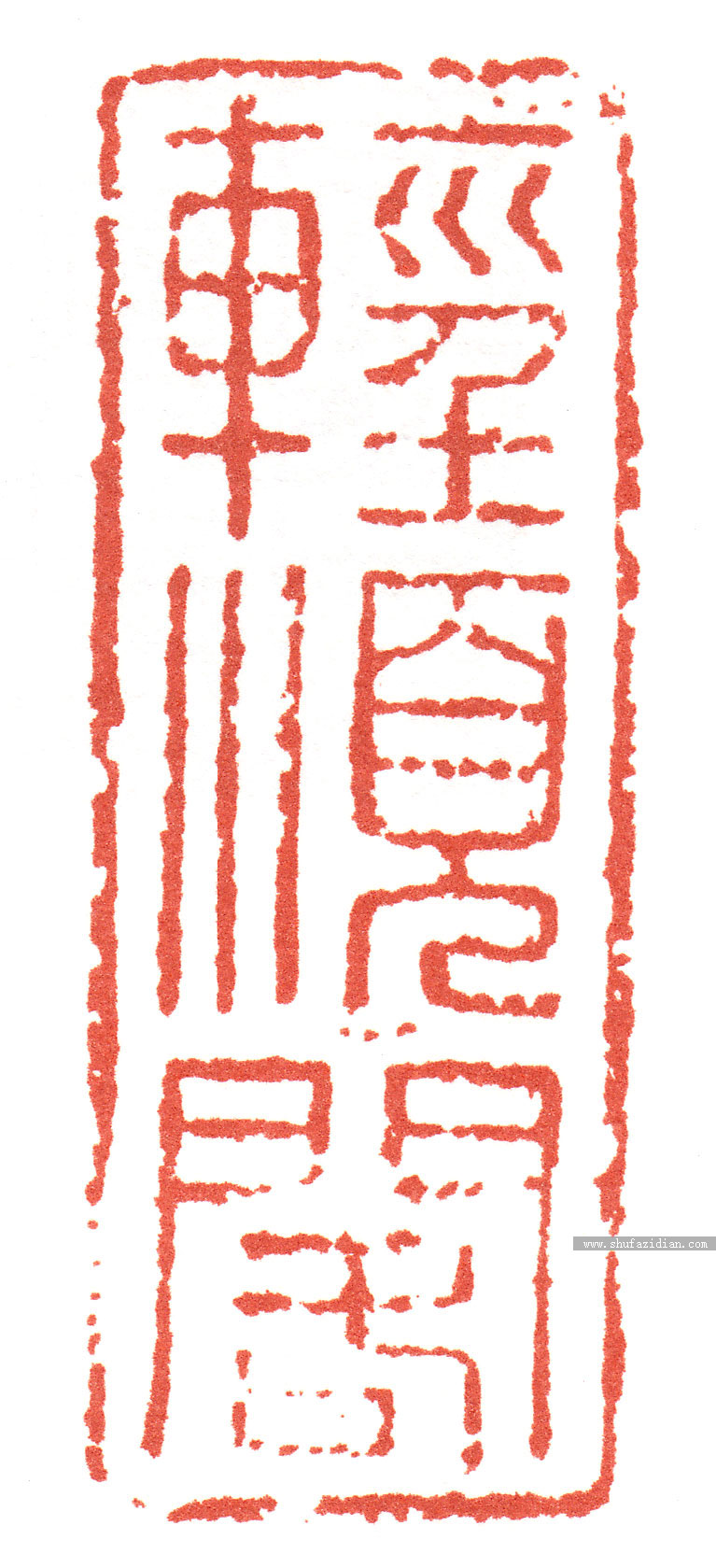
Image Healing: Guided Mandala Viewing - Lesson 200
Choose a mandala with a complete structure and a stable center.
Let your gaze slowly return from the outer circle to the center.
The entire process has been integrated and organized.
A mandala is not about drawing something, but about observing what you are doing and practicing long-term abiding in that observation.
The mandala theme of this lesson is the Ring of Stability, symbolizing the restoration and entry into a sustainable phase.
◉ One gaze is sufficient; no repetition is required.

Lesson 200: Drawing Up Your Long-Term Maintenance Blueprint
① My stable Four Pillars of Destiny:
Draw a simple "square frame" on a piece of paper, and write down one of your most effective long-term maintenance methods in each of the four corners, such as light exercise, short-term exposure, regular sleep, and a stable diet.
Draw a soft line outside the frame to symbolize that these four elements will support each other and prevent your rhythm from breaking down.
② Relapse pathway diagram:
Draw a zigzag line from "discomfort arises" to "I return to rhythm". Use colors to distinguish: fear arises, rhythm is disrupted, avoidance occurs, and stability is restored.
Let the broken line tell you: relapse is not a straight downward curve, but a curve that can be climbed back up.
③ A sustainable future path:
Draw a road on a piece of paper that stretches into the distance, dividing it into three sections: now, three months from now, and six months from now.
Write down the rhythm you want to maintain in each paragraph (e.g., "twice-weekly exposure," "fixed sleep schedule," "keep walking"). Let the imagery represent that you are building a steady path forward.
Please log in before submitting your drawings and feelings.
○ 200. Log Guidance
- What are my three most effective techniques from the past 200 lessons?
- What kind of weekly rhythm am I willing to maintain? (Exposure, Recovery, Daily Routine)
- What is the first step I can take if the condition recurs?
Please log in to use.
You've completed 200 lessons. Now, just keep up the pace and make each day a little more stable than the last.