

Lesson 248: The Difference Between Children's and Adults' Mutation
Duration:70 minutes
Topic Introduction:Silence manifests drastically in children and adults: in children it often appears as a "developmental protective mechanism," while in adults it is more often due to "long-standing, entrenched social defenses." This course will help you clarify the triggers, sustaining factors, and recovery paths for both, enabling you to more accurately understand your own silence patterns and better see how you have gradually arrived at where you are today.
○ Typical characteristics of childhood mutism
- More from environmental pressures:An unfamiliar classroom, the teacher's authority, and family expectations can all lead children to protect themselves by remaining silent.
- Language systems are still evolving:Children's language centers and social expression abilities are not yet mature, and they are prone to getting "stuck" when they are nervous.
- Dependence on security personnel:Children often only speak when they are with their parents, but immediately fall silent when they are away from their supporters.
- More susceptible to the imitation effect:Children may imitate their peers' silence as a coping strategy.
Lesson 248: The Difference Between Children's and Adults' Mutation (Click to listen to the reading and view the content)
While the manifestations of mutism in children and adults may be similar, their underlying mechanisms and psychological backgrounds differ significantly. Mutism in children often occurs early in development and is closely related to attachment relationships. When children experience separation anxiety or assessment pressure in unfamiliar environments, their language system is temporarily suppressed. This is not resistance, but rather a reflection of an insufficient sense of security. Children's brains are still developing, and their emotional regulation abilities are limited; therefore, mutism often occurs simultaneously with attachment anxiety and social avoidance. Mutism in adults, on the other hand, stems more from conditioned reflexes accumulated over long periods. For example, repeated negative experiences, humiliating memories, or high self-expectations can cause the brain to quickly enter a frozen state in specific situations. Adults often possess language abilities but lose access at crucial moments, leading to stronger feelings of self-blame and shame, further exacerbating inhibition. The core of childhood mutism is the inability to learn safe expression, while the core of adult mutism is the loss of access to language once learned under pressure. Understanding this difference is crucial because the intervention paths differ. Children need stable companionship, gradual familiarization, and support through nonverbal communication, while adults need to dismantle their internalized judgment systems and rebuild trust in self-expression. Regardless of age, mutism is not a fixed label but a reversible state. When the environment becomes predictable and the body feels allowed again, language will naturally return. True healing is not about demanding that you speak immediately, but about allowing the needs of different age groups to be seen and respected. Only when these needs are met will the voice return.
▲ AI Interaction: Which type of silence do you belong to?
Your silence reflects both your childhood and the pressures of adulthood.
Try to recall: at what age did I first feel that "it's safer not to talk"?
Understanding the origins of the silence will help us find the direction for recovery.
Click the button below to explore with AI whether your silence is closer to "childhood-style freeze" or "adult-style defense" and get corresponding practice suggestions.
○ Children vs. Adult Silence: Music Guidance
If your silence is more childlike, you can use upbeat, bright melodies to help the system feel safe.
If you are more like an adult, you can use slow-paced, low-frequency music to help your nervous system calm down from a state of alertness.
Gently open and close your lips and hum simple sounds in sync with the music to reactivate your language muscles.
Herbal Tea - Lily and Lotus Seed Tea
Recommended drinks:Lily and lotus seed tea
Recommended reasons:Lotus seeds soothe the nerves, while lilies nourish the lungs, helping to reduce chest tightness and making it easier for the body to "allow" the voice.
practice:Boil 10 grams of lotus seeds and 10 grams of lily bulbs for 15 minutes. You can add red dates to balance the flavor.
○ Stable Diet: Quinoa and Vegetable Stir-Fry (ID248)
During periods of understanding difference and adjustment, the body needs refreshing and structured nourishment. Quinoa and a variety of vegetables provide stable energy and a sense of order, making them suitable for consumption after learning and reflection to help maintain balance and clarity of mind and body.
Safety Reconstruction
Mind-body balance
Open Recipe
◉ Indian Ayurvedic Dietary Therapy: Quinoa and Vegetable Fried Rice (ID 248)
This dish is a prime example of the Ayurvedic "Rainbow Diet." Quinoa, known as the "mother of grains," possesses the balanced properties of Tridoshic—nourishing those of the Vata type without adding weight to those of the Kapha type. Paired with colorful vegetables and digestive-aiding spices, it's not just a meal, but a "deep cleanse" of the body's microcirculation.
High-fiber detox Complete protein Light and filling
I. Recommended Dietary Therapy and Reasons
Recommended dishes:Quinoa Vegetable Pilaf
Recommended reasons:
1. Complete nutritional repair:Quinoa is one of the few plant-based "complete proteins" containing all nine essential amino acids. It provides the most basic building blocks for repairing bodily damage caused by anxiety without burdening the liver and kidneys.
2. High-fiber intestinal cleansing:The high-fiber combination of quinoa and vegetables can act like a brush to cleanse the intestines of old waste (Ama), solving constipation problems caused by prolonged sitting or stress.
3. Easy to digest:Compared to brown rice or wheat, quinoa (Laghu) is lighter. With the addition of turmeric and mustard seeds, it is easy to digest even for those with weak stomachs, and will not cause drowsiness after meals.
2. Recipe and Method
Recipe (Serves 2):
- 1/2 cup tricolor quinoa (or white quinoa)
- 1 cup of water (ratio 1:2)
- 1 cup mixed diced vegetables (carrots, bell peppers, zucchini, green beans, etc.)
- 1 tablespoon of ghee
- Ayurvedic spices:
- 1/2 teaspoon black mustard seeds
– 1/2 teaspoon turmeric powder
– A few curry leaves (or bay leaves if unavailable)
– 1 teaspoon of ginger paste - Sea salt and black pepper to taste
- 1 teaspoon of lemon juice (for serving)
practice:
- Thoroughly clean (to remove bitterness):Quinoa has a layer of saponins on its surface, which gives it a bitter taste. It must be rinsed under running water with a fine mesh strainer for at least 1 minute until the foam disappears.
- Cooked quinoa:Add water and washed quinoa to a pot, bring to a boil, then reduce heat and simmer for 15 minutes, or until the water evaporates and the quinoa softens and develops small "tails". Remove from heat and let cool.
- Tadka (a type of spice):Heat ghee in a wok. Add mustard seeds and sauté until they pop, then add curry leaves and ginger paste and sauté until fragrant.
- Stir-fried vegetables:Add the firmer vegetables (carrots) and stir-fry for 2 minutes, then add the quick-cooking vegetables (bell peppers, zucchini). Sprinkle in turmeric powder and stir-fry evenly.
- mix:Pour in the cooked quinoa and stir-fry quickly over medium heat to combine the grains and vegetables. Season with salt and black pepper.
- Key Point:Turn off the heat, squeeze in lemon juice and stir well. Citric acid not only enhances the flavor but also helps absorb iron from the vegetables.
3. Small rituals for body and mind
Color of Gratitude:Looking at the interplay of red, yellow, green, and white colors on the plate, I realized that each bite was a gift of antioxidants from nature. I told myself, "I'm consuming the spectrum of health."“
Lightness of awareness:Quinoa has a unique "bubbly" texture. Focus on this light chewiness and feel how it spreads in your mouth, unlike the sticky texture of glutinous rice.
4. Dietary Therapy Experience Record
- Pay attention to how full you feel within 3 hours after a meal. Although quinoa is light, it is extremely filling, which may reduce your urge to snack.
- Observe the amount of stool on the second day; a high-fiber diet usually results in a very smooth bowel movement experience.
- Record your energy level and see if your mind is clearer and more alert after eating this dish compared to eating plain white rice or fried rice.
V. Instructional Videos (approximately 3–5 minutes)
◉ Video Title:Healthier than fried rice: Quick and easy 10-minute quinoa and vegetable rice
6. Precautions
- Vata (Wind Type) Body Type Tips:Quinoa is on the drier, more astringent side. Those with a vain constitution should add more.butterAlternatively, it can be eaten with stews containing broth to balance its drying properties.
- Vegetable selection:Choose seasonal vegetables whenever possible. Avoid using vegetables that easily produce gas (such as cauliflower and cabbage) unless you add enough ginger and cumin to neutralize it.
- Kidney stone patients:Quinoa contains some oxalic acid (though less than spinach). It is recommended to wash it thoroughly before cooking and drink plenty of water.
hint:This is a perfect "bento dish" that doesn't become mushy even when eaten cold, and still retains its chewy texture. It's ideal for busy working professionals' lunches.
○ Suggestions for Practicing Clerical Script in Chinese Calligraphy - Lesson 248
Written words:
Smooth sailing and no worries
In-depth analysis:
Whether in childhood or adulthood, the underlying need that remains unspoken is for peace and tranquility.
The horizontal and vertical strokes of the clerical script emphasize order and stability, making it very suitable for integrating personal experience after understanding differences.
Writing smoothly and without worry is a message to my body that I am allowed to move forward slowly at different stages.
Writing Skills (Development and Integration Version):
- Horizontal stroke balance:It symbolizes the continuity between different stages.
- Structural relaxation:Avoiding excessive force corresponds to eliminating internal judgment.
- Slow pace:No time limit is set for expression.
- Appropriate use of white space:Leave room for growth.
- To conclude with peace of mind:Strengthen the sense of security at the end.
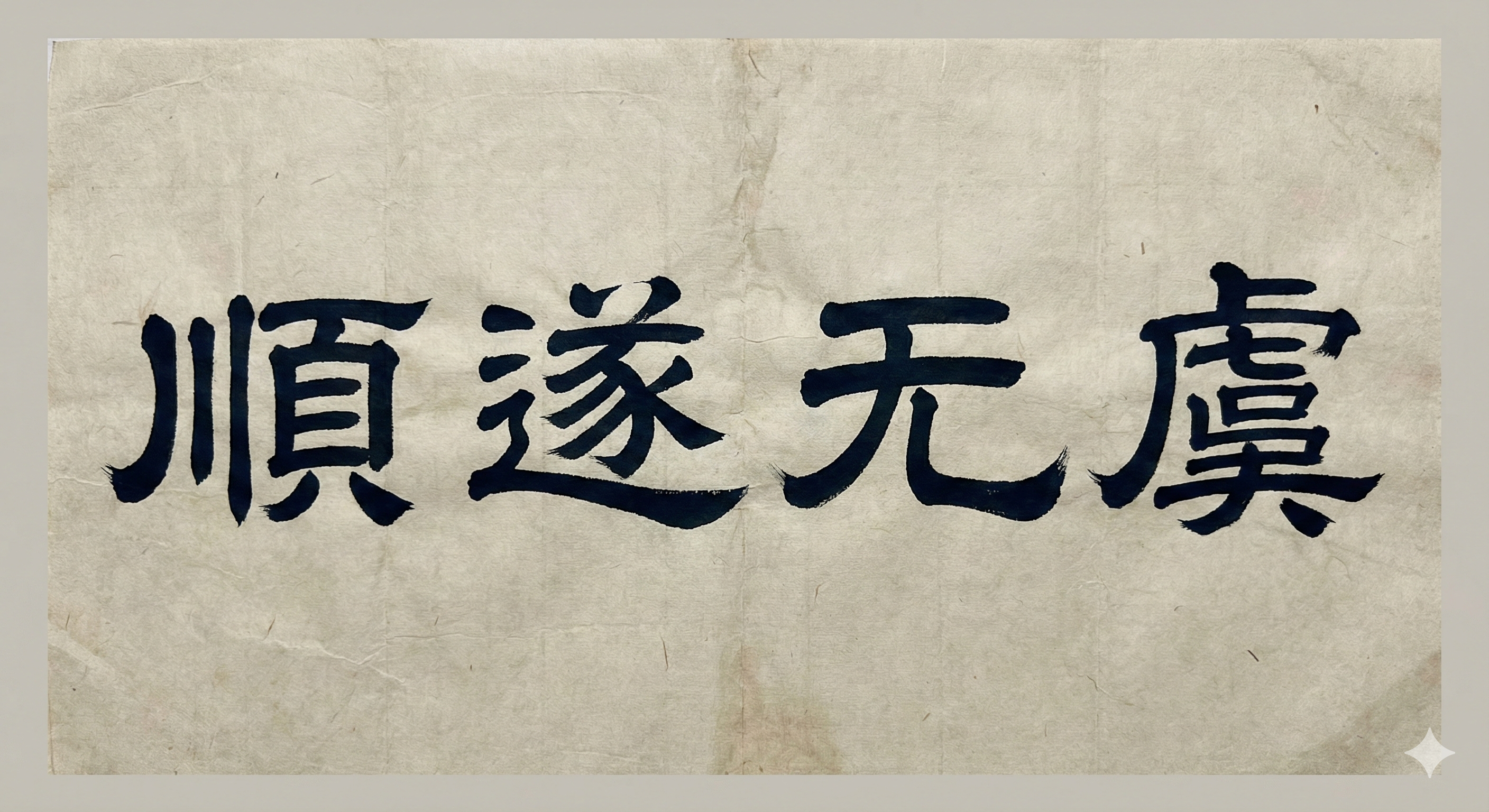
Image Healing: Guided Mandala Viewing - Lesson 248
Choose a mandala with a clear structure and distinct layers.
Let your gaze move naturally between different levels.
Feel that each floor has its own place and value.
A mandala is not about drawing something, but about observing yourself and practicing accepting yourself at different stages.
The mandala theme of this lesson is a layered ring, symbolizing continuous security in the development path.
◉ One gaze is sufficient; no repetition is required.

Lesson 248: The Difference Between Children's and Adults' Mutation - Drawing Guidance
Purpose: To distinguish between "my past silence" and "my current silence," so that you can better understand your own expression process.
Steps: Draw two paths: one symbolizing childhood silence, and the other symbolizing present silence. Write a description for each path (e.g., "afraid of being called on by the teacher," "afraid of being misunderstood"), and observe the differences between the paths. You will see that silence grows and changes.
Please log in before submitting your drawings and feelings.
○ 248. The Difference Between Children's and Adults' Mutation: Journal Guidance
① At what age did I first fall silent? What was I protecting at that time?
② What am I protecting when I remain silent now? Are the two the same or different?
③ Which is more easily triggered: the silence of childhood or the silence of today?
④ What is my most frequent physical reaction when adults are silent?
⑤ Write a sentence for yourself to reflect on your own experience: Both the me of my childhood and the me of today have worked very hard.
⑥ Tomorrow I can try a small gesture: a nod? Eye contact? A soft voice? To take "expression" a step forward.
Please log in to use.
Silence doesn't trap you; it's just telling you that you, who need to be understood, have been waiting for a safe exit since childhood.