

Lesson 250: "Language Freeze" and the Chain of Anxiety Responses
Duration:70 minutes
Topic Introduction:
Speech freeze is not a matter of willpower, but rather a manifestation of the brain's "freeze response" triggered in high-anxiety situations. This lesson will analyze the complete "anxiety response chain" before a speech freeze occurs: from triggering → assessment → physiological activation → freezing behavior, and help you identify your most frequent stumbling blocks, laying the foundation for subsequent loosening exercises.
○ The core mechanism of language freezing
- Threat assessment too high:The amygdala in the brain views "opening an opening" as a high-risk behavior.
- Sympathetic nervous system overload:A rapid heartbeat, shallow breathing, and muscle tension temporarily shut down the language system.
- Transient rigidity of the vocal cord muscles:The throat tightens and the glottis moves less, resulting in the inability to speak despite wanting to.
- Cognitive pathways are blocked:The prefrontal cortex's ability to organize language declines, making it difficult to form fluent sentences.
Lesson 250: Language Freeze and the Chain of Anxiety Responses (Click to listen to the reading, view the content)
So-called language freeze is not a sudden loss of language ability, but rather a complete and rapidly activated chain of anxiety responses. When an individual enters a situation where they are being watched, expected of, or evaluated, the brain first performs a threat scan. If the risk is deemed too high, the amygdala rapidly amplifies alarm signals, the sympathetic nervous system is activated, heart rate increases, breathing becomes shallow, and muscles contract. During this process, the prefrontal cortex, the area responsible for organizing language and decision-making, is temporarily suppressed, and the body enters a survival-first mode. Language output requires fine coordination, and in an anxious state, the brain chooses to shut down this high-energy-consuming system, resulting in a feeling of throat tightness, blocked voice, or complete inability to speak. This is not a matter of willpower, but an automatic reaction of the nervous system. The chain of responses is often amplified a second time; when you realize you cannot speak, self-blame, shame, and catastrophic thoughts reactivate the alarm, forming a cycle. The key to healing is to break the chain, not to force speech. You can start from the earliest stage, such as slowing your breathing or shifting your attention when you perceive tension signals, letting your body know that you don't need to react immediately. You can also regain some control in the middle by relaxing your throat and jaw. More importantly, treat yourself with understanding rather than criticism afterward, preventing the chain of responses from being reinforced again. When the chain is repeatedly broken, the brain learns new conclusions: stress does not necessarily lead to danger, and the language system gradually regains its usability. Real change comes from your understanding of the chain and gentle intervention, rather than an urgent demand for a result.
▲ AI Interaction: At which stage did your account freeze?
Everyone's freezing point is different: some people get stuck at "threat assessment", some get stuck at "physiological reaction", and some get frozen directly at the throat.
Identifying your main bottlenecks can significantly improve the efficiency of subsequent loosening exercises.
Click the button below to work with AI to pinpoint your "freeze point" and get corresponding practice strategies.
○ Language Freeze & Physiological Regulation Music Exercises
Language freeze is closely related to breathing rhythm. Please choose music with a stable rhythm and no drastic changes.
Do the following 30-second exercise: Inhale for 4 seconds → Exhale for 6 seconds, repeat 5 times to lower the sympathetic system.
The language system is usually easier to restart after breathing becomes longer and muscles relax.
Herbal Tea - Basil Soothing Tea
Recommended drinks:Basil leaves + a small amount of chamomile
reason:Reducing nerve excitability can improve the feeling of tightness in the throat.
practice:Add a small amount of basil and a pinch of chamomile, and steep for 3–5 minutes.
○ Stable Nutrition · DalParatha (ID250)
During the understanding of the reaction chain phase, the body needs nourishment that is both energizing and non-stimulating. Lentils and whole-wheat tortillas provide stable blood sugar and a sense of security, making them suitable for consumption after studying or engaging in outdoor exercise to help the nervous system return to balance.
Anxiety chain
Neural stability
Open Recipe
◉ Indian Ayurvedic Dietary Therapy: Lentil Whole Wheat Pancake (ID 250)
Paratha is one of the most popular staple foods in North India. This "lentil version" flatbread is made by kneading cooked, soft lentils directly into whole wheat flour, along with digestive spices. It not only solves the problem of beans causing gas (thanks to the addition of Ajwain), but also makes the originally dry and hard whole wheat flatbread soft and moist. Every bite is packed with energy, enough to keep you going from morning till afternoon.
High in plant protein Increase physical strength Long-lasting fullness
I. Recommended Dietary Therapy and Reasons
Recommended dishes:High-protein lentil energy biscuits (Dal Paratha / Missi Roti Style)
Recommended reasons:
1. Complete protein composition:Wheat is rich in methionine, and lentils are rich in lysine. When combined, they form a "complete protein" comparable to meat, making it the best choice for vegetarians to build muscle and repair tissues.
2. Excellent resistance to hunger:The dietary fiber from whole wheat combined with the protein from legumes makes this staple food low in glycemic index and very filling, making it suitable for people who need to focus on work or engage in physical activities for long periods of time.
3. Digestive balance:Eating beans alone can cause bloating, while eating noodles alone can cause indigestion. Combining the two, and adding turmeric and Ajwain seeds, retains the nutrients while reducing the burden on digestion.
2. Recipe and Method
Recipe (for 2 people / approximately 4-6 cookies):
- 1.5 cups whole wheat flour (Atta)
- 1/2 to 3/4 cup cooked lentils (Dal) (cooked until very soft, almost mushy, with as little moisture as possible)
- Key spices:
– 1/2 teaspoon of Ajwain/Carom Seeds (rub and add to relieve bloating)
– 1/4 teaspoon turmeric powder
– A pinch of chili powder/paprika - Chop some cilantro leaves
- Ghee or oil as needed (for kneading dough and making pancakes)
- sea salt (appropriate amount)
- (Optional) Finely chopped onion (to enhance flavor)
practice:
- mix:In a large bowl, combine whole wheat flour, spices, salt, and cilantro leaves. Add the cooked lentil puree.
- Kneading the dough (add less water):Begin kneading the dough. The moisture from the lentils is usually enough to form a dough. If it's too dry, add water spoonful by spoonful; if it's too wet, add some flour. Knead until you have a soft, but not sticky, dough.
- Proofing:Spread a little oil on the surface of the dough, cover it with a cloth and let it rest for 15–20 minutes (to relax the gluten and make the dough softer).
- Making cakes:Take a small piece of dough, roll it into a ball, and then roll it out into a thin, round pancake (about 2-3 mm thick).
- Pancakes:Heat a skillet over medium heat. Place the pancake in the skillet and cook until small bubbles appear on the surface, then flip it over.
- Apply oil:Brush both sides of the pancake with ghee and fry until golden brown with nice brown spots.
3. Small rituals for body and mind
Kneading Meditation:Feel the process of your fingertips blending the soft bean paste with the dry flour. This symbolizes combining "flowing energy" with "stable structure." Each press infuses power into the food.
Sharing joy:In India, the first Paratha is usually offered to the gods or nature (such as to feed cows or birds). It is made with a grateful heart, giving thanks for this food that strengthens you.
4. Dietary Therapy Experience Record
- Pay attention to the "solid feeling" after eating it. This feeling is completely different from eating thin porridge. It gives you the confidence to face difficulties and challenges.
- Observe whether there is bloating. If enough Ajwain seeds are added, the stomach should feel comfortable even with beans.
- Record when your hunger returns; this pancake can usually keep you from getting hungry for 4-5 hours.
V. Instructional Videos (approximately 3–5 minutes)
◉ Video Title:Leftover beans transformed into a delicious breakfast: The complete process of making Indian lentil flatbread
6. Precautions
- About flour:Please use Atta (Indian whole wheat flour) or very fine whole wheat flour. Regular high-gluten flour will make the dough too hard, with a rubbery texture.
- Kapha body type (prone to weight gain) tips:This pancake is very high in energy. People with a Kapha constitution are advised to use less ghee, or to dry-fry it (Roti) instead of deep-frying it.
- Best combination:Paratha's classic accompaniments are plain yogurt and pickles. The probiotics in the yogurt further aid in the digestion of legumes.
hint:Excess dough can be refrigerated for up to two days. Take it out in the morning, roll it out and bake it fresh – a quick and easy high-protein breakfast.
○ Suggestions for Practicing Clerical Script in Chinese Calligraphy - Lesson 250
Written words:
Peace of mind and happiness
In-depth analysis:
Only when the language freeze is clearly seen will the chain of anxiety loosen.
The clerical script emphasizes horizontal and vertical lines, making it very suitable for training to return to the central axis in an activated state.
Writing about inner peace and happiness conveys a core message to the nervous system: when I slow down, safety and well-being will naturally arise.
Writing Techniques (Chain-Broken Version):
- Begin with a slow and deliberate stroke:It symbolizes a pause before a reaction.
- Stretch the horizontal stroke:It helps extend the breathing.
- Vertical strokes are stable:Reconstruct the body's midline.
- Consistent rhythm:Avoid sudden changes in pace to enhance a sense of security.
- Clear finishing strokes:Give the brain a complete termination signal.
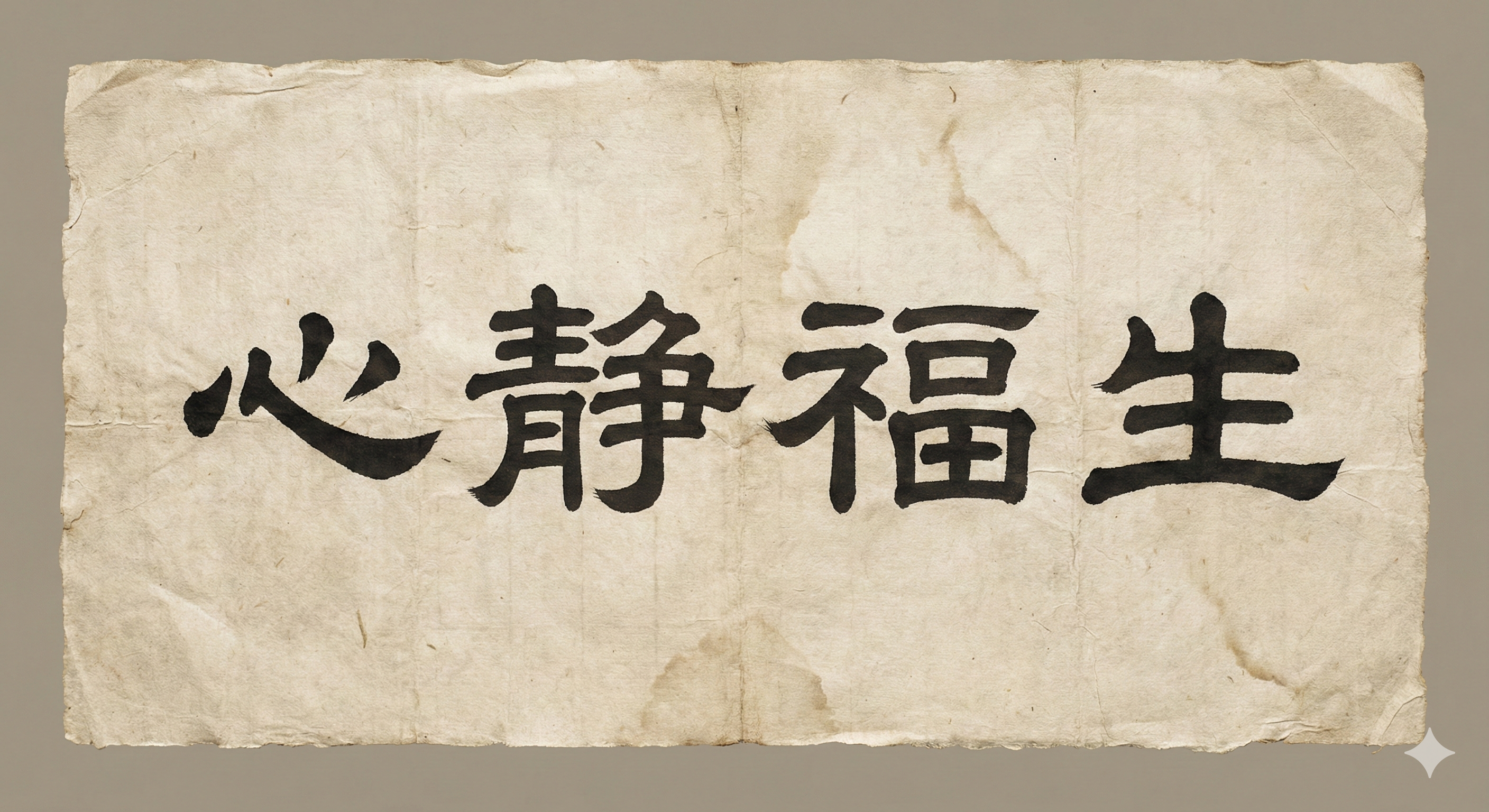
Image Healing: Guided Mandala Viewing - Lesson 250
Choose a mandala that expands outward from the center.
Let your gaze slowly move outward from the center.
Feel the alertness gradually relax.
Mandala drawing is not about drawing something, but about observing and practicing breaking the chain of anxiety responses.
The mandala theme of this lesson is the chain of chains, symbolizing the natural loosening of the response after it has been understood.
◉ One gaze is sufficient; no repetition is required.

Lesson 250: "Language Freeze" and the Chain of Anxiety Responses - Guided Drawing
Purpose: To allow you to visually see your own "frozen chains".
Steps: Draw a chain from left to right, labeling each of the five links (trigger/threat/physiological/cognitive/freeze). Identify the weakest link in the chain and mark it as a "loose point." This will become the starting point for future practice.
Please log in before submitting your drawings and feelings.
○ 250. "Language Freeze" and the Chain of Anxiety Responses: Journal Guidance
① From which point did my language freeze begin today?
② What are the ideas for automation in threat assessment?
③ What was the first reaction your body had at that time?
④ If I could loosen one of the links, which one would it be?
⑤ Can I try a micro-movement (humming, inhaling, opening and closing lips) to intervene in the chain today?
⑥ Write down your observations: Is my freeze fixed? Or are there some scenarios where it's looser?
Please log in to use.
When you understand your own chain of reactions, language is no longer mysterious or out of control. You are moving from "frozen" to "adjustable".