

Lesson 251: The Relationship Between Voice Fear and Shame
Duration:70 minutes
Topic Introduction:Many people who are mute, socially anxious, or have difficulty expressing themselves are not unable to speak, but rather find that "the mere thought of making a sound triggers feelings of shame." This lesson will help you understand: Why is sound associated with shame? Why does your body stiffen as if gripped when you make a sound? Once sound is separated from shame, you will rediscover that "speaking is safe" and regain the freedom to express yourself.
Why is sound associated with shame?
- Sound means exposure:Making a sound will draw attention and judgment, easily triggering tension and defensiveness.
- Early negative experiences:Childhood experiences of being laughed at, imitated, and interrupted cause shame to arise before it can even be expressed.
Where does the body's reaction to sound phobia come from?
- Throat freezes rapidly:The more I try to speak, the more stuck I get, as if I'm being held back by an invisible force.
- Fear of repeating the past:The brain interprets the idea that "speaking out = making a mistake" as a dangerous memory and automatically blocks the language system.
Lesson 251: The Relationship Between Voice Fear and Shame (Click to listen to the reading and view the content)
Voice phobia is rarely just a fear of vocalization itself; it's often closely linked to deep-seated shame. When someone feels their throat tighten, their voice become softer or even disappears when they try to speak, it's often not because they don't know what to say, but because they fear being heard, judged, or rejected. The core of shame isn't "I did something wrong," but rather "I am unacceptable." Once this belief is tied to vocalization, the voice becomes a channel for self-exposure, and the brain instinctively shuts it down. Many people have experienced being mocked, interrupted, ignored, or told to be quiet because of their voice in their early lives. These experiences associate vocalization with danger. When similar situations arise again, the body enters a defensive mode beforehand, and even if rationally aware that it's safe, the shameful memory is still activated. Voice phobia is therefore not cowardice, but a conditioned response. Understanding this is crucial because it means the focus of healing isn't on practicing speaking better, but on overcoming shame. What you need to do isn't to prove your voice is valuable, but to slowly experience that even with an imperfect voice, you are still allowed. When shame is seen, named, and treated gently, the language system relaxes. Voice recovery isn't instantaneous but is accomplished through repeated, safe, small vocalizations. Every whispered attempt is a way of telling the brain that exposure is not the same as harm. True freedom is not about always speaking with confidence, but about allowing yourself to be heard, even with a trembling voice.
▲ AI Interaction: Where does your fear of sound come from?
The association of voice and shame is not something that has just emerged, but rather something that has been linked to shame since a certain time or a certain stage.
Think back: When did I first realize that "speaking out will be seen and judged"?
Reclaiming that memory is not about blaming the past, but about freeing yourself for today.
Click the button below to let AI guide you through the origins of your fear of sound and find a practice path to make your voice safe again.
○ Sound phobia · Music guidance
If your voice is prone to freezing, choose music with a steady rhythm to allow your breathing and sense of rhythm to gradually relax your throat muscles.
If you have a strong sense of shame, you can choose low-frequency, soft music that feels like it's enveloping you, allowing your body to enter a safe state first.
Hum softly to the music for a few seconds to decouple the "sound" from danger.
Herbal Tea - Sweet Wheat and Jujube Drink
Recommended drinks:Ganmai Dazao Drink
Recommended reasons:Licorice and wheat can calm the nerves and relieve anxiety, while jujubes are mild and replenish qi, which can reduce the reaction of "palpitations when making a sound".
practice:Boil 5 grams of licorice root, 10 grams of wheat, and 3 jujubes for 20 minutes.
○ Stable Dietary Therapy: Turmeric Cauliflower Stir-Fry (ID251)
During the process of dealing with shame and voice issues, the body needs warm, non-irritating support. The combination of turmeric and cauliflower helps reduce internal inflammation and is suitable for consumption after emotional exercises or attempts at expression, helping the body return to a safe baseline.
Shame relief
Safe expression
Open Recipe
◉ Indian Ayurvedic Diet Therapy: Turmeric and Cauliflower Stir-fry (ID 251)
Cauliflower is a "cancer-fighting star" among cruciferous vegetables, but many people experience bloating after eating it. This is because it has "dry, cold, and astringent" properties. Ayurvedic wisdom lies in "balancing the properties of food with spices." This dish utilizes the warming and anti-inflammatory properties of turmeric, combined with the digestive aid properties of ginger, to transform the "difficult-to-digest" cauliflower into a mild, spleen-strengthening, and detoxifying delicacy.
Anti-inflammatory and detoxifying Strengthen the spleen and promote digestion Preventing bloating
I. Recommended Dietary Therapy and Reasons
Recommended dishes:Golden Turmeric Gobi
Recommended reasons:
1. Anti-inflammatory drugs for joints and intestines:Turmeric is a natural anti-inflammatory agent. This dish can gently reduce inflammation in the body, especially for people suffering from rheumatic joint pain or chronic intestinal inflammation (such as irritable bowel syndrome).
2. Solving "Cruciflora bloating":The sulfides in cauliflower can easily produce gas. Adding cumin seeds and ginger can effectively break down the gas, promote intestinal peristalsis, and allow you to absorb nutrients without leaving any burden.
3. Lightweight purification (Kapha balance):Compared to root vegetables, cauliflower is low in calories and has a slightly astringent taste, which helps to absorb excess water and oil in the body, making it very suitable for people who are trying to lose weight or have a phlegm-dampness constitution.
2. Recipe and Method
Recipe (Serves 2):
- 1 head of organic cauliflower (cut into bite-sized florets)
- 1–2 teaspoons of turmeric powder (adjust according to your preferred color depth)
- 1 tablespoon of minced ginger (key to dispelling cold and relieving bloating)
- 1 teaspoon of cumin seeds
- 1.5 tablespoons ghee or coconut oil
- 1 teaspoon of coriander seed powder (for its cooling properties)
- Sea salt and black pepper to taste
- Add a suitable amount of fresh cilantro leaves (for garnishing after cooking).
- (Optional) A few green peas or diced tomatoes (to add texture)
practice:
- Preprocessing:Cut the cauliflower into small florets, wash and drain. If you have a particularly weak digestive system, you can blanch it for 2 minutes first, then drain it (this step can remove most of the gas-producing factors).
- Sauté:Heat ghee in a pot. Add cumin seeds and fry until they crackle. Then add minced ginger and sauté until fragrant.
- Color grading:Turn the heat to low, add turmeric powder and coriander seed powder, and stir-fry quickly for 10 seconds (do not burn) until the oil turns golden brown.
- stir fry:Add the cauliflower, turn the heat to medium-high and stir-fry quickly until each floret is coated with golden oil.
- Steam-Fry:Add a little water (about 2–3 tablespoons), cover the pot, and simmer over medium-low heat for 5–7 minutes. This step, called "water and oil braising," ensures the cauliflower is thoroughly cooked and tender without burning.
- Reduce sauce and season:Open the lid; if there is still water, reduce it over high heat until it evaporates. Add salt and plenty of black pepper (to help the turmeric absorb the flavor).
- Remove from heat:Turn off the heat and sprinkle with fresh cilantro leaves.
3. Small rituals for body and mind
Golden Healing:Watching the cauliflower in the pot turn from white to a warm golden yellow corresponds to the "navel chakra" in the human body. Imagine this golden energy repairing your digestive system, like sunlight piercing through the clouds.
Mindful Chewing:Even when cooked, cauliflower retains a slight crispness. As you chew, you can feel the crisp sound and perceive the slightly bitter, warm flavor of turmeric spreading in your mouth.
4. Dietary Therapy Experience Record
- Pay attention to whether your stomach feels flat after eating cauliflower, and whether you experience the bloating you usually feel after eating it.
- Observe joint flexibility on the second day; the anti-inflammatory effect of turmeric usually becomes apparent after continuous consumption.
- Record your mood; yellow foods can often boost your mood and reduce feelings of depression.
V. Instructional Videos (approximately 3–5 minutes)
◉ Video Title:How to eat cauliflower without feeling bloated? Just add this spoonful of "golden powder"!
6. Precautions
- Must be cooked thoroughly:Ayurveda strongly recommendsDo not eat raw.Cauliflower (even in salads) is extremely difficult to digest raw, severely disrupting Vata energy and causing bloating and constipation. It must be cooked until tender with oil and spices.
- Thyroid problems:Cruciferous vegetables contain trace amounts of goitrogenic factors, butHigh-temperature cookingIt can deactivate it. People with hypothyroidism must make sure to cook it thoroughly before eating.
- Styling suggestions:This dish is on the drier side, so it's best enjoyed with lentil soup (Dal) or rice porridge for a more balanced flavor.
hint:This is an excellent "packed lunch" dish. After being reheated overnight, the turmeric flavor will penetrate even more deeply, making it even more delicious.
○ Modern Calligraphy - Lesson 251 Writing Exercises
In-depth analysis:
The core of voice phobia is not a lack of skill, but rather that shame is preventing the flow of information.
Modern calligraphy emphasizes the continuity and elasticity of lines, making it ideal for loosening this frozen state.
When you allow strokes to fall with uncertainty yet still complete the whole, your brain gradually learns that exposure does not equate to error.
The writing process itself is an exercise in being safely seen.
Modern art calligraphy does not require uprightness; it accepts deviation, tremor, and imperfection.
This corresponds to the true state in voice practice: you don't need to eliminate shame before you can speak, but rather let shame gradually lose its power while speaking.
Writing Techniques (Shameless Version):
- Jitter allowed:The lack of deliberate stabilization of lines symbolizes acceptance of authentic voices.
- Continuous writing:Avoid interruptions and rewatching to reduce self-judgment.
- Line extension:Let the strokes naturally lengthen to correspond to the release of sound.
- Reduce corrections:Avoiding overwriting or retracing symbolizes not repeatedly blaming oneself.
- Stop when finished:Once you've finished writing, put it down without adding any further explanation.
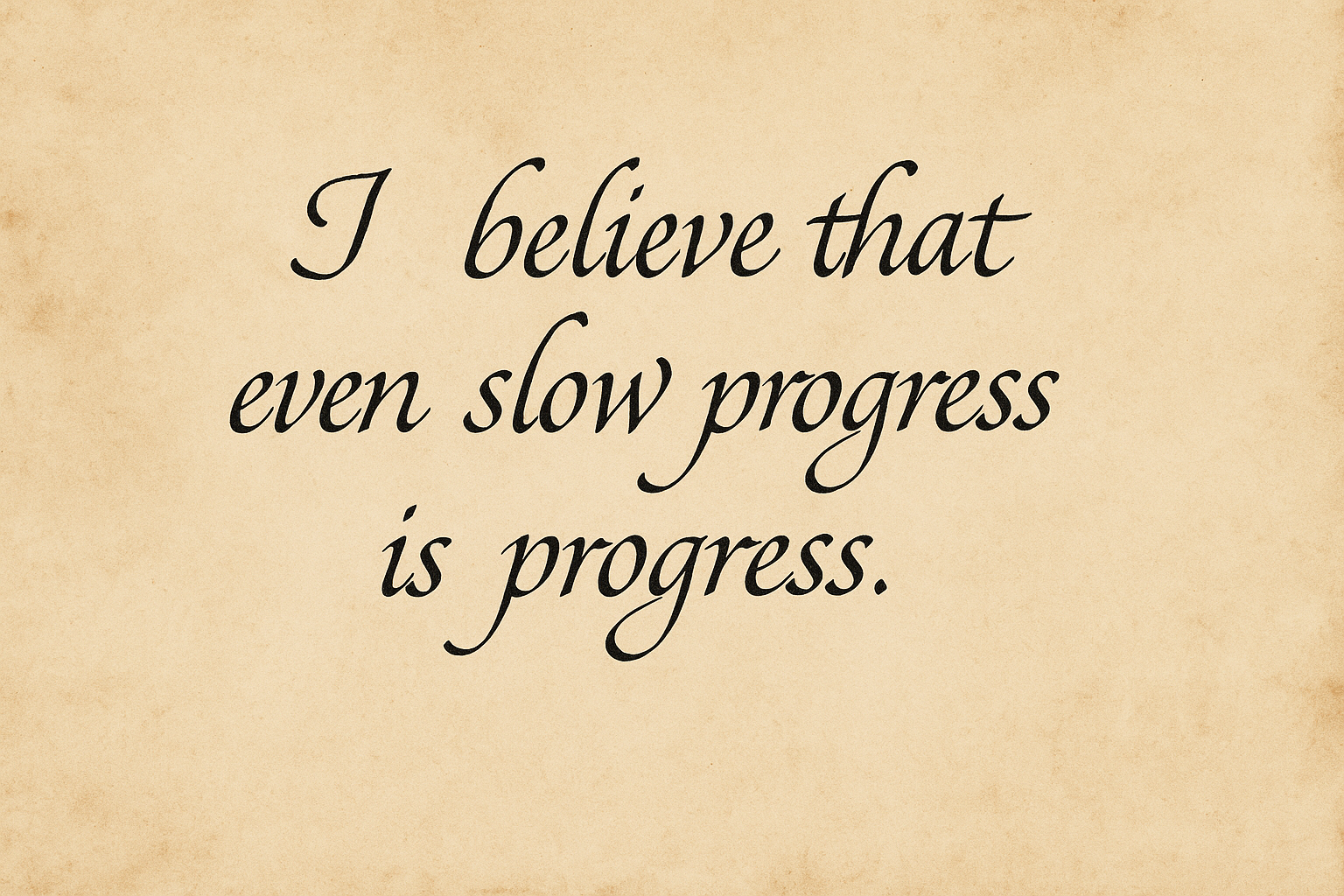
Image Healing: Guided Mandala Viewing - Lesson 251
Choose a mandala with soft lines but a clear structure.
Let your gaze move naturally along the curve.
Feel the boundaries that still exist within the flow.
A mandala is not about drawing something, but about observing yourself and practicing maintaining your presence even with shyness.
The theme of this lesson's mandala is the ring of soft sound, symbolizing the safe reflow of sound.
◉ One gaze is sufficient; no repetition is required.

Lesson 251: The Relationship Between Sound Fear and Shame - Drawing Guidance
Purpose: To help you see how "sound" and "shame" are intertwined in the body.
Steps: Draw two shapes: one symbolizing "sound" and the other symbolizing "shame." Place them on the same piece of paper and observe their distance, size, and color. Then try to connect the two shapes with a line, symbolizing that you are giving sound space again.
Please log in before submitting your drawings and feelings.
○ 251. The Relationship Between Voice Phobia and Shame · Journal Guidance
① When was the first time I felt ashamed of my voice?
② What happened then? Was it being laughed at? Imitated? Or rejected?
③ What is the connection between the fear of sound now and the shame of the past?
④ When I am about to speak, what part of my body tenses up first?
⑤ What is the gentlest thing I can say to my past self who was afraid of me?
⑥ Tomorrow I can try to make a "micro-sound" to let my body experience the sense of security of making a sound.
Please log in to use.
Your voice isn't the problem; shame is. Once your body regains confidence that speaking is safe, your voice will slowly return.