

Lesson 306: The Internal Critic and Self-Compassion Exercise
Duration:70 minutes
Topic Introduction (Overview):
One of the underlying factors sustaining depression is the "internal critic"—
That thing that keeps saying in your heart:
“"You're not good enough."”
“"You made a mistake again."”
“"Others won't like you."”
“"You'll always be like this."”
The internal critic is not your enemy; it usually stems from:
— Early experiences of being harshly criticized
— Long-term high-pressure environment
— Being overly demanding of oneself
— A belief that "I must be better in order to be loved"
This is not for you to "comfort yourself".
Instead, it helps the nervous system switch from "threat mode" to "safe mode".
Self-compassion exercises can reduce guilt, shame, and self-blame.
Let your heart regain its resilience.
You're not trying to become weak, you're learning to become soft.
Lesson 306: The Inner Critic and Self-Compassion Exercises, Click to listen, read and watch the content.
Many people experiencing prolonged anxiety or depression develop a strong and persistent inner critic. While seemingly urging you to improve, it actually magnifies mistakes, ignores efforts, and makes you feel inadequate in every situation. This voice is often not your true self, but a product of past pressures, comparisons, expectations, and fears. When your performance declines, the inner critic becomes sharper, repeatedly reminding you why others can do it but you can't, thus intensifying feelings of shame and powerlessness. The first step in understanding the inner critic is recognizing that it's not an enemy, but an old strategy trying to protect you. It uses harsh criticism to avoid failure and aggression to prevent further hurt, but this approach is no longer effective in the present. The second step is to practice distinguishing between the voice and reality. You can ask yourself whether this evaluation is based on your current actual ability or on fear and assumptions. When you observe criticism as a psychological phenomenon rather than a command to obey, its power begins to diminish. The third step is to cultivate an attitude of self-compassion. Self-compassion is not indulgence or abandonment, but rather maintaining understanding and kindness towards yourself in difficult times, just as you would treat a friend who is suffering. You can tell yourself internally, "I'm having a hard time right now, but that doesn't mean I've failed." This kind of language directly reduces the sense of threat in your nervous system. Continuously practicing self-compassion will gradually change the tone of your inner dialogue, allowing supportive voices to emerge. Ultimately, you'll find that when criticism no longer dominates, energy is released for genuine recovery and growth.
▲ AI Interaction: Where does my "inner critic" come from?
Enter your most recent self-critical conversation, and AI will help you:
① Identify the source of the critic (early years, perfectionism, trauma, habitual criticism)
② Determine which evaluations are "facts" and which are "emotions".“
③ Provide self-sympathetic response sentences
④ Teach you to establish alternative, supportive patterns of inner dialogue.
○ Audio - Evening Relaxation Guide
Play the audio track to perform a "body scan": starting from the toes, gradually relax the legs, abdomen, chest, shoulders, neck, and head.
Whisper to yourself in each part of your body, "Thank you for persevering today."
○ Chinese Tea Drinks: Rose Petal Tea for Soothing the Mind and Nourishing the Heart
Recommended reasons:Roses are excellent at soothing the liver and relieving depression, regulating mood swings, and helping to alleviate chest tightness and stomach congestion caused by excessive self-criticism. Their gentle fragrance can stabilize the nervous system, gradually diminishing the voice of inner critic.
practice:Steep 5-6 dried rosebuds in hot water for 5 minutes. You can add a small amount of goji berries to improve blood circulation. Drink 1-2 cups daily.
○ Stable Dietary Therapy - Purple Rice Eight Treasure Porridge (ID306)
During periods of frequent internal criticism and heightened self-blame, the body often needs warm and inclusive nourishment. Purple rice, rich and mild, combined with the eight-treasure ingredients symbolizing diversity and acceptance, conveys a sense of being cared for during the meal. This porridge is suitable for consumption when feeling down or experiencing strong self-doubt, allowing the body to feel supported through warmth and satisfaction, providing a foundation for practicing self-compassion.
Self-compassion
Warm and nourishing
Open Recipe
◉ Chinese Medicine Diet Therapy · Purple Rice Eight Treasure Porridge
Purple rice nourishes yin and blood. Cooked with red dates, lotus seeds, longan, coix seed, peanuts, red beans, and raisins, it creates a rich, fragrant, and purplish purple. It's suitable for those experiencing physical weakness and Qi and blood deficiency.
Nourishing yin and blood Qi replenishment and fitness Fragrant and full
1. Recommended porridge and reasons
Recommended porridge:Purple Rice Eight Treasure Porridge
Recommended reasons:Multiple ingredients work together to replenish qi, blood and energy.
2. Recipe and Method
Recipe (Serves 2–3):
- 80 g purple rice (soaked for 2–4 hours)
- 40g glutinous rice
- 30 g red beans (soaked)
- 20g peanuts
- 20 g lotus seeds
- 4 red dates (pitted)
- 15 g longan meat
- 15g raisins
- 1.8 L of clean water
practice:
- Add purple rice, glutinous rice, red beans, peanuts and lotus seeds to water and boil over high heat, then simmer for 45 minutes.
- Add the red dates and longans and cook for another 10 minutes. Finally, add the raisins and cook for 3–5 minutes.
- Turn off the heat and simmer for 5 minutes until the porridge is soft, sticky and thick.
3. Small rituals for body and mind
Drink a bowl warm in the morning or after training.
Chew slowly and enjoy the aroma of the grains.
Record your physical strength and how long you can maintain fullness.
4. Dietary Therapy Experience Record
- How you feel at this moment (warm/relaxed/full).
- Mental and emotional (stability/peace/focus).
- Record the amount of porridge and the ratio of other staple foods on that day.
5. Tutorial Video (approximately 4–6 minutes)
◉ Video Title:Purple Rice Eight Treasure Porridge · Purple Nourishing
6. Precautions
- People with diabetes should control the amount of glutinous rice and dried fruits they consume.
- If you have obvious abdominal distension, reduce the proportion of beans.
- Those with renal insufficiency should follow doctor's advice.
hint:Diet therapy is part of daily care and cannot replace individualized medical treatment. If you have underlying diseases or long-term medication, please consult a doctor first.
○ Chinese Calligraphy - Clerical Script - Lesson 306 Writing Practice Suggestions
Written words:Tranquil and detached, unmoved by favor or disgrace
In-depth analysis:
When the inner critic is active, the mind is often in a state of judgment and tension. The thick and steady lines of clerical script help to draw attention away from inner judgment and back to the present moment. Writing with tranquility and emptiness is practicing not being led by evaluation, allowing the mind to return to calmness and clarity; writing with equanimity in the face of praise or criticism is experiencing a stable state that is not drastically affected by praise or blame. Through writing, the body experiences a kind of peace that needs no proof.
Key points for writing:
- Thick strokes:Keep your pen steady, give the lines enough weight, and enhance your sense of security.
- Slow down the pace:Pause briefly between each stroke to allow your mind to gradually calm down.
- Central axis stability:Pay attention to the center of the character's shape to help your inner self return to a balanced position.
- Overall perspective:Don't get too caught up in the details; appreciate the overall sense of peace.

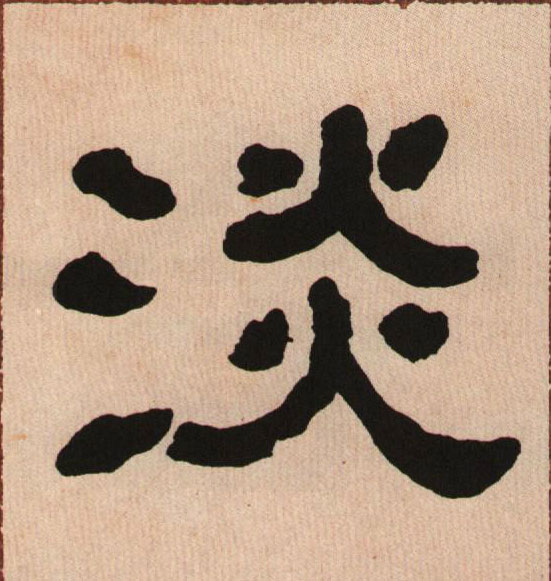

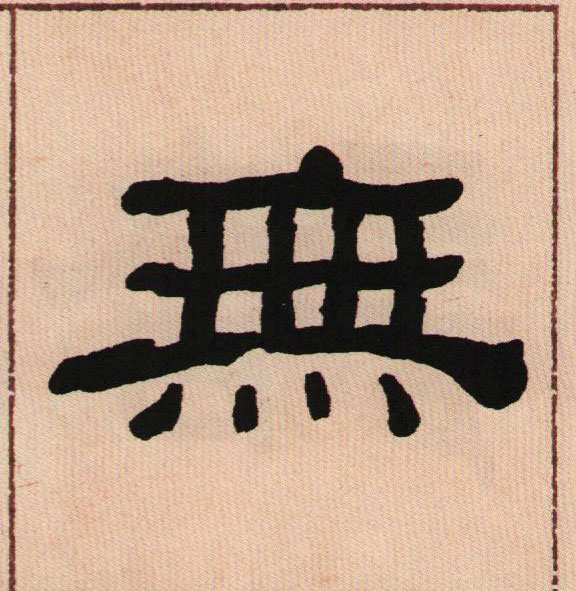

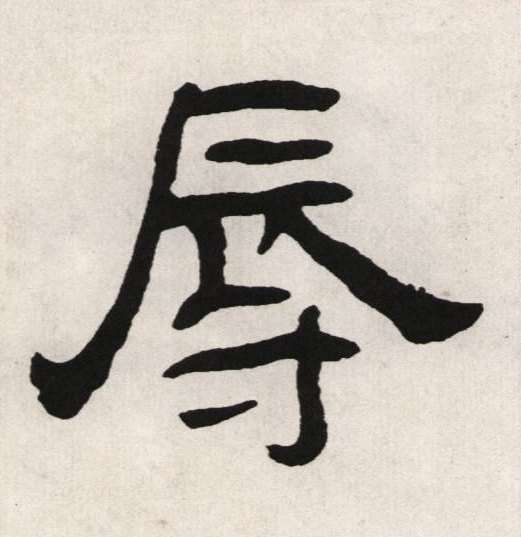

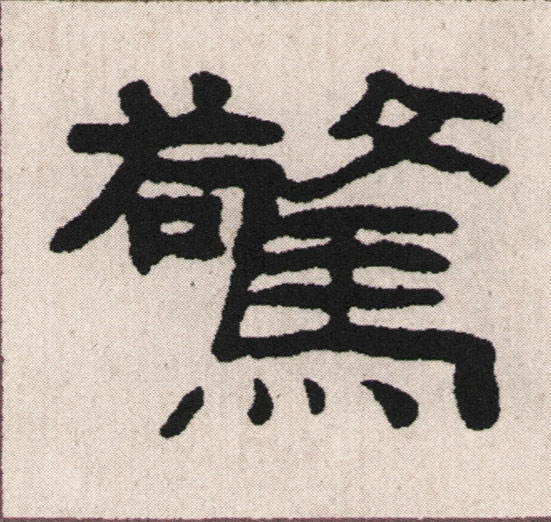
Image Healing: Guided Mandala Viewing 306
Please choose a set of mandala images with soft tones and stable structure to view. First, focus your gaze on the center, coordinating with your natural breathing to feel the presence of your body, and then slowly let your gaze spread along the image. When an inner critical voice arises, do not argue with it, but gently bring your attention back to the center of the image, practicing maintaining kindness and stability in awareness.
The stable structure of a mandala can provide a safe reference for the brain, helping you avoid becoming overly involved in self-evaluation and gradually build a gentler inner relationship.
◉ Gaze at the mandala twice, while taking deep breaths.

Lesson 306: Draw Your "Critic" and "Sympathizer"“
Purpose:It shows you that you don't just have one critic; you can also have an inner supporter.
step:
① Draw the image of your inner critic on the left side of the paper: color, posture, and language.
② Draw the image of a “supporter” on the right side of the paper: warm, stable, gentle, and protective.
③ Write a phrase that critics often use.
④ Write another sentence that your supporters will say in response.
⑤ Write the conclusion below:
I can choose whose opinion to listen to.
Please log in before submitting your drawings and feelings.
○ 306. Log Guidance
① What was your most recent self-criticism? What was it trying to protect me from?
② What is the reason behind my greatest fear of "not being good enough"?
③ If I were to say the same thing to a friend, what would I say?
④ What can my supporters say to me today?
⑤ Write a sentence: I deserve to speak to myself in a gentler way.
Please log in to use.
Your heart doesn't need to be forced to work harder; it needs to be properly understood.