

Lesson 307: Reconnection Training After Emotional Numbness
Duration:70 minutes
Topic Introduction (Overview):
The "emotional numbness" in depression is not indifference, but a protective mechanism for the mind and body:
When pain, stress, shame, and exhaustion accumulate to a point beyond one's capacity to bear it,
The brain automatically lowers the "volume of emotional feelings" so that you don't feel too much for the time being.
On the surface, they seem to be "emotionless," "indifferent," and "uninterested in anything."
In reality, it's the nervous system that's saying:
“"I'm too tired right now, I need protection."”
Emotional numbness is not a failure, nor is it a personality problem.
Rather, it is a reversible, systemic stagnation that can be reawakened.
The goal of reconnection training is not to immediately restore your "emotional richness".
Instead, it's about gradually allowing the body, a sense of security, and subtle pleasurable experiences to be rediscovered.
Start with the slightest sensation—
Subtle changes in temperature, touch, color, sound, and breathing—
It allows you to gradually reconnect with your inner self.
It's not about becoming sensitive, but about allowing yourself to live again.
Lesson 307: Reconnection Training After Emotional Numbness (Click to listen and read/view content)
Emotional numbness doesn't mean you've lost the ability to feel; rather, it often occurs when, under prolonged stress, anxiety, or depression, the mind and body temporarily shut down emotional channels as a self-protective mechanism. When emotions become too frequent or intense, the brain chooses to reduce the overall intensity of these feelings to avoid further energy expenditure. You might find yourself indifferent to happiness, dulled by sadness, and uninterested in interpersonal interactions. This isn't apathy, but a pause. The goal of reconnection training isn't to immediately bring emotions back, but to gradually restore the channels of feeling. The first step is to start with bodily sensations, not the emotions themselves. You can choose a fixed time each day to pay attention to the most easily noticeable parts of your body, such as the sensation of your feet touching the ground, changes in the temperature of your palms, or the rise and fall of your breath in your chest and abdomen. Simply observe, don't seek a reaction. The second step is to restore subtle preferences. In a state of numbness, strong emotions are difficult to experience, but you can still perceive subtle likes and dislikes, such as whether you prefer warm or cold drinks, or sitting or standing. These subtle preferences are important signals that the emotional system is reconnecting. The third step is to establish low-intensity emotional input. To avoid immediately seeking emotional stimulation or excitement, choose gentle music, natural scents, and simple, familiar activities to allow the system to reconnect with feelings within a safe range. The fourth step is to allow the connection to happen slowly. Emotional return is often not sudden, but rather occurs in an ordinary moment when you find yourself responding to something small. Remember, such a response is enough. Reconnection is not about pushing yourself towards intense feelings, but about allowing feelings to return naturally without coercion. When you are patient with the rhythm, emotions will gradually revive in a safe environment.
▲ AI Interaction: What is my emotional numb protecting me from?
Enter your recent feelings of "numbness," "lack of energy," or "lack of motivation," and AI will help you:
① Identify the sources of emotional depletion behind numbness
② Analyze whether this is "physiological numbness" or "psychological shutdown".“
③ Provide reconnection micro-actions that can be tried immediately.
④ Teach you how to use your body to restart your "emotional circuit".“
Sometimes the mind is filled with voices of blame and denial.
Play a gentle song and think of it as another voice whispering to you.
The melody will answer for you: "I deserve to be understood, and I'm trying."
Let music be a gentle substitute for your heart.
○ Chinese Tea Drinks: Longan and Lotus Seed Soothing Tea
Recommended reasons:Longan nourishes the heart and spleen, while lotus seeds soothe the mind and calm the nerves, making this the gentlest tonic combination during periods of emotional numbness. It can stabilize the mind, enhance mild feelings of pleasure, and help gradually transition from a state of "numbness and freeze" to a state of "micro-sensory awareness."
practice:Steep 4-5 longans and 6-8 lotus seeds in hot water for 10 minutes. Drinking this in the evening can help relax the nervous system.
○ Stable Nutritional Drink with Honey, Ginger, and Lemon (ID307)
During periods of emotional numbness, the body often needs gentle yet distinct stimulation to awaken sensations. The soft sweetness of honey, the warmth of ginger, and the freshness of lemon combine to create a clear yet subtle taste experience. This drink is suitable for consumption during the day or evening, helping the body rediscover temperature and smell, providing a safe and controlled entry point for emotional reconnection.
Reconnect
Gentle awakening
Open Recipe
◉ Maple Syrup Lemon Drink
Maple syrup, lemon juice, and warm water create a refreshing and sour-sweet balance. Enjoy it after exercise or during an afternoon nap to help hydrate and rejuvenate.
Refreshing and hydrating sweet and sour balance Rejuvenate
1. Recommended dishes and reasons
Recommended dishes:Maple Syrup Lemon Drink (ID 127)
Recommended reasons:A mild, natural sugar source paired with a tart flavor to encourage water intake and aid in recovery.
2. Recipe and Method
Ingredients (Serves 1–2):
- 300 ml warm water
- 1–2 teaspoons maple syrup
- 2–3 teaspoons fresh lemon juice
- A few mint leaves (optional)
- A pinch of salt (optional, for electrolytes)
practice:
- Stir maple syrup and lemon juice into warm water.
- Add mint leaves and a pinch of salt as desired.
- Best taste when consumed immediately.
3. Eating rituals
Drink slowly in small sips, breathing in through the nose and out through the mouth three times.
Observe the feeling of freshness in the mouth.
Record the amount of water replenished and the energy restored.
4. Experience Record
- Physical sensation (refreshing/full/stable).
- Post-meal mental and digestive scores.
- Record portion sizes and daily fruit, vegetable, and whole grain intake.
5. Tutorial Video (approximately 2–5 minutes)
◉ Video Title:Maple syrup lemon drink · Refreshing and sweet
6. Precautions
- If you have excessive stomach acid, reduce the amount of lemon.
- Those who need to control sugar intake should reduce maple syrup or use sugar substitutes.
- For children, the sweetness and sourness can be halved.
hint:Diet therapy is daily care and does not replace individualized medical treatment.
○ Chinese Calligraphy - Clerical Script - Lesson 307 Writing Practice Suggestions
Written words:Take things as they come, govern by doing nothing
In-depth analysis:
When emotions are numb, there's often a hidden anxiety within that there's a need to recover quickly. The stable structure and slow, deliberate unfolding of clerical script can help the body experience a sense of security from not being in a hurry to change. Writing with equanimity is practicing acceptance of the present state; writing with non-interference is experiencing the importance of not over-interfering and allowing change to occur naturally. Through writing, the body first learns to settle down, and only then can emotions have space to flow again.
Key points for writing:
- Strokes at a uniform speed:Maintain a consistent pen stroke speed, avoiding sudden changes in speed.
- Neutralizing the intensity:Write with medium pen pressure, without intentionally increasing or decreasing it.
- Structurally expansive:Pay attention to the expansion of the characters, leaving room for emotions.
- Process awareness:Focus on the writing process, not the final result.



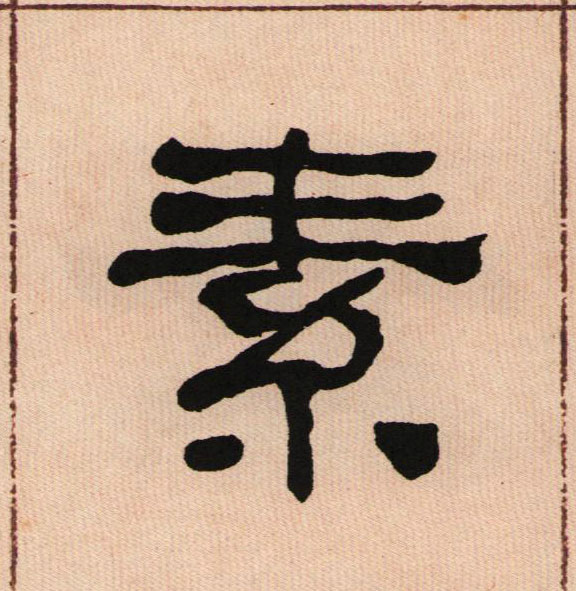

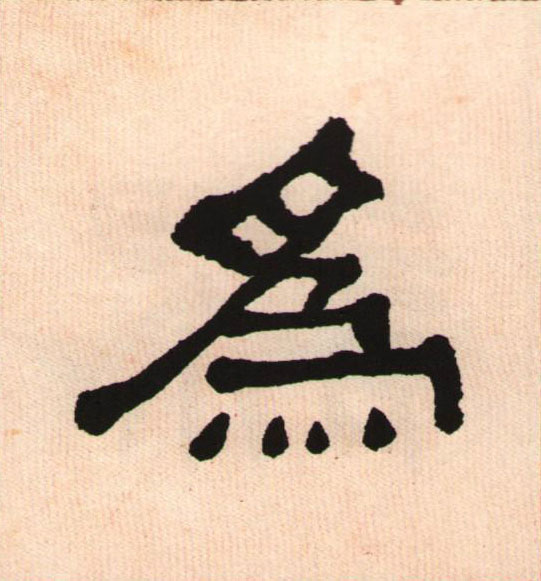

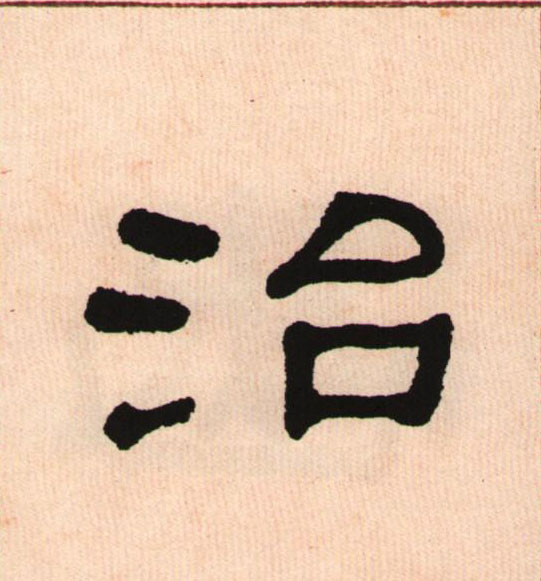
Image Healing: Guided Mandala Viewing 307
Please choose a set of mandala images with gentle tones and smooth transitions to view. First, focus your attention on the center, pause for a moment while breathing naturally, and then slowly let your gaze expand outward, noticing the subtle changes in color and shape. When you perceive a hint of interest or comfort, don't amplify it; simply acknowledge its presence. This is a signal that emotional reconnection is taking place.
The gradual structure of a mandala helps the emotional system transition from a closed state to an open state, restoring the ability to feel within a safe range.
◉ Gaze at the mandala twice, while taking deep breaths.

Lesson 307: Draw the place where I am being awakened.“
Purpose:It lets you see—even when you're numb, a part of you is still gently shining.
step:
① Draw a body outline on paper.
② Mark inside the body:
● Where can't you "feel" it?“
● Which areas "still have a little bit of feeling"?“
③ Apply a warm color to the areas where there is a slight sensation.
④ Write down a sentence:
This is where I am being awakened.
⑤ Allow yourself to feel even 1 point is a good start.
Please log in before submitting your drawings and feelings.
○ 307. Log Guidance
① What was the last time I "didn't feel" something?
② What was the slightest sensation you felt today? Temperature? Sound? A slight throbbing somewhere in your body?
③ What might numbness be protecting me from?
④ If my emotions only recover to 1%, what will today be like?
⑤ Write a sentence: I am willing to let a little bit of life come back.
Please log in to use.
Your mood doesn't have to be completely bright all at once; as long as there's a glimmer of light, you're already on your way home.