

Lesson 326: What is "Dysphoric Disorder"?“
Duration:75 minutes
Topic Introduction (Overview):
Persistent Depressive Disorder (PDD), also known as "persistent depressive disorder", is a condition characterized by dysphoric mood disorder.
Its core feature is notstrongA drop in mood, butLong-term, low-intensity, and slow-paced deterioration of mood and vitality..
Many visitors even think, "I've always been like this, it's just my personality, right?"“
But this is not a personality trait; rather, it is a chronic emotional pattern that can be understood, adjusted, and gently restored.
The danger of a poor mood lies not in "intense pain," but in "a constant, low mood":
● My mood has been consistently low, but not to the point that anyone would notice.
● Loss of interest in things, but still able to manage.
● Low motivation, fatigue, lack of anticipation, yet accustomed to it all.
● Low self-esteem and lack of confidence in the future.
● A long-standing feeling that "living like this is okay, but it's meaningless."“
This lesson will guide you through understanding the nature, formation mechanism, typical manifestations, and why dysphoric disorder is often overlooked.
Understanding is the first step to regaining vitality.
▲ AI Interaction: Assess Your "Low-Level Depression Pattern"“
AI will assist you:
① Determine if your mood shows a trend of "chronic depression".
② Differentiate between "personality depression" and "dy mood disorder"“
③ Identify the sources of chronic fatigue and hopelessness.
④ Identify the aspects of your life where you most need intervention.
⑤ Develop a "low-level mood recovery plan"“
○ Long-lasting melodies for those in a bad mood - Musical introduction
A depressed mood is not a violent storm, but rather like a gray undertone that has lasted for many years.
Choose a "background" piece of music—not loud or bright, but something that gently supports your emotions.
Let this melody accompany you through your daily routine: tidying your room, making tea, taking a shower, and going out.
It's not meant to uplift you, but to help you "stop feeling so heavy."
When you can hear a hint of warmth in the gray background, that's where improvement begins.
○ Chinese Tea Drinks: Polygonatum and Goji Berry Revitalizing Tea
Recommended reasons:A bad mood is often accompanied by a physical and mental state of "powerlessness, lethargy, and lack of motivation".
Polygonatum nourishes qi and yin, while wolfberry nourishes the liver and improves eyesight. The combination of the two can help improve physical fitness, alleviate chronic fatigue, and reduce low mood.
practice:Steep 5 grams of Polygonatum rhizome and 8-10 goji berries in hot water for 7 minutes. You can drink 1-2 cups daily.
○ Taoist Dietary Therapy: Yam and Tremella Soup for "Regulating Qi"
A bad mood is a sign of "weak Qi and declining spirit" in Taoism. It is not a sudden major loss, but a slow dissipation of Qi.
Yam strengthens the spleen and replenishes qi, while white fungus nourishes yin and moistens the heart, making them an ideal long-term dietary therapy for those in a "chronic low-energy state".
This is a dietary supplement that "stabilizes daily energy," helping you regain a consistent sense of well-being and a regular lifestyle.
replenish Qi
Gentle conditioning
○ Western Calligraphy - Sentence Practice (Stable Version)
Today's writing sentence:
My feelings matter, even when they are quiet.
(Even the slightest emotion deserves to be seen.)
Writing tips:
- Keep your brushstrokes slow and steady, and synchronize your breathing with the strokes.
- The word "quiet" in the sentence is suggested to be enlarged slightly, symbolizing allowing subtle emotions to be seen.
- The overall structure remains relaxed, symbolizing the relief of chronic repression.
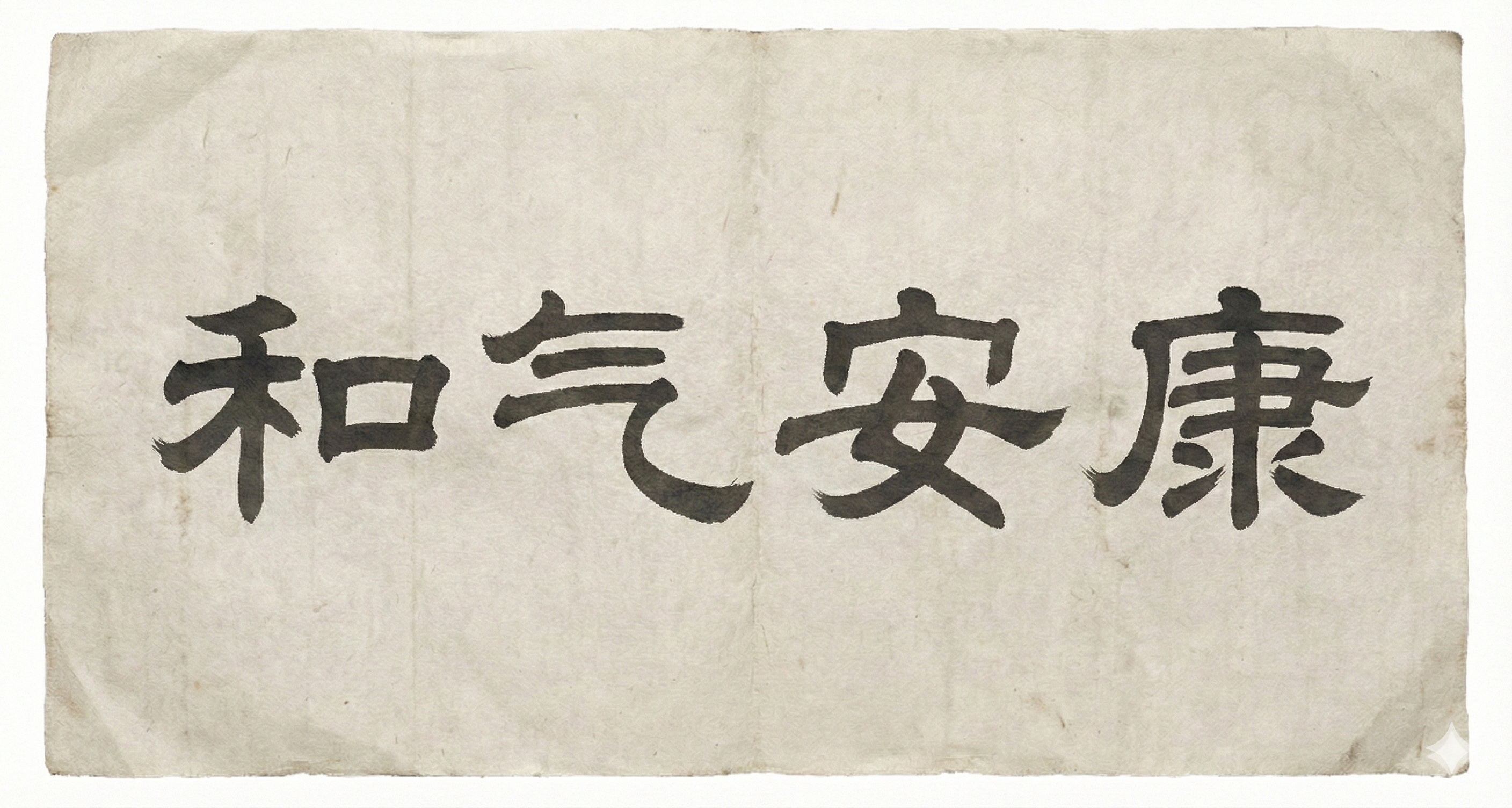
Image Healing: Mandala Stability Guidance 326
Draw a "luminous mandala":
● Draw a faint dot of light in the center, symbolizing your "weak but still existing vitality".
● The outer ring is decorated with soft ripples, symbolizing the continuous flow of low-level emotions.
● Draw a small ring of light around the outer edge, symbolizing the gradually emerging expectations and vitality.
While gazing, remind yourself:
“Even a small light can illuminate my way to continue living.”
◉ Please watch this twice.
[mandala_course lesson=”326″]
Lesson 326: Charting Your "Low Mood Curve"“
Purpose:Understanding that chronic depression is not "hopeless," but rather an emotional rhythm that can be described, understood, and repaired.
step:
① Draw a line with slight fluctuations on a piece of paper to symbolize your long-term emotions.
② Write down feelings such as fatigue, lack of motivation, low interest, and mild pessimism below the line.
③ Above the line, write: Sometimes calm, occasionally happy, short periods of stability.
④ Draw a slightly upward-pointing arrow at the end of the wavy line.
⑤ Write: "I am not stagnant, I am slowly rising."“
Please log in before submitting your drawings and feelings.
○ 326. Log Guidance
① When did I first realize that "my low mood is long-term"?
② What things easily put me into a state of chronic low energy?
③ What signs of a "slight decline in mood" can I detect now?
④ What habits can help me improve my 5% mental state?
⑤ Write a sentence:
Being down isn't everything to me, but it's a part of me that I can change.
Please log in to use.
Understanding feeling down is the beginning of recovery.