

Lesson 975: Recognizing Relapse Signals and Overreactions
Duration:75 minutes
Topic Introduction (Overview):
After a stressful event, both emotions and physical health may fluctuate. A "relapse" is often not sudden, but rather a gradual accumulation of subtle signals. Many people mistake these signals for signs of "getting worse" or "can't handle it," ignoring that they are actually the body and nervous system trying to protect you. This lesson will guide you in recognizing these early signs, including: unexplained tension, lighter sleep, sensitivity to sound, social avoidance, hypervigilance, and the recurrence of familiar discomfort in the stomach or chest… These are "mild ripples before a relapse," not signs of failure, but rather your body's way of saying, "I need more care."“
At the same time, you will learn how to identify "over-defense responses," such as hypervigilance, anticipating the worst, overreacting to irrelevant stimuli, and the urge to control everything. These responses may outwardly appear as "increased emotions," but are essentially the body's way of protecting you, albeit in an excessive manner. Mandala drawing is not about drawing anything, but about observing—observing how these signals emerge, observing how the body tries to protect you, and observing how, through repeated identification, naming, and pauses, you regain the power of choice and are no longer led by automatic reactions.
▲ AI Interaction: Identify your pre-relapse signals
Think back to the last time you felt "something's not quite right."
Please write down three of the earliest signs: Changes in sleep? Stomach tightness? Unexplained irritability? Sudden alertness? Beginning to avoid others?
These signals are not a burden, but rather a form of language.
Click the button below to let AI help you create your own "relapse signal map".
○ Emotional Stabilization: Music Anchor Point Exercises
Choose a piece of music that is neither too fast nor too slow, with a rhythm that can be light or steady, to help you refocus your attention on the present moment.
Focus your attention on the “repetitive” rhythm: like waves, like footsteps, like gentle breathing.
Each repetition reminds you that the present is not the past, and your body is learning a more stable way.
🍵 Chinese Green Tea: Gentle Support for a Calming and Stable Mind
Recommended drinks:Huangshan Maofeng tea (fragrant and mild, not irritating to the nervous system).
The gentle aroma and refreshing taste of Huangshan Maofeng tea can help clear your mind and calm your nerves when relapse signals appear, without causing strong heart rate fluctuations. When brewing tea, consciously slow down your movements and make watching the tea leaves unfurl a peaceful ritual.
usage:Take 2g of tea leaves, steep in water at about 80℃ for 1–2 minutes, and sip slowly. With each sip, repeat the phrase in your mind: "I am returning to the present moment."“
○ Chinese Dietary Therapy: Yam and Millet Porridge for Strengthening Qi
Yam strengthens the spleen, and millet calms the nerves, making it ideal for stabilizing the body when signs of a relapse appear. Its warm, soft, and delicate texture gradually relaxes a tense mind and body, and alleviates the depletion caused by "over-defense." The process of eating porridge itself is a form of stabilization exercise: slow, warm, and gentle.
Healing Recipes
/home2/lzxwhemy/public_html/arttao_org/wp-content/uploads/cookbook/kao-yu-mi.html(Please confirm that kao-yu-mi.html has been uploaded)
🎨 Mandala Stability Viewing · Mi Xiangwen 975 · Ripples Back to the Center
Imagine a mandala, with gentle ripples appearing on the outer edge: not intense, but continuously spreading. Those are the signs of recurrence. They are not giant waves, but the earliest whispers of wind. But instead of rushing to suppress the ripples, you stand at the center, quietly watching them—watching them slowly spread from the outer edge and gradually subside.
A mandala is not about drawing something, but about observing. Observe how the ripples tell you, "This area may need care." Observe how your body expresses stress in its own language. Observe how you become soft, clear-headed, and stable through observation. The ripples are not permanent, but you can always stand at the center.

○ Italian Renaissance Humanist Script: Recurring Prompt Sentences
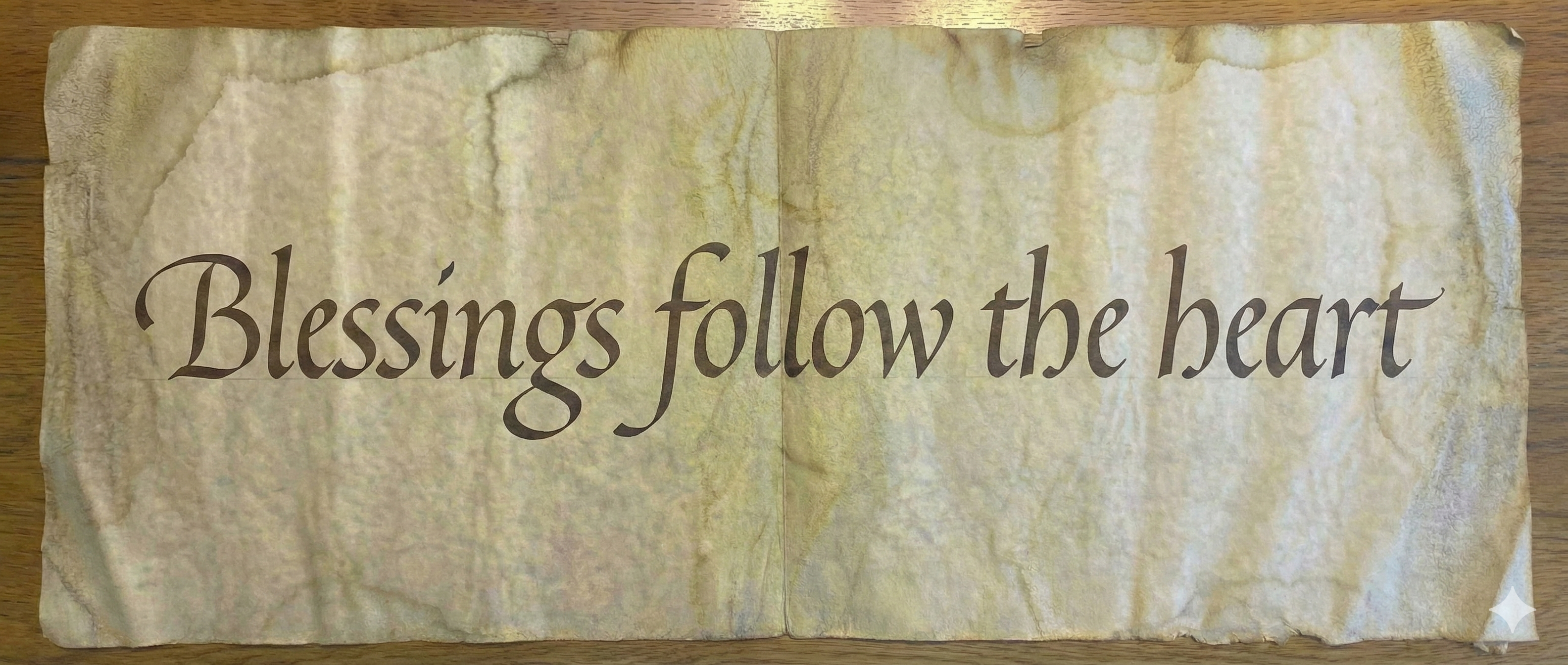
Write sentences:I notice the early signs, and I stay with myself.
The open structure and breathing rhythm of the Humanist Script are perfect for practicing stability when recognizing relapse signals. As you write each letter, synchronize your wrist with your breath: slow down when writing "notice," unfold gently for "early signs," and feel as if you're landing softly for "stay with myself."
Lesson 975: Relapse Signals and Defense Responses - Guided Drawing
Objective: To help you externalize the subtle changes that precede a relapse, so that you can see them earlier.
Steps: On the outer edge of the paper, draw small ripples with slightly repeated lines to represent relapse signals; in the middle circle, draw some sharp or sudden lines to symbolize your over-defense (such as excessive vigilance, control, or tightness); finally, draw a stable shape in the center, such as a stone, a small lamp, or a lotus flower. After completion, view the entire drawing: you will find that the storm is not you, you are at the center.
Please log in before submitting your drawings and feelings.
○ 975. Relapse Signals and Overreaction: Log-Guided Recommendations
① In the past three days, have you experienced any mild, ripple-like discomfort? Write down three.
② In which area of the body do these signals typically first appear?
③ What are some typical "over-defense responses" you have? (e.g., over-scanning for danger, sudden tension, avoiding information)
④ Write down a stable anchor point that you are willing to practice.
⑤ Write a gentle yet firm reminder for your future self.
Please log in to use.
Relapse signals are not a regression, but rather your body saying, "I still need you." When you can hear it, you are already on the road to recovery.