

Lesson 978: Review and Reflection: The Coping Power I Learned
Duration:75 minutes
Topic Introduction (Overview):
As the most intense acute stress response gradually subsides, many people enter a delicate yet crucial phase: seemingly "everything has returned to normal," but internally they are still replaying the event, examining their own performance, and even blaming themselves for "not being strong enough" or "not doing well enough." Without gentle and clear reflection, this phase can easily degenerate into rumination, self-blame, and persistent tension. This course will guide you towards another possibility—through systematic reflection and deliberation, to see your coping strength in the storm, rather than just seeing regrets and "things you didn't do well."
We will help you organize the timeline of events, distinguish between "limitations at the time" and "your actual abilities," identify the protective choices you made, attempts to seek help, and moments of emotional regulation, and compile these fragments into named and acknowledged coping resources. You will learn to use simple debriefing frameworks, problem lists, bodily sensation reviews, and value clarifications to re-examine your actions. A mandala is not about drawing something, but about observation—observing the order, courage, and gentleness that still exist within you amidst chaos, observing how those previously overlooked strengths have quietly sustained you to this day.
▲ AI Interaction: Compile a list of "Things I've Done"
Please briefly describe the stressful event you experienced: what happened, and what you were most afraid of.
Next, please list at least three things you "almost managed" at the time—even if it's just "not running away immediately," "contacting someone," or "trying to take another breath."
AI will help you organize these scattered fragments into a list of coping forces that can be seen and affirmed.
Click the button below to complete this "What I've Done" review exercise with AI.
○ Settling down before the review: Music therapy
Before you begin your debriefing, please play some calming, non-sad, and non-intense music for yourself.
Let the melody be like a soft thread, gently bringing you back from the "center of the event" to the room at hand—pay attention to the floor beneath your feet, the support of the chair back, and the temperature of the air.
You're not trying to dwell on the trauma again, but rather to look back from a safe vantage point.
🍵 Chinese Green Tea: A Gentle and Refreshing Companion During Qingming Festival
Recommended drinks:Longjing tea (fragrant and mild, bringing moderate alertness and focus).
During the review and reflection phase, you need a clear mind, but you shouldn't be overstimulated. The refreshing taste and subtle bean aroma of Longjing tea can help you maintain a gentle state of awareness, preventing your thoughts from becoming scattered or overly excited. It's like a quiet companion, gently reminding you as you write and review: "You are here, you are safe."“
usage:Use water at around 80℃, brew in small batches, and sip slowly each time. Give yourself a few seconds to pause between tea and breath, allowing your mind to gradually calm down.
○ Chinese Food Therapy: Lily and Lotus Seed Soothing Porridge
Lily bulbs nourish the heart and calm the mind, lotus seeds soothe the heart and stabilize emotions, and the softness of rice porridge provides a sense of security that the sensitive nervous system can slowly digest. On days of reflection, you can choose a meal and replace greasy or overly stimulating foods with this calming porridge, allowing your body to quietly support you in completing your inner work of sorting out your emotions in a gentle and nourishing way.
Healing Recipes
/home2/lzxwhemy/public_html/arttao_org/wp-content/uploads/cookbook/matzah.html(Please confirm that matzah.html has been uploaded)
🎨 Mandala Stability Viewing · Mi Xiangwen 978 · Light in Retrospect
Imagine a mandala slowly unfolding before you: the center is a small, slightly dim area, symbolizing a memory that still makes your heart pound. Surrounding it in the first circle are many irregular lines, representing chaos, fear, panic, and your unprepared reactions.
Beyond that, there are concentric circles of lines and colors that gradually become clearer: your act of seeking help, the moment you didn't give up, the whole night you endured, and the small actions you took to care of yourself afterwards. You don't need to embellish it, you just need to observe—a mandala isn't about drawing something, it's about observing—observing how those previously overlooked forces circle around the center, making pain no longer everything, allowing you to look back at the darkness with light, instead of being swallowed by darkness again.

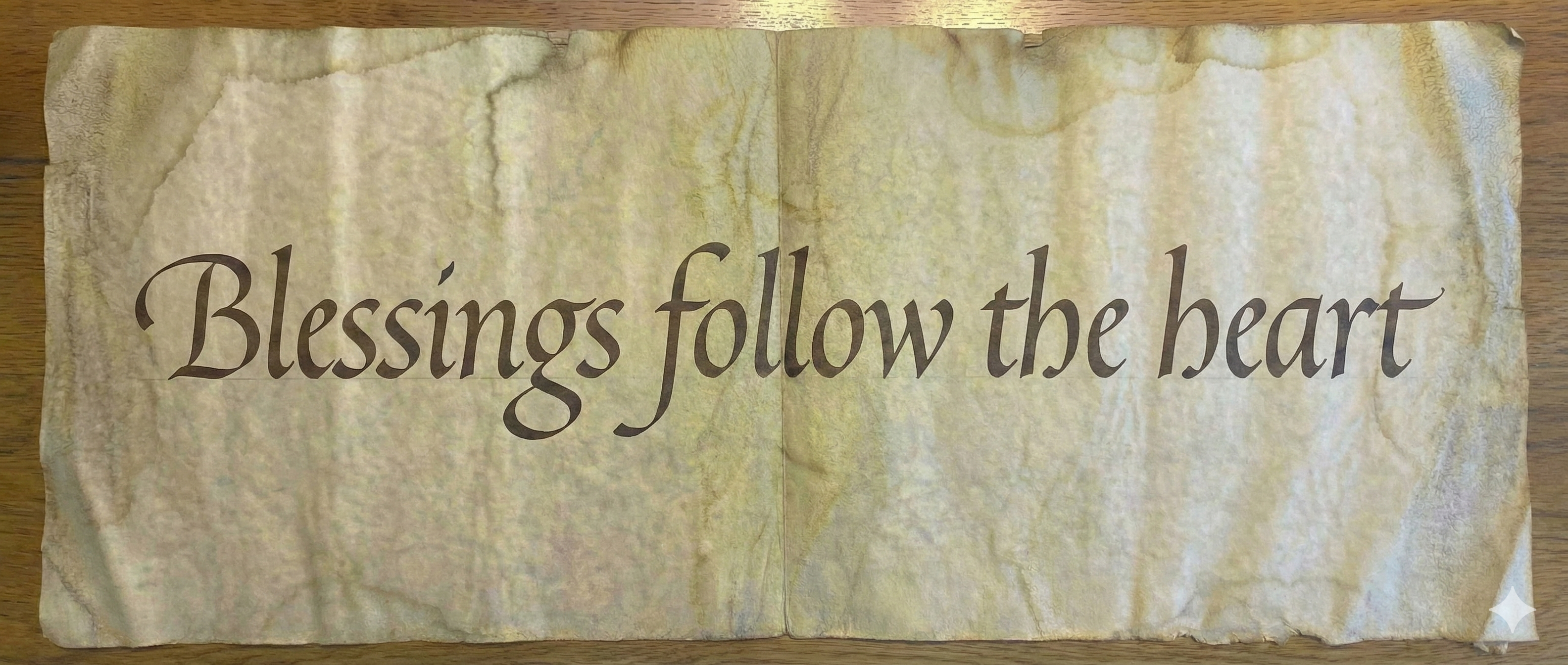
○ Italian Renaissance Humanist Script: Power Sentence Writing Exercises
Write sentences:I have learned how to stay with myself in the storm.
The rounded and breathable quality of Humanist Script is perfect for expressing the theme of "both vulnerable and powerful." When writing "learned," the strokes are slightly extended, symbolizing the accumulation of experience; when writing "stay with myself," the speed is deliberately slowed down, creating a stable and gentle spacing between each letter, as if leaving space for oneself to linger.
Lesson 978: Review and Reflection - Guided Drawing
Objective: To visualize "coping power" so that you can see growth instead of just remembering fear.
Steps: Draw a smaller circle on the left side of the paper, and use simple symbols or colors to represent the acute stress event inside (it could be lightning, surging lines, or fragmented patterns). Draw a larger circle on the right side of the paper, dividing it into several sectors. In each sector, draw or write down a strength you demonstrated during or after the event: perseverance, seeking help, protecting others, acknowledging emotions, willingness to learn, etc. Finally, connect the small circle on the left to the large circle on the right with a few soft lines—this is not denying the event, but acknowledging that you moved through it with strength, rather than remaining stagnant.
Please log in before submitting your drawings and feelings.
○ 978. Review and Reflection: Coping Skills I Learned - Journaling Guidance Suggestions
① Write down the key moments of the stressful event in 3 to 5 sentences. No details are needed, just the outline.
② List all the "small actions" you took at the time, including checking your phone, taking a deep breath, walking away for a moment, contacting someone, etc.
③ From these actions, circle at least three parts that can be named "coping forces" and write down their names (e.g., ability to ask for help, ability to pause, instinct to protect others).
④ Write a message to "your past self": If you were to return to the scene of the incident now, what would you say to the person who was struggling to hold on?
⑤ Finally, to summarize today's reflections in one sentence: "It turns out, I also have this kind of power: _______."“
Please log in to use.
Reviewing a story is not about reliving the pain, but about organizing your strength. May you see in each reflection that you are not merely enduring, but learning, growing, and protecting.