

Lesson 997: Self-soothing methods during psychological crises
Duration:75 minutes
Topic Introduction (Overview):
In moments of psychological crisis, the brain is often overwhelmed by overwhelming emotions: rapid heartbeat, stomach upset, chest numbness, cold hands and feet, narrowed consciousness, fragmented thinking… This is not a loss of control, but rather the body entering an emergency protective mode under extreme stress. This lesson will help you understand that a crisis is not a “collapse,” but rather a self-defense mechanism after a system is overloaded. You will learn how to help your body regain a sense of security and allow the system to gradually restore order.
Self-soothing isn't about forcibly making emotions disappear, but rather about re-transmitting "you are safe" to the brain through touch, breathing, sound, sight, body weight, rhythm, and other means. In this process, the mandala isn't about drawing anything, but about observation—observing how your body gradually relaxes from over-vigilance, how emotions transform from a storm into lingering effects, and how you gradually return to the present moment. You will learn to establish a "stability point," giving your sense of self in crisis a place to land.
▲ AI Interaction: Self-Stabilization Exercises During a Crisis
In a crisis, the brain is often dominated by the "worst-case scenario," making it difficult to judge reality.
Please write down your three strongest sensations at this moment: chest? abdomen? throat? pressure in the head? numbness? emptiness?
Write down: What are these experiences "like"? A gust of wind? A taut cloth? Contracting ice?
When you can visualize it, you can begin to regain control of the rhythm.
Click the button below to practice crisis management steps with AI.
○ Crisis Stabilization: Music Therapy
Choose a low-frequency, stable, very slow-paced background sound, such as the sound of wind, deep drumbeats, or murmurs.
Focus your attention on the most stable part of the music, and let it become the ground.
Every time you hear a low-frequency sound, take a deep breath or gently pinch your fingers.
This rhythm will help you return from the wave of panic to the "reliable present".
🍃 Chinese Green Tea - Calming and Soothing
Recommended tea drinks:Longjing or Biluochun (choose one).
Green tea is rich in L-theanine, which can help regulate nervous tension, enhance concentration, and relieve excessive excitement after being startled.
Usage: Steep in 80°C warm water for 1-2 minutes, sip slowly, and let the aroma of the tea synchronize with your breathing rhythm.
○ Chinese Food Therapy: Warm Millet and Pumpkin Porridge for Soothing Nerves
After a stress crisis, warm food can help the body feel "supported" again. Millet and pumpkin have the effects of replenishing qi, calming the nerves, harmonizing the stomach, and warming the abdomen, allowing the sympathetic nervous system to gradually decrease from an overloaded state, and the body regains a sense of temperature and stability.
Healing Recipes
/home2/lzxwhemy/public_html/arttao_org/wp-content/uploads/cookbook/kao-hong-shu-pei-hei-dou.html(Please confirm that the file has been uploaded: kao-hong-shu-pei-hei-dou.html)
🎨 Dream Mandala Healing · Mi Xiangwen 997 · The Path Back to the Center
Imagine you are standing in an ancient stone corridor, with the wind howling all around you, like turbulent currents of emotions in a crisis. You don't move, but simply watch the wind swirl in the air, forming mandala patterns at your feet like eddies.
You look inward, not to draw the shape of the wind, but to watch how it gradually moves from the outer circle towards the center, its sound softening. Ultimately, a quiet point of light appears in the center of the mandala—that is your true place of stability. The mandala is not about drawing anything, but about observing—observing how chaos slowly recedes, observing how the heart regains a center to rely on.

○ Humanist Script: A soothing writing exercise
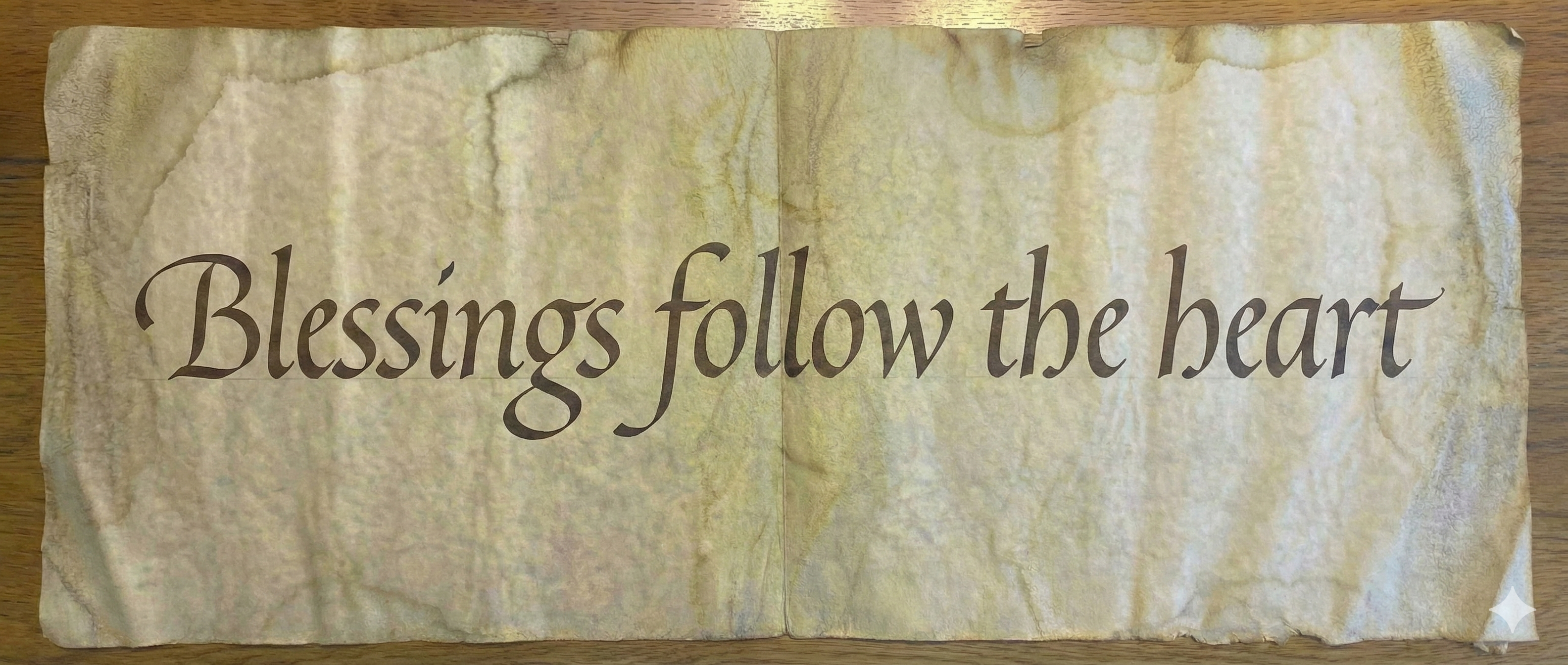
The rounded lines and breathing-like strokes of Humanist Script allow the body to naturally slow down its pace.
- Written words:Rest · Calm · Return.
- Chinese equivalent:An, slow, return.
- hint:With each arc you write, exhale gently, letting the strokes carry you down.
Lesson 997: Crisis Self-Soothing - Guided Drawing
Objective: To visualize the chaos during a crisis so that you can "see it".
Steps: Draw a large circle on a piece of paper, symbolizing a sense of being surrounded by crisis. Inside the circle, draw a spiral line from the outside in, becoming softer towards the center. The outer spiral line can be dense and sharp, symbolizing intense fear; the center line should be soft and rounded, symbolizing a point of stability. You don't need to force the outer spiral to "become better," just let the center remain.
Please log in before submitting your drawings and feelings.
○ 997. Self-soothing during a psychological crisis: journaling guidance suggestions
① What are the three first physical signals you notice when a crisis occurs?
② Which signal scares you the most? Why?
③ If we were to shape emotions, what would they resemble? A storm? A crack? Spikes? A wave?
④ Where is your "center position"? Chest? Abdomen? Hands? Feet?
⑤ What is the most effective soothing gesture today? Pressing your palms? Taking a deep breath? Cupping your face?
⑥ Write a sentence you would like to say to yourself during a crisis, in a gentle, specific, and truthful way.
Please log in to use.
A crisis is not the end, but rather the system's effort to protect you. Once you learn to calm yourself, you regain control of the steering wheel.