

Lesson 999: Emotional Release and Healthy Expression
Duration:75 minutes
Topic Introduction (Overview):
After acute stress, emotions often surge like an out-of-control flood: sometimes it's uncontrollable anger and roaring, sometimes it's a sudden collapse of tears, sometimes it's emptiness and numbness, a complete loss of feeling. Many people are taught from a young age to "endure," "be sensible," and "not cause trouble for others." So when real disaster strikes, their emotions aren't properly contained, but rather trapped deep within their bodies, transforming into physical pain, insomnia, overeating, lethargy, or self-blame. This lesson won't ask you to calm down immediately, but rather help you understand that emotions need an outlet, but that outlet can be safe, bounded, and won't harm yourself or others.
We will distinguish between "emotional catharsis" and "emotional aggression," learning to use writing, breathing, movement, sound, and images to give emotions a place to go, rather than suppressing them or letting them erupt uncontrollably. You will practice finding suitable containers for anger, sadness, and fear, allowing them to be seen and named, rather than echoing repeatedly in the dark. Mandala drawing is not about drawing something, but about observing—observing how emotions flow on paper, observing how you maintain boundaries in expression, and observing a more mature and gentler self slowly growing out of the storm.
▲ AI Interaction: Finding a "Safe Exit" for Emotions“
Please write down the scene of your most recent "emotional breakdown": What happened? What did you want to do at that time, and what did you actually do?
Then write down which emotion you fear most: anger, sadness, shame, resentment, despair, fear... Choose one.
Write another sentence: If this emotion were a child, what would it most want to say to you right now?
This content will help AI work with you to design a "safe catharsis plan" so that emotions can be released and no longer run rampant.
Click the button below to practice healthy ways of expressing yourself with AI.
○ Emotional Flow · Music Therapy
Choose a piece of music with a high emotional intensity but not too intense a rhythm; it could be piano, violin, guzheng, or vocal humming.
While the music is playing, allow yourself to make small movements with your body: clench your fist and release it, raise your shoulders and lower them, and gently stomp your feet.
Focus on the process of "from tension to relaxation" rather than whether the music sounds good or not.
Let music be the river of emotions, and you simply stand on the bank and watch it flow by.
🍃 Chinese Green Tea: Clearing Away the Lingering Effects of Emotions
Recommended tea drinks:West Lake Longjing or Biluochun.
The refreshing aroma and moderate energizing effect of green tea can help restore a sense of clarity after venting emotions and prevent one from falling into a deep emptiness and fatigue after expressing emotions.
It is recommended that after a small emotional writing session or crying, you brew a cup of light green tea as a "closing ritual," and use the steam from the rim of the cup as a symbol of the emotions leaving your body.
○ Chinese Food Therapy: Red Date and Lotus Seed Soothing Porridge
Red dates replenish qi and blood, lotus seeds calm the mind and soothe the nerves, and rice porridge warms and nourishes the spleen and stomach. During the emotional fluctuations following acute stress, warm and soft porridge can help you "land" again after venting. As you slowly drink it spoonful by spoonful, you are not only replenishing energy, but also sending a message to your body: "I am still taking care of you."“
Healing Recipes
/home2/lzxwhemy/public_html/arttao_org/wp-content/uploads/cookbook/kao-hong-shu-pei-hei-dou.html(Please confirm that the file has been uploaded: kao-hong-shu-pei-hei-dou.html)
🎨 Dream Mandala Healing · Mi Xiangwen 999 · A Halo in the Storm
You dream that you are standing on a stormy sea, your emotions surging like giant waves—anger, fear, resentment, and loneliness intertwined into gray-blue crests. Instead of running away immediately, you reach out and draw a circle in the air—you are at the center, and the outer circle is the churning waves.
You begin to silently observe: how the waves rise, tumble, break, and recede; how colors fade from dark to light; how sounds change from shrill to soft echoes. This circle gradually transforms into the halo of the mandala, protecting you and providing a place for your emotions to surge without overwhelming you. The mandala is not about drawing something, but about observing—observing how the storm comes and goes; observing how your true self always stands at the center, unswallowed.

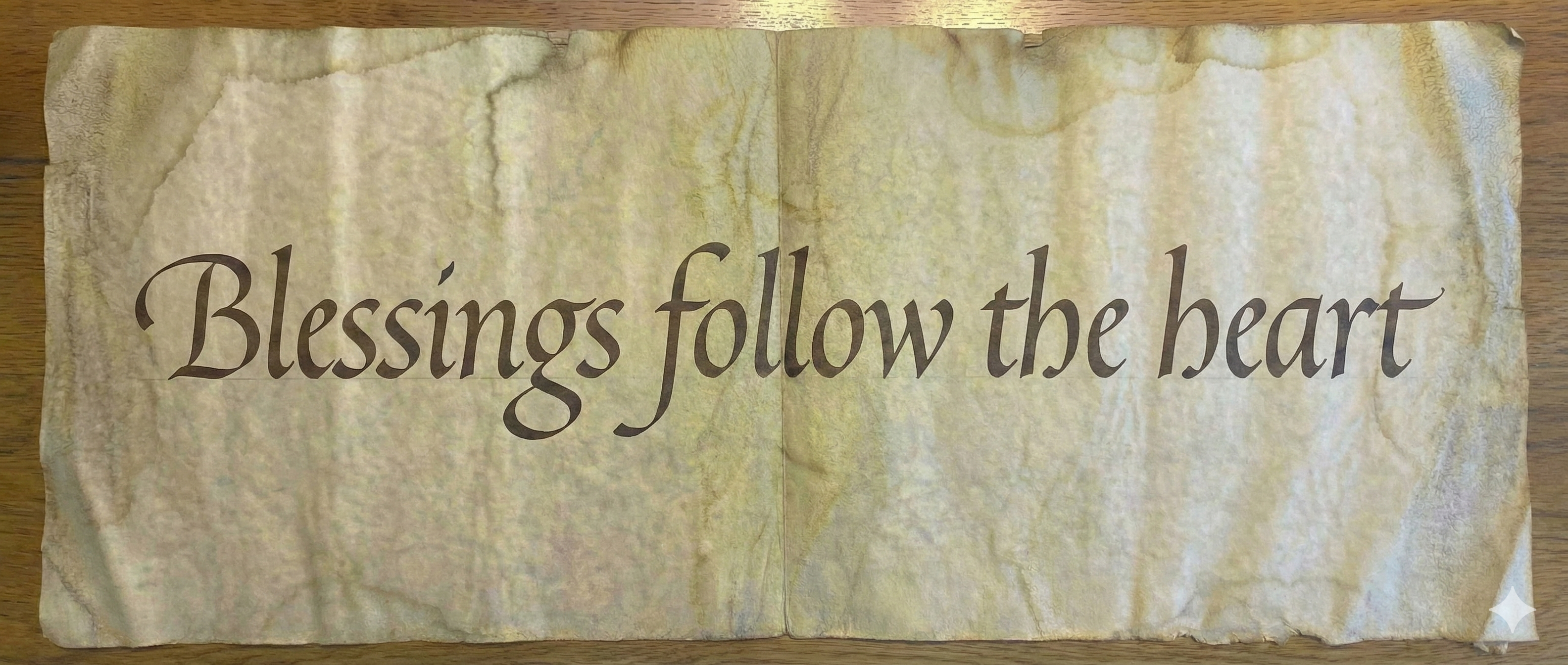
○ Humanist Script · Writing Sentences for Expressing Emotions
Humanist script's lines are gentle and breathable, making it perfect for conveying expressions that are "powerful yet harmless."
- Sentence in English:I feel, I express, and I stay kind to myself.
- Corresponding Chinese:I have emotions, I can express them, and I will still treat myself kindly.
- hint:Inhale gently each time you write "I" or "我"; exhale slowly when you write "feel / emotion", making your pen strokes and breathing a gentle rhythm.
Lesson 999: Emotional Release and Healthy Expression - Guided Drawing
Objective: To provide a visible "container" for emotions while maintaining clear boundaries.
Steps: Draw a large circle on a piece of paper, symbolizing your "container" for emotions. Inside the circle, use different colors to draw lines, blocks, or scribbles to represent various emotions: anger can be sharp lines, sadness can be a drooping teardrop shape, fear can be a shrinking dot, and resentment can be lines curling inward. When drawing, allow yourself to apply a little pressure and repeat a few times, but always keep all lines within the circle. Finally, draw a softer color around the outer edge of the circle, symbolizing your boundaries and self-care.
Please log in before submitting your drawings and feelings.
○ 999. Emotional Release and Healthy Expression: Suggestions for Journaling
① Write down the emotion you most often "hold back," and in what situations it usually occurs.
② What physical reactions might occur when you fail to express yourself properly? (e.g., stomach pain, headache, insomnia, numbness, etc.)
③ Recall a time when you had an "outburst of control," how do you now understand yourself at that time?
④ Write a supplementary explanation for that emotional outburst: "Actually, what I really wanted to say at the time was..."“
⑤ Here are three healthy ways you can express yourself: write a letter but don't send it, shout into your pillow, draw lines, sing, or walk with vigor.
⑥ Write a promise to yourself: Next time emotions arise, I will give them a safer outlet.
Please log in to use.
Emotions are not mistakes, but information. Learn to express them healthily, and you will no longer be afraid of your depth and power.