

Lesson 1030: The Connection Between Emotional Suppression and Physical Symptoms
Duration:75 minutes
Topic Introduction (Overview):
Many people say "I'm fine" or "It's over" after acute stress, but their bodies respond in other ways: stomach pain, migraines, a feeling of blockage in the throat, chest tightness, insomnia, recurring skin allergies... These symptoms are often difficult to diagnose in medical examinations, but they are highly correlated with long-term emotional suppression. Being afraid to express anger, being told to suppress sadness, being ridiculed for fear, and having one's needs seen as a nuisance all keep the nervous system in a state of "tension but silence," ultimately leaving only the body to voice the emotions.
This course will help you understand how suppressed emotions accumulate and settle in the body from a mind-body interaction perspective, guiding you to identify "who is speaking: is it a real physical illness, or is it the suppressed feeling knocking at the door?" We will provide your body with more stable energy and a sense of security through simple body scan exercises, emotion naming training, and daily herbal healing teas and German whole grain diet rituals. Simultaneously, using the theme "A mandala is not about drawing something, but about observing," we invite you to observe the emotional information behind physical symptoms. Combined with the slow writing of humanistic calligraphy, you will practice giving emotions an outlet, rather than continuing to be suppressed deep within the body, stroke by stroke.
▲ AI Interaction: When the Body "Speaks" for Emotions
Please recall a recent instance where physical discomfort (such as headache, bloating, chest tightness, or sore throat) suddenly worsened. What external events occurred at that time? What was the emotion you originally wanted to express?
Write down three sentences: ① My body feels... ② If it were an emotion, it might be... ③ If it could speak, what would it say to me?
You don't need to draw a conclusion immediately; just acknowledge first: "Perhaps this is not just an isolated symptom."“
Click the button below to explore the possible links between emotional distress and physical symptoms with AI.
Emotional Flow · Music Therapy
Choose an instrumental piece with a steady melody and slight undulations, and listen to it by "following rather than controlling" throughout.
Begin by becoming aware of your chest and throat area: what impulses do the rise and fall of the music evoke in you? Do you want to sigh? Want to speak? Want to cry? Want to remain silent?
Allow yourself to make sounds softly in the music (humming, sighing softly, drawing out a syllable), and experience the feeling of "no longer suppressing everything back into your body".
Herbal healing teas: Find a gentle outlet for your emotions
Recommended recipe:Rose petals + linden blossoms + a small amount of licorice.
Roses help soothe "suppressed grievances and sadness," linden blossoms support relaxation of the nervous system, and licorice symbolizes "gentle yet firm support."
While brewing, silently repeat to yourself: "I allow myself to feel, rather than forcing everything into my body." Treat each sip as a comfort to your body, not a task.
German-style whole grain therapy: Relieving your digestive system from being the scapegoat for your emotions.“
Under persistent emotional suppression, the digestive system becomes particularly sensitive: stomach pain, diarrhea, constipation, and fluctuating appetite often become scapegoats when emotions cannot be expressed. German whole grain therapy emphasizes providing stable and gentle stimulation to the intestines with high-fiber, low-processed foods such as rye bread, oatmeal, brown rice, and sprouted grains, avoiding drastic blood sugar fluctuations and emotional eating such as binge eating. You can set up a small morning ritual for yourself: replace rushed or skipped meals with a simple whole grain breakfast, and tell yourself with the rhythm of chewing, "I no longer need pain to prove I'm suffering; I can directly admit—I'm in pain."“
Healing Recipes
/home2/lzxwhemy/public_html/arttao_org/wp-content/uploads/cookbook/kao-hong-shu-pei-hei-dou.html(Please confirm that the file has been uploaded: kao-hong-shu-pei-hei-dou.html)
Dream Mandala Healing · Mi Xiangwen 1030 · The River and Stone in the Body
Imagine a slow-moving river flowing through your body, a path through which your emotions travel. You discover the river isn't calm; it's riddled with protruding stones: one in your chest, one in your stomach, one at the back of your neck. Each time the water flows over these spots, it creates eddies and echoes, making you think something is wrong with the river.
You pick up a piece of paper and draw a circle in the center. Place these stones in different positions within the circle. There's no need for embellishment or explanation; simply observe their placement in the river. A mandala isn't about drawing anything, but about observation: observing how repressed emotions solidify into stones within the body, and observing how the water subtly changes direction when you're willing to acknowledge, "There's a stone here." You don't need to move them immediately; simply allowing them to be seen is already part of the healing process.

Humanistic Calligraphy: Let Feelings Regain Their Power in Lines
Humanist calligraphy emphasizes gentle stroke transitions, natural proportions, and a sense of breath, serving as a bridge connecting reason and emotion.
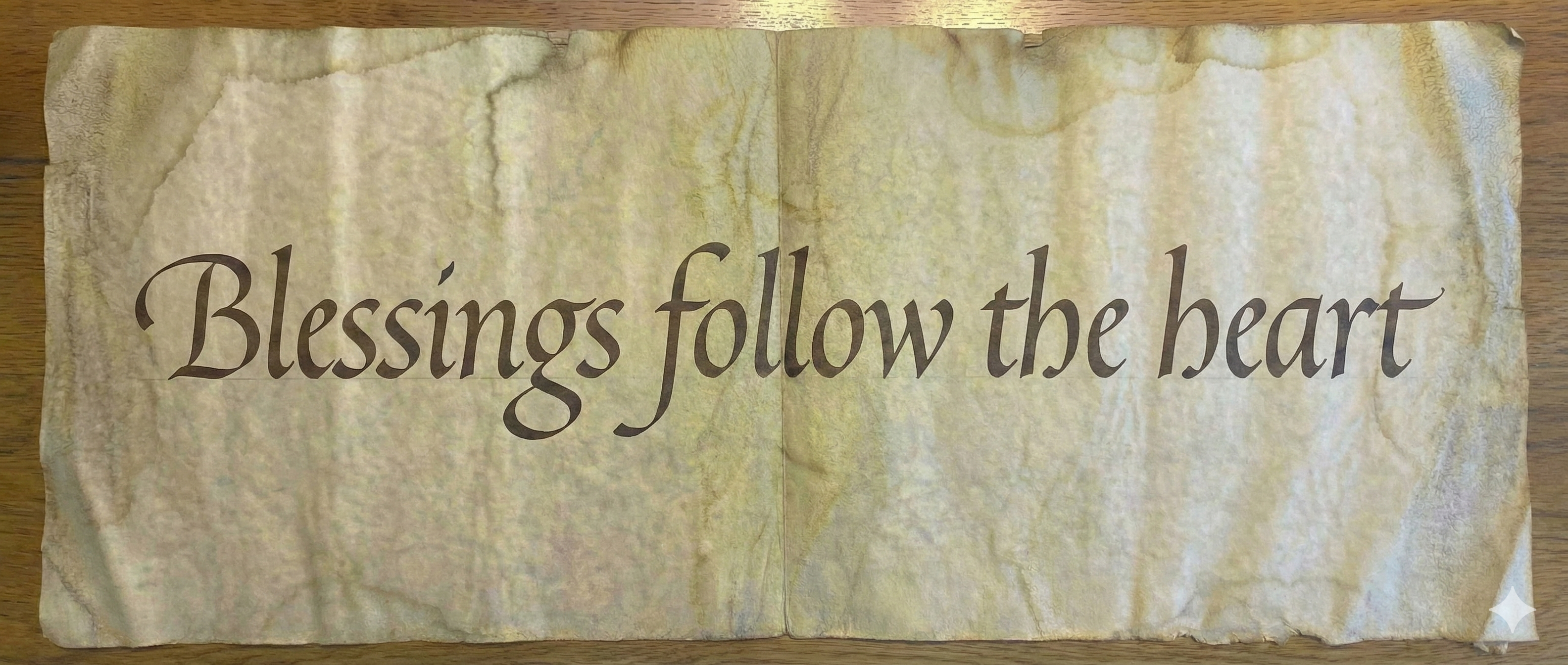
- English writing sentences:I allow my feelings to move through me, rather than remaining trapped inside my body.
- Using a slightly wider pen or dip pen, slow down and let the curve of each letter unfold like breathing.
- Observe your body's reaction when you write "allow," "feelings," or "through": Is there a pause, tension, or slight relaxation? This is also a gentle awareness exercise.
Lesson 1030: Emotional Suppression and Physical Symptoms - Guided Drawing
Purpose: To visualize the emotions "suppressed within the body," helping you to see their shape and location.
step:
1. Draw a simple body outline on paper, from head to toe, without needing details.
2. Think of areas of your body that you frequently experience discomfort, and mark them with different symbols:
• Draw a tight spiral to represent recurring headaches;
• Chest tightness is depicted as a flat stone pressing on the chest;
• Stomach pain is drawn as a knotted rope;
• The throat being blocked is depicted as a stuck branch.
3. Draw a soft line around the body outline to symbolize "a person who is willing to listen to these symptoms," and that person is you right now.
No analysis is needed; just let the images tell you: I've been enduring so much all along.
Please log in before submitting your drawings and feelings.
Lesson 1030: Emotional Suppression and Physical Symptoms - Journaling Guidance Suggestions
① Write down the two most common physical discomforts you experience (such as headache, stomachache, chest tightness, insomnia, etc.).
② Recall what happened in the outside world when each discomfort last worsened? What was something you originally wanted to say but didn't?
③ Try to give each physical discomfort a "line of emotion" (e.g., my stomach is saying "I'm so nervous").
④ Write down one small change you'd be willing to try: In the next similar situation, express your feelings a little more, instead of remaining completely silent.
⑤ To conclude in one sentence: "I am willing to gradually learn to let emotions flow through language and actions, rather than just leaving them to the body to bear."“
Please log in to use.
When you begin to see the undercurrents between your emotions and your body, you are no longer just a passive recipient, but gradually become a witness and caregiver of your own mind-body dialogue.