

Lesson 1032: Identifying Domestic Violence and Emotional Trauma
Duration:75 minutes
Topic Introduction (Overview):
Domestic violence is not just physical harm; it also encompasses emotional manipulation, humiliation, belittling, threats, control, economic restrictions, emotional abuse, and long-term psychological oppression. Many people are unaware that they are experiencing trauma during violence because perpetrators often reshape reality with phrases like "it's for your own good," "you're too sensitive," or "you forced me to do this," gradually causing victims to lose their judgment, feelings, and sense of security. When violence persists, the brain enters a long-term stress response mode: the amygdala remains on high alert, the hippocampus is inhibited, and the cortex struggles to process information, leading to fear, confusion, numbness, excessive compliance, or recurring self-doubt.
This course will guide you to identify the core characteristics of domestic violence, the damage that hidden harm inflicts on emotions and self-esteem, and why many traumas manifest as "emotional breakdown," "physical symptoms," "flashbacks," "high stress," and "relationship avoidance." We will combine the calming effects of herbal healing teas, the nourishing effects of German whole grain therapy on the body under chronic stress, the stabilizing rhythm of humanistic calligraphy, and the self-awareness approach of "mandalas are not about drawing something, but about observing," to help you rediscover your feelings, boundaries, and reality amidst chaos and manipulation.
▲ AI Interaction: Your experience is real, not a "misunderstanding".“
Please write down your most memorable moment below:
① At that moment, what happened to your body first? Heartbeat? Breathing? Muscles?
② What aspects of the other person's words or actions made you feel fear, humiliation, or instability?
③ Did you have any thoughts like "Am I overthinking this?" at the time?
The key to understanding domestic violence is not its "severity," but rather "making you feel unsafe." After writing this, you can click the button to analyze the difference between manipulation and actual harm with AI.
○ Trauma Soothing & Music Therapy
Choose a piece of music that is gentle but has a clear beat, and let yourself regain stability in the rhythm.
While listening, focus on your heartbeat and breathing: the rhythm of the music can help you regain a sense of control over your body from the tension of being "controlled".
If you feel like crying, anxious, or numb, that's okay—it's your body regaining sensation from repression.
🍵 Herbal Healing Tea - Calming Overactive Nerves After Violence
Recommended recipe:Rose petals + licorice root + chamomile.
Rose petals soothe tension and feelings of grievance, licorice root supports nerve recovery, and chamomile helps loosen the diaphragm constriction caused by long-term fear.
It is recommended to drink it warm after triggering the condition, so that the temperature tells the body: "You are being treated gently, not controlled."“
German Whole Grain Therapy: Replenishing Qi and Stabilizing the Body After Long-Term Family Stress
Prolonged domestic violence keeps the body in a state of heightened alertness, leading to appetite disorders, unstable sleep, fluctuating blood sugar, and fatigue. German whole grain therapy advocates using "stable, warm, and unprocessed" grains to help the body rebuild its basic energy, such as rye, farro, oatmeal, and whole grain flour with nuts and seeds. A regular whole grain diet can lower cortisol levels and allow the nervous system to gradually recover from a state of "being ready to flee" to one of "allowing myself to eat, rest, and be nourished." This is a crucial step in the recovery from emotional trauma.
Healing Recipes
/home2/lzxwhemy/public_html/arttao_org/wp-content/uploads/cookbook/kao-hong-shu-pei-hei-dou.html(Please confirm that the file has been uploaded: kao-hong-shu-pei-hei-dou.html)
🎨 Dream Mandala Healing · Mi Xiangwen 1032 · When Darkness is Seen
Imagine you're standing in a dimly lit room, surrounded by shadows that seem ready to engulf you. You don't run away; you simply observe. Slowly, you realize the shadows aren't monsters, but rather the fears, humiliations, loneliness, and pain you've experienced, yearning to be seen.
You draw a circle on the ground, and invite each shadow into it, giving them a place, boundaries, and a name. A mandala isn't about drawing something, but about observation—when you observe them, you're reclaiming your right to define reality, instead of being forced to accept someone else's version. Once the shadows are seen, they no longer have the power to devour you; they simply stay quietly in the circle, waiting for you to be ready to understand them.

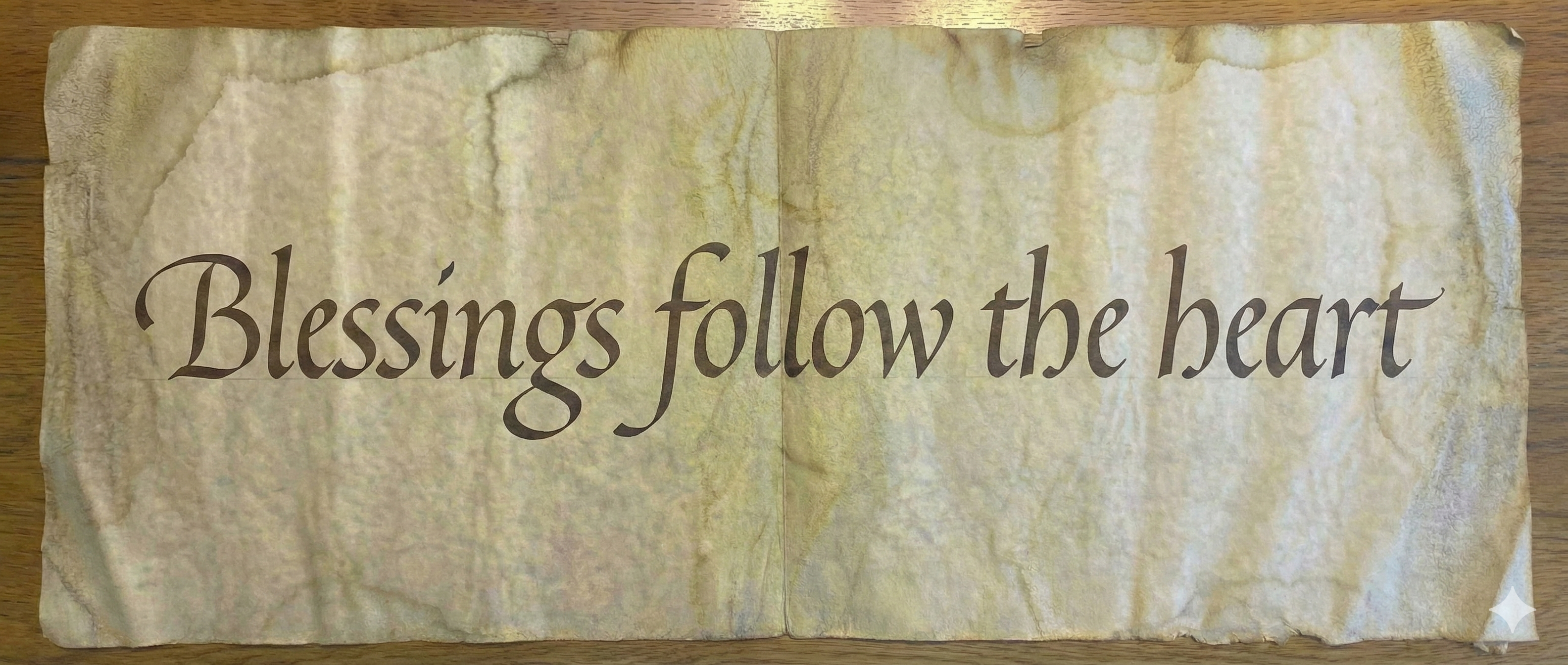
✍️ Humanistic Calligraphy: Restoring the Rhythm of "I'm in Charge"
Humanist calligraphy emphasizes balance, structure, and breath, and is an effective way to rebuild self-worth and a sense of subjectivity.
- Sentence writing:My feelings are real.
- Slow down when writing "My" and let yourself feel the power of "belonging to me".
Write "real" lightly, let the smooth curve of the letter tell you: the truth can be gentle. - This is a small path from "others defining me" back to "I defining myself".
Lesson 1032: Domestic Violence Trauma - Art-Based Learning
Purpose:Transform intangible emotional harm into a identifiable and definable form.
step:
1. Draw a large protective circle on the paper.
2. Imagine your trauma as stripes of different colors: red for humiliation, gray for fear, blue for loneliness, and black for control.
3. Draw these stripes inside the circles, but leave the center blank, symbolizing that you still have an "untouched core self".
4. No need to explain the meaning, just let the shape and color speak for you.
Please log in before submitting your drawings and feelings.
Lesson 1032: Domestic Violence and Emotional Trauma - Journal Guidance
① Write down the most recent family situation in which you felt insecure.
② At that moment, what was the first thing your body told you? (Tense/Frozen/Want to run away/Numb)
③ Write down your true feelings that you have been hiding from yourself: "Actually, I _____."“
④ Write down a sentence you would like to say to your past self:
“You deserve to be treated gently.”
⑤ Today's mini-practice: Slowly write "My feelings are real." and let your gestures tell your body the truth.
Please log in to use.
Being able to recognize violence is the first step you take to break free from it. Your feelings, your body, and your fears are all real and deserve to be protected.