

Lesson 1117: Collective Trauma and Social Resilience
Duration:75 minutes
Topic Introduction (Overview):
Collective trauma refers to the simultaneous experience of a community, city, ethnic group, nation, or larger group of people, including but not limited to disasters, violence, war, pandemics, economic collapses, or significant structural upheavals in society. Unlike individual trauma, this type of trauma not only undermines an individual's sense of security but also reshapes trust, cultural narratives, and ways of social connection within a group. When a group collectively suffers, people often experience synchronized emotions: widespread fear, anxiety, a sense of loss of control, anger, numbness, grief, and uncertainty about the future. Collective trauma alters the rhythm of a society and changes how people perceive one another.
However, the other side of collective trauma is "social resilience." This is the ability of a group to gradually recover after experiencing disruption through mutual assistance, rebuilding order, strengthening relationships, sharing resources, and renewing meaning and shared narratives. Social resilience is not a single act, but rather an accumulation of small, connected actions: mutual care, community collaboration, institutional support, cultural strength, narratives of hope, shared mourning, and shared reconstruction. This course will guide you to understand the mechanisms of collective trauma, the path to the formation of social resilience, and how to find your place in collective trauma. A mandala is not about drawing something, but about observing—observing how a group reweaves the texture of light from the brokenness.
▲ AI Interaction: What was the moment your world was changed?
Please answer the following questions to let AI help you identify the "level of collective trauma" you are experiencing:
- ① What is the most memorable scene from a past collective event?
- ② Do you think that event changed your view of "the world" or "people"?
- ③ If you had to say, “I hope society can become…”, what would it be?
Collective trauma is shared, and so is resilience.
○ Group Stability & Music Therapy
Choose a piece of music that is “like collective breathing”: rhythmic, slow, and steady.
Practice method:
- Imagine "a group breathing together" while listening to music, and you are one of them.
- Each slow drumbeat symbolizes support, a connection, and a sense of "we are together".
- Let the sense of stability brought by the music seep into your body and relax the parts that are tense due to collective pressure.
A mandala is not about drawing something, but about observing—observing how you rediscover your own rhythm within the rhythm of the group.
Aromatherapy Drinks: A Formula for Calming Collective Emotions
Recommended drinks:Rose + Neroli: A warm drink to soothe your mood.
Roses symbolize shared mourning and healing, while orange blossoms enhance interpersonal connections and reduce loneliness and alienation caused by social instability. During periods of collective trauma, this beverage can help stabilize emotions and soften the anxieties brought on by global changes.
Usage: Steep 2 grams of rose petals and 1 gram of orange blossom in hot water for 5 minutes. Before drinking, inhale the aroma three times, feeling how it slowly penetrates the tightness in your chest, allowing you to rediscover "a gentle connection with the world." A mandala is not about drawing something, but about observing—observing how the fragrance builds a gentle bridge between you and the community.
○ American Natural Diet: Group Recovery Energy Bowl
During periods of collective trauma, people's eating habits often become chaotic, rushed, and even disordered. Natural dietary approaches emphasize "physical stability leading to psychological stability." This lesson recommends the "Resilience Bowl": a base of warm oatmeal or brown rice, topped with roasted sweet potato, spinach, roasted pumpkin seeds, and a small amount of olive oil.
Sweet potatoes symbolize stable energy; spinach symbolizes the restoration of vitality; pumpkin seeds provide zinc, which helps with immune repair after trauma; olive oil symbolizes nourishing connections. This meal not only supports the body but also symbolizes the core of social resilience—every bit of stability comes from small but continuous actions.
Healing Recipes
/home2/lzxwhemy/public_html/arttao_org/wp-content/uploads/cookbook/jiang-huang-ji-rou-dun-tang.html(Please confirm that the file has been uploaded: jiang-huang-ji-rou-dun-tang.html)
Dream Mandala Healing · Mi Xiangwen 1117 · The Light of the Crowd
In your dream, you stand in the middle of ruins, surrounded by silent people whose expressions are indistinct. The sky is gray, and you feel lost. You think you have to bear all of this alone, but suddenly you see faint points of light appearing on the ground—not from you, but from everyone around you.
The points of light began to spread outwards, like concentric circles of a mandala, one ring after another, growing brighter and more stable. When you looked up, you realized that when all the lights connected, they formed a vast net of light, illuminating the entire ruins.
A mandala is not about drawing something, but about watching—watching how the community illuminates each other with a faint but real light, and watching how you are gradually restored by being surrounded by this collective light.
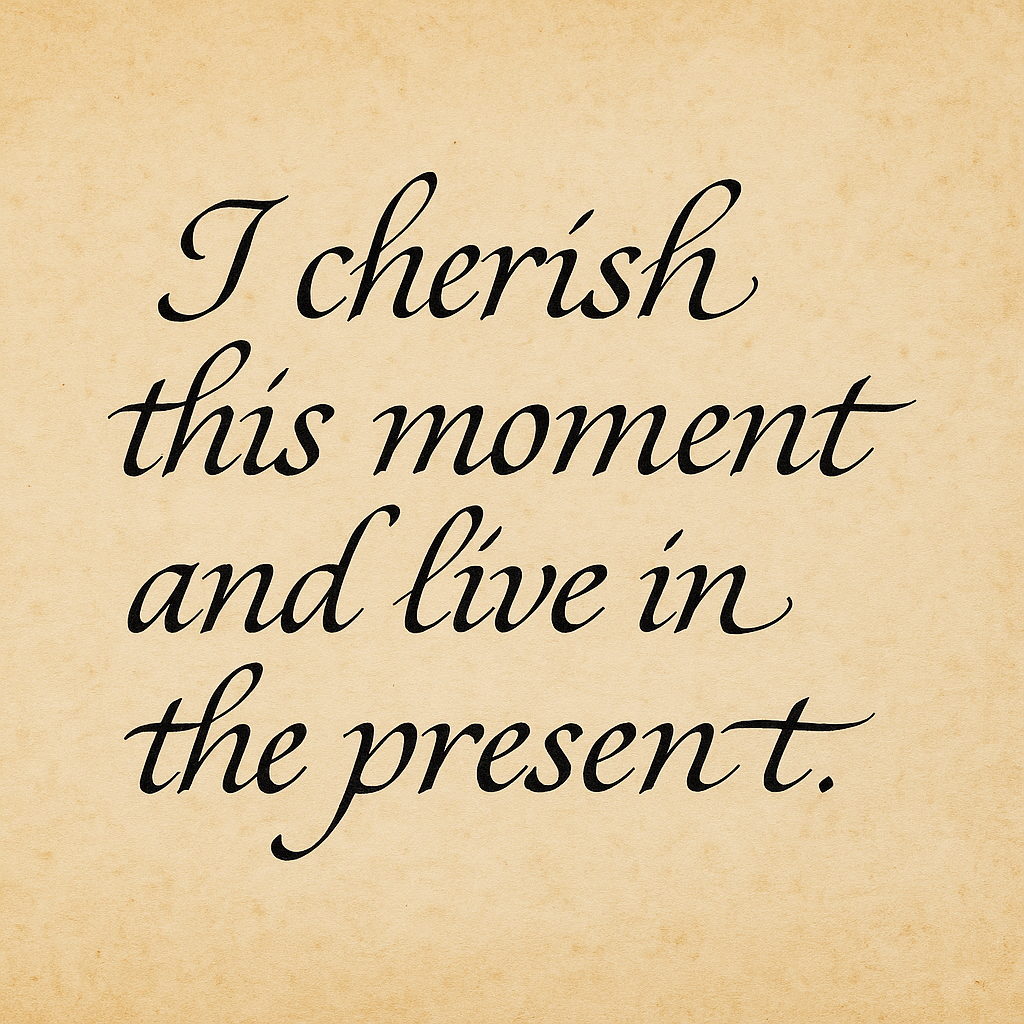
○ Medieval Gothic calligraphy: “We rise together.”
Gothic script, with its weight and solemnity, is very suitable for writing about themes of "collective strength" and "common restoration".
- English sentences:We rise together.
- Chinese equivalent:Let's move forward together.
- Writing Tips:Vertical lines represent individual strength, while horizontal lines represent the connection of the group; with each stroke, the body feels "I am not alone".
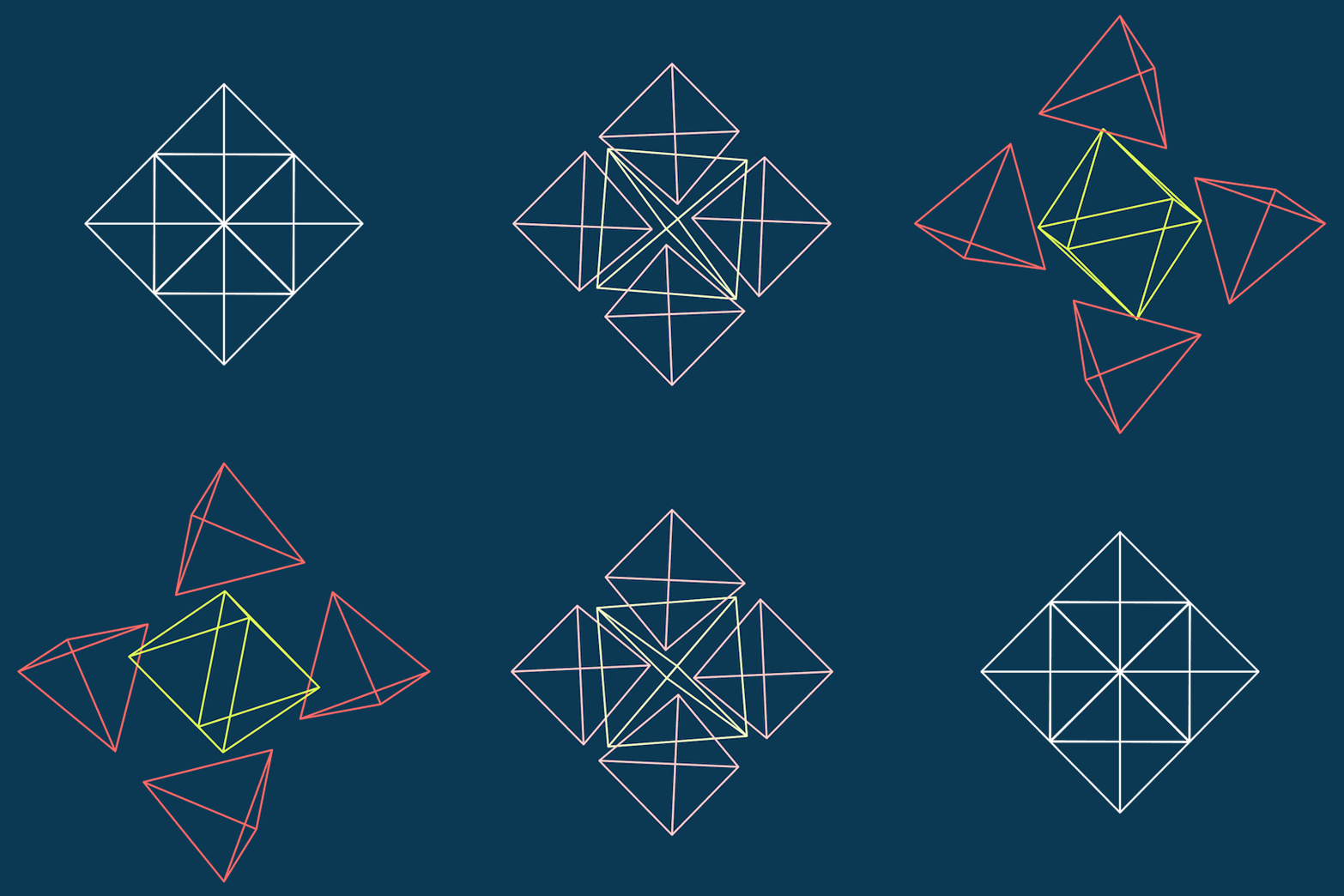
Lesson 1117: Collective Trauma - Guided Mandala Viewing
Purpose:Through the layered structure of the mandala, you can experience the "concentric circle effect" of social resilience.
Find a mandala where colors radiate outwards from the center, and the patterns transition from chaos to stability. The center symbolizes trauma, and the outer circle symbolizes recovery. First, gaze at the center for 15 seconds, feeling the "weight of trauma"; then slowly move your gaze outwards along the patterns, feeling how the chaos is supported by the stable structure in the outer circle.
A mandala is not about drawing something, but about watching—watching how your trauma is surrounded, sustained, and transformed by a greater force.
Please log in before submitting your drawings and feelings.
○ 1117. Collective Trauma: Journaling Guidance Suggestions
① Write down a collective event (disaster, crisis, turmoil, etc.) that you have experienced.
② Write down which part of your thinking about "groups" or "society" it changed.
③ Write down the "moments of people helping each other" that you observed.
④ Write a sentence, “I hope the world can…” and write down your most sincere wish.
⑤ Finally, write: "I am recovering, and we are recovering together."“
Please log in to use.
Collective trauma brings devastation, but social resilience comes from the light of millions of people. You are not a solitary ray of light; you are part of a network of light.