

Lesson 1148: Recognizing Depressive Episodes and Low Mood
Duration:75 minutes
Topic Introduction (Overview):
In bipolar I disorder, depressive episodes are often more easily "misinterpreted" as simple low mood, lethargy, or lack of willpower than mania. Many people in the early stages of an episode simply feel "tired and lacking energy," gradually losing interest in things they previously enjoyed, and feeling like they're walking through mud. Some can barely maintain external functioning, but experience a persistent emptiness, self-blame, and hopelessness, as if the future has been completely shut out. This lesson will help you distinguish between temporary mood swings and true depressive episodes, highlighting the key differences.
We will help you build a clear framework for identifying these issues, considering dimensions such as time span (lasting at least two weeks), degree of functional impairment (work, study, interpersonal relationships, daily care), changes in body rhythms (too much or too little sleep, fluctuating appetite, slowed movements), and thought content (feelings of worthlessness, guilt, self-denial, suicidal ideation). We will also invite you to observe how that inner experience of "wanting to do nothing, feeling that nothing is worthwhile" gradually unfolds in the details of daily life.
Mandala is not about drawing something, but about observing—observing the descent of energy, the dimming of colors, and the slowing of rhythm. In the image and the body, one can see the trajectory of depression quietly approaching, rather than realizing the loss of control only after completely falling into it.
▲ AI Interaction: Differentiating Between "Feeling Bad" and a Depressive Onset
The following questions will help you and AI to understand the early and core characteristics of a depressive episode. Please answer using truthful, but not necessarily perfect, language:
- ① In your past experiences of feeling down, when were the mood swings just brief? When did they last for more than two weeks and become increasingly severe?
- ② When you enter a severe state of depression, which part is affected first: sleep, appetite, speed of movement, interpersonal relationships, or the ability to feel happiness?
- ③ Have you ever had thoughts like "The world would be a better place if I weren't here" or "I'm just a burden"? How frequently and intensely do these thoughts occur?
Based on your answers, AI will help you compile a personalized "depressive episode identification note" so that you won't be left with only confusion and self-blame when you encounter a similar situation next time.
○ During periods of low mood: Music accompaniment and rhythm observation
During a depressive episode, many people completely lose interest in music or repeatedly play extremely sad tunes, further dragging themselves into darkness. This exercise is not about "immediately listening to happy songs," but rather an invitation to use music to observe your own inner rhythm.
Please choose a piece of instrumental music with a moderate tempo that is neither overly sad nor excessively rousing. Close your eyes and for the first two minutes, do only one thing: observe your reaction to the music—are you interested in listening to the whole thing? Do you want to turn it off halfway through? Do you feel numb or unresponsive?
Please remember: indifference, dullness, and a lack of engagement are also information, not failure. You only need to quietly say to yourself, "I see that I am now very difficult to be moved."“
A mandala is not about drawing something, but about observing—observing the "powerlessness" of this moment, giving it a name, rather than forcing yourself to cheer up.
○ Chinese Green Tea: Find a small sip to refresh yourself when you're feeling down.
During a depressive episode, some people want to lie still all day, while others rely on sugary drinks or strongly flavored foods for a brief period of stimulation, only to feel even more exhausted afterward. This lesson suggests trying a cup of lukewarm, mild-tasting Chinese green tea as a beverage for "observation and companionship," rather than a forced dose of stimulant.
When brewing tea, don't rush to drink it. First, watch the tea leaves slowly unfurl in the cup: from curled to open, from sinking to gently floating. Focus your attention on these subtle changes, as if you are watching the last bit of vitality you still possess in your own low moments.
Mandala is not about drawing something, but about observing—observing the tea color change from light to dark, and also observing one's own ability to do small things for oneself even when tired.
○ Chinese Food Therapy · Soup Dishes · Millet and Yam Heart-Nourishing Soup
During prolonged periods of low mood and depressive episodes, many people experience fatigue, poor appetite, and slowed digestion. Millet and yam are often used in traditional Chinese medicine to strengthen the spleen and stomach, replenish qi, and nourish the body. When made into a delicate, warm soup, it is especially suitable for slowly savoring when one has no appetite.
There's no need to pursue perfect nutrition and proportions. Just reserve this "small, achievable task" for yourself: cook a simple bowl of soup. Even if you only drink a few sips, it's sending a signal to your body—"I haven't given up on taking care of you."“
🎨 Dream Mandala Healing · Mi Xiangwen 1148 · The Gray Center
You dream of a huge mandala, its outer ring vibrant in color, the middle ring gradually fading, until only a patch of gray-white remains in the center, as if all color has been stripped away. Standing before the image, your first glance falls upon that patch of gray, and a thought arises in your mind: "There's nothing here."“
You decide not to leave, but to continue watching. After a while, you discover that the gray is not a single patch: it contains subtle textures, deeper shades of gray, slightly bluish gray, and even a faint hint of warm color. You suddenly realize: what you perceive as "nothingness" is simply something you can't perceive, not something that doesn't exist.
Mandala is not about drawing something, but about observing—observing the subtle changes in the gray, observing the life patterns that are still quietly preserved in the "emptied" self.
[mandala_gallery1148]
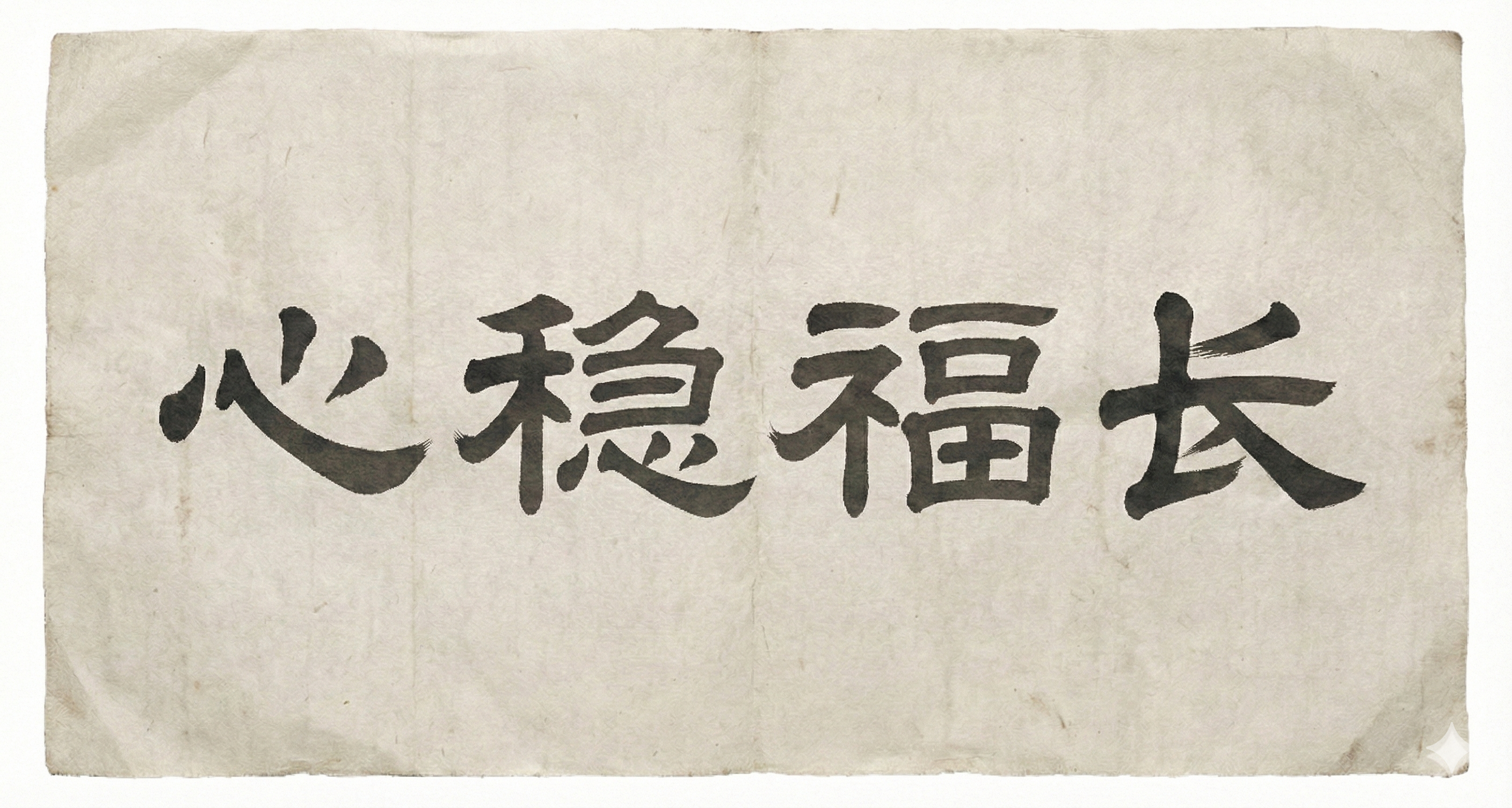
○ Regular script: Writing self-comforting words during a low period
The uprightness and slow pace of regular script make it a suitable exercise for "stabilizing oneself" when feeling down.
- Written words:Slow down.
- English equivalent:Slow · Still here
- hint:Slow down each stroke, making your hand move a little slower than you're used to. When writing "slow," remind yourself: my recovery can be slow; when writing "at," remind yourself: I still exist at this moment, I don't need to prove my value.
Lesson 1148: Recognizing Depressive Episodes - Guided Mandala Viewing
Objective: To observe the gradual process of moving from mild depression to a depressive episode by watching changes in the brightness of images.
Please select a mandala pattern with a bright outer ring and a slightly darker center.
The first step is to look only at the outer edge and ask yourself, "Can I still feel even a little bit of interest?"“
The second step is to slowly move your gaze inward, feeling the changes in color from light to dark and lines from clear to blurry.
The third step is to stay in the center area and observe whether you feel the urge to "turn your gaze away" or "not want to look anymore".
Don't force yourself to like this picture; just acknowledge your reaction and name it: "I can only see gray right now."“
Mandalas are not about drawing something, but about observing—observing one's own withdrawal, numbness, and urge to escape, letting them be seen, not denied.
Please log in before submitting your drawings and feelings.
○ 1148. Identification of Depressive Episodes and Low Mood: Journal-Guided Suggestions
① Write down your most recent significant experience of feeling down: How long did it last? How did it affect your daily functioning?
② During that period, did you experience any changes in your sleep, appetite, or speed of movement? Please describe in detail.
③ Have you ever had thoughts like "I have no value," "It's all my fault," or "It might be better if I disappeared"? Please just record the facts and don't judge yourself.
④ Reflecting on this experience, were there any early warning signs that were only discovered afterward? Please write them down as a reminder you can use next time.
⑤ Today, design a very small, achievable action for yourself (e.g., wash a cup, open a window for three minutes, write two lines of text), and record your feelings after completing it, even if you "don't feel anything".
⑥ Conclusion: Recognizing depression is not about blaming yourself, but about helping yourself earlier.
Please log in to use.
When you learn to see feeling down as a identifiable state, rather than as a "broken self," you open another door for every future episode. May you remember, even in the grayest of times, that you are always there.