

Lesson 1236: The Alternating Tendency Between Excessive Optimism and Excessive Worry
Duration:75 minutes
Topic Introduction:
One of the most common and easily overlooked patterns in cyclothymic mood disorders is the alternating oscillation between "excessive optimism" and "excessive worry." When excessively optimistic, you may suddenly become confident, act more quickly, expand your plans, and become less sensitive to risk; conversely, when the rhythm dips, excessive worry follows, including anxiety about the future, doubts about self-worth, and excessive expectations of failure. These repeated switching patterns are often associated with sleep, accumulated stress, interpersonal conflict, or sudden events. This lesson will help you identify the psychological and behavioral cues behind these two states, understand why they trigger each other, and learn how to create a "buffer zone" between the two ends to stabilize your rhythm, make decisions clearer, and prevent your emotions from being pushed back and forth. (238 words)
○ Overview of Cyclothymic Disorder
- Symptom characteristics:Cyclothymic mood disorder is characterized by alternating periods of hypomania and mild depression lasting for more than two years, causing individuals to fall into a rhythmic fluctuation that is "never completely stable".
- Rhythm Pattern:Although the mood swings are not as severe as those in bipolar disorder, long-term fluctuations can still affect interpersonal relationships, work, and life structure.
- Risks and delays:Because the symptoms are not "severe" enough, many people go undiagnosed for years, leading to long-term functional impairment and chronic mental fatigue.
▲ AI Interaction: Recording Your "Emotional Bipolar Swings"“
Please write down the most recent situation in which you felt "suddenly very optimistic": What happened? What decisions did you make?
Write down the last time you felt "suddenly very worried": What was the trigger? What signals did your body give you?
Then write down a "stabilizing anchor" that you think will help you reduce your swing.
Awareness is the first step in minimizing fluctuations.
○ Buffering Emotional Fluctuations: Music Therapy
Choose a piece of music with a steady, moderate tempo, allowing your emotions to slowly descend to a "sustainable midline" within the melody.
Music helps emotions return to the center from both extremes, allowing you to remain calm when you're optimistic and prevent yourself from collapsing when you're worried.
Let the melody guide you to find the balance point of your emotional fluctuations.
🍵 Green tea: A balanced approach that brings clarity without agitation
Recommended reasons:The refreshing taste of green tea and the relaxing effect of theanine can simultaneously reduce over-excitement and over-tension, allowing the rhythm to return to the midline.
usage:Steep 3g of green tea in 80°C hot water for 2–3 minutes. It is best consumed in the morning.
○ Yam and Poria Cocos Decoction for Stabilizing the Body
Yam invigorates the spleen and replenishes qi, while poria calms the mind and dispels dampness, making this soup suitable for people with fluctuating emotions and energy levels. This soup can help the body maintain stability, clear away "emotional dampness," and also alleviate worry and fatigue.
Regulating rhythm
Stabilize the fluctuations
Healing Recipes
/home2/lzxwhemy/public_html/arttao_org/wp-content/uploads/cookbook/kao-ji-xiong-rou-quan-mai-mian-bao.html(Please confirm that the following has been uploaded: kao-ji-xiong-rou-quan-mai-mian-bao.html)
🎨 Psychological Mandala
Psychological Healing: Psychological Mandala - Thoughts 07
Emotions of "excessive optimism" and "excessive worry" are like the fluctuating colors on the outer layer of a mandala, while the center remains consistently bright. When viewing the mandala, continuously bring your attention back to the stable center circle, symbolizing that you are returning to your inner centerline from the pull of the two extremes. You don't need to explain; simply view it three times, allowing the rhythm to realign in stillness.
Watching it three times symbolizes the return of emotions from the extremes to the core.
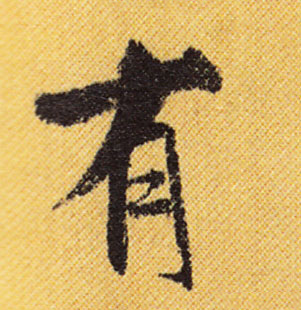
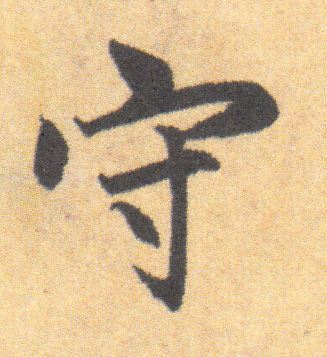
○ Chinese calligraphy – Running script
The "balanced tension" in running script symbolizes the power of emotional balance, helping you avoid being swept away by extremes.
- Written words:
- Impartial and impartial, upright and self-disciplined
- Neither Too High Nor Too Low
- Writing Tips:
- The rhythm of running script can help you find the "middle way" amidst fluctuations, making it especially suitable for practice when you are optimistic or worried.






○ Emotional Bipolar Swings: Art Guidance Suggestions
To help you understand the recurring shifts between "excessive optimism" and "excessive worry," draw a horizontal axis on paper: the left end represents worry, the right end represents optimism, and a "neutral line" runs through the middle. Don't worry about aesthetics; just observe it. Mark three moments this week when you "leaned to the right" (e.g., increased action, inflated confidence, expanded plans) and three moments when you "leaned to the left" (e.g., heightened anxiety, anticipation of disaster, withdrawal and avoidance). Then, mark your ideal "emotional midline" position with a small circle. By observing this, you can more quickly become aware of which end you're being pulled towards, thus making your rhythm more controllable, rather than passively oscillating between the two extremes. (224 words)
Please log in before submitting your drawings and feelings.
○ 1236. Emotional Swings: Journaling Guidance Suggestions
① Write down the most obvious instances of “over-optimism” and “over-worry” this week once each.
② Write down three physical signals you experienced at that time.
③ Write a reminder: "I can perceive it, and I can return to the center line."“
Please log in to use.
The ebb and flow of emotions is not something you can't control; rather, you are learning how to navigate it smoothly.