

Lesson 1244: How to Avoid Overexpansion and Energy Dissipation During Hypo-Age Phases
Duration:75 minutes
Topic Introduction:
In the rhythms of cyclothymic mood disorders, hypomania often doesn't develop into severe mania, but it's enough to put one into a "hyperextension" mode: plans suddenly increase, social invitations are readily accepted, work and hobby projects start simultaneously, sleep time is unknowingly compressed, and physical energy is rapidly depleted. On the surface, it appears as an increase in efficiency and creativity; however, at the rhythmic level, this is the prelude to the next period of decline and retreat. This course will help you identify the early signs of hypomania, understand why the brain is particularly prone to overestimating abilities and underestimating fatigue during this stage, and learn, through concrete methods such as "rhythm deceleration," "preset boundaries," and "available energy budget," how to protect your long-term energy and relationships without negating vitality and inspiration, preventing hypomania from automatically sliding into excessive depletion and subsequent collapse.
○ Overview of Cyclothymic Disorder
- Core features:The mood swings between hypomania and mild depression for a long time. Although the function may seem to be okay, it continues to affect the rhythm and self-perception.
- Risks during peak periods:The high energy of the hypomanic phase brings creativity and social motivation, but it is also accompanied by impulsive commitment, reduced sleep, and a tendency to overextension.
- Adjust direction:It's not about suppressing vitality, but about channeling energy into a sustainable rhythm so that peak performance doesn't overdraw on your future potential.
▲ AI Interaction: Designing "Energy Guardrails" for Hypo-Restless Periods“
Think back to the last time you had a more pronounced tendency towards hypomania: Did you suddenly want to do a lot of things, promise a lot of people, reduce your sleep but feel "okay"?
Please write down three of your most common behavioral patterns in this state, such as: starting multiple new projects at once, frequent socializing, impulse shopping, or long hours of high-intensity work.
Next, design an "energy barrier" for each mode, such as: only start one new plan at most, maintain a fixed sleep period each day, and set limits for social and work activities.
○ Hypo-agitation deceleration exercises and music therapy
When you feel excited, inspired, or physically restless, choose a piece of music with a steady, unhurried rhythm and sit down for three to five minutes to listen to it.
In these few minutes, do not make a decision, but simply observe your body's impulses and ask yourself a question: "What would happen if I divided this energy into three days?"“
Let music be a buffer between you and your actions, rather than an amplifier of pressure or motivation.
Warm Milk & Golden Milk: Healing
Recommended reasons:Hypo-hysteria is often accompanied by shorter sleep duration and a shift in circadian rhythms. Warm milk or golden milk, with its gentle heat and calming properties of spices, helps the body recall the possibility of "slowing down," allowing the night to return to a period of rest rather than continued expansion.
How to drink:Before going to bed, make yourself a small cup of golden milk: slowly heat milk, a little turmeric, and black pepper, stirring as you tell yourself, "Tonight I just need to save some energy for tomorrow." Sip it slowly to get your body used to ending the day during a period of mild agitation, rather than prolonging it indefinitely.
○ Kosher Food: A Boundary-Based Steady-State Soup
Choosing kosher vegetables (such as carrots, potatoes, celery, and onions) and a small amount of protein, and cooking only "just enough" of soup at a time, symbolizes your limited use of your energy and resources. The process allows you to experience that it's not about "the more the better," but "just enough," which gently contrasts with the boundless expansion impulses often seen during hypothermia. Making only one pot at a time, without preparing more, is also a form of rhythm training.
Just enough
Structure and Boundaries
Healing Recipes
/home2/lzxwhemy/public_html/arttao_org/wp-content/uploads/cookbook/kao-ji-xiong-rou-quan-mai-mian-bao.html(Please confirm that the following has been uploaded: kao-ji-xiong-rou-quan-mai-mian-bao.html)
Psychological Mandala
Psychological Healing: Psychological Mandala - Thoughts 07
When you are in a period of restlessness, your inner self is like ripples rapidly expanding outwards. Quietly observe the outer and inner rings of the mandala: the outer ring, with its intricate details, symbolizes everything you want to do; the inner ring, quiet and stable, symbolizes what you can truly sustain. You don't need to flatten the outer ring; simply remind yourself softly while observing: I can let some of my desires remain in the image, without having to turn them all into action. The mandala holds your excess impulses safe; you only need to take away a suitable amount of energy.
I looked at the mandala three times, and each time I repeated in my mind: I can choose not to turn all my impulses into actions.
○ Medieval Gothic Script
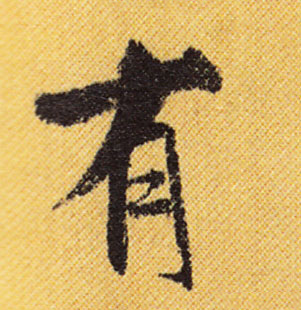
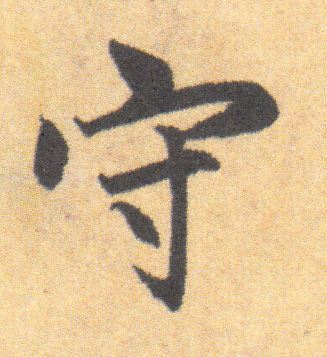
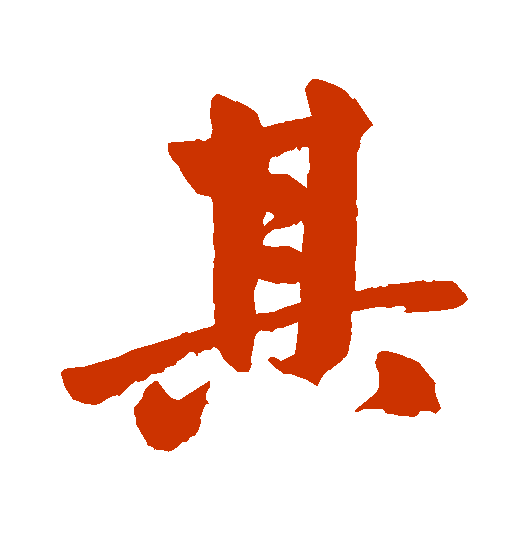
Practicing Gothic calligraphy during a period of hypothermia can help you anchor the energy of "impulsive expansion" within the boundaries of each stroke: each stroke is heavy and powerful, yet must be completed within a predetermined structure, and cannot overflow arbitrarily.
- Written words:Guard Your Energy
- Writing Tips:When writing each letter, consciously think, "How much effort am I willing to put into this stroke?" Let your hand get used to "holding back a little," rather than throwing every stroke with all your might. Writing itself is a negotiation exercise between you and the expansion of energy.





○ Energy Boundaries During the Hypochondriac Phase: Art Guidance and Suggestions
Please draw a concentric circle structure: write "Core Necessities" in the innermost circle, "Optional Things" in the middle circle, and "Things to Don't Do for Now" in the outermost circle. Honestly place your current plans and commitments into different circles while drawing. After completing the drawing, don't rush to adjust your plans; just observe quietly. You'll find that many of the things you placed in the outermost circle don't actually need to be "done immediately." As you view this image repeatedly, your brain will gradually learn to automatically differentiate between circles during periods of heightened agitation, instead of pushing all inspirations to the "execute immediately" position.
Please log in before submitting your drawings and feelings.
○ 1244. Hypo-Temperature Expansion: Journaling Guidance Suggestions
① Reflect on the last few days when you felt "particularly energetic" and write down any extra tasks or plans you took on at that time.
② Pick one thing from the list that you think could be put "later" and write down why.
③ Design a reminder for your next period of restlessness, such as: "Take a nap first, then decide whether or not to take on this task."
Please log in to use.
The energy of the hypothermic phase deserves to be cherished and used gently. Learning to set limits for energy is preserving a source of strength for your future self.