

Lesson 1248: The Interaction Between Diet, Exercise, and Mood Fluctuations
Duration:75 minutes
Topic Introduction:
In cyclothymic mood disorders, mood swings are often influenced by seemingly "everyday" factors, including diet, exercise rhythm, and the body's energy consumption and replenishment. When diet is unbalanced, exercise is irregular, or the body is overstimulated, mood swings are more easily triggered, forming a chain reaction of "physical state—mood fluctuations—behavioral responses." This course will guide you to understand the hidden yet powerful interaction mechanism between diet, exercise, and mood: certain foods amplify feelings of euphoria, and certain forms of exercise exacerbate periods of low mood; conversely, a stable eating rhythm and moderate physical activity can gently reduce the amplitude of mood swings, helping you establish a sustainable energy management system. Learn how to redesign your daily structure by starting with the relationship between "body—rhythm—mood," making your body a scaffold for emotional stability, rather than a source of fluctuation.
○ Key Links Between Diet, Exercise, and Mood Fluctuations
- Dietary stability:A diet high in sugar and high in stimulants can cause sudden spikes and drops in energy levels, making periods of hypotension and depression more frequent.
- Rhythm of movement:Excessive exercise can trigger the excitatory system, while a complete lack of exercise can make a period of depression even more severe.
- Chain reactions in energy systems:When the body's energy is unstable, the "gate" of emotional regulation is more likely to fail, triggering unnecessary emotional fluctuations.
▲ AI Interaction: Recording your diet-emotions-exercise chain
Reflect on the past three days: what you ate, what exercise you did, and how your emotions changed.
Write down three patterns you observed: for example, "eating too much sugar → irritability", "sitting for long periods → depression", and "exerting too much force at night → excitement".
Choose a point that can be adjusted and write down a practically executable change.
○ Body Rhythm & Music Therapy
Choose a piece of music with a moderate tempo and a slow pace, and play it before engaging in physical activity.
Let the rhythm of the music guide you into gentle exercise, allowing your body and mind to find their own rhythm.
Music helps the body return from "excitement" or "fatigue" to a state of balance between activity and stillness.
Warm Milk & Golden Milk: Healing
Recommended reasons:Golden milk can harmonize the body's energy, help cool down during periods of mild agitation, and nourish the body during periods of low mood, stabilizing the body's emotional curve throughout the day with a warm rhythm.
How to drink:Drink it in the evening or after exercise to help your body return to a calm state from stimulation or fatigue.
○ Kosher Foods: Soup Pairings for Stable Energy
Use clean, minimally processed Kosher ingredients: chicken breast, root vegetables, olive oil, whole wheat, and clear broth.
With its simple yet stable structure, it provides sustained energy without being stimulating or overloaded, making it suitable as a "cooling meal" during periods of mild agitation and a "strengthening meal" during periods of depression, helping the body maintain a stable energy level.
Clean food
Rhythm-friendly
Healing Recipes
/home2/lzxwhemy/public_html/arttao_org/wp-content/uploads/cookbook/kao-ji-xiong-rou-quan-mai-mian-bao.html(Please confirm that the following has been uploaded: kao-ji-xiong-rou-quan-mai-mian-bao.html)
Psychological Mandala
Psychological Healing: Psychological Mandala - Thoughts 07
When your physical state causes your emotions to fluctuate, gaze at the stable structure at the center of the mandala: no matter how the outer rings rotate, it always maintains its own order. The same applies to you; your physical state may change, but your inner rhythm always has the opportunity to be rediscovered. The act of observing itself is a practice of "realignment."
View the mandala three times, allowing your breath to slowly bring your body back to its core rhythm.
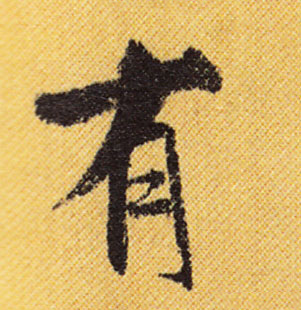
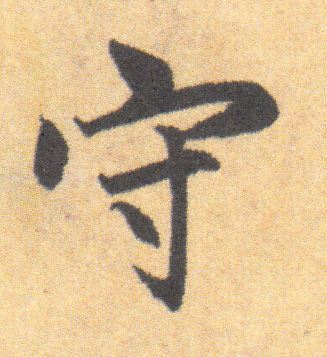
○ Medieval Gothic Script
Gothic script is characterized by its compact structure, stable center of gravity, and powerful lines. The writing process itself is like establishing a "sustainable rhythmic structure."
- Written words:Balanced Body·Balanced Mood
- Writing Tips:Pay attention to the spacing between strokes, and keep the weight and rhythm of each character stable, just like training your body's rhythm.






○ Body Rhythm Map - Drawing Guidance Suggestions
Draw a simple timeline on a piece of paper, from morning to night, marking your daily eating times, exercise times, energy peaks, fatigue points, and mood swings with different colors. Once completed, you'll see the hidden connections between your physical state and your emotions: which foods make you overly excited, which exercises help you relax, and which times you're most prone to feeling down.
Finally, circle a rhythmic point in your body that you're willing to adjust, and write down alternative behaviors that support emotional stability. Drawing itself is a form of rhythmic self-observation.
Please log in before submitting your drawings and feelings.
○ 1248. Body Rhythm Awareness: Journaling Guidance Suggestions
① Write down the times of your day when your energy is highest and lowest.
② Record which foods made you feel irritable or depressed.
③ Write down one "rhythm improvement action" that you are willing to try.
Please log in to use.
A body's rhythm is an important foundation for emotional stability. May you find your own balance in the rhythm of eating and exercising.